
JLPT N2 Grammar: Four-Choice Sentence Completion - 未解答

Learn 61 JLPT N2 grammar points through four-choice sentence completion questions, with English translations as hints and explanations after answering.
-
かえって
-
万一
-
必ずしも
-
のつもりだ
-
で有名だ
-
のせいだ
- 文語の比況を表す助動詞。「〜のようだ」「〜と同じようだ」の意。
- 現代語では文語的・慣用的に用いられる。
- 未然形・命令形は通常用いられないため primary を null とした。
-
別に
-
せっかく
-
いつの間にか
-
せっかく
-
いつの間にか
-
ろくに
-
ことにする
-
のも差し支えない
-
に越したことはない
-
せっかく
-
つい
-
到底
-
やむを得ず
-
なるべく
-
わざわざ
-
のように
-
のつもりで
-
のために
-
一方だ
-
に過ぎない
-
おそれがある
-
うっかり
-
たちまち
-
わざと
長年準備してきた新しい制度が、( )来月から実施されることになった。
ヒント
It has at last been decided that the new framework prepared over many years will be implemented from next month.
長年準備してきた新しい制度が、( )来月から実施されることになった。
いよいよ
長年準備してきた新しい制度が、( )来月から実施されることになった。
いよいよ
解説
長年準備してきた新しい制度が、( )来月から実施されることになった。
いよいよ
「いよいよ」 means at last
or finally
: a long-awaited or long-prepared event is approaching or starting. It can also mean increasingly.
いよいよ+動詞
いよいよ

人生は夢( )と、彼は静かに語った。
ヒント
He quietly said that life is like a dream.
人生は夢( )と、彼は静かに語った。
のごとし
人生は夢( )と、彼は静かに語った。
のごとし
解説
人生は夢( )と、彼は静かに語った。
のごとし
「ごとし」 is an old literary form meaning like
or similar to.
It is often used in sayings and literature.
名詞+のごとし
ごとし

活用形
この助動詞の「基本の形」と「よく使う形」をまとめています。
基本の形
| 形 | 語形 | 使いどころ |
|---|---|---|
| 未然形 | この語ではこの形を通常使いません。 | 助動詞ごとに、使える形が異なります。 |
| 連用形 | 助動詞ごとに、使える形が異なります。 | |
| 終止形 |
別の言い方:
如し
|
文法の働きを持つ基本の形です。 |
| 連体形 |
別の言い方:
如き
|
前後の語とのつながりで使い分けます。 |
| 仮定形 |
別の言い方:
如けれ
|
条件表現に関わるときに使います。 |
| 命令形 | この語ではこの形を通常使いません。 | 語によっては存在しないことがあります。 |
よく使う形
| 形 | 語形 | 使いどころ |
|---|---|---|
| この単語には表示できる派生形がありません。 | ||
補足
( )、来週の会議では新しい予算案について詳しく説明されるはずです。
ヒント
If I remember correctly, the new budget proposal is supposed to be explained in detail at next week's meeting.
( )、来週の会議では新しい予算案について詳しく説明されるはずです。
たしか
( )、来週の会議では新しい予算案について詳しく説明されるはずです。
たしか
解説
( )、来週の会議では新しい予算案について詳しく説明されるはずです。
たしか
「たしか」 means if I remember correctly.
It is used when speaking from memory: the speaker is fairly sure but not completely certain.
たしか+記憶に基づく文
たしか
if I remember correctly / as I recall / I believe / I'm fairly certain / I'm pretty sure

台風で電車が止まったため、私たちは( )会議を延期した。
ヒント
Because the trains stopped due to the typhoon, we had no choice but to postpone the meeting.
台風で電車が止まったため、私たちは( )会議を延期した。
やむを得ず
台風で電車が止まったため、私たちは( )会議を延期した。
やむを得ず
解説
台風で電車が止まったため、私たちは( )会議を延期した。
やむを得ず
「やむを得ず」 means doing something unavoidably because there is no other option. It describes an unwanted action forced by circumstances.
やむを得ず+動詞

大事な会議があるので、たとえ体調が悪くても今日は休む( )。
ヒント
I have an important meeting, so even if I'm not feeling well, I can't take the day off today.
大事な会議があるので、たとえ体調が悪くても今日は休む( )。
わけにはいかない
大事な会議があるので、たとえ体調が悪くても今日は休む( )。
わけにはいかない
解説
大事な会議があるので、たとえ体調が悪くても今日は休む( )。
わけにはいかない
「わけにはいかない」 means that duty, social expectations, or circumstances prevent someone from doing something. The issue is that doing it would be inappropriate, rather than impossible.
動詞辞書形+わけにはいかない
~わけにはいかない
cannot do (because it would be inappropriate or against norms/circumstances) / be not in a position to (do) / cannot afford to; can't very well (do) / must not (do) (due to social/moral obligation)

( )電車が止まった場合に備えて、早めに家を出ることにした。
ヒント
I decided to leave home early as a precaution in case the trains should stop running.
( )電車が止まった場合に備えて、早めに家を出ることにした。
万一
( )電車が止まった場合に備えて、早めに家を出ることにした。
万一
解説
( )電車が止まった場合に備えて、早めに家を出ることにした。
万一
「万一」 means if by any chance
or in the unlikely event.
It refers to an unlikely event worth preparing for and often introduces a precaution or an emergency response.
万一+普通形+場合・たら・ても
万一
in the unlikely event / if by any chance / in case / in case (of emergency)
( )オンライン授業は便利だが、もう一方では学生の集中力を保つのが難しい。
ヒント
On one hand, online classes are convenient, but on the other hand, it is difficult to maintain students' concentration.
( )オンライン授業は便利だが、もう一方では学生の集中力を保つのが難しい。
一方では
( )オンライン授業は便利だが、もう一方では学生の集中力を保つのが難しい。
一方では
解説
( )オンライン授業は便利だが、もう一方では学生の集中力を保つのが難しい。
一方では
「一方では」 introduces one side of something, often in contrast with another side.
一方では+一つの面、もう一方では+別の面
一方では

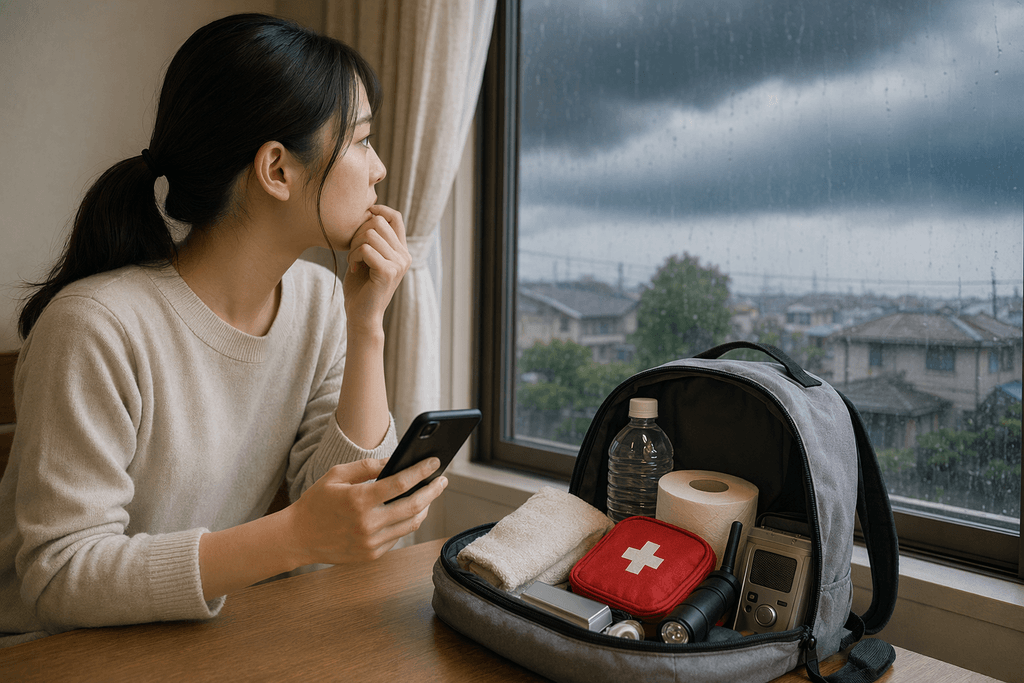
彼は窓( )立ち、雨に濡れる街を静かに見つめていた。
ヒント
He stood beside the window, quietly gazing at the rain-soaked city.
彼は窓( )立ち、雨に濡れる街を静かに見つめていた。
の傍らに
彼は窓( )立ち、雨に濡れる街を静かに見つめていた。
の傍らに
解説
彼は窓( )立ち、雨に濡れる街を静かに見つめていた。
の傍らに
「傍ら」 is a somewhat literary word meaning beside
; here he is standing beside the window. In another use, it means doing something alongside a main job or activity.
名詞+の傍らに

旅行に行く前に、保険に入っておく( )。
ヒント
Before going on a trip, it's best to get travel insurance.
旅行に行く前に、保険に入っておく( )。
に越したことはない
旅行に行く前に、保険に入っておく( )。
に越したことはない
解説
旅行に行く前に、保険に入っておく( )。
に越したことはない
「に越したことはない」 means it is best to ~
or nothing is better than ~.
It recommends a course of action as better or safer even if it is not strictly necessary, and is often used to give advice.
動詞辞書形・ない形/イ形容詞+に越したことはない。名詞・ナ形容詞の語幹+(である)に越したことはない

一人でこの仕事を今日中に終わらせるのは( )無理だ。
ヒント
It is absolutely impossible to finish this work alone by the end of today.
一人でこの仕事を今日中に終わらせるのは( )無理だ。
到底
一人でこの仕事を今日中に終わらせるのは( )無理だ。
到底
解説
一人でこの仕事を今日中に終わらせるのは( )無理だ。
到底
「到底」 emphasizes that something is completely impossible, with a negative or a word expressing impossibility.
到底+否定・不可能を表す述語

loading!!

JLPT N2 文法・61項目 / JLPT N2 Grammar: 61 Points

JLPTと同じ形の、例文の空欄を埋める4択で61項目を学ぶ文法問題集です。例文の訳はヒントに、説明と接続の形は解答後の解説に表示されます。Jonathan Waller 氏の JLPT Resources の文法リスト・レベル分類を出典とし、CC BY の条件に従って DiQt が問題・説明・訳を作成しました。JLPT公式の文法リストではありません。
Study 61 grammar points through four-choice sentence completion questions in the same format as the JLPT. Sentence translations appear as hints, and explanations and connection patterns appear after answering. The collection is based on the grammar list and level classifications in Jonathan Waller’s JLPT Resources under CC BY, with questions, explanations, and translations created by DiQt. This is not an official JLPT grammar list.
キー操作
最初の問題を選択する:
Ctrl + Enter
解説を見る:Ctrl + G
フィードバックを閉じる:Esc
問題選択時
解答する:Enter
選択肢を選ぶ:↓ or ↑
問題の読み上げ:Ctrl + K
ヒントを見る: Ctrl + M
わからない: Ctrl + Y



