
JLPT N2 වචන අර්ථ පුහුණුව - Unsolved

පිළිතුරු විකල්ප හතරක් ඇති ප්රශ්න මඟින් JLPT N2 වචන 1790ක අර්ථ සිංහලෙන් ඉගෙන ගන්න.
-
එක්වීම / ගංගා සංගමය
-
නොසැලකිලිමත්කම
-
සමාව / ප්රතික්ෂේප කිරීම
-
ගැළපී එක් වෙනවා / දියවී එක් වෙනවා
-
උණුසුම් වෙනවා
-
අවහිර වෙනවා
-
මාපකය
-
දන්නා හඳුනන අය
-
එකිනෙක හරස් වීම
-
වළලනවා / පුරවනවා
-
ඉගැන්වීම් ලබනවා
-
කලබල වෙනවා / හදිසි වෙනවා
-
හිරු එළිය
-
ගිනිකෙළි
-
පූර්ණ ලකුණු
-
සරල / කැපී නොපෙනෙන
-
හදිසි / තාවකාලිකව සැකසූ
-
අතිවිශාල
- 表記は「めちゃくちゃ」が一般的。「滅茶苦茶」は漢字表記。
- 連用形は用法により「めちゃくちゃで」(叙述接続)および「めちゃくちゃに」(副詞的)が用いられる。
-
පහර දෙනවා / පළි ගන්නවා
-
අවහිර වෙනවා
-
එල්ලනවා
-
රැඳී සිටිනවා / නවතිනවා
-
කැඩී බිඳී යනවා
-
ඉහළ සිට පහළ බලනවා
- 五段活用(サ行)の他動詞。
- 漢字表記に「零す」がある。
-
දූපත් දාමය
-
අක්ෂර කලාව සඳහා තීන්ත
-
නඩත්තුව / සංවර්ධනය
-
වැඩි කරනවා
-
සියල්ල එක් වෙනවා / ගැළපෙනවා
-
උක්කුටිකයෙන් හිඳිනවා
夜行
රාත්රී ගමන / රාත්රී දුම්රිය
夜行
රාත්රී ගමන / රාත්රී දුම්රිය
Explanation
夜行
රාත්රී ගමන / රාත්රී දුම්රිය
夜行
රාත්රියේ ගමන් කිරීම / රාත්රී දුම්රිය ගමන්/රාත්රී දුම්රිය

( Base form )
( romanization )
( hiragana )
潜る
කිමිදෙනවා / යටිබිම්ගත වෙනවා
潜る
කිමිදෙනවා / යටිබිම්ගත වෙනවා
Explanation
潜る
කිමිදෙනවා / යටිබිම්ගත වෙනවා
潜る
ජලයට කිමිදීම / සෙමෙන් ඇතුළට රිංගීම / සඟවී සිටීම

Word Forms
The basic and commonly used forms of this verb.
Basic forms
| Form | Word form | Usage |
|---|---|---|
| Imperfective form (mizenkei) |
Alternative:
潜ろ
|
Connects to endings such as nai, reru, and seru. |
| Continuative form (renyokei) | Connects to endings such as masu, tai, and ta. | |
| Conclusive form (shushikei) | Ends a sentence and serves as the dictionary form. | |
| Attributive form (rentaikei) | Modifies a noun. | |
| Conditional form (kateikei) | Combines with ba to express a condition. | |
| Imperative form (meireikei) | Expresses a command or instruction. |
Common forms
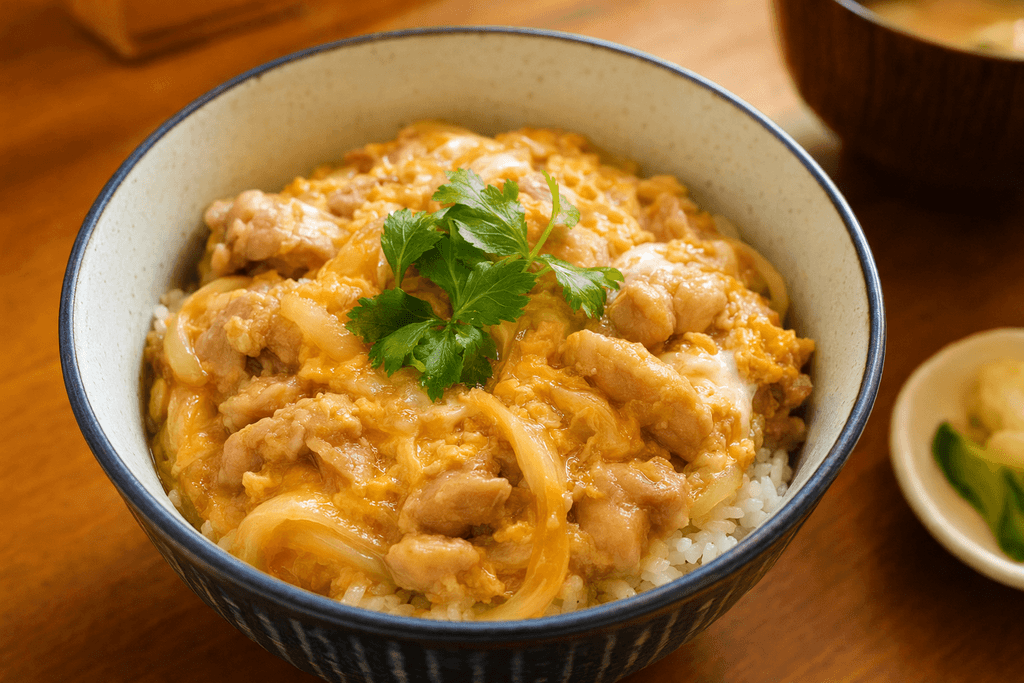
丼
විශාල බඳුන / උඩින් ව්යංජන දැමූ බත්
丼
විශාල බඳුන / උඩින් ව්යංජන දැමූ බත්
Explanation
丼
විශාල බඳුන / උඩින් ව්යංජන දැමූ බත්
丼
ඩොන්බුරි (බත් මත වර්ග වර්ගයෙන් දමා කරන ජපන් කෑම) / විශාල බඳුන; ඩොන්බුරි බඳුන
( romanization )
( hiragana )
暖める
උණුසුම් කරනවා
暖める
උණුසුම් කරනවා
Explanation
暖める
උණුසුම් කරනවා
暖める
උණුසුම් කිරීම / උණුසුම් කරගැනීම / සීතල අඩු කිරීම

Word Forms
The basic and commonly used forms of this verb.
Basic forms
| Form | Word form | Usage |
|---|---|---|
| Imperfective form (mizenkei) | Connects to endings such as nai, reru, and seru. | |
| Continuative form (renyokei) | Connects to endings such as masu, tai, and ta. | |
| Conclusive form (shushikei) | Ends a sentence and serves as the dictionary form. | |
| Attributive form (rentaikei) | Modifies a noun. | |
| Conditional form (kateikei) | Combines with ba to express a condition. | |
| Imperative form (meireikei) |
Alternative:
暖めよ
|
Expresses a command or instruction. |
Common forms
児童
ළමයින්
児童
ළමයින්
Explanation
児童
ළමයින්
児童
ප්රාථමික පාසල් ශිෂ්යයා / ළමයා; කුඩා දරුවා / (නීති) අවුරුදු 18ට අඩු නබාලයා

( Base form )
( romanization )
( kyūjitai )
( hiragana )
めちゃくちゃ
අභූත / අවුල් සහගත
めちゃくちゃ
අභූත / අවුල් සහගත
Explanation
අභූත / අවුල් සහගත
めちゃくちゃ
අර්ථ විරහිත/අසාධාරණ / අවිනීත ලෙස අවුල් වූ, ගොඩක් අපිළිවෙළ / අතිශය/අතිරික්ත ලෙස / විනාශ වී ගිය, බිඳවැටුණු

Word Forms
The basic and commonly used forms of this adjectival noun.
Basic forms
| Form | Word form | Usage |
|---|---|---|
| Imperfective form (mizenkei) |
Alternative:
滅茶苦茶だろ
|
Used in forms such as darou. |
| Continuative form (renyokei) |
Alternative:
滅茶苦茶で
めちゃくちゃに
滅茶苦茶に
|
Used with de or ni. |
| Conclusive form (shushikei) |
Alternative:
滅茶苦茶だ
|
Ends a sentence with da. |
| Attributive form (rentaikei) |
Alternative:
滅茶苦茶な
|
Modifies a noun with na. |
| Conditional form (kateikei) |
Alternative:
滅茶苦茶なら
|
Expresses a condition with nara. |
| Imperative form (meireikei) |
Alternative:
滅茶苦茶であれ
|
Used in formal expressions such as de are. |
Common forms
| Form | Word form | Usage |
|---|---|---|
| Te-form equivalent |
Alternative:
滅茶苦茶で
|
Connects clauses using de. |
| Ta-form |
Alternative:
滅茶苦茶だった
|
Expresses the past with datta. |
| Nai-form |
Alternative:
滅茶苦茶ではない
めちゃくちゃじゃない
滅茶苦茶じゃない
|
Expresses negation with dewa nai or ja nai. |
| Desu-form |
Alternative:
滅茶苦茶です
|
Used for polite speech. |
Notes
放る
විසි කරනවා / අත්හැර දමනවා
放る
විසි කරනවා / අත්හැර දමනවා
Explanation
放る
විසි කරනවා / අත්හැර දමනවා
放る
විසි කරනවා; ඉවත දමනවා / අත්හැර දමනවා; මැදින් නවත්වනවා / නොසලකා හරින්නවා; එලෙසම තබනවා

Word Forms
The basic and commonly used forms of this verb.
Basic forms
| Form | Word form | Usage |
|---|---|---|
| Imperfective form (mizenkei) |
Alternative:
放ろ
|
Connects to endings such as nai, reru, and seru. |
| Continuative form (renyokei) | Connects to endings such as masu, tai, and ta. | |
| Conclusive form (shushikei) | Ends a sentence and serves as the dictionary form. | |
| Attributive form (rentaikei) | Modifies a noun. | |
| Conditional form (kateikei) | Combines with ba to express a condition. | |
| Imperative form (meireikei) | Expresses a command or instruction. |
Common forms
こぼす
හලා දමනවා
こぼす
හලා දමනවා
Explanation
හලා දමනවා
こぼす
වැගිරවීම / කුමාරව හැරීම / කඳුළු හෙළීම / පැමිණිලි කිරීම / මැසිවිලි නැගීම

Word Forms
The basic and commonly used forms of this verb.
Basic forms
| Form | Word form | Usage |
|---|---|---|
| Imperfective form (mizenkei) |
Alternative:
こぼそ
|
Connects to endings such as nai, reru, and seru. |
| Continuative form (renyokei) | Connects to endings such as masu, tai, and ta. | |
| Conclusive form (shushikei) | Ends a sentence and serves as the dictionary form. | |
| Attributive form (rentaikei) | Modifies a noun. | |
| Conditional form (kateikei) | Combines with ba to express a condition. | |
| Imperative form (meireikei) | Expresses a command or instruction. |
Common forms
| Form | Word form | Usage |
|---|---|---|
| Te-form | Connects clauses with te. | |
| Ta-form | Expresses the past with ta. | |
| Nai-form | Expresses negation with nai. | |
| Masu-form | Used for polite speech. | |
| Ba-form | Expresses a condition with ba. | |
| Volitional form | Expresses intention or invitation. |
Notes
恨み
අමනාපය
恨み
අමනාපය
Explanation
恨み
අමනාපය
恨み
වෛරය / අමනාපය / කෝපයෙන් තදින් රඳවාගන්නා ද්වේෂය

( Base form )
( romanization )
どける
පසෙකට කරනවා
どける
පසෙකට කරනවා
Explanation
පසෙකට කරනවා
どける
ඉවතට සරවා තැබීම / බාධාවෙන් ඉවත් වීම / ඉවත් කිරීම

Word Forms
The basic and commonly used forms of this verb.
Basic forms
| Form | Word form | Usage |
|---|---|---|
| Imperfective form (mizenkei) | Connects to endings such as nai, reru, and seru. | |
| Continuative form (renyokei) | Connects to endings such as masu, tai, and ta. | |
| Conclusive form (shushikei) | Ends a sentence and serves as the dictionary form. | |
| Attributive form (rentaikei) | Modifies a noun. | |
| Conditional form (kateikei) | Combines with ba to express a condition. | |
| Imperative form (meireikei) |
Alternative:
どけよ
|
Expresses a command or instruction. |
Common forms
Loading...

JLPT N2 多言語単語帳・1790語 / JLPT N2 Multilingual Vocabulary: 1790 Words

Jonathan Waller 氏の JLPT Resources の語彙リスト・レベル分類を出典とし、CC BY の条件に従って DiQt が学習者向けに意味を作り直した1790語の単語帳です。JLPT公式の語彙リストではありません。
This collection of 1790 words is based on the vocabulary list and level classifications in Jonathan Waller’s JLPT Resources under CC BY, with meanings rewritten by DiQt for learners. It is not an official JLPT vocabulary list.
Key Operations
Select the first quiz:
Ctrl + Enter
View Explanation:Ctrl + G
Close a feedback:Esc
When selecting a quiz
Answer:Enter
Select a choice:↓ or ↑
Reading out the question:Ctrl + K
View Hint: Ctrl + M
I don't know: Ctrl + Y



