
JLPT N2 වචන අර්ථ පුහුණුව - Unsolved

පිළිතුරු විකල්ප හතරක් ඇති ප්රශ්න මඟින් JLPT N2 වචන 1790ක අර්ථ සිංහලෙන් ඉගෙන ගන්න.
-
පිළිගැනීමේ කාමරය
-
හිරු එළිය
-
මාධ්යවේදියා
-
හොඳයි
-
ඒ ගැන කනගාටුයි
-
බාධාවට සමාවෙන්න
-
ගැඹුරු වෙනවා
-
නිවනවා
-
අයත් වෙනවා
-
කඩිසරව
-
මෘදුව / නිහඬව
-
මන්දගාමීව
-
පිටත් වෙනවා
-
මෙහාට එවනවා / භාර දෙනවා
-
අනිනවා / තුඩකින් තට්ටු කරනවා
- 「命ずる」は現代語では「命じる」としても用いられる。
- 未然形「命ぜ」は「命ぜられる」「命ぜず」などで用いられることがある。
-
පිළිගැනීම
-
හිරු එළිය ලැබීම
-
ඡායාරූප ගැනීම / වීඩියෝ රූගත කිරීම
-
මව්පියන්ගේ වැඩිමහල් සහෝදරිය
-
වට්ටම
-
හුමාලය
-
වචන හරඹය / හාස්යජනක විහිළුව
-
බුමුතුරුණ
-
හුණු කූර
-
අදාළ වෙනවා / ගැළපෙනවා
-
පෙරළෙනවා
-
කර කරනවා
-
සුමෝ මල්ලවපොර
-
උපකල්පනය
-
විසුරුවා හැරීම / විසිර යෑම
オイル
තෙල්
オイル
තෙල්
Explanation
තෙල්
オイル
තෙල් / ලූබ්රිකේෂන් තෙල් / එන්ජින් තෙල්

( romanization )
何々
අසවල් / මොකක්ද
何々
අසවල් / මොකක්ද
Explanation
何々
අසවල් / මොකක්ද
何々
මෙවැනි-මෙවැනි; එවැනි-එවැනි (නම නොකියා) / මේකයි ඒකයි; එහා මෙහා / මොකක්ද? මොනවාද? (ඇඳුනුව/අභිප්රාය නියැලිව)

驚かす
පුදුමයට පත් කරනවා / බියට පත් කරනවා
驚かす
පුදුමයට පත් කරනවා / බියට පත් කරනවා
Explanation
驚かす
පුදුමයට පත් කරනවා / බියට පත් කරනවා
驚かす
පුදුමයට පත් කිරීම / අච්චරවීමක්/භීතියක් ඇති කරවීම / හදිසිව හිත අන්දමන් කිරීම

Word Forms
The basic and commonly used forms of this verb.
Basic forms
| Form | Word form | Usage |
|---|---|---|
| Imperfective form (mizenkei) |
Alternative:
驚かそ
|
Connects to endings such as nai, reru, and seru. |
| Continuative form (renyokei) | Connects to endings such as masu, tai, and ta. | |
| Conclusive form (shushikei) | Ends a sentence and serves as the dictionary form. | |
| Attributive form (rentaikei) | Modifies a noun. | |
| Conditional form (kateikei) | Combines with ba to express a condition. | |
| Imperative form (meireikei) | Expresses a command or instruction. |
Common forms
一旦
වරක් / තාවකාලිකව
一旦
වරක් / තාවකාලිකව
Explanation
一旦
වරක් / තාවකාලිකව
一旦
වරක් / තාවකාලිකව / එක් වරක් සිදුවූ විට

( Base form )
( romanization )
( hiragana )
命ずる
අණ දෙනවා / පත් කරනවා
命ずる
අණ දෙනවා / පත් කරනවා
Explanation
命ずる
අණ දෙනවා / පත් කරනවා
命ずる
ආඥා කිරීම / පත් කිරීම / නමක් දීම

Word Forms
The basic and commonly used forms of this verb.
Basic forms
| Form | Word form | Usage |
|---|---|---|
| Imperfective form (mizenkei) |
Alternative:
命ぜ
命ざ
|
Connects to endings such as nai, reru, and seru. |
| Continuative form (renyokei) | Connects to endings such as masu, tai, and ta. | |
| Conclusive form (shushikei) |
Alternative:
命じる
|
Ends a sentence and serves as the dictionary form. |
| Attributive form (rentaikei) |
Alternative:
命じる
|
Modifies a noun. |
| Conditional form (kateikei) |
Alternative:
命じれ
|
Combines with ba to express a condition. |
| Imperative form (meireikei) |
Alternative:
命じよ
命ぜよ
|
Expresses a command or instruction. |
Common forms
| Form | Word form | Usage |
|---|---|---|
| Te-form | Connects clauses with te. | |
| Ta-form | Expresses the past with ta. | |
| Nai-form |
Alternative:
命ぜない
|
Expresses negation with nai. |
| Masu-form | Used for polite speech. | |
| Ba-form |
Alternative:
命じれば
|
Expresses a condition with ba. |
| Volitional form | Expresses intention or invitation. |
Notes
損得
ලාභ අලාභ
損得
ලාභ අලාභ
Explanation
損得
ලාභ අලාභ
損得
ලාභ හා අලාභ / අහිමිවීම හා ලාභය / වාසි අවාසි

( Base form )
( romanization )
( hiragana )
交代
ආදේශනය / මාරුවෙන් මාරුවට කිරීම
交代
ආදේශනය / මාරුවෙන් මාරුවට කිරීම
Explanation
交代
ආදේශනය / මාරුවෙන් මාරුවට කිරීම
交代
මාරුවීම / ප්රතිස්ථාපනය / පිරිමැස්සීම/බාරදීම

( Base form )
( romanization )
( hiragana )
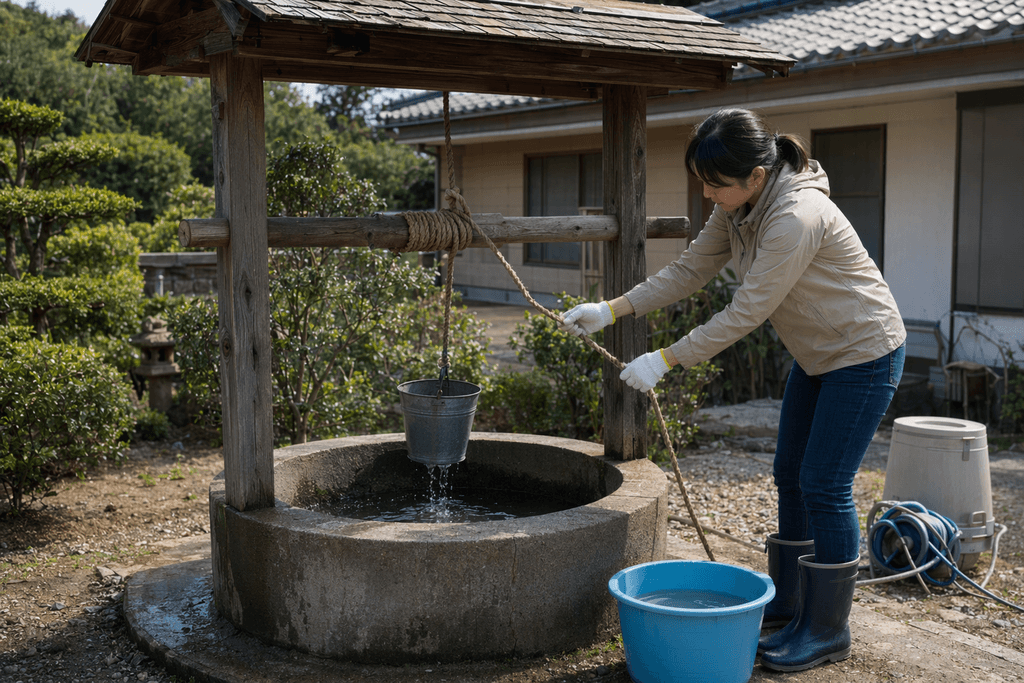
井戸
ළිඳ
井戸
ළිඳ
Explanation
井戸
ළිඳ
井戸
ළිඳ / ජල ළිඳ
( Base form )
( romanization )
( romanization )
( counter )
( hiragana historical )
( hiragana )
取り出す
පිටතට ගන්නවා
取り出す
පිටතට ගන්නවා
Explanation
取り出す
පිටතට ගන්නවා
取り出す
පිටතට ගන්නවා / උපුටා ගන්නවා / දත්ත ලබාගන්නවා

Word Forms
The basic and commonly used forms of this verb.
Basic forms
| Form | Word form | Usage |
|---|---|---|
| Imperfective form (mizenkei) |
Alternative:
取り出そ
|
Connects to endings such as nai, reru, and seru. |
| Continuative form (renyokei) | Connects to endings such as masu, tai, and ta. | |
| Conclusive form (shushikei) | Ends a sentence and serves as the dictionary form. | |
| Attributive form (rentaikei) | Modifies a noun. | |
| Conditional form (kateikei) | Combines with ba to express a condition. | |
| Imperative form (meireikei) | Expresses a command or instruction. |
Common forms
意地悪
දුෂ්ටකම
意地悪
දුෂ්ටකම
Explanation
意地悪
දුෂ්ටකම
意地悪
කුරිරුකම / අනුකම්පා රහිතකම / කැතකම/දුෂ්ටකම

( Base form )
( romanization )
( romanization )
( hiragana historical )
( hiragana )
Loading...

JLPT N2 多言語単語帳・1790語 / JLPT N2 Multilingual Vocabulary: 1790 Words

Jonathan Waller 氏の JLPT Resources の語彙リスト・レベル分類を出典とし、CC BY の条件に従って DiQt が学習者向けに意味を作り直した1790語の単語帳です。JLPT公式の語彙リストではありません。
This collection of 1790 words is based on the vocabulary list and level classifications in Jonathan Waller’s JLPT Resources under CC BY, with meanings rewritten by DiQt for learners. It is not an official JLPT vocabulary list.
Key Operations
Select the first quiz:
Ctrl + Enter
View Explanation:Ctrl + G
Close a feedback:Esc
When selecting a quiz
Answer:Enter
Select a choice:↓ or ↑
Reading out the question:Ctrl + K
View Hint: Ctrl + M
I don't know: Ctrl + Y



