
JLPT N2 වචන අර්ථ පුහුණුව - Unsolved

පිළිතුරු විකල්ප හතරක් ඇති ප්රශ්න මඟින් JLPT N2 වචන 1790ක අර්ථ සිංහලෙන් ඉගෙන ගන්න.
-
මනඃකල්පිතය
-
දෙපස
-
පනත් සම්මතය
-
ක්රියාශීලී දායකත්වය
-
මිථ්යා විශ්වාසය
-
පහත වැටීම
-
උන්නතාංශය / උසස්
-
කාලය ගතවීම
-
සම්ප්රදායික ජපන් ඇඳුම්
-
දැඩි / තදින් ආරක්ෂිත
-
අතිවිශාල
-
සරලව සිතන / සැහැල්ලු
-
අන්දමන්දව
-
තරමක්
-
මෙලෙස
-
මුද්රණ අකුර
-
උසස් තත්ත්වය
-
දකුණු ධ්රැවය / ඇන්ටාක්ටික් කලාපය
-
සුවෙන් සිටින්න
-
බලා සිටියාට ස්තුතියි
-
සව්දිය පුරමු
-
කෑගසනවා
-
කිමිදෙනවා / යටිබිම්ගත වෙනවා
-
දැනෙනවා
-
ඉස්කුරුප්පුව
-
එකතුව
-
රුධිරය
-
වැඩිමහල් පුතා
-
ශක්තිමත් කිරීම
-
වැඩිමහල් දියණිය
ボーナス
ප්රසාද දීමනාව
ボーナス
ප්රසාද දීමනාව
Explanation
ප්රසාද දීමනාව
ボーナス
අමතර මුදල් ප්රසාදය / බෝනස් දීමනාව / (ක්රීඩා) අමතර අදියර/අයිතම ප්රසාදය

( romanization )
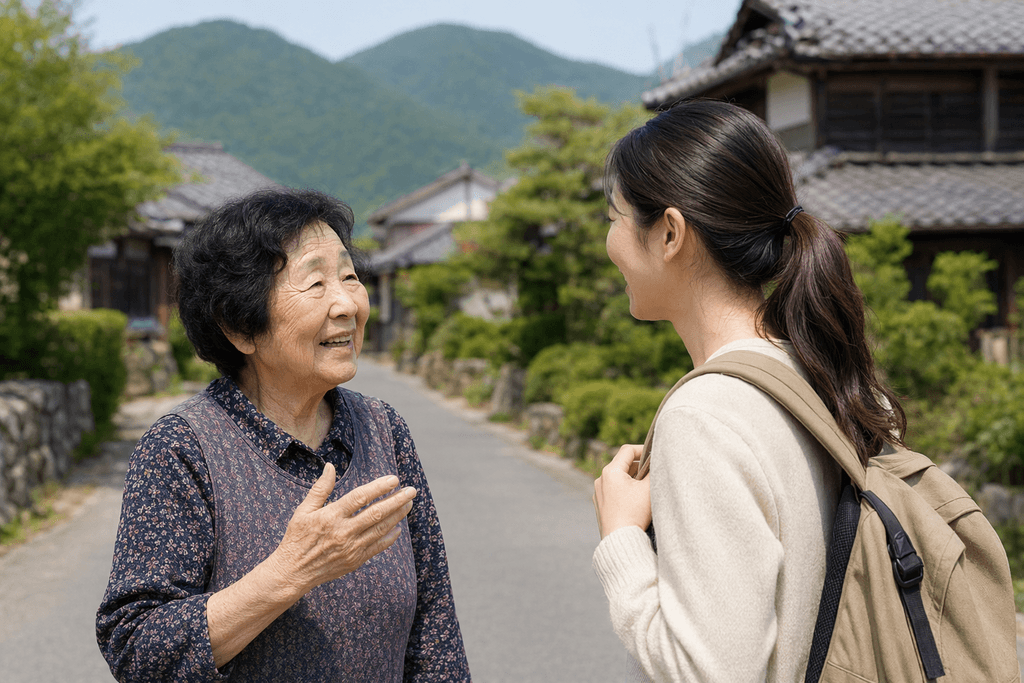
方言
උපභාෂාව
方言
උපභාෂාව
Explanation
方言
උපභාෂාව
方言
ප්රාදේශීය උපභාෂාව / ප්රාදේශීය භාෂා රටාව / ප්රාදේශීය වචන භාවිතය
( Base form )
( romanization )
( hiragana )
原理
මූලික සිද්ධාන්තය
原理
මූලික සිද්ධාන්තය
Explanation
原理
මූලික සිද්ධාන්තය
原理
මූලධර්මය / පදනම් නීතිය / ක්රියාකාරී මූලධර්මය

( Base form )
( romanization )
( hiragana )
なだらか
මඳ බෑවුම් සහිත
なだらか
මඳ බෑවුම් සහිත
Explanation
මඳ බෑවුම් සහිත
なだらか
මද ලෙස බෑවුම් වූ / මෘදු/මැද හරහා ක්රමයෙන් වෙනස් වන / නමවීම් අඩු (වක්රතාව/ඝනත්වය මෘදු)

Word Forms
The basic and commonly used forms of this adjectival noun.
Basic forms
| Form | Word form | Usage |
|---|---|---|
| Imperfective form (mizenkei) | Used in forms such as darou. | |
| Continuative form (renyokei) |
Alternative:
なだらかに
なだらかだっ
|
Used with de or ni. |
| Conclusive form (shushikei) | Ends a sentence with da. | |
| Attributive form (rentaikei) | Modifies a noun with na. | |
| Conditional form (kateikei) | Expresses a condition with nara. | |
| Imperative form (meireikei) | Used in formal expressions such as de are. |
Common forms
あくまで
අවසානය දක්වා / හුදෙක්
あくまで
අවසානය දක්වා / හුදෙක්
Explanation
අවසානය දක්වා / හුදෙක්
あくまで
අවසානය දක්වා / අන්තිමටම; පූර්ණයෙන් / දැඩි ලෙස දිගටම; නොහැර

( hiragana historical )
頂点
මුදුන
頂点
මුදුන
Explanation
頂点
මුදුන
頂点
ශිඛරය/ඉහළම ලක්ෂ්යය / (ජ්යාමිතිය) ශීර්ෂ බින්දුව / (ග්රාෆ් න්යාය) සන්ධි බින්දුව

( Base form )
( romanization )
( kyūjitai )
( hiragana )
行ってらっしゃい
හොඳින් ගිහින් එන්න
行ってらっしゃい
හොඳින් ගිහින් එන්න
Explanation
行ってらっしゃい
හොඳින් ගිහින් එන්න
行ってらっしゃい
පරිස්සමින් යන්න / ගිහිං එන්න / යනකොට පරිස්සම් වෙන්න

( Base form )
( romanization )
当てはまる
අදාළ වෙනවා / ගැළපෙනවා
当てはまる
අදාළ වෙනවා / ගැළපෙනවා
Explanation
当てはまる
අදාළ වෙනවා / ගැළපෙනවා
当てはまる
අදාළ වීම / ගැළපීම / සත්ය වීම (මෙහිදී)

Word Forms
The basic and commonly used forms of this verb.
Basic forms
| Form | Word form | Usage |
|---|---|---|
| Imperfective form (mizenkei) | Connects to endings such as nai, reru, and seru. | |
| Continuative form (renyokei) | Connects to endings such as masu, tai, and ta. | |
| Conclusive form (shushikei) | Ends a sentence and serves as the dictionary form. | |
| Attributive form (rentaikei) | Modifies a noun. | |
| Conditional form (kateikei) | Combines with ba to express a condition. | |
| Imperative form (meireikei) | Expresses a command or instruction. |
Common forms
フライパン
කබල
フライパン
කබල
Explanation
කබල
フライパン
බැදීමට භාවිතා කරන පෑන් / බැදුම් පෑන්

( romanization )
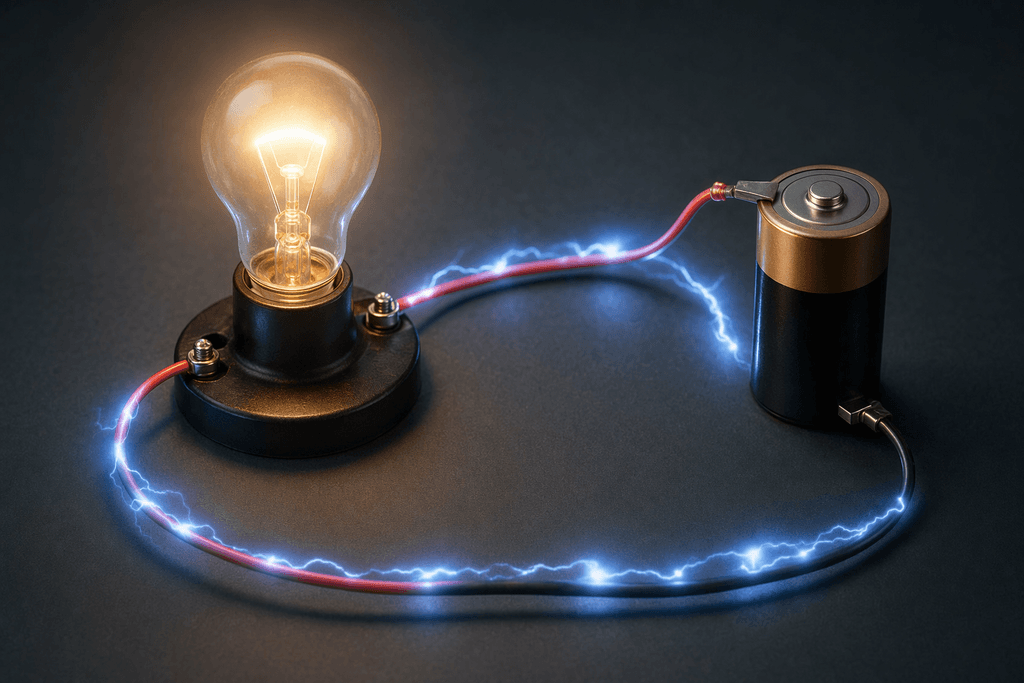
電流
විදුලි ධාරාව
電流
විදුලි ධාරාව
Explanation
電流
විදුලි ධාරාව
電流
විදුත් ප්රවාහය / විදුත් ධාරාව
( Base form )
( romanization )
( romanization )
( hiragana historical )
( hiragana )
Loading...

JLPT N2 多言語単語帳・1790語 / JLPT N2 Multilingual Vocabulary: 1790 Words

Jonathan Waller 氏の JLPT Resources の語彙リスト・レベル分類を出典とし、CC BY の条件に従って DiQt が学習者向けに意味を作り直した1790語の単語帳です。JLPT公式の語彙リストではありません。
This collection of 1790 words is based on the vocabulary list and level classifications in Jonathan Waller’s JLPT Resources under CC BY, with meanings rewritten by DiQt for learners. It is not an official JLPT vocabulary list.
Key Operations
Select the first quiz:
Ctrl + Enter
View Explanation:Ctrl + G
Close a feedback:Esc
When selecting a quiz
Answer:Enter
Select a choice:↓ or ↑
Reading out the question:Ctrl + K
View Hint: Ctrl + M
I don't know: Ctrl + Y



