
JLPT N2 වචන අර්ථ පුහුණුව - Unsolved

පිළිතුරු විකල්ප හතරක් ඇති ප්රශ්න මඟින් JLPT N2 වචන 1790ක අර්ථ සිංහලෙන් ඉගෙන ගන්න.
-
දකුණු ධ්රැවය / ඇන්ටාක්ටික් කලාපය
-
සංසරණය / චක්රය
-
නම් කිරීම / නියම කිරීම
-
ධාරිතාව
-
ගෙල පළඳින ලේන්සුව
-
සම
-
උණු කර දිය කරනවා / ද්රාවණය කරනවා
-
ඇල වෙනවා / යොමු වෙනවා
-
කඩා දමනවා / මාරු කාසි ලබා ගන්නවා
- 「感ずる」は現代語では「感じる」と並行して用いられる、〜ずる型のサ変系動詞。
- 未然形「感ぜ」は「感ぜず」「感ぜられる」などで用いられるやや硬い形。
-
රූපසටහන
-
ක්රියාශීලී දායකත්වය
-
අභ්යන්තර දුරකථන අංකය
-
ආශා කරනවා / ආදර්ශයක් ලෙස සලකනවා
-
අතර තද කර තබනවා / ඇතුළු කරනවා
-
කෑම තම්බනවා
-
අළු පාට
-
විශ්වකෝෂය
-
එක්වීම / ඒකාබද්ධ ක්රියාව
-
හද ගැස්ම වැඩිවී
-
ඉබේම
-
කැපී පෙනෙන ලෙස
-
ආරම්භක මට්ටම
-
සේවා කවුළුව
-
දිනය හා වේලාව
-
මිශ්ර කරනවා
-
වෙහෙසට පත් වෙනවා / දිරාපත් වෙනවා
-
ඇතුළට එබෙනවා / කලකිරෙනවා
-
වහාම පසුව
-
නිතිපතා වසා තබන දිනය
-
සැලසුම් රැස්වීම
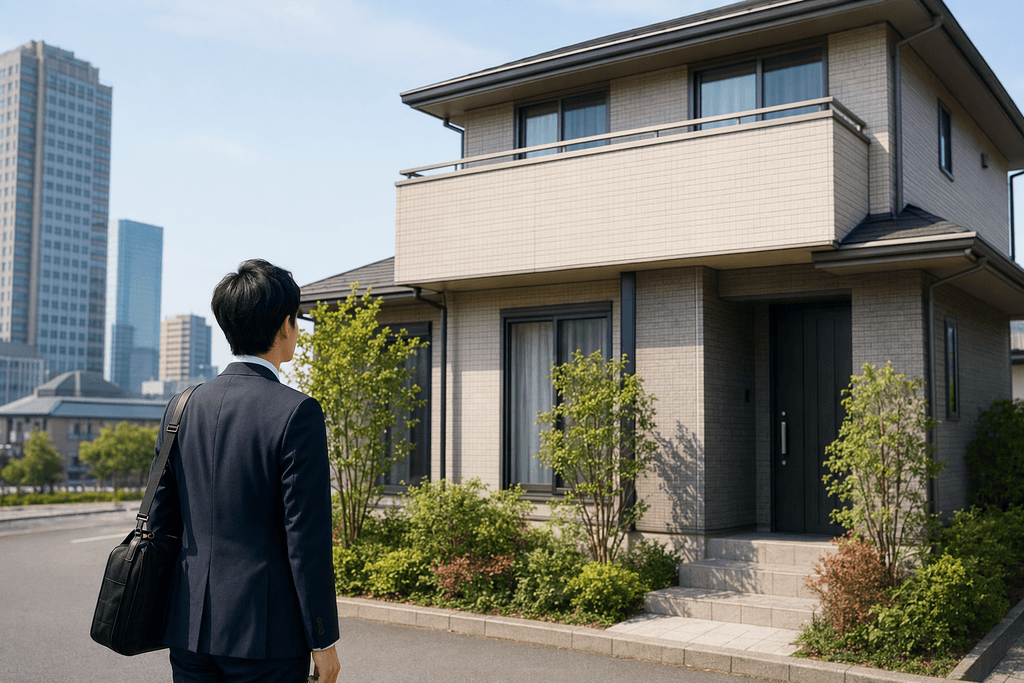
住居
වාසස්ථානය
住居
වාසස්ථානය
Explanation
住居
වාසස්ථානය
住居
නිවාසය / වාසස්ථානය / වාසභූමිය
( Base form )
( romanization )
( hiragana )
育児
ළමා රැකවරණය
育児
ළමා රැකවරණය
Explanation
育児
ළමා රැකවරණය
育児
දරුවන් පෝෂණය කිරීම / දරුවන් වැඩිදියුණු කර පාලනය කිරීම / ළමා රැකබලා ගැනීම
දරුවන්ගේ රැකවරණය සහ රැකියාව දෙකම එකට පවත්වාගෙන යාම සඳහා, අපි සැමියා‑භාර්යාවන් ලෙස ගෘහකාර්ය බෙදාගෙන කරන අතර සෑම සතියකම අපගේ සැලසුම් ගැන කතාබහ කරගෙන සිටිමු.

( Base form )
( romanization )
( kyūjitai )
( hiragana )
感ずる
දැනෙනවා
感ずる
දැනෙනවා
Explanation
感ずる
දැනෙනවා
感ずる
හැඟෙයි / අනුභව කරයි / සංවේදනය කරයි

Word Forms
The basic and commonly used forms of this verb.
Basic forms
| Form | Word form | Usage |
|---|---|---|
| Imperfective form (mizenkei) |
Alternative:
感ぜ
|
Connects to endings such as nai, reru, and seru. |
| Continuative form (renyokei) | Connects to endings such as masu, tai, and ta. | |
| Conclusive form (shushikei) | Ends a sentence and serves as the dictionary form. | |
| Attributive form (rentaikei) | Modifies a noun. | |
| Conditional form (kateikei) | Combines with ba to express a condition. | |
| Imperative form (meireikei) |
Alternative:
感じよ
感ぜよ
|
Expresses a command or instruction. |
Common forms
| Form | Word form | Usage |
|---|---|---|
| Te-form | Connects clauses with te. | |
| Ta-form | Expresses the past with ta. | |
| Nai-form |
Alternative:
感ぜない
|
Expresses negation with nai. |
| Masu-form | Used for polite speech. | |
| Ba-form | Expresses a condition with ba. | |
| Volitional form | Expresses intention or invitation. |
Notes
扇子
නවන විජිනිපත
扇子
නවන විජිනිපත
Explanation
扇子
නවන විජිනිපත
扇子
අතින් අල්ලන පත්රාකාර ලෙස දිගහැරෙන පංකාව / හැකිළි-දිගහැරෙන අතිපංකාව

( Base form )
( romanization )
( hiragana )
傾く
ඇල වෙනවා / යොමු වෙනවා
傾く
ඇල වෙනවා / යොමු වෙනවා
Explanation
傾く
ඇල වෙනවා / යොමු වෙනවා
傾く
ඇලවී යාම; පැත්තකට වළලීම / පක්ෂපාත වීම; කැමැත්ත වීම / අඩුවීම; බිඳවැටීම; (සූර්ය/චන්ද්ර) බැස යාම

Word Forms
The basic and commonly used forms of this verb.
Basic forms
| Form | Word form | Usage |
|---|---|---|
| Imperfective form (mizenkei) | Connects to endings such as nai, reru, and seru. | |
| Continuative form (renyokei) |
Alternative:
傾い
|
Connects to endings such as masu, tai, and ta. |
| Conclusive form (shushikei) | Ends a sentence and serves as the dictionary form. | |
| Attributive form (rentaikei) | Modifies a noun. | |
| Conditional form (kateikei) | Combines with ba to express a condition. | |
| Imperative form (meireikei) | Expresses a command or instruction. |
Common forms
実績
කාර්ය සාධන වාර්තාව / ප්රතිඵල
実績
කාර්ය සාධන වාර්තාව / ප්රතිඵල
Explanation
実績
කාර්ය සාධන වාර්තාව / ප්රතිඵල
実績
ජයග්රහණ/කාර්යසාධන / සැබෑ ප්රතිඵල / සාර්ථක වාර්තාව (ක්රියාදාම ප්රතිඵල)

( Base form )
( romanization )
( kyūjitai )
( hiragana )
一段と
තවත් වැඩියෙන්
一段と
තවත් වැඩියෙන්
Explanation
一段と
තවත් වැඩියෙන්
一段と
තවත් බොහෝ වැඩියෙන් / ගණනාවකට වැඩි ලෙස / පැහැදිලිවම වැඩි ලෙස

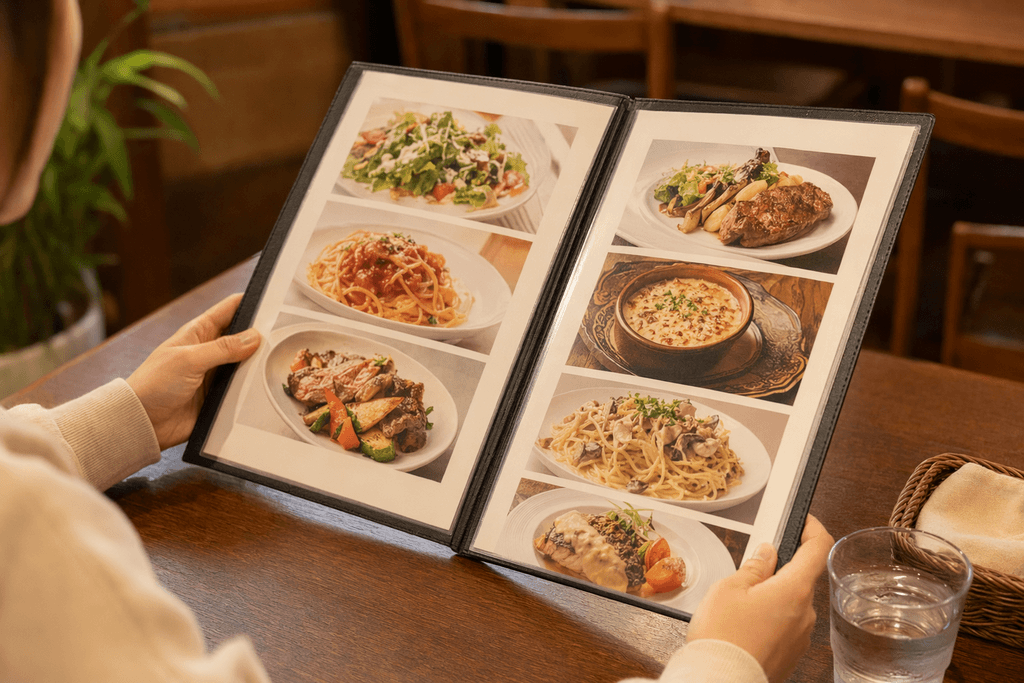
メニュー
මෙනු පත
メニュー
මෙනු පත
Explanation
මෙනු පත
メニュー
මෙනුව / ආහාර ලැයිස්තුව / විකල්ප ලැයිස්තුව
( romanization )
逸れる
බැහැර වෙනවා / මාර්ගයෙන් ඉවත් වෙනවා
逸れる
බැහැර වෙනවා / මාර්ගයෙන් ඉවත් වෙනවා
Explanation
逸れる
බැහැර වෙනවා / මාර්ගයෙන් ඉවත් වෙනවා
逸れる
මගින් පිටවීම / ඉවතට වැටීම / අතුරුදහන්ව එහාමෙහා ගමන් කිරීම

Word Forms
The basic and commonly used forms of this verb.
Basic forms
| Form | Word form | Usage |
|---|---|---|
| Imperfective form (mizenkei) | Connects to endings such as nai, reru, and seru. | |
| Continuative form (renyokei) | Connects to endings such as masu, tai, and ta. | |
| Conclusive form (shushikei) | Ends a sentence and serves as the dictionary form. | |
| Attributive form (rentaikei) | Modifies a noun. | |
| Conditional form (kateikei) | Combines with ba to express a condition. | |
| Imperative form (meireikei) |
Alternative:
逸れよ
|
Expresses a command or instruction. |
Common forms
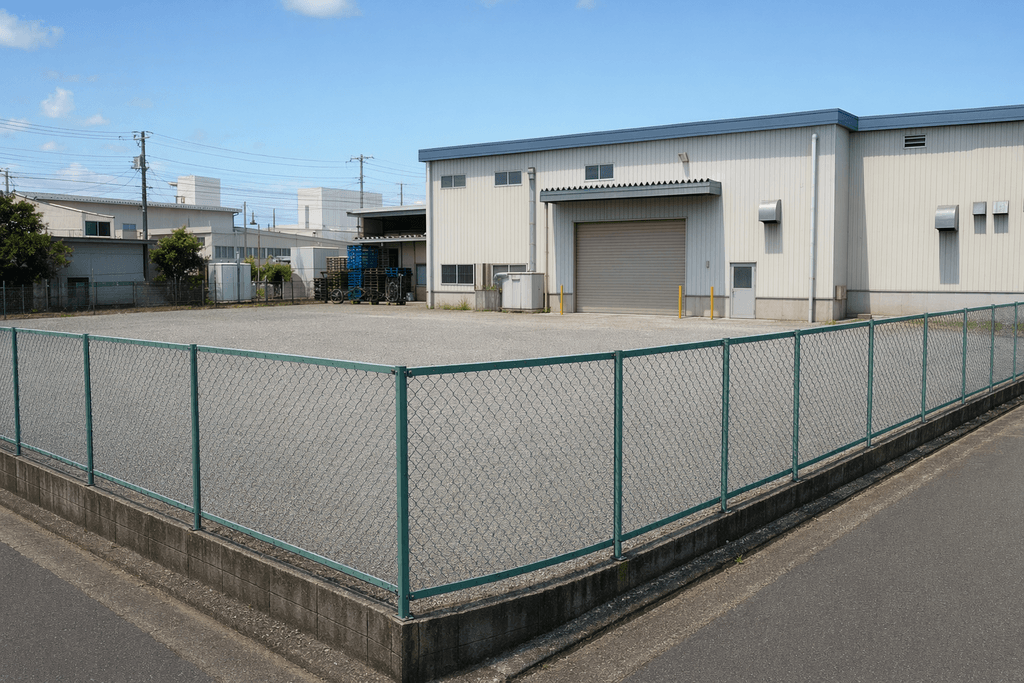
敷地
ගොඩනැගිලි භූමිය
敷地
ගොඩනැගිලි භූමිය
Explanation
敷地
ගොඩනැගිලි භූමිය
敷地
භූමි භාගය / පරිශ්රය / ගොඩනැගිල්ල සඳහා ඉඩම
( Base form )
( romanization )
( hiragana )
Loading...

JLPT N2 多言語単語帳・1790語 / JLPT N2 Multilingual Vocabulary: 1790 Words

Jonathan Waller 氏の JLPT Resources の語彙リスト・レベル分類を出典とし、CC BY の条件に従って DiQt が学習者向けに意味を作り直した1790語の単語帳です。JLPT公式の語彙リストではありません。
This collection of 1790 words is based on the vocabulary list and level classifications in Jonathan Waller’s JLPT Resources under CC BY, with meanings rewritten by DiQt for learners. It is not an official JLPT vocabulary list.
Key Operations
Select the first quiz:
Ctrl + Enter
View Explanation:Ctrl + G
Close a feedback:Esc
When selecting a quiz
Answer:Enter
Select a choice:↓ or ↑
Reading out the question:Ctrl + K
View Hint: Ctrl + M
I don't know: Ctrl + Y



