
JLPT N2 වචන අර්ථ පුහුණුව - Unsolved

පිළිතුරු විකල්ප හතරක් ඇති ප්රශ්න මඟින් JLPT N2 වචන 1790ක අර්ථ සිංහලෙන් ඉගෙන ගන්න.
-
අතිවිශාල
-
හතරැස්
-
කැමැත්ත අනුව තීරණය වන දේ
- 名詞的にも用いられる語で、「仲良しの友達」のように連体修飾では「の」もよく使われます。
-
භෝජන සංග්රහය
-
ලකුණු
-
ෆාමසිය
-
නිෂ්පාදනය
-
ගම්මිරිස්
-
සෙන්ටිමීටරය
-
වලාකුළු රහිත කාලගුණය
-
සම්මන්ත්රණ පන්තිය
-
ගබඩා කාමරය
-
පුළුල් භාවිතය
-
පදිංචි ස්ථානය
-
දුර්වලකම / අවාසිය
-
ටිෂූ / වැසිකිළි කඩදාසි
-
ඇඳ ඇතිරිල්ල
-
ප්රසිද්ධ නිවේදනය
-
සුවඳ විලවුන්
-
හුමාලය
-
සැලසුම් රැස්වීම
-
පැටලෙනවා / රැවටෙනවා
-
නිම වෙනවා
-
මුද්රිතව පළ වෙනවා
-
ආකාරය / ආකෘතිය
-
රික්තය
-
සාකච්ඡාව
-
හිරගනා අක්ෂර
-
සැබෑ හැකියාව / බලය
-
විකුණුම් ආදායම
仲良し
සමීප මිතුරා
仲良し
සමීප මිතුරා
Explanation
仲良し
සමීප මිතුරා
仲良し
හොඳ සම්බන්ධතාවයක් ඇති / හොඳට එකඟව සිටින / හොඳ මිතුරන්

Word Forms
The basic and commonly used forms of this adjectival noun.
Basic forms
| Form | Word form | Usage |
|---|---|---|
| Imperfective form (mizenkei) | Used in forms such as darou. | |
| Continuative form (renyokei) |
Alternative:
仲良しに
|
Used with de or ni. |
| Conclusive form (shushikei) | Ends a sentence with da. | |
| Attributive form (rentaikei) |
Alternative:
仲良しの
|
Modifies a noun with na. |
| Conditional form (kateikei) | Expresses a condition with nara. | |
| Imperative form (meireikei) | Used in formal expressions such as de are. |
Common forms
| Form | Word form | Usage |
|---|---|---|
| Te-form equivalent | Connects clauses using de. | |
| Ta-form | Expresses the past with datta. | |
| Nai-form |
Alternative:
仲良しじゃない
|
Expresses negation with dewa nai or ja nai. |
| Desu-form | Used for polite speech. |
Notes
気配
ලකුණ / සිටින බවේ හැඟීම
気配
ලකුණ / සිටින බවේ හැඟීම
Explanation
気配
ලකුණ / සිටින බවේ හැඟීම
気配
ලකුණ/ඉඟිය / පැමිණීමේ සංඥාව/ඉන්න බවට හැඟීම / වෙළඳපොළ ප්රවණතාව/තත්ත්වය

( Base form )
( romanization )
( kyūjitai )
( hiragana )
磁石
චුම්බකය
磁石
චුම්බකය
Explanation
磁石
චුම්බකය
磁石
චුම්බකය / චුම්බක ගල් / චුම්බක ද්රව්යයක්

( Base form )
( romanization )
( hiragana )
投書
කතුවරයාට ලියුම
投書
කතුවරයාට ලියුම
Explanation
投書
කතුවරයාට ලියුම
投書
සංස්කාරකයාට යවන ලිපිය / ප්රතිවිරෝධ ලිපිය / පැමිණිලි ලිපිය

( Base form )
( romanization )
( stem )
( Past )
( table-tags )
( inflection-template )
( imperfective stem )
( imperfective stem )
( imperfective )
( continuative stem )
( continuative stem )
( continuative )
( stem terminative )
( stem terminative )
( terminative )
( attributive stem )
( attributive stem )
( attributive )
( hypothetical stem )
( hypothetical stem )
( hypothetical )
( Imperative literary stem )
( colloquial Imperative stem )
( Imperative literary stem )
( colloquial Imperative stem )
( Imperative literary )
( colloquial Imperative )
( Passive voice )
( Passive voice )
( Passive voice )
( causative )
( causative )
( causative )
( causative )
( causative )
( causative )
( potential )
( potential )
( potential )
( volitional )
( volitional )
( volitional )
( negative )
( negative )
( negative )
( continuative negative )
( continuative negative )
( continuative negative )
( formal )
( formal )
( formal )
( perfective )
( perfective )
( perfective )
( conjunctive )
( conjunctive )
( conjunctive )
( Conditional hypothetical )
( Conditional hypothetical )
( Conditional hypothetical )
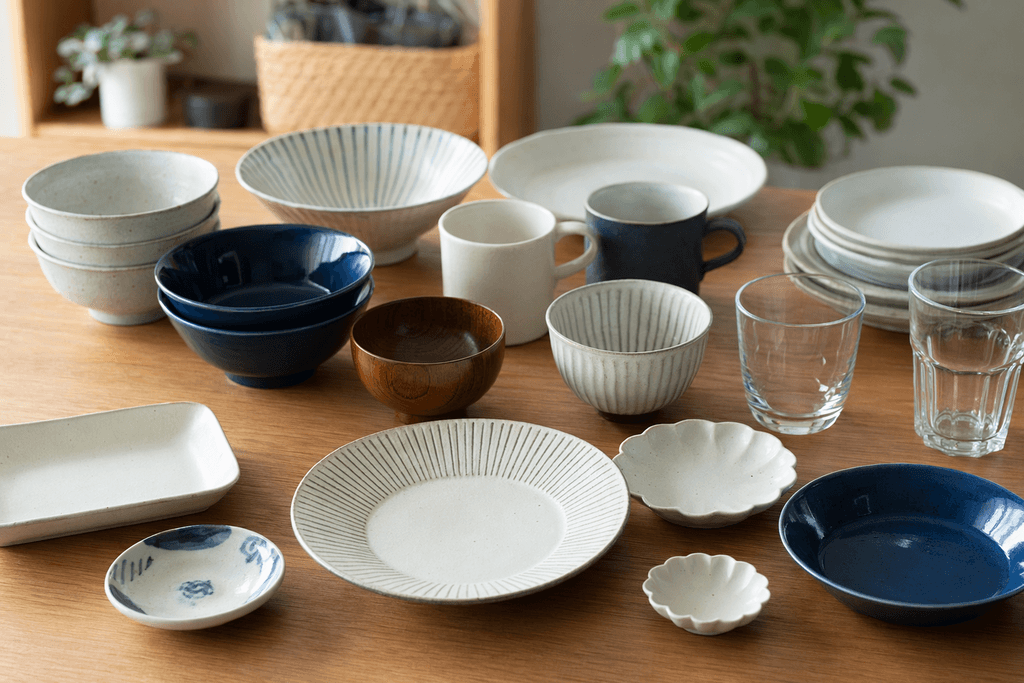
食器
පිඟන් කෝප්ප
食器
පිඟන් කෝප්ප
Explanation
食器
පිඟන් කෝප්ප
食器
මේස භාජන / කෑම තැබීමට/කෑම ගැනීමට භාවිත වන භාජන / බඳුන් (කප්, පිඟන් ආදිය)
( Base form )
( romanization )
( hiragana )
円周
වෘත්ත පරිධිය
円周
වෘත්ත පරිධිය
Explanation
円周
වෘත්ත පරිධිය
円周
වෘත්ත පරිධිය / වෘත්තයේ වට දිග / වටපිට ප්රමාණය

( Base form )
( romanization )
( romanization )
( hiragana historical )
( hiragana )
募集
බඳවා ගැනීම
募集
බඳවා ගැනීම
Explanation
募集
බඳවා ගැනීම
募集
බඳවා ගැනීම / අයදුම්පත් කැඳවීම / ඉල්ලීම් කර එකතු කිරීම (දාන, අත්සන් වැනි) / මුදල් එකතු කිරීම / අරමුදල් රැස් කිරීම

( Base form )
( romanization )
( hiragana )
着せる
කෙනෙකුට ඇඳුම් අන්දවනවා
着せる
කෙනෙකුට ඇඳුම් අන්දවනවා
Explanation
着せる
කෙනෙකුට ඇඳුම් අන්දවනවා
着せる
(අනෙක් කෙනෙකුට) ඇඳුම් අඳවන්න / (වස්තුවක් මත) ආලේප කරන්න/උඩින් පටලයක් දාන්න / (වරද, වගකීම, ණය) කෙනෙකුට පවරා දමන්න/අල්ලවන්න

Word Forms
The basic and commonly used forms of this verb.
Basic forms
| Form | Word form | Usage |
|---|---|---|
| Imperfective form (mizenkei) | Connects to endings such as nai, reru, and seru. | |
| Continuative form (renyokei) | Connects to endings such as masu, tai, and ta. | |
| Conclusive form (shushikei) | Ends a sentence and serves as the dictionary form. | |
| Attributive form (rentaikei) | Modifies a noun. | |
| Conditional form (kateikei) | Combines with ba to express a condition. | |
| Imperative form (meireikei) |
Alternative:
着せよ
|
Expresses a command or instruction. |
Common forms
出勤
වැඩට යාම
出勤
වැඩට යාම
Explanation
出勤
වැඩට යාම
出勤
කාර්යාලයට/වැඩට පැමිණීම / වැඩට යෑම

( Base form )
( romanization )
( hiragana )
漢和
කන්ජි ජපන්
漢和
කන්ජි ජපන්
Explanation
漢和
කන්ජි ජපන්
漢和
චීනය හා ජපානය / චීන–ජපන් (සම්බන්ධ/භාෂා) / චීන–ජපන් ශබ්දකෝෂය (漢和辞典)

( Base form )
( romanization )
( hiragana )
Loading...

JLPT N2 多言語単語帳・1790語 / JLPT N2 Multilingual Vocabulary: 1790 Words

Jonathan Waller 氏の JLPT Resources の語彙リスト・レベル分類を出典とし、CC BY の条件に従って DiQt が学習者向けに意味を作り直した1790語の単語帳です。JLPT公式の語彙リストではありません。
This collection of 1790 words is based on the vocabulary list and level classifications in Jonathan Waller’s JLPT Resources under CC BY, with meanings rewritten by DiQt for learners. It is not an official JLPT vocabulary list.
Key Operations
Select the first quiz:
Ctrl + Enter
View Explanation:Ctrl + G
Close a feedback:Esc
When selecting a quiz
Answer:Enter
Select a choice:↓ or ↑
Reading out the question:Ctrl + K
View Hint: Ctrl + M
I don't know: Ctrl + Y



