
JLPT N2 වචන අර්ථ පුහුණුව - Unsolved

පිළිතුරු විකල්ප හතරක් ඇති ප්රශ්න මඟින් JLPT N2 වචන 1790ක අර්ථ සිංහලෙන් ඉගෙන ගන්න.
-
ආකාරය / ආකෘතිය
-
ගුවන් සේවිකාව
-
සාගතය
-
මිනිත්තු කීයක්ද
-
විශිෂ්ට නිර්මාණය
-
පසෙකින් ගමන් කිරීම / එකවර සිදු වීම
-
ඉදිරිපස / කෙළින්ම ඉදිරිය
-
එක්රැස් වීම / කුලකය
-
පෞද්ගලික අංශය / සිවිල් වැසියන්
-
දුම් කවුළුව
-
විසුරුවා හැරීම / විසිර යෑම
-
රැගෙන ඒම
-
එල්ලා තබනවා
-
ඇතුළ පිට පෙරළනවා / පෙරළනවා
-
හේත්තු වෙනවා / බඩ බර වෙනවා
- 「接する」は主にサ行変格活用として用いられる。
- 未然形「接せ」は「接せず」などで用いられる。
-
සතුටින් සිනාසෙමින්
-
ඉන්පසු
-
ගැඹුරින් / තදින්ම
-
පසෙකට යනවා
-
බාධා කරනවා / වළක්වනවා
-
එකිනෙකා පසුකර යනවා / එකඟ නොවෙනවා
-
විරාම ලකුණු
-
අක්ෂර කලාව සඳහා තීන්ත
-
ජපන් අක්ෂර මාලාව
-
පුළුල් භාවිතය
-
නම් කිරීම / නියම කිරීම
-
පාසල් විද්යාව
-
ලේඛන ශෛලිය
-
නිල අයදුම්පත
-
දේදුන්න
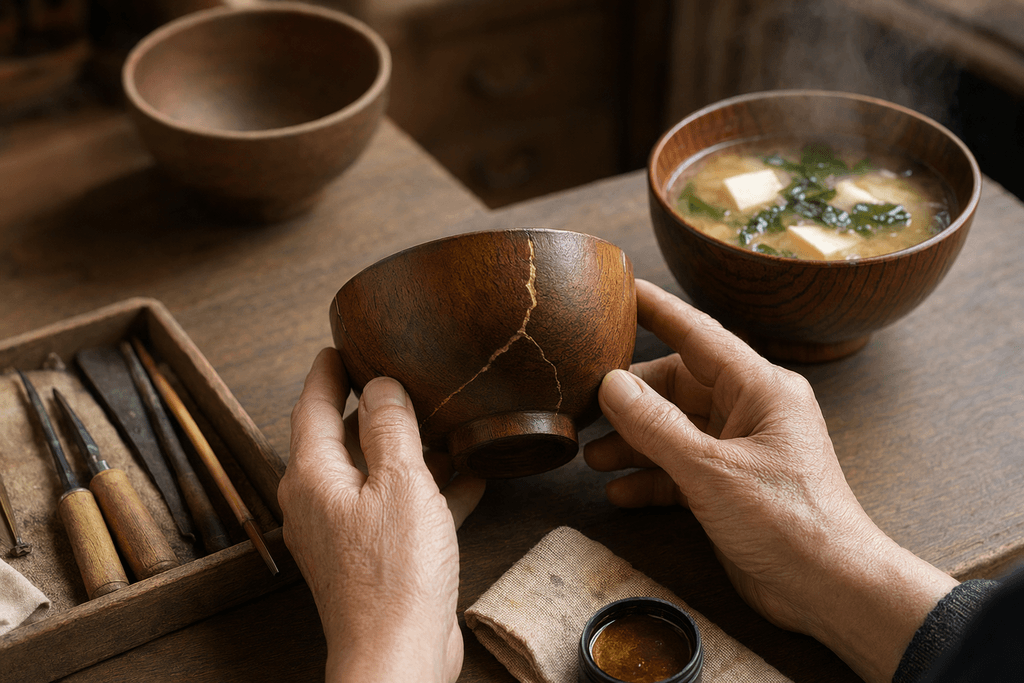
椀
ලී සුප් බඳුන
椀
ලී සුප් බඳුන
Explanation
椀
ලී සුප් බඳුන
椀
ලැකර් පෑයූ ලී බඳුන / සුප් බඳුන (ලී/ලැකර්)
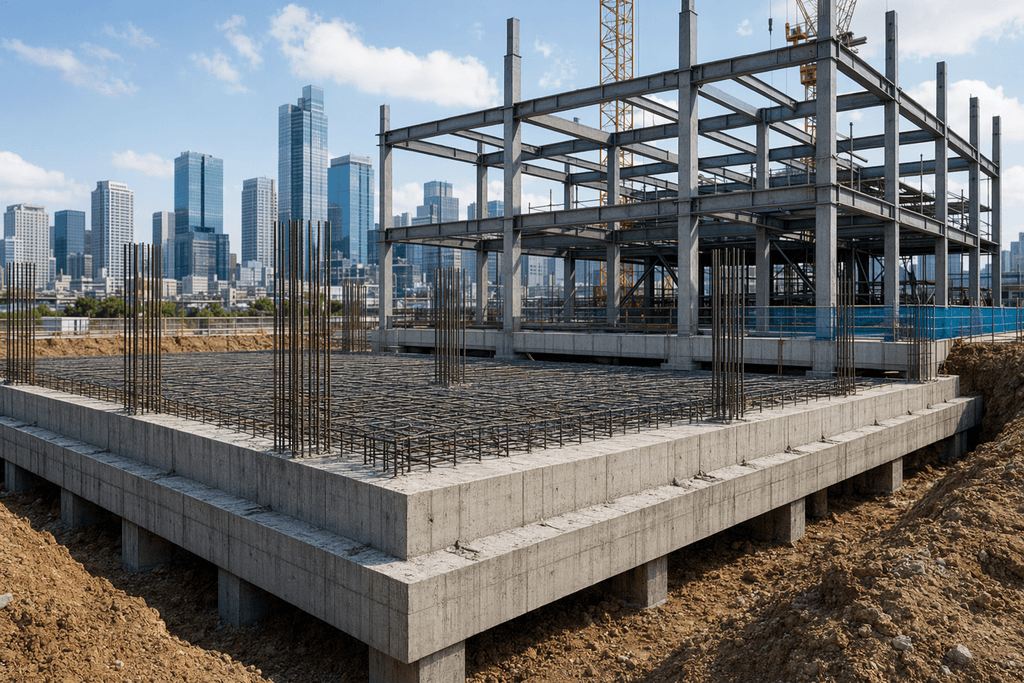
基盤
පදනම
基盤
පදනම
Explanation
基盤
පදනම
基盤
පදනම / මූලික තට්ටුව/මූලික ව්යුහය / (පරිගණක) වේදිකාව/ප්ලැට්ෆෝමය
( Base form )
( romanization )
( hiragana )
言葉遣い
වචන භාවිතය / කතා විලාසය
言葉遣い
වචන භාවිතය / කතා විලාසය
Explanation
言葉遣い
වචන භාවිතය / කතා විලාසය
言葉遣い
වචන භාවිතය / කථා කරන ආකාරය / වචන රටාව

( Base form )
( romanization )
( romanization )
( hiragana historical )
反映
පිළිබිඹුව / බලපෑම
反映
පිළිබිඹුව / බලපෑම
Explanation
反映
පිළිබිඹුව / බලපෑම
反映
ප්රතිබිම්බනය / ප්රතිඵල වශයෙන් පෙනීසිටීම / පිළිබිඹුව

( Base form )
( romanization )
( stem )
( Past )
( table-tags )
( inflection-template )
( imperfective stem )
( imperfective stem )
( imperfective )
( continuative stem )
( continuative stem )
( continuative )
( stem terminative )
( stem terminative )
( terminative )
( attributive stem )
( attributive stem )
( attributive )
( hypothetical stem )
( hypothetical stem )
( hypothetical )
( Imperative literary stem )
( colloquial Imperative stem )
( Imperative literary stem )
( colloquial Imperative stem )
( Imperative literary )
( colloquial Imperative )
( Passive voice )
( Passive voice )
( Passive voice )
( causative )
( causative )
( causative )
( causative )
( causative )
( causative )
( potential )
( potential )
( potential )
( volitional )
( volitional )
( volitional )
( negative )
( negative )
( negative )
( continuative negative )
( continuative negative )
( continuative negative )
( formal )
( formal )
( formal )
( perfective )
( perfective )
( perfective )
( conjunctive )
( conjunctive )
( conjunctive )
( Conditional hypothetical )
( Conditional hypothetical )
( Conditional hypothetical )
接する
ස්පර්ශ කරනවා / කටයුතු කරනවා
接する
ස්පර්ශ කරනවා / කටයුතු කරනවා
Explanation
接する
ස්පර්ශ කරනවා / කටයුතු කරනවා
接する
ස්පර්ශ වීම / සම්බන්ධ වීම / සම්බන්ධකම් පැවැත්වීම / රැකබලා සේවා කිරීම / හසුරවීම

Word Forms
The basic and commonly used forms of this verb.
Basic forms
| Form | Word form | Usage |
|---|---|---|
| Imperfective form (mizenkei) |
Alternative:
接せ
接さ
|
Connects to endings such as nai, reru, and seru. |
| Continuative form (renyokei) | Connects to endings such as masu, tai, and ta. | |
| Conclusive form (shushikei) | Ends a sentence and serves as the dictionary form. | |
| Attributive form (rentaikei) | Modifies a noun. | |
| Conditional form (kateikei) | Combines with ba to express a condition. | |
| Imperative form (meireikei) |
Alternative:
接せよ
|
Expresses a command or instruction. |
Common forms
| Form | Word form | Usage |
|---|---|---|
| Te-form | Connects clauses with te. | |
| Ta-form | Expresses the past with ta. | |
| Nai-form |
Alternative:
接さない
|
Expresses negation with nai. |
| Masu-form | Used for polite speech. | |
| Ba-form | Expresses a condition with ba. | |
| Volitional form | Expresses intention or invitation. |
Notes
こっそり
හොර රහසේ
こっそり
හොර රහසේ
Explanation
හොර රහසේ
こっそり
රහසිගතව / හොරෙන් / නිහඬව සැඟවී

( romanization )
腰掛ける
වාඩි වෙනවා
腰掛ける
වාඩි වෙනවා
Explanation
腰掛ける
වාඩි වෙනවා
腰掛ける
වාඩිවීම / අසුන් ගැනීම / සිටින්නට වාඩිවීම

Word Forms
The basic and commonly used forms of this verb.
Basic forms
| Form | Word form | Usage |
|---|---|---|
| Imperfective form (mizenkei) |
Alternative:
腰かけ
|
Connects to endings such as nai, reru, and seru. |
| Continuative form (renyokei) |
Alternative:
腰かけ
|
Connects to endings such as masu, tai, and ta. |
| Conclusive form (shushikei) |
Alternative:
腰かける
|
Ends a sentence and serves as the dictionary form. |
| Attributive form (rentaikei) |
Alternative:
腰かける
|
Modifies a noun. |
| Conditional form (kateikei) |
Alternative:
腰かけれ
|
Combines with ba to express a condition. |
| Imperative form (meireikei) |
Alternative:
腰掛けよ
腰かけろ
腰かけよ
|
Expresses a command or instruction. |
Common forms
| Form | Word form | Usage |
|---|---|---|
| Te-form |
Alternative:
腰かけて
|
Connects clauses with te. |
| Ta-form |
Alternative:
腰かけた
|
Expresses the past with ta. |
| Nai-form |
Alternative:
腰かけない
|
Expresses negation with nai. |
| Masu-form |
Alternative:
腰かけます
|
Used for polite speech. |
| Ba-form |
Alternative:
腰かければ
|
Expresses a condition with ba. |
| Volitional form |
Alternative:
腰かけよう
|
Expresses intention or invitation. |
ランチ
දවල් ආහාරය
ランチ
දවල් ආහාරය
Explanation
දවල් ආහාරය
ランチ
මධ්යහන ආහාරය / දවල් කෑම / ලන්ච්

( romanization )
じゅうたん
බුමුතුරුණ
じゅうたん
බුමුතුරුණ
Explanation
බුමුතුරුණ
じゅうたん
ගලීචා / කාපට්

( romanization )
商店
සාප්පුව
商店
සාප්පුව
Explanation
商店
සාප්පුව
商店
කඩය / වෙළඳසැල / සිල්ලර වෙළඳසැල

( Base form )
( romanization )
( hiragana )
Loading...

JLPT N2 多言語単語帳・1790語 / JLPT N2 Multilingual Vocabulary: 1790 Words

Jonathan Waller 氏の JLPT Resources の語彙リスト・レベル分類を出典とし、CC BY の条件に従って DiQt が学習者向けに意味を作り直した1790語の単語帳です。JLPT公式の語彙リストではありません。
This collection of 1790 words is based on the vocabulary list and level classifications in Jonathan Waller’s JLPT Resources under CC BY, with meanings rewritten by DiQt for learners. It is not an official JLPT vocabulary list.
Key Operations
Select the first quiz:
Ctrl + Enter
View Explanation:Ctrl + G
Close a feedback:Esc
When selecting a quiz
Answer:Enter
Select a choice:↓ or ↑
Reading out the question:Ctrl + K
View Hint: Ctrl + M
I don't know: Ctrl + Y



