
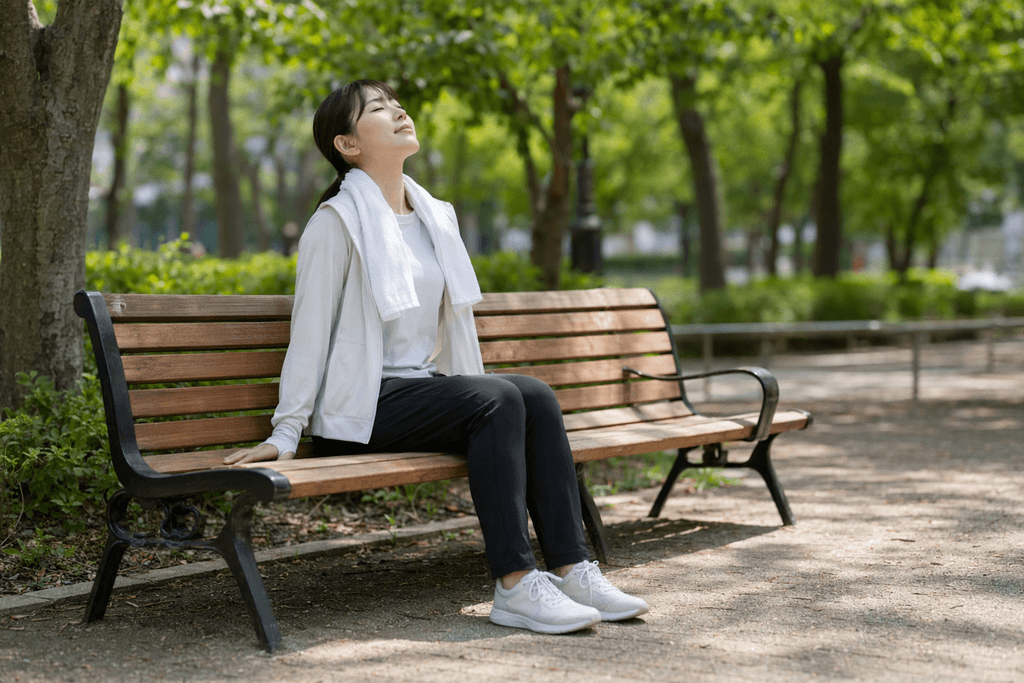
腰掛ける
sit down
(椅子などに)座る / 腰を下ろす / ちょっと座る
椅子(いす)などに、体(からだ)を休(やす)めるために座(すわ)ることです。
坐下 / 稍坐 / 落座
坐下 / 就座 / 稍坐一下
앉다 / 잠시 앉다 / 걸터앉다
duduk / mengambil tempat duduk / duduk sebentar
duduk (di kerusi/bangku) / duduk sebentar / bersemayam/duduk di atas sesuatu
sentarse / tomar asiento / sentarse un momento
s’asseoir / prendre place
sedersi / accomodarsi (su una sedia/panchina) / mettersi a sedere
sich hinsetzen / Platz nehmen / sich niederlassen
sætte sig ned / tage plads (på en stol/bænk) / sidde
usiąść (na czymś) / przysiąść, przycupnąć (na chwilę) / zająć miejsce, usiąść do/na
posadit se / sednout si na chvíli / usednout (na židli ap.)
(even) gaan zitten / plaatsnemen / zich neerzetten
sette seg (ned) / slå seg ned / ta plass / sette seg på en stol eller benk
sätta sig / slå sig ner / ta plats
присесть / садиться (на стул, скамью) / присаживаться ненадолго
a se așeza (jos) / a lua loc / a se așeza pe scaun/banchetă
сідати / присідати (на стілець тощо) / сісти, щоб перепочити
sentar-se / tomar assento / sentar-se por um momento
ngồi xuống / ngồi lên (ghế/bệ) / ngồi tạm nghỉ
umupo / umupo nang panandalian
นั่งลง / นั่งพัก / นั่งบนเก้าอี้/ม้านั่ง
ນັ່ງລົງ / ນັ່ງພັກ / ນັ່ງເທິງບ່ອນນັ່ງ
oturmak / oturup dinlenmek / (bir yere) ilişmek
உட்காருதல் / இருக்கையில் அமருதல் / சற்று அமருதல்
बैठना / आसन ग्रहण करना / बैठ जाना
بیٹھنا / کسی جگہ ٹک جانا / عارضی طور پر بیٹھ جانا
leül (rövid időre) / helyet foglal / ráül valamire
לשבת / להתיישב (לרגע) / לשבת על כיסא/ספסל
বসা / আসন গ্রহণ করা / বসে পড়া
बस्नु / कुर्सी वा आसनमा बस्नु / आसन लिनु
වාඩිවීම / අසුන් ගැනීම / සිටින්නට වාඩිවීම
ထိုင် / ခဏ ထိုင် / နေရာတစ်ခုမှာ ထိုင်ယူ
суух / түр сууж амрах / сандал зэрэг дээр суудал авах
o‘tirib olmoq / o‘tirib dam olmoq / o‘rindiqqa o‘tirmoq
نشستن / روی چیزی نشستن / کمی/موقت نشستن
يجلس / يجلس على مقعد / يستريح بالجلوس
អង្គុយ / អង្គុយចុះ / អង្គុយសម្រាក
sentar-se / tomar lugar sentado / pousar-se para se sentar
坐低 / 坐低休息 / 就座
Word Forms
The basic and commonly used forms of this verb.
Basic forms
| Form | Word form | Usage |
|---|---|---|
| Imperfective form (mizenkei) |
Alternative:
腰かけ
|
Connects to endings such as nai, reru, and seru. |
| Continuative form (renyokei) |
Alternative:
腰かけ
|
Connects to endings such as masu, tai, and ta. |
| Conclusive form (shushikei) |
Alternative:
腰かける
|
Ends a sentence and serves as the dictionary form. |
| Attributive form (rentaikei) |
Alternative:
腰かける
|
Modifies a noun. |
| Conditional form (kateikei) |
Alternative:
腰かけれ
|
Combines with ba to express a condition. |
| Imperative form (meireikei) |
Alternative:
腰掛けよ
腰かけろ
腰かけよ
|
Expresses a command or instruction. |
Common forms
| Form | Word form | Usage |
|---|---|---|
| Te-form |
Alternative:
腰かけて
|
Connects clauses with te. |
| Ta-form |
Alternative:
腰かけた
|
Expresses the past with ta. |
| Nai-form |
Alternative:
腰かけない
|
Expresses negation with nai. |
| Masu-form |
Alternative:
腰かけます
|
Used for polite speech. |
| Ba-form |
Alternative:
腰かければ
|
Expresses a condition with ba. |
| Volitional form |
Alternative:
腰かけよう
|
Expresses intention or invitation. |
Japanese - Multilingual

- Users who have edit permission for words - All Users
- Screen new word creation
- Screen word edits
- Screen word deletion
- Screen changing entry name
- Users authorized to vote on judging - All Users
- Number of votes required for decision - 1
- Users who have edit permission for sentences - All Users
- Screen sentence deletion
- Users authorized to vote on judging - Editor
- Number of votes required for decision - 1
- Users who have edit permission for quizzes - All Users
- Users authorized to vote on judging - Editor
- Number of votes required for decision - 1



