
JLPT N4: Kahulugan ng mga salita - Unsolved

Alamin ang kahulugan ng 631 salita sa JLPT N4 sa Filipino sa pamamagitan ng mga tanong na may apat na pagpipilian.
-
sana
-
sa mga araw na ito
-
halimbawa
-
lalamunan
-
sukli
-
pang-araw-araw na buhay
-
gumalaw
-
magpadala
-
mapagpasyahan
-
uri / estilo
-
ugnayan
-
pagkagulat
-
kung
-
bukod dito
-
pagkatapos ay
-
paliwanag
-
higaang futon
-
hugis
-
mag-angkat
-
dumikit
-
magpakulo ng tubig
-
hampasin
-
kumuha ng pagsusulit / dumalo sa aralin
-
kopyahin / kunan ng litrato
- 五段活用(マ行)。「て」「た」は撥音便で「包んで」「包んだ」となる。
-
lugar ng bentahan
-
sanga
-
puwang / pagitan ng oras
-
paggabay
-
lolo
-
paaralang elementarya
最初
simula
最初
simula
Explanation
最初
simula
最初
sa una / noong una / una sa lahat

( Base form )
( romanization )
( hiragana )
部長
pinuno ng departamento
部長
pinuno ng departamento
Explanation
部長
pinuno ng departamento
部長
pinuno ng departamento / tagapamahala ng departamento

( Base form )
( romanization )
( hiragana )
引き出す
mag-withdraw / hilahin palabas
引き出す
mag-withdraw / hilahin palabas
Explanation
引き出す
mag-withdraw / hilahin palabas
引き出す
ilabas / hugutin / mag-withdraw ng pera

Word Forms
The basic and commonly used forms of this verb.
Basic forms
| Form | Word form | Usage |
|---|---|---|
| Imperfective form (mizenkei) |
Alternative:
引き出そ
|
Connects to endings such as nai, reru, and seru. |
| Continuative form (renyokei) | Connects to endings such as masu, tai, and ta. | |
| Conclusive form (shushikei) | Ends a sentence and serves as the dictionary form. | |
| Attributive form (rentaikei) | Modifies a noun. | |
| Conditional form (kateikei) | Combines with ba to express a condition. | |
| Imperative form (meireikei) | Expresses a command or instruction. |
Common forms
具合
kondisyon / kalusugan
具合
kondisyon / kalusugan
Explanation
具合
kondisyon / kalusugan
具合
kalagayan ng katawan / kalusugan / kundisyon o estado ng isang bagay

( Base form )
( romanization )
( romanization )
( hiragana historical )
( hiragana )
だから
kaya
だから
kaya
Explanation
kaya
だから
kaya / samakatuwid / dahil doon

( romanization )
拝見
pagtingin
拝見
pagtingin
Explanation
拝見
pagtingin
拝見
pagtingin (mapagkumbaba) / pagkakita (mapagkumbaba) / pagmamasid (mapagkumbaba)

( Base form )
( romanization )
( stem )
( Past )
( table-tags )
( inflection-template )
( imperfective stem )
( imperfective stem )
( imperfective )
( continuative stem )
( continuative stem )
( continuative )
( stem terminative )
( stem terminative )
( terminative )
( attributive stem )
( attributive stem )
( attributive )
( hypothetical stem )
( hypothetical stem )
( hypothetical )
( Imperative literary stem )
( colloquial Imperative stem )
( Imperative literary stem )
( colloquial Imperative stem )
( Imperative literary )
( colloquial Imperative )
( Passive voice )
( Passive voice )
( Passive voice )
( causative )
( causative )
( causative )
( causative )
( causative )
( causative )
( potential )
( potential )
( potential )
( volitional )
( volitional )
( volitional )
( negative )
( negative )
( negative )
( continuative negative )
( continuative negative )
( continuative negative )
( formal )
( formal )
( formal )
( perfective )
( perfective )
( perfective )
( conjunctive )
( conjunctive )
( conjunctive )
( Conditional hypothetical )
( Conditional hypothetical )
( Conditional hypothetical )
集まる
magtipon
集まる
magtipon
Explanation
集まる
magtipon
集まる
magtipon / magsama-sama / dumagsa

Word Forms
The basic and commonly used forms of this verb.
Basic forms
| Form | Word form | Usage |
|---|---|---|
| Imperfective form (mizenkei) |
Alternative:
集まろ
|
Connects to endings such as nai, reru, and seru. |
| Continuative form (renyokei) | Connects to endings such as masu, tai, and ta. | |
| Conclusive form (shushikei) | Ends a sentence and serves as the dictionary form. | |
| Attributive form (rentaikei) | Modifies a noun. | |
| Conditional form (kateikei) | Combines with ba to express a condition. | |
| Imperative form (meireikei) | Expresses a command or instruction. |
Common forms
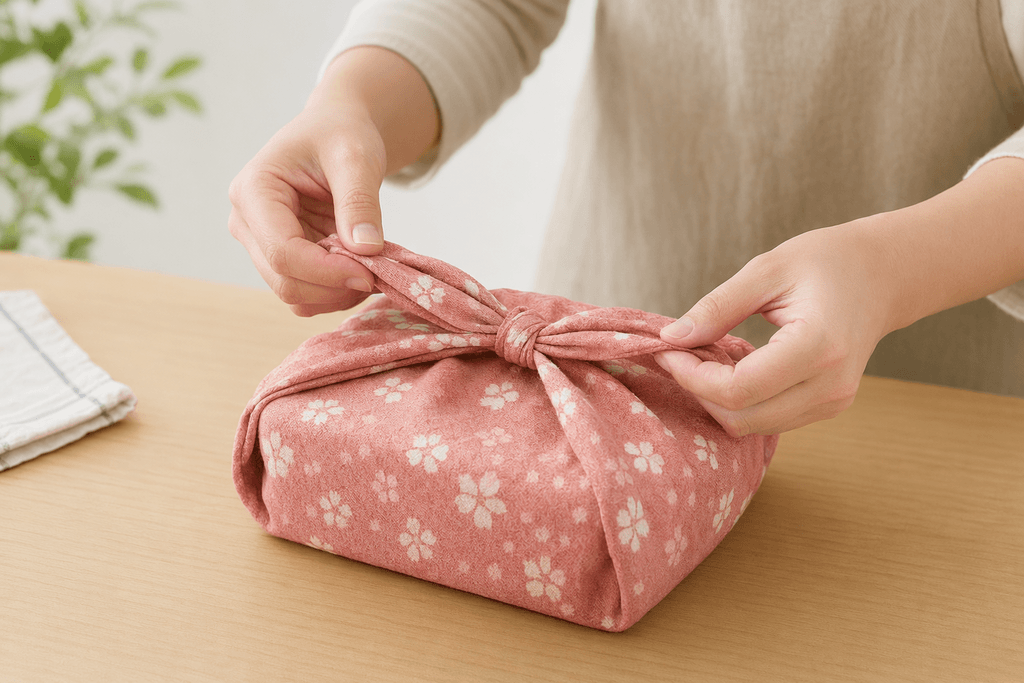
包む
balutin
包む
balutin
Explanation
包む
balutin
包む
balutin / ibalot / takpan
Word Forms
The basic and commonly used forms of this verb.
Basic forms
| Form | Word form | Usage |
|---|---|---|
| Imperfective form (mizenkei) |
Alternative:
包も
|
Connects to endings such as nai, reru, and seru. |
| Continuative form (renyokei) | Connects to endings such as masu, tai, and ta. | |
| Conclusive form (shushikei) | Ends a sentence and serves as the dictionary form. | |
| Attributive form (rentaikei) | Modifies a noun. | |
| Conditional form (kateikei) | Combines with ba to express a condition. | |
| Imperative form (meireikei) | Expresses a command or instruction. |
Common forms
| Form | Word form | Usage |
|---|---|---|
| Te-form | Connects clauses with te. | |
| Ta-form | Expresses the past with ta. | |
| Nai-form | Expresses negation with nai. | |
| Masu-form | Used for polite speech. | |
| Ba-form | Expresses a condition with ba. | |
| Volitional form | Expresses intention or invitation. |
Notes
忘れ物
bagay na naiwan
忘れ物
bagay na naiwan
Explanation
忘れ物
bagay na naiwan
忘れ物
nakalimutang bagay / naiwang gamit / nawawalang gamit

( Base form )
( romanization )
( hiragana )
空港
paliparan
空港
paliparan
Explanation
空港
paliparan
空港
paliparan / paliparan ng eroplano

( Base form )
( romanization )
( hiragana )
Loading...

JLPT N4 多言語単語帳・631語 / JLPT N4 Multilingual Vocabulary: 631 Words

Jonathan Waller 氏の JLPT Resources の語彙リスト・レベル分類を出典とし、CC BY の条件に従って DiQt が初級向けに意味を作り直した631語の単語帳です。JLPT公式の語彙リストではありません。
This collection of 631 words is based on the vocabulary list and level classifications in Jonathan Waller’s JLPT Resources under CC BY, with meanings rewritten by DiQt for beginners. It is not an official JLPT vocabulary list.
Key Operations
Select the first quiz:
Ctrl + Enter
View Explanation:Ctrl + G
Close a feedback:Esc
When selecting a quiz
Answer:Enter
Select a choice:↓ or ↑
Reading out the question:Ctrl + K
View Hint: Ctrl + M
I don't know: Ctrl + Y



