
JLPT N4: Kahulugan ng mga salita - Unsolved

Alamin ang kahulugan ng 631 salita sa JLPT N4 sa Filipino sa pamamagitan ng mga tanong na may apat na pagpipilian.
-
lumipat ng lugar / lumipat sa iba
-
sumayaw
-
kumain
-
mag-isip / makaramdam
-
magpakulo ng tubig
-
isama
-
iniksyon
-
kabiguan / pagkakamali
-
balbas / bigote
-
sanhi
-
tren na de-singaw
-
isla
-
mabakante
-
maghiwalay / makipaghiwalay
-
magpalipas ng gabi
- 「死ぬ」の婉曲・丁寧な表現。
-
sumulong
-
bumaba sa sasakyan / bumaba
-
humarap / magtungo
-
buhangin
-
presyo
-
mga bansang Kanluranin
-
daungan
-
likod ng katawan
-
pagkakatulog nang sobra
-
pamamasyal
-
sanggol
-
kanayunan
-
tuntunin
-
pag-uusap
-
sayaw
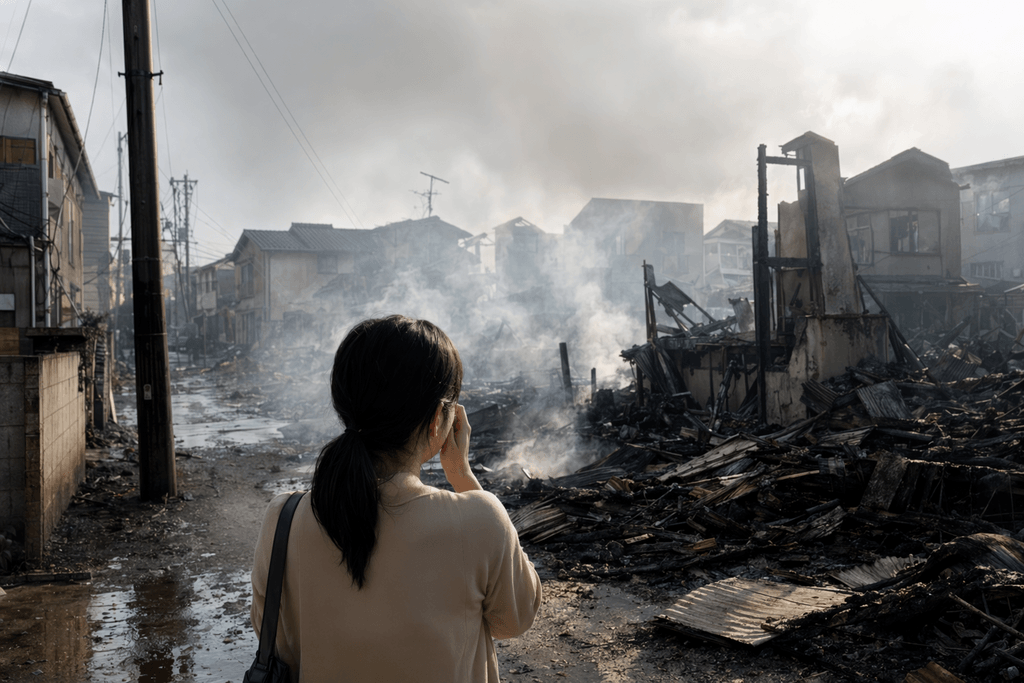
焼ける
masunog / maluto sa pag-ihaw
焼ける
masunog / maluto sa pag-ihaw
Explanation
焼ける
masunog / maluto sa pag-ihaw
焼ける
masunog / maluto / umitim o magbago ng kulay

Word Forms
The basic and commonly used forms of this verb.
Basic forms
| Form | Word form | Usage |
|---|---|---|
| Imperfective form (mizenkei) | Connects to endings such as nai, reru, and seru. | |
| Continuative form (renyokei) | Connects to endings such as masu, tai, and ta. | |
| Conclusive form (shushikei) | Ends a sentence and serves as the dictionary form. | |
| Attributive form (rentaikei) | Modifies a noun. | |
| Conditional form (kateikei) | Combines with ba to express a condition. | |
| Imperative form (meireikei) |
Alternative:
焼けよ
|
Expresses a command or instruction. |
Common forms
輸出する
magluwas
輸出する
magluwas
Explanation
輸出する
magluwas
輸出する
magluwas ng produkto sa ibang bansa / iluwas ang mga kalakal mula sa bansa / magpadala ng paninda sa labas ng bansa

Word Forms
The basic and commonly used forms of this verb.
Basic forms
| Form | Word form | Usage |
|---|---|---|
| Imperfective form (mizenkei) |
Alternative:
輸出せ
輸出さ
|
Connects to endings such as nai, reru, and seru. |
| Continuative form (renyokei) | Connects to endings such as masu, tai, and ta. | |
| Conclusive form (shushikei) | Ends a sentence and serves as the dictionary form. | |
| Attributive form (rentaikei) | Modifies a noun. | |
| Conditional form (kateikei) | Combines with ba to express a condition. | |
| Imperative form (meireikei) |
Alternative:
輸出せよ
|
Expresses a command or instruction. |
Common forms
| Form | Word form | Usage |
|---|---|---|
| Te-form | Connects clauses with te. | |
| Ta-form | Expresses the past with ta. | |
| Nai-form |
Alternative:
輸出せず
|
Expresses negation with nai. |
| Masu-form | Used for polite speech. | |
| Ba-form | Expresses a condition with ba. | |
| Volitional form | Expresses intention or invitation. |
日
araw
日
araw
Explanation
日
araw
日
ang Araw / liwanag ng araw / araw

( romanization )
( hiragana )
数学
matematika
数学
matematika
Explanation
数学
matematika
数学
matematika / pag-aaral ng mga bilang at hugis / agham ng mga bilang, ugnayan, at istruktura

( Base form )
( romanization )
( kyūjitai )
( hiragana )
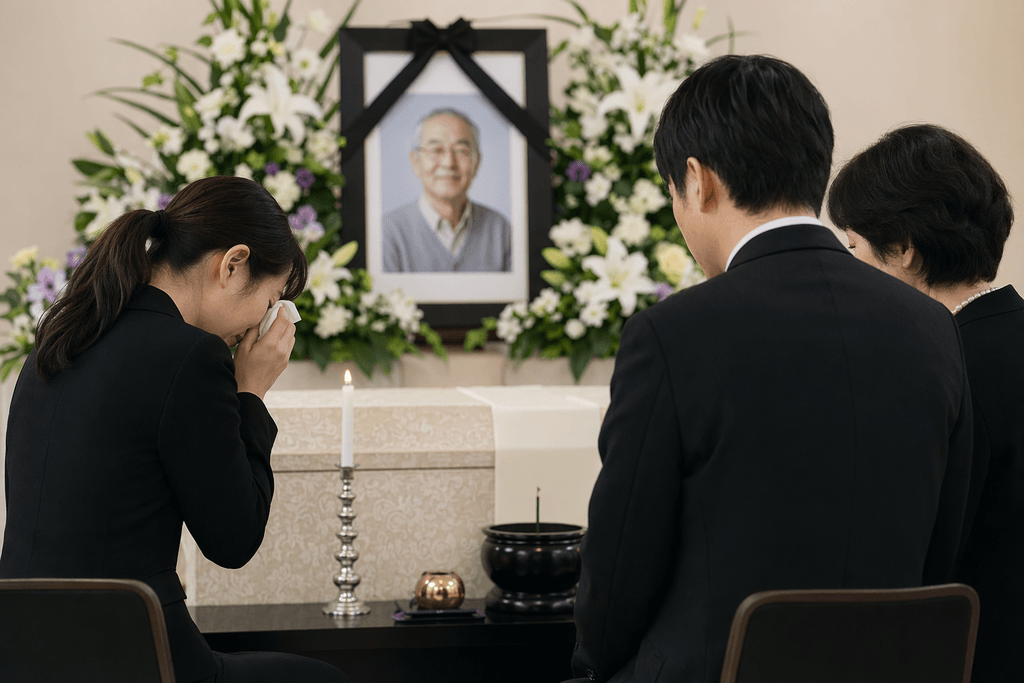
亡くなる
pumanaw
亡くなる
pumanaw
Explanation
亡くなる
pumanaw
亡くなる
pumanaw / sumakabilang-buhay / mamatay (magalang)
Word Forms
The basic and commonly used forms of this verb.
Basic forms
| Form | Word form | Usage |
|---|---|---|
| Imperfective form (mizenkei) |
Alternative:
亡くなろ
|
Connects to endings such as nai, reru, and seru. |
| Continuative form (renyokei) |
Alternative:
亡くなっ
|
Connects to endings such as masu, tai, and ta. |
| Conclusive form (shushikei) | Ends a sentence and serves as the dictionary form. | |
| Attributive form (rentaikei) | Modifies a noun. | |
| Conditional form (kateikei) | Combines with ba to express a condition. | |
| Imperative form (meireikei) | Expresses a command or instruction. |
Common forms
| Form | Word form | Usage |
|---|---|---|
| Te-form | Connects clauses with te. | |
| Ta-form | Expresses the past with ta. | |
| Nai-form | Expresses negation with nai. | |
| Masu-form | Used for polite speech. | |
| Ba-form | Expresses a condition with ba. | |
| Volitional form | Expresses intention or invitation. |
Notes
わく
kumulo / masabik
わく
kumulo / masabik
Explanation
kumulo / masabik
わく
bumukal o bumulwak (tubig atbp.) / kumulo / sumigla (madla o ekonomiya)

Word Forms
The basic and commonly used forms of this verb.
Basic forms
| Form | Word form | Usage |
|---|---|---|
| Imperfective form (mizenkei) |
Alternative:
わこ
|
Connects to endings such as nai, reru, and seru. |
| Continuative form (renyokei) | Connects to endings such as masu, tai, and ta. | |
| Conclusive form (shushikei) | Ends a sentence and serves as the dictionary form. | |
| Attributive form (rentaikei) | Modifies a noun. | |
| Conditional form (kateikei) | Combines with ba to express a condition. | |
| Imperative form (meireikei) | Expresses a command or instruction. |
Common forms
億
isang daang milyon
億
isang daang milyon
Explanation
億
isang daang milyon
億
sandaang milyon / bilang na 100,000,000

( romanization )
( hiragana )
講義
lektura
講義
lektura
Explanation
講義
lektura
講義
lektura / pagtalakay sa klase / paglalahad sa klase

( Base form )
( romanization )
( hiragana )
周り
paligid
周り
paligid
Explanation
周り
paligid
周り
paligid / kapaligiran / karatig na lugar
遊び
paglalaro
遊び
paglalaro
Explanation
遊び
paglalaro
遊び
paglalaro / laro / aliwan

( Base form )
( romanization )
Loading...

JLPT N4 多言語単語帳・631語 / JLPT N4 Multilingual Vocabulary: 631 Words

Jonathan Waller 氏の JLPT Resources の語彙リスト・レベル分類を出典とし、CC BY の条件に従って DiQt が初級向けに意味を作り直した631語の単語帳です。JLPT公式の語彙リストではありません。
This collection of 631 words is based on the vocabulary list and level classifications in Jonathan Waller’s JLPT Resources under CC BY, with meanings rewritten by DiQt for beginners. It is not an official JLPT vocabulary list.
Key Operations
Select the first quiz:
Ctrl + Enter
View Explanation:Ctrl + G
Close a feedback:Esc
When selecting a quiz
Answer:Enter
Select a choice:↓ or ↑
Reading out the question:Ctrl + K
View Hint: Ctrl + M
I don't know: Ctrl + Y



