
JLPT N4: Kahulugan ng mga salita - Unsolved

Alamin ang kahulugan ng 631 salita sa JLPT N4 sa Filipino sa pamamagitan ng mga tanong na may apat na pagpipilian.
-
gawin
-
tumanggap
-
magulat
- 「構う」はワ行五段活用の動詞。未然形は通常「構わ」(ない等に接続)、意志形では「構お」(うに接続)を用いる。
-
ihatid
-
pumunta / dumating
-
bumagsak
- 「片づける」は表記ゆれ。
- 一段活用の動詞。
-
mahigpit
-
nangungulila
-
maganda
-
matira
-
ipaalam
-
magbuhat
- 五段活用(ラ行)の動詞。
- 「上がる」「挙がる」「揚がる」「和了る」などの表記はいずれも同じ活用。
-
kabiguan / pagkakamali
-
pagtingin sa bulaklak ng seresa
-
ulap
-
masigla / maunlad
-
sapat
-
pagkaraan ng mahabang panahon
-
gawaing part-time
-
bagay na naiwan
-
barbero / barberya
-
nang diretso / bigla
-
nang malaki-laki
-
nang malaki
-
maghapon
-
presyo
-
balak
-
puntos / tuldok
-
palaman na prutas
-
uri / estilo
構う
maabala / magmalasakit
構う
maabala / magmalasakit
Explanation
構う
maabala / magmalasakit
構う
mag-alintana / pansinin / arugain

Word Forms
The basic and commonly used forms of this verb.
Basic forms
| Form | Word form | Usage |
|---|---|---|
| Imperfective form (mizenkei) |
Alternative:
構お
|
Connects to endings such as nai, reru, and seru. |
| Continuative form (renyokei) | Connects to endings such as masu, tai, and ta. | |
| Conclusive form (shushikei) | Ends a sentence and serves as the dictionary form. | |
| Attributive form (rentaikei) | Modifies a noun. | |
| Conditional form (kateikei) | Combines with ba to express a condition. | |
| Imperative form (meireikei) | Expresses a command or instruction. |
Common forms
| Form | Word form | Usage |
|---|---|---|
| Te-form | Connects clauses with te. | |
| Ta-form | Expresses the past with ta. | |
| Nai-form | Expresses negation with nai. | |
| Masu-form | Used for polite speech. | |
| Ba-form | Expresses a condition with ba. | |
| Volitional form | Expresses intention or invitation. |
Notes
片付ける
magligpit
片付ける
magligpit
Explanation
片付ける
magligpit
片付ける
ayusin / iligpit / linisin

Word Forms
The basic and commonly used forms of this verb.
Basic forms
| Form | Word form | Usage |
|---|---|---|
| Imperfective form (mizenkei) |
Alternative:
片づけ
|
Connects to endings such as nai, reru, and seru. |
| Continuative form (renyokei) |
Alternative:
片づけ
|
Connects to endings such as masu, tai, and ta. |
| Conclusive form (shushikei) |
Alternative:
片づける
|
Ends a sentence and serves as the dictionary form. |
| Attributive form (rentaikei) |
Alternative:
片づける
|
Modifies a noun. |
| Conditional form (kateikei) |
Alternative:
片づけれ
|
Combines with ba to express a condition. |
| Imperative form (meireikei) |
Alternative:
片付けよ
片づけろ
片づけよ
|
Expresses a command or instruction. |
Common forms
| Form | Word form | Usage |
|---|---|---|
| Te-form |
Alternative:
片づけて
|
Connects clauses with te. |
| Ta-form |
Alternative:
片づけた
|
Expresses the past with ta. |
| Nai-form |
Alternative:
片づけない
|
Expresses negation with nai. |
| Masu-form |
Alternative:
片づけます
|
Used for polite speech. |
| Ba-form |
Alternative:
片づければ
|
Expresses a condition with ba. |
| Volitional form |
Alternative:
片づけよう
|
Expresses intention or invitation. |
Notes
苦い
mapait
苦い
mapait
Explanation
苦い
mapait
苦い
mapait / masaklap

Word Forms
The basic and commonly used forms of this adjective.
Basic forms
| Form | Word form | Usage |
|---|---|---|
| Imperfective form (mizenkei) | Used in forms such as karou; mainly literary. | |
| Continuative form (renyokei) |
Alternative:
苦かっ
|
Used in forms such as kute and kunai. |
| Conclusive form (shushikei) | Ends a sentence. | |
| Attributive form (rentaikei) | Modifies a noun. | |
| Conditional form (kateikei) | Expresses a condition with kereba. | |
| Imperative form (meireikei) | Rarely used in modern Japanese. |
Common forms
上がる
tumaas
上がる
tumaas
Explanation
上がる
tumaas
上がる
tumaas; umakyat / mabanggit / maprito

Word Forms
The basic and commonly used forms of this verb.
Basic forms
| Form | Word form | Usage |
|---|---|---|
| Imperfective form (mizenkei) |
Alternative:
上がろ
|
Connects to endings such as nai, reru, and seru. |
| Continuative form (renyokei) | Connects to endings such as masu, tai, and ta. | |
| Conclusive form (shushikei) | Ends a sentence and serves as the dictionary form. | |
| Attributive form (rentaikei) | Modifies a noun. | |
| Conditional form (kateikei) | Combines with ba to express a condition. | |
| Imperative form (meireikei) | Expresses a command or instruction. |
Common forms
| Form | Word form | Usage |
|---|---|---|
| Te-form | Connects clauses with te. | |
| Ta-form | Expresses the past with ta. | |
| Nai-form | Expresses negation with nai. | |
| Masu-form | Used for polite speech. | |
| Ba-form | Expresses a condition with ba. | |
| Volitional form | Expresses intention or invitation. |
Notes
美術館
museo ng sining
美術館
museo ng sining
Explanation
美術館
museo ng sining
美術館
museo ng sining / museong pansining / institusyong nagpapakita ng likhang-sining

( Base form )
( romanization )
( hiragana )
真面目
seryoso / masipag
真面目
seryoso / masipag
Explanation
真面目
seryoso / masipag
真面目
seryoso / taimtim / tapat

Word Forms
The basic and commonly used forms of this adjectival noun.
Basic forms
| Form | Word form | Usage |
|---|---|---|
| Imperfective form (mizenkei) | Used in forms such as darou. | |
| Continuative form (renyokei) |
Alternative:
真面目に
|
Used with de or ni. |
| Conclusive form (shushikei) | Ends a sentence with da. | |
| Attributive form (rentaikei) | Modifies a noun with na. | |
| Conditional form (kateikei) | Expresses a condition with nara. | |
| Imperative form (meireikei) | Used in formal expressions such as de are. |
Common forms
市民
mamamayan
市民
mamamayan
Explanation
市民
mamamayan
市民
mamamayan / mga taga-bayan / mga taga-lungsod

( Base form )
( romanization )
( hiragana )
やっと
sa wakas
やっと
sa wakas
Explanation
sa wakas
やっと
sa wakas / sa bandang huli / sa kahuli-hulihan

( romanization )
お祝い
pagbati
お祝い
pagbati
Explanation
お祝い
pagbati
お祝い
pagdiriwang / regalo / handog

( Base form )
( romanization )
船
barko
船
barko
Explanation
船
barko
船
barko / sasakyang-dagat / bapor
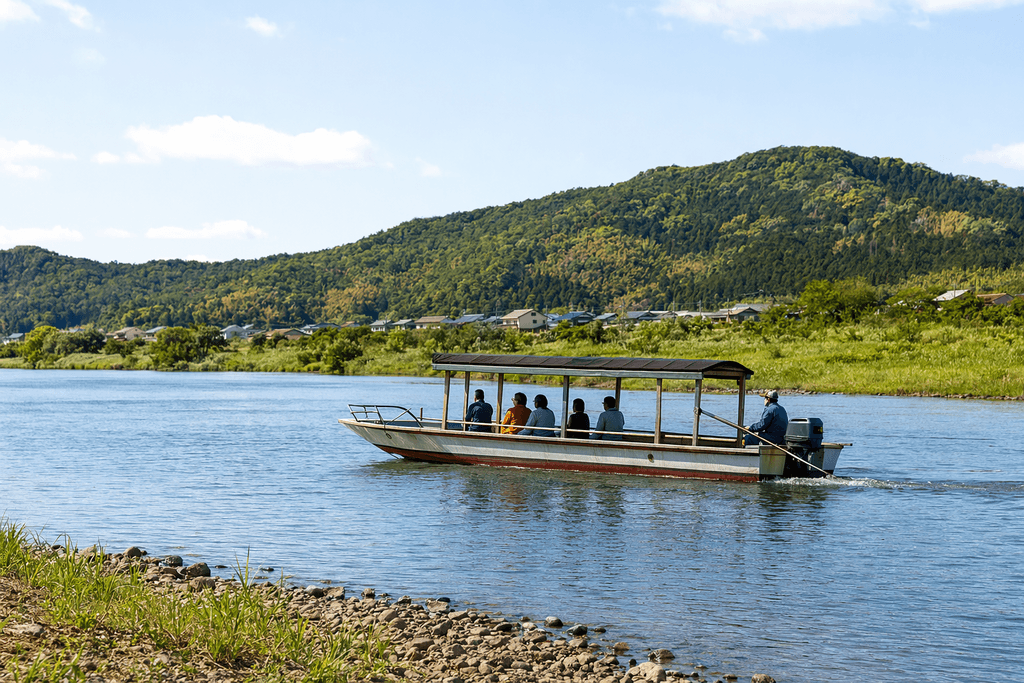
( romanization )
( hiragana )
Loading...

JLPT N4 多言語単語帳・631語 / JLPT N4 Multilingual Vocabulary: 631 Words

Jonathan Waller 氏の JLPT Resources の語彙リスト・レベル分類を出典とし、CC BY の条件に従って DiQt が初級向けに意味を作り直した631語の単語帳です。JLPT公式の語彙リストではありません。
This collection of 631 words is based on the vocabulary list and level classifications in Jonathan Waller’s JLPT Resources under CC BY, with meanings rewritten by DiQt for beginners. It is not an official JLPT vocabulary list.
Key Operations
Select the first quiz:
Ctrl + Enter
View Explanation:Ctrl + G
Close a feedback:Esc
When selecting a quiz
Answer:Enter
Select a choice:↓ or ↑
Reading out the question:Ctrl + K
View Hint: Ctrl + M
I don't know: Ctrl + Y



