
JLPT N4: Kahulugan ng mga salita - Unsolved

Alamin ang kahulugan ng 631 salita sa JLPT N4 sa Filipino sa pamamagitan ng mga tanong na may apat na pagpipilian.
-
higaang futon
-
teksto / aklat-aralin
-
isang daang milyon
-
tumawa / ngumiti
-
lumipat ng bahay
-
magligpit
-
hinaharap
-
pasasalamat
-
aksidente
-
sa malayo
-
sa wakas
-
nang walang palya
-
magbigay
-
baliin / tiklupin
-
magpakulo ng tubig
- 命令形は「似ろ」が一般的で、「似よ」はやや文語的です。
-
ni katiting
-
ganyang uri ng
-
ganoong uri ng
-
bituin
-
upang
-
alkohol
-
sa mga araw na ito
-
ganoon karami
-
nang buong sikap
-
masarap / mahusay
-
mahigpit
-
mabait
-
nakatatandang kasamahan
-
magnanakaw
-
politika / pamamahala
事務所
opisina
事務所
opisina
Explanation
事務所
opisina
事務所
opisina / tanggapan

( Base form )
( romanization )
( hiragana )
負ける
matalo
負ける
matalo
Explanation
負ける
matalo
負ける
matalo / mabigo

Word Forms
The basic and commonly used forms of this verb.
Basic forms
| Form | Word form | Usage |
|---|---|---|
| Imperfective form (mizenkei) | Connects to endings such as nai, reru, and seru. | |
| Continuative form (renyokei) | Connects to endings such as masu, tai, and ta. | |
| Conclusive form (shushikei) | Ends a sentence and serves as the dictionary form. | |
| Attributive form (rentaikei) | Modifies a noun. | |
| Conditional form (kateikei) | Combines with ba to express a condition. | |
| Imperative form (meireikei) |
Alternative:
負けよ
|
Expresses a command or instruction. |
Common forms
急行
tren na ekspres
急行
tren na ekspres
Explanation
急行
tren na ekspres
急行
tren na kaunti ang hintuan / pagmamadaling pagpunta
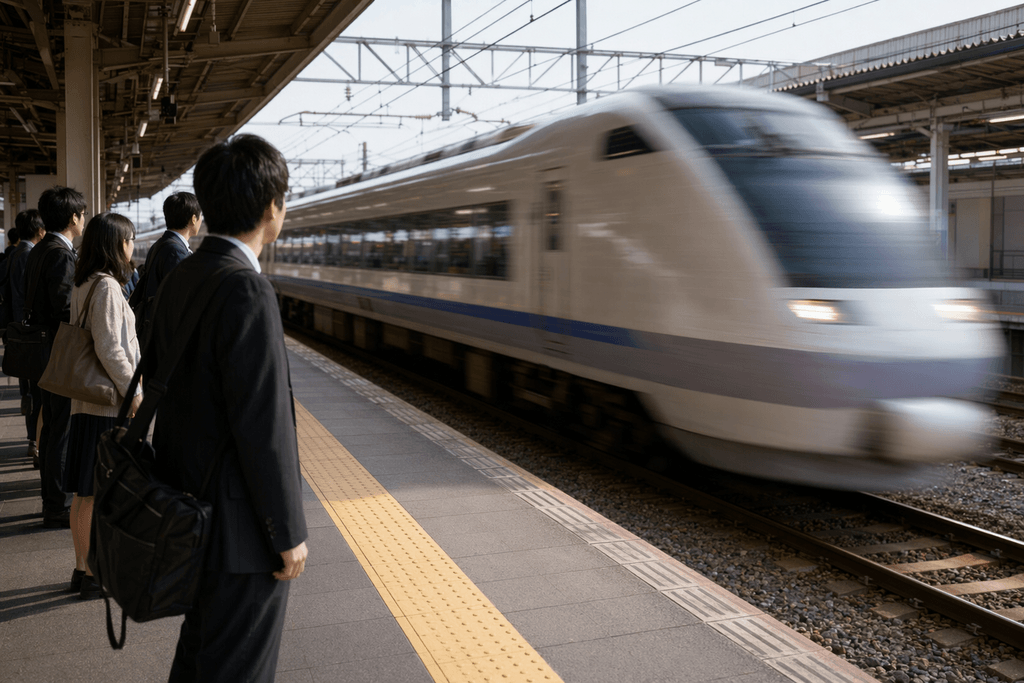
( Base form )
( romanization )
( romanization )
( hiragana historical )
( hiragana )
決して
hinding-hindi
決して
hinding-hindi
Explanation
決して
hinding-hindi
決して
hinding-hindi / hindi kailanman / hindi kahit kaunti

( Base form )
( romanization )
似る
magkahawig
似る
magkahawig
Explanation
似る
magkahawig
似る
magkahawig / maging katulad / magmukhang katulad

Word Forms
The basic and commonly used forms of this verb.
Basic forms
| Form | Word form | Usage |
|---|---|---|
| Imperfective form (mizenkei) |
Alternative:
似よ
|
Connects to endings such as nai, reru, and seru. |
| Continuative form (renyokei) | Connects to endings such as masu, tai, and ta. | |
| Conclusive form (shushikei) | Ends a sentence and serves as the dictionary form. | |
| Attributive form (rentaikei) | Modifies a noun. | |
| Conditional form (kateikei) | Combines with ba to express a condition. | |
| Imperative form (meireikei) |
Alternative:
似よ
|
Expresses a command or instruction. |
Common forms
| Form | Word form | Usage |
|---|---|---|
| Te-form | Connects clauses with te. | |
| Ta-form | Expresses the past with ta. | |
| Nai-form | Expresses negation with nai. | |
| Masu-form | Used for polite speech. | |
| Ba-form | Expresses a condition with ba. | |
| Volitional form | Expresses intention or invitation. |
Notes
別の
iba
別の
iba
Explanation
別の
iba
別の
ibang / hiwalay / bukod

( romanization )
( hiragana )
( table-tags )
( inflection-template )
( irrealis stem )
( irrealis stem )
( irrealis )
( continuative stem )
( continuative stem )
( continuative stem )
( continuative stem )
( continuative )
( continuative )
( stem terminative )
( stem terminative )
( terminative )
( attributive stem )
( attributive stem )
( attributive )
( realis stem )
( realis stem )
( realis )
( Imperative stem )
( Imperative stem )
( Imperative )
( negative )
( negative )
( negative )
( contrastive )
( contrastive )
( contrastive )
( causative )
( causative )
( causative )
( Conditional )
( Conditional )
( Conditional )
( Past )
( Past )
( Past )
( Past )
( Past )
( Past )
( adverbial )
( adverbial )
( adverbial )
泥棒
magnanakaw
泥棒
magnanakaw
Explanation
泥棒
magnanakaw
泥棒
magnanakaw / tulisan / akyat-bahay

( Base form )
( romanization )
( romanization )
( stem )
( Past )
( hiragana historical )
( table-tags )
( inflection-template )
( imperfective stem )
( imperfective stem )
( imperfective )
( continuative stem )
( continuative stem )
( continuative )
( stem terminative )
( stem terminative )
( terminative )
( attributive stem )
( attributive stem )
( attributive )
( hypothetical stem )
( hypothetical stem )
( hypothetical )
( Imperative literary stem )
( colloquial Imperative stem )
( Imperative literary stem )
( colloquial Imperative stem )
( Imperative literary )
( colloquial Imperative )
( Passive voice )
( Passive voice )
( Passive voice )
( causative )
( causative )
( causative )
( causative )
( causative )
( causative )
( potential )
( potential )
( potential )
( volitional )
( volitional )
( volitional )
( negative )
( negative )
( negative )
( continuative negative )
( continuative negative )
( continuative negative )
( formal )
( formal )
( formal )
( perfective )
( perfective )
( perfective )
( conjunctive )
( conjunctive )
( conjunctive )
( Conditional hypothetical )
( Conditional hypothetical )
( Conditional hypothetical )
すっと
nang diretso / bigla
すっと
nang diretso / bigla
Explanation
nang diretso / bigla
すっと
gumaan ang loob / gumaan ang pakiramdam / mawala ang sama ng loob at alalahanin

( Base form )
( romanization )
( stem )
( Past )
( table-tags )
( inflection-template )
( imperfective stem )
( imperfective stem )
( continuative stem )
( continuative stem )
( stem terminative )
( stem terminative )
( attributive stem )
( attributive stem )
( hypothetical stem )
( hypothetical stem )
( Imperative literary stem )
( colloquial Imperative stem )
( Imperative literary stem )
( colloquial Imperative stem )
( Passive voice )
( Passive voice )
( causative )
( causative )
( causative )
( causative )
( potential )
( potential )
( volitional )
( volitional )
( negative )
( negative )
( continuative negative )
( continuative negative )
( formal )
( formal )
( perfective )
( perfective )
( conjunctive )
( conjunctive )
( Conditional hypothetical )
( Conditional hypothetical )
細かい
maliliit / detalyado
細かい
maliliit / detalyado
Explanation
細かい
maliliit / detalyado
細かい
pino / detalyado / di gaanong mahalaga

Word Forms
The basic and commonly used forms of this adjective.
Basic forms
| Form | Word form | Usage |
|---|---|---|
| Imperfective form (mizenkei) | Used in forms such as karou; mainly literary. | |
| Continuative form (renyokei) |
Alternative:
細かかっ
|
Used in forms such as kute and kunai. |
| Conclusive form (shushikei) | Ends a sentence. | |
| Attributive form (rentaikei) | Modifies a noun. | |
| Conditional form (kateikei) | Expresses a condition with kereba. | |
| Imperative form (meireikei) | Rarely used in modern Japanese. |
Common forms
びっくり
pagkagulat
びっくり
pagkagulat
Explanation
pagkagulat
びっくり
pagkabigla / pagkagulat / pagkamangha

( romanization )
Loading...

JLPT N4 多言語単語帳・631語 / JLPT N4 Multilingual Vocabulary: 631 Words

Jonathan Waller 氏の JLPT Resources の語彙リスト・レベル分類を出典とし、CC BY の条件に従って DiQt が初級向けに意味を作り直した631語の単語帳です。JLPT公式の語彙リストではありません。
This collection of 631 words is based on the vocabulary list and level classifications in Jonathan Waller’s JLPT Resources under CC BY, with meanings rewritten by DiQt for beginners. It is not an official JLPT vocabulary list.
Key Operations
Select the first quiz:
Ctrl + Enter
View Explanation:Ctrl + G
Close a feedback:Esc
When selecting a quiz
Answer:Enter
Select a choice:↓ or ↑
Reading out the question:Ctrl + K
View Hint: Ctrl + M
I don't know: Ctrl + Y



