
JLPT N4: Kahulugan ng mga salita - Unsolved

Alamin ang kahulugan ng 631 salita sa JLPT N4 sa Filipino sa pamamagitan ng mga tanong na may apat na pagpipilian.
-
mabasag / mabiyak
-
maghanap
-
pumayat
-
nakagawian / kaugalian
-
labas ng lungsod
-
kalagitnaan
-
ihagis
-
mag-isip / makaramdam
-
kumulo / masabik
-
sa pangkalahatan / humigit-kumulang
-
ganap
-
nang malaki-laki
-
lungsod
-
ibaba / isabit
-
binata
-
tradisyonal na tuluyan sa Japan
-
kalakhang lungsod
-
paraan ng paglangoy
-
seryoso / masipag
-
kabaitan
-
masigla / maunlad
-
humingi ng tawad
-
magulat
-
pahintuin
-
lumipat ng sasakyan
-
humarap / magtungo
-
marinig
-
mayamang tao
-
wala sa bahay
-
komiks
申し上げる
magsabi / sabihin sa
申し上げる
magsabi / sabihin sa
Explanation
申し上げる
magsabi / sabihin sa
申し上げる
magsabi nang magalang / magpahayag nang magalang / ipabatid nang magalang

Word Forms
The basic and commonly used forms of this verb.
Basic forms
| Form | Word form | Usage |
|---|---|---|
| Imperfective form (mizenkei) | Connects to endings such as nai, reru, and seru. | |
| Continuative form (renyokei) | Connects to endings such as masu, tai, and ta. | |
| Conclusive form (shushikei) | Ends a sentence and serves as the dictionary form. | |
| Attributive form (rentaikei) | Modifies a noun. | |
| Conditional form (kateikei) | Combines with ba to express a condition. | |
| Imperative form (meireikei) |
Alternative:
申し上げよ
|
Expresses a command or instruction. |
Common forms
冷房
aircon
冷房
aircon
Explanation
冷房
aircon
冷房
pagpapalamig ng silid / aircon / sistema ng pagpapalamig

( Base form )
( romanization )
( stem )
( Past )
( table-tags )
( inflection-template )
( imperfective stem )
( imperfective stem )
( imperfective )
( continuative stem )
( continuative stem )
( continuative )
( stem terminative )
( stem terminative )
( terminative )
( attributive stem )
( attributive stem )
( attributive )
( hypothetical stem )
( hypothetical stem )
( hypothetical )
( Imperative literary stem )
( colloquial Imperative stem )
( Imperative literary stem )
( colloquial Imperative stem )
( Imperative literary )
( colloquial Imperative )
( Passive voice )
( Passive voice )
( Passive voice )
( causative )
( causative )
( causative )
( causative )
( causative )
( causative )
( potential )
( potential )
( potential )
( volitional )
( volitional )
( volitional )
( negative )
( negative )
( negative )
( continuative negative )
( continuative negative )
( continuative negative )
( formal )
( formal )
( formal )
( perfective )
( perfective )
( perfective )
( conjunctive )
( conjunctive )
( conjunctive )
( Conditional hypothetical )
( Conditional hypothetical )
( Conditional hypothetical )
行う
isagawa
行う
isagawa
Explanation
行う
isagawa
行う
isagawa / gawin / isakatuparan

Word Forms
The basic and commonly used forms of this verb.
Basic forms
| Form | Word form | Usage |
|---|---|---|
| Imperfective form (mizenkei) |
Alternative:
行お
|
Connects to endings such as nai, reru, and seru. |
| Continuative form (renyokei) | Connects to endings such as masu, tai, and ta. | |
| Conclusive form (shushikei) | Ends a sentence and serves as the dictionary form. | |
| Attributive form (rentaikei) | Modifies a noun. | |
| Conditional form (kateikei) | Combines with ba to express a condition. | |
| Imperative form (meireikei) | Expresses a command or instruction. |
Common forms
ぜひ
sana
ぜひ
sana
Explanation
sana
ぜひ
talagang / tiyak na / mangyaring

( romanization )
ちゃん
mahal
ちゃん
mahal
Explanation
mahal
ちゃん
hulaping ikinakabit sa pangalan bilang malambing o pambatang tawag / ikinakabit din sa pangalan ng hayop bilang malambing na pantawag

( romanization )
翻訳
pagsasalin
翻訳
pagsasalin
Explanation
翻訳
pagsasalin
翻訳
pagsasalin / salin / pagsasalinwika

( Base form )
( romanization )
( stem )
( Past )
( kyūjitai )
( table-tags )
( inflection-template )
( imperfective stem )
( imperfective stem )
( imperfective )
( continuative stem )
( continuative stem )
( continuative )
( stem terminative )
( stem terminative )
( terminative )
( attributive stem )
( attributive stem )
( attributive )
( hypothetical stem )
( hypothetical stem )
( hypothetical )
( Imperative literary stem )
( colloquial Imperative stem )
( Imperative literary stem )
( colloquial Imperative stem )
( Imperative literary )
( colloquial Imperative )
( Passive voice )
( Passive voice )
( Passive voice )
( causative )
( causative )
( causative )
( causative )
( causative )
( causative )
( potential )
( potential )
( potential )
( volitional )
( volitional )
( volitional )
( negative )
( negative )
( negative )
( continuative negative )
( continuative negative )
( continuative negative )
( formal )
( formal )
( formal )
( perfective )
( perfective )
( perfective )
( conjunctive )
( conjunctive )
( conjunctive )
( Conditional hypothetical )
( Conditional hypothetical )
( Conditional hypothetical )
無理
imposible / hindi makatwiran
無理
imposible / hindi makatwiran
Explanation
無理
imposible / hindi makatwiran
無理
imposible / hindi kaya / hindi makatuwiran

Word Forms
The basic and commonly used forms of this adjectival noun.
Basic forms
| Form | Word form | Usage |
|---|---|---|
| Imperfective form (mizenkei) |
Alternative:
無理でしょ
|
Used in forms such as darou. |
| Continuative form (renyokei) |
Alternative:
無理に
|
Used with de or ni. |
| Conclusive form (shushikei) |
Alternative:
無理です
|
Ends a sentence with da. |
| Attributive form (rentaikei) | Modifies a noun with na. | |
| Conditional form (kateikei) |
Alternative:
無理であれば
|
Expresses a condition with nara. |
| Imperative form (meireikei) | Used in formal expressions such as de are. |
Common forms
聞こえる
marinig
聞こえる
marinig
Explanation
聞こえる
marinig
聞こえる
marinig / magtunog / maging kilala

Word Forms
The basic and commonly used forms of this verb.
Basic forms
| Form | Word form | Usage |
|---|---|---|
| Imperfective form (mizenkei) | Connects to endings such as nai, reru, and seru. | |
| Continuative form (renyokei) | Connects to endings such as masu, tai, and ta. | |
| Conclusive form (shushikei) | Ends a sentence and serves as the dictionary form. | |
| Attributive form (rentaikei) | Modifies a noun. | |
| Conditional form (kateikei) | Combines with ba to express a condition. | |
| Imperative form (meireikei) |
Alternative:
聞こえよ
|
Expresses a command or instruction. |
Common forms
焼く
maghurno / mag-ihaw
焼く
maghurno / mag-ihaw
Explanation
焼く
maghurno / mag-ihaw
焼く
lutuin sa init o apoy / sunugin / i-burn ang datos sa permanenteng imbakan

Word Forms
The basic and commonly used forms of this verb.
Basic forms
| Form | Word form | Usage |
|---|---|---|
| Imperfective form (mizenkei) |
Alternative:
焼こ
|
Connects to endings such as nai, reru, and seru. |
| Continuative form (renyokei) | Connects to endings such as masu, tai, and ta. | |
| Conclusive form (shushikei) | Ends a sentence and serves as the dictionary form. | |
| Attributive form (rentaikei) | Modifies a noun. | |
| Conditional form (kateikei) | Combines with ba to express a condition. | |
| Imperative form (meireikei) | Expresses a command or instruction. |
Common forms
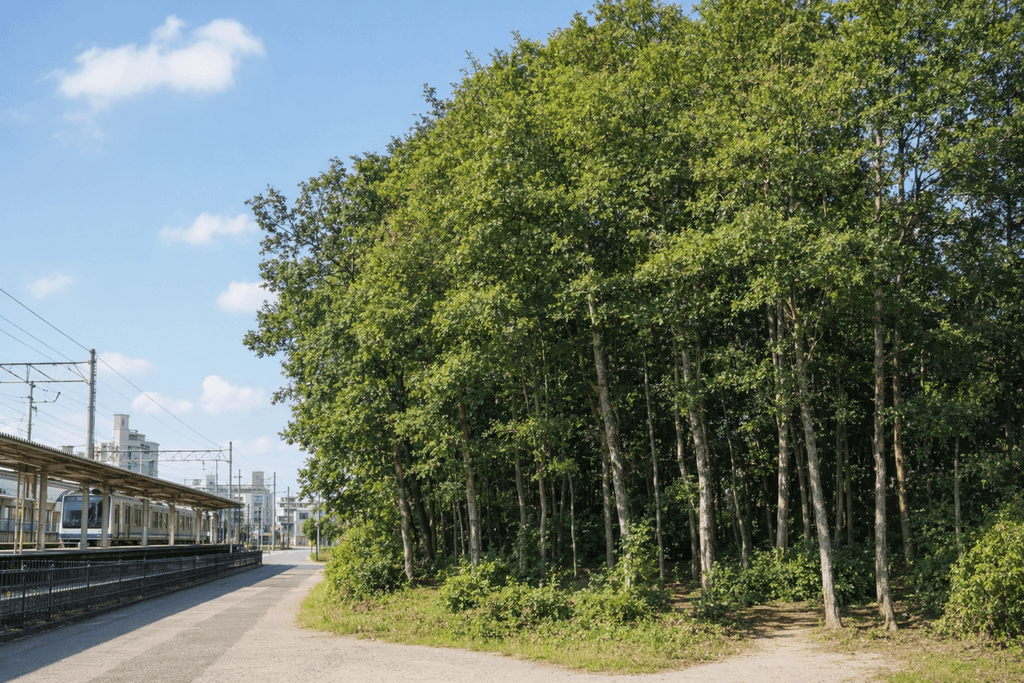
林
kakahuyan
林
kakahuyan
Explanation
林
kakahuyan
林
kakahuyan / maliit na gubat / kumpol ng mga puno
( romanization )
( hiragana )
Loading...

JLPT N4 多言語単語帳・631語 / JLPT N4 Multilingual Vocabulary: 631 Words

Jonathan Waller 氏の JLPT Resources の語彙リスト・レベル分類を出典とし、CC BY の条件に従って DiQt が初級向けに意味を作り直した631語の単語帳です。JLPT公式の語彙リストではありません。
This collection of 631 words is based on the vocabulary list and level classifications in Jonathan Waller’s JLPT Resources under CC BY, with meanings rewritten by DiQt for beginners. It is not an official JLPT vocabulary list.
Key Operations
Select the first quiz:
Ctrl + Enter
View Explanation:Ctrl + G
Close a feedback:Esc
When selecting a quiz
Answer:Enter
Select a choice:↓ or ↑
Reading out the question:Ctrl + K
View Hint: Ctrl + M
I don't know: Ctrl + Y



