
JLPT N4: Kahulugan ng mga salita - Unsolved

Alamin ang kahulugan ng 631 salita sa JLPT N4 sa Filipino sa pamamagitan ng mga tanong na may apat na pagpipilian.
-
interes
-
silid-pulungan
-
kawani ng pamahalaan
-
karaniwan / lokal na tren
-
tiyak / kung tama ang alaala ko
-
panghihinayang
-
masigasig
-
masalimuot
-
tiyak / kung tama ang alaala ko
-
asawa kong babae
-
inaasahang
-
paradahan
-
kailangan
-
mahalaga
-
panghihinayang
-
kapwa
-
tabing ng palabas
-
trabahong part-time
-
masigla / maunlad
-
hindi maaari
-
pagkaraan ng mahabang panahon
- 形容動詞(ナ形容詞)としての活用。
- 連用形「普通に」は副詞的用法としてよく用いられる。
- 連体形では「普通の」も名詞修飾で非常によく用いられる。
-
anak na babae / dalaga
-
silid ng mananaliksik / laboratoryo
-
away
-
pambura
-
guhit
-
pansin / pag-iingat
-
pagtingin sa bulaklak ng seresa
-
paraan
-
pagsangguni
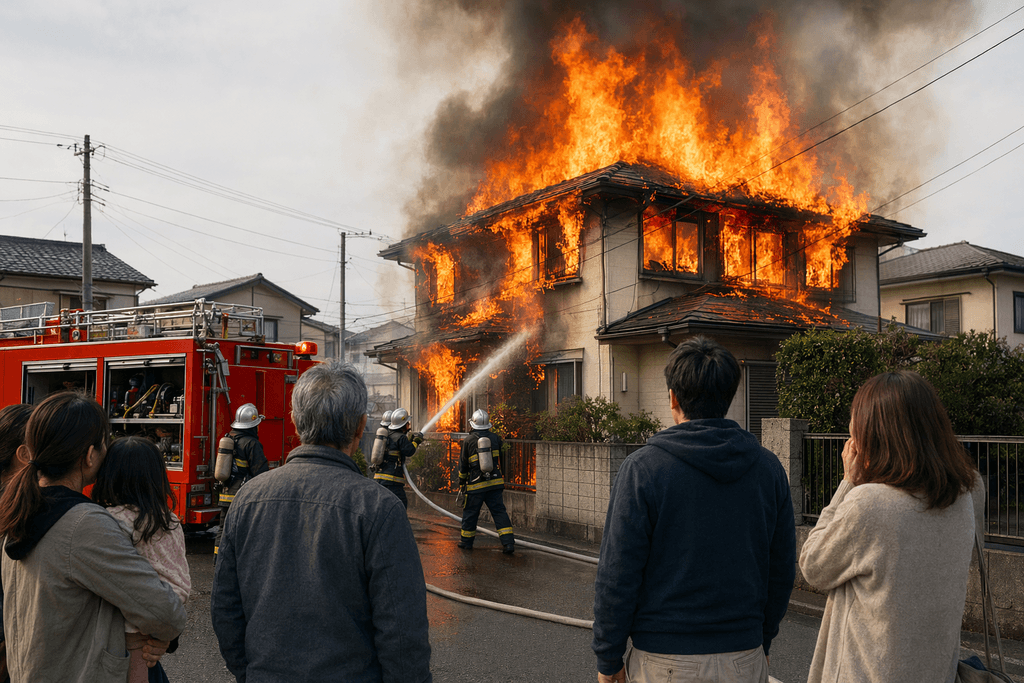
火事
sunog
火事
sunog
Explanation
火事
sunog
火事
sunog / insidente ng sunog / sakunang sunog
( Base form )
( romanization )
( romanization )
( hiragana historical )
( hiragana )
特別
espesyal
特別
espesyal
Explanation
特別
espesyal
特別
espesyal / natatangi / di-pangkaraniwan
Word Forms
The basic and commonly used forms of this adjectival noun.
Basic forms
| Form | Word form | Usage |
|---|---|---|
| Imperfective form (mizenkei) |
Alternative:
特別でしょ
|
Used in forms such as darou. |
| Continuative form (renyokei) |
Alternative:
特別に
|
Used with de or ni. |
| Conclusive form (shushikei) |
Alternative:
特別です
|
Ends a sentence with da. |
| Attributive form (rentaikei) |
Alternative:
特別である
|
Modifies a noun with na. |
| Conditional form (kateikei) |
Alternative:
特別であれば
|
Expresses a condition with nara. |
| Imperative form (meireikei) | Used in formal expressions such as de are. |
Common forms
親切
kabaitan
親切
kabaitan
Explanation
親切
kabaitan
親切
mabait / matulungin / mapagmalasakit

Word Forms
The basic and commonly used forms of this adjectival noun.
Basic forms
| Form | Word form | Usage |
|---|---|---|
| Imperfective form (mizenkei) | Used in forms such as darou. | |
| Continuative form (renyokei) |
Alternative:
親切に
|
Used with de or ni. |
| Conclusive form (shushikei) | Ends a sentence with da. | |
| Attributive form (rentaikei) | Modifies a noun with na. | |
| Conditional form (kateikei) | Expresses a condition with nara. | |
| Imperative form (meireikei) | Used in formal expressions such as de are. |
Common forms
最後
wakas / pinakahuli
最後
wakas / pinakahuli
Explanation
最後
wakas / pinakahuli
最後
huli / katapusan / wakas

( Base form )
( romanization )
( hiragana )
熱心
masigasig
熱心
masigasig
Explanation
熱心
masigasig
熱心
masigasig / masugid / maalab

Word Forms
The basic and commonly used forms of this adjectival noun.
Basic forms
| Form | Word form | Usage |
|---|---|---|
| Imperfective form (mizenkei) | Used in forms such as darou. | |
| Continuative form (renyokei) |
Alternative:
熱心に
|
Used with de or ni. |
| Conclusive form (shushikei) | Ends a sentence with da. | |
| Attributive form (rentaikei) | Modifies a noun with na. | |
| Conditional form (kateikei) | Expresses a condition with nara. | |
| Imperative form (meireikei) | Used in formal expressions such as de are. |
Common forms
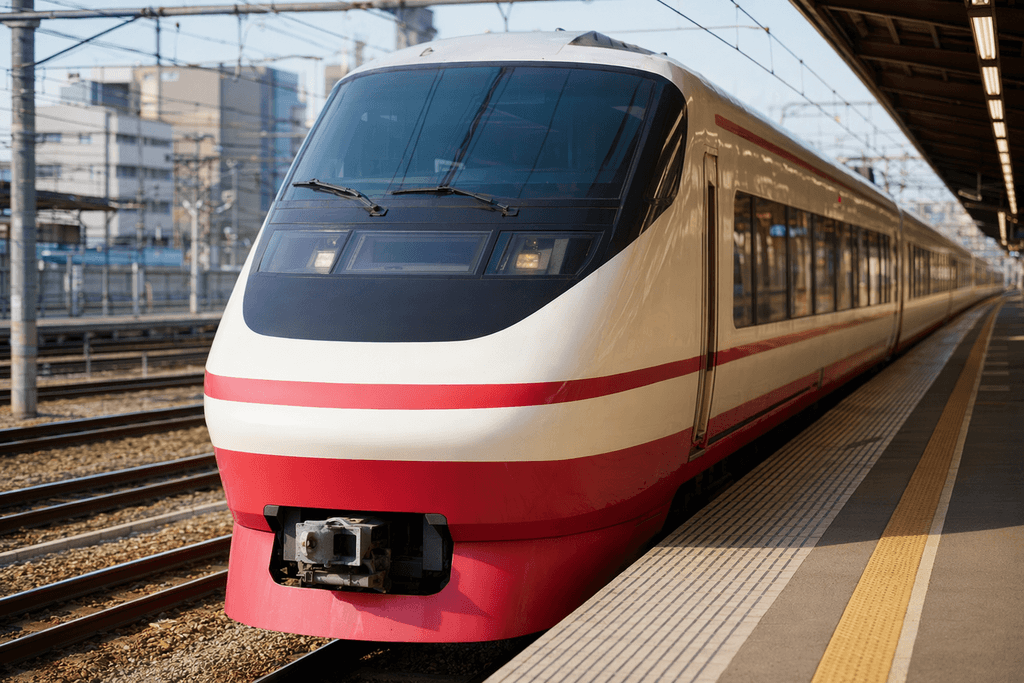
特急
tren na limitado ang hintuan
特急
tren na limitado ang hintuan
Explanation
特急
tren na limitado ang hintuan
特急
ekspres na tren na may kakaunting hintuan / mabilis na serbisyong tren na humihinto lang sa piling estasyon
( Base form )
( romanization )
( hiragana )
普通
karaniwan / lokal na tren
普通
karaniwan / lokal na tren
Explanation
普通
karaniwan / lokal na tren
普通
karaniwan / pangkaraniwan / normal

Word Forms
The basic and commonly used forms of this adjectival noun.
Basic forms
| Form | Word form | Usage |
|---|---|---|
| Imperfective form (mizenkei) |
Alternative:
普通でしょ
|
Used in forms such as darou. |
| Continuative form (renyokei) |
Alternative:
普通に
|
Used with de or ni. |
| Conclusive form (shushikei) |
Alternative:
普通です
|
Ends a sentence with da. |
| Attributive form (rentaikei) |
Alternative:
普通の
|
Modifies a noun with na. |
| Conditional form (kateikei) |
Alternative:
普通であれば
|
Expresses a condition with nara. |
| Imperative form (meireikei) | Used in formal expressions such as de are. |
Common forms
| Form | Word form | Usage |
|---|---|---|
| Te-form equivalent | Connects clauses using de. | |
| Ta-form |
Alternative:
普通でした
|
Expresses the past with datta. |
| Nai-form |
Alternative:
普通じゃない
普通でない
|
Expresses negation with dewa nai or ja nai. |
| Desu-form | Used for polite speech. |
Notes
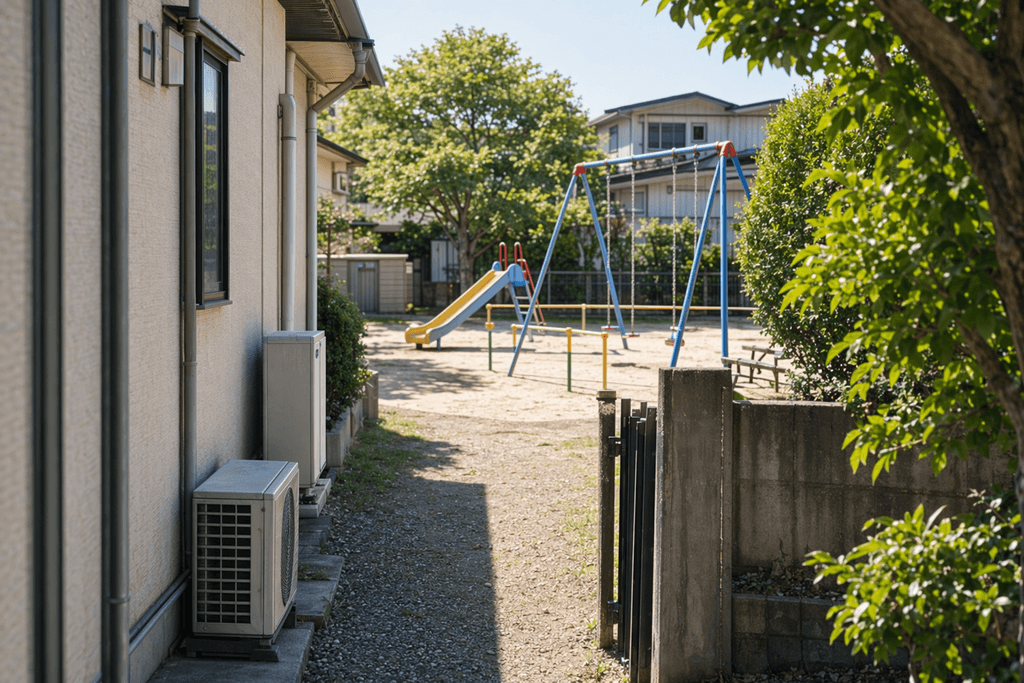
裏
likod na bahagi
裏
likod na bahagi
Explanation
裏
likod na bahagi
裏
likod o kabilang panig; loob / likod na bahagi ng barya (tails) / ibaba ng inning (baseball)
( romanization )
( hiragana )
社会
lipunan
社会
lipunan
Explanation
社会
lipunan
社会
lipunan / sambayanan / madla

( Base form )
( romanization )
( romanization )
( kyūjitai )
( hiragana historical )
( hiragana )
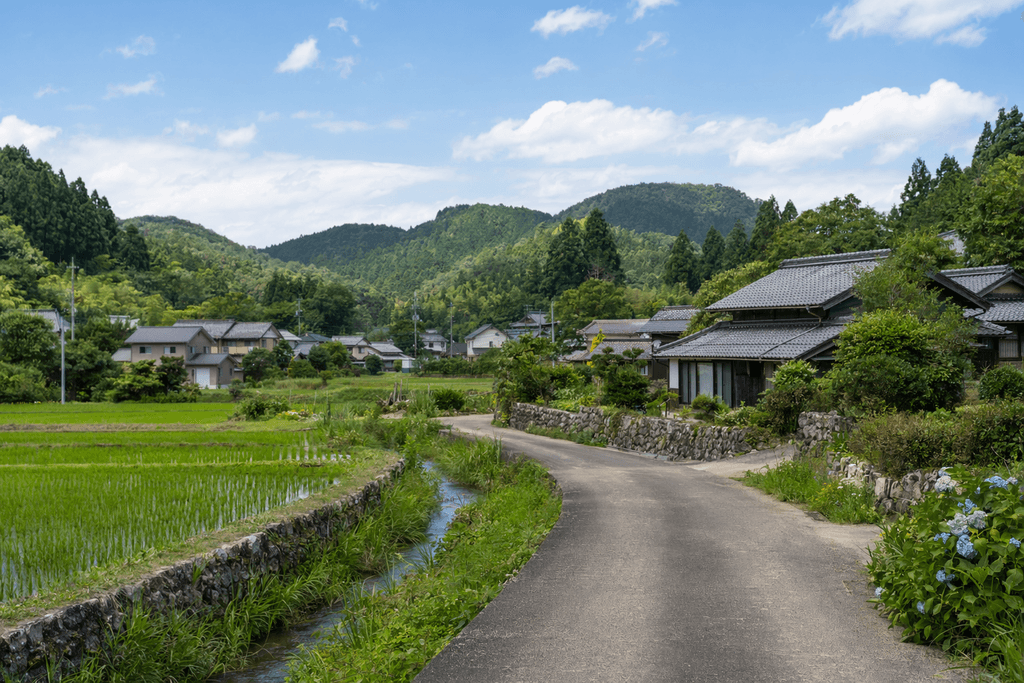
田舎
kanayunan
田舎
kanayunan
Explanation
田舎
kanayunan
田舎
kanayunan; probinsya / liblib na pook / hindi sopistikado; magaspang
( romanization )
( romanization )
( kyūjitai )
( hiragana historical )
( hiragana )
Loading...

JLPT N4 多言語単語帳・631語 / JLPT N4 Multilingual Vocabulary: 631 Words

Jonathan Waller 氏の JLPT Resources の語彙リスト・レベル分類を出典とし、CC BY の条件に従って DiQt が初級向けに意味を作り直した631語の単語帳です。JLPT公式の語彙リストではありません。
This collection of 631 words is based on the vocabulary list and level classifications in Jonathan Waller’s JLPT Resources under CC BY, with meanings rewritten by DiQt for beginners. It is not an official JLPT vocabulary list.
Key Operations
Select the first quiz:
Ctrl + Enter
View Explanation:Ctrl + G
Close a feedback:Esc
When selecting a quiz
Answer:Enter
Select a choice:↓ or ↑
Reading out the question:Ctrl + K
View Hint: Ctrl + M
I don't know: Ctrl + Y



