
JLPT N4: Kahulugan ng mga salita - Unsolved

Alamin ang kahulugan ng 631 salita sa JLPT N4 sa Filipino sa pamamagitan ng mga tanong na may apat na pagpipilian.
-
mapait
-
malungkot
-
nakakatakot
- 表記は文脈により「上手い」「巧い」「旨い」「美味い」など。
- 「うまい」は「おいしい」「じょうずだ」「都合がよい」などの意味で用いられるイ形容詞。
-
pumayat
-
dumilim / matapos
-
tapakan
-
lektura
-
kakaiba
-
ehersisyo
-
interes
-
tunog
-
paghahanda
-
ako
-
sila
-
siya / kasintahang lalaki
-
dambana ng Shinto
-
word processor
-
paggamit
-
tumanggap / kumain
-
maghulog
-
pag-isipan
- 見出し語「滑る(すべる)」は五段活用・ラ行。
-
kalayaan
-
lindol
-
komiks
-
heograpiya
-
paliparan
-
aparador
-
matalo
-
naroon / dumating
-
maghulog
- 授受動詞「くれる」。下一段活用だが、命令形は一般に「くれ」を用いる。
- 「くれよ」は「くれ」+終助詞「よ」とも解釈できる。
うまい
masarap / mahusay
うまい
masarap / mahusay
Explanation
masarap / mahusay
うまい
mahusay / masarap / kapaki-pakinabang

Word Forms
The basic and commonly used forms of this adjective.
Basic forms
| Form | Word form | Usage |
|---|---|---|
| Imperfective form (mizenkei) | Used in forms such as karou; mainly literary. | |
| Continuative form (renyokei) |
Alternative:
うまかっ
|
Used in forms such as kute and kunai. |
| Conclusive form (shushikei) | Ends a sentence. | |
| Attributive form (rentaikei) | Modifies a noun. | |
| Conditional form (kateikei) | Expresses a condition with kereba. | |
| Imperative form (meireikei) | Rarely used in modern Japanese. |
Common forms
| Form | Word form | Usage |
|---|---|---|
| Te-form | Connects clauses with kute. | |
| Ta-form | Expresses the past with katta. | |
| Nai-form | Expresses negation with kunai. | |
| Ba-form | Expresses a condition with kereba. |
Notes
倒れる
bumagsak
倒れる
bumagsak
Explanation
倒れる
bumagsak
倒れる
bumagsak / gumuho / mabangkarote

Word Forms
The basic and commonly used forms of this verb.
Basic forms
| Form | Word form | Usage |
|---|---|---|
| Imperfective form (mizenkei) | Connects to endings such as nai, reru, and seru. | |
| Continuative form (renyokei) | Connects to endings such as masu, tai, and ta. | |
| Conclusive form (shushikei) | Ends a sentence and serves as the dictionary form. | |
| Attributive form (rentaikei) | Modifies a noun. | |
| Conditional form (kateikei) | Combines with ba to express a condition. | |
| Imperative form (meireikei) |
Alternative:
倒れよ
|
Expresses a command or instruction. |
Common forms
親
magulang
親
magulang
Explanation
親
magulang
親
magulang / tagapagtatag o pinuno / pinakamalaki sa magkakatulad

( romanization )
( hiragana )
発音
pagbigkas
発音
pagbigkas
Explanation
発音
pagbigkas
発音
pagbigkas / bigkas / artikulasyon (sa ponetika)

( Base form )
( romanization )
( stem )
( Past )
( kyūjitai )
( table-tags )
( inflection-template )
( imperfective stem )
( imperfective stem )
( imperfective )
( continuative stem )
( continuative stem )
( continuative )
( stem terminative )
( stem terminative )
( terminative )
( attributive stem )
( attributive stem )
( attributive )
( hypothetical stem )
( hypothetical stem )
( hypothetical )
( Imperative literary stem )
( colloquial Imperative stem )
( Imperative literary stem )
( colloquial Imperative stem )
( Imperative literary )
( colloquial Imperative )
( Passive voice )
( Passive voice )
( Passive voice )
( causative )
( causative )
( causative )
( causative )
( causative )
( causative )
( potential )
( potential )
( potential )
( volitional )
( volitional )
( volitional )
( negative )
( negative )
( negative )
( continuative negative )
( continuative negative )
( continuative negative )
( formal )
( formal )
( formal )
( perfective )
( perfective )
( perfective )
( conjunctive )
( conjunctive )
( conjunctive )
( Conditional hypothetical )
( Conditional hypothetical )
( Conditional hypothetical )
君
ikaw
君
ikaw
Explanation
君
ikaw
君
ikaw (romantiko; karaniwang gamit ng lalaki) / ka (romantiko)

( romanization )
( hiragana )
研究室
silid ng mananaliksik / laboratoryo
研究室
silid ng mananaliksik / laboratoryo
Explanation
研究室
silid ng mananaliksik / laboratoryo
研究室
laboratoryo / silid-pananaliksik

( Base form )
( romanization )
( romanization )
( hiragana historical )
( hiragana )
滑る
dumausdos / madulas
滑る
dumausdos / madulas
Explanation
滑る
dumausdos / madulas
滑る
dumulas o dumausdos / bumagsak sa pagsusulit / madulas ang dila; pumalpak ang biro

Word Forms
The basic and commonly used forms of this verb.
Basic forms
| Form | Word form | Usage |
|---|---|---|
| Imperfective form (mizenkei) |
Alternative:
滑ろ
|
Connects to endings such as nai, reru, and seru. |
| Continuative form (renyokei) | Connects to endings such as masu, tai, and ta. | |
| Conclusive form (shushikei) | Ends a sentence and serves as the dictionary form. | |
| Attributive form (rentaikei) | Modifies a noun. | |
| Conditional form (kateikei) | Combines with ba to express a condition. | |
| Imperative form (meireikei) | Expresses a command or instruction. |
Common forms
| Form | Word form | Usage |
|---|---|---|
| Te-form | Connects clauses with te. | |
| Ta-form | Expresses the past with ta. | |
| Nai-form | Expresses negation with nai. | |
| Masu-form | Used for polite speech. | |
| Ba-form | Expresses a condition with ba. | |
| Volitional form | Expresses intention or invitation. |
Notes
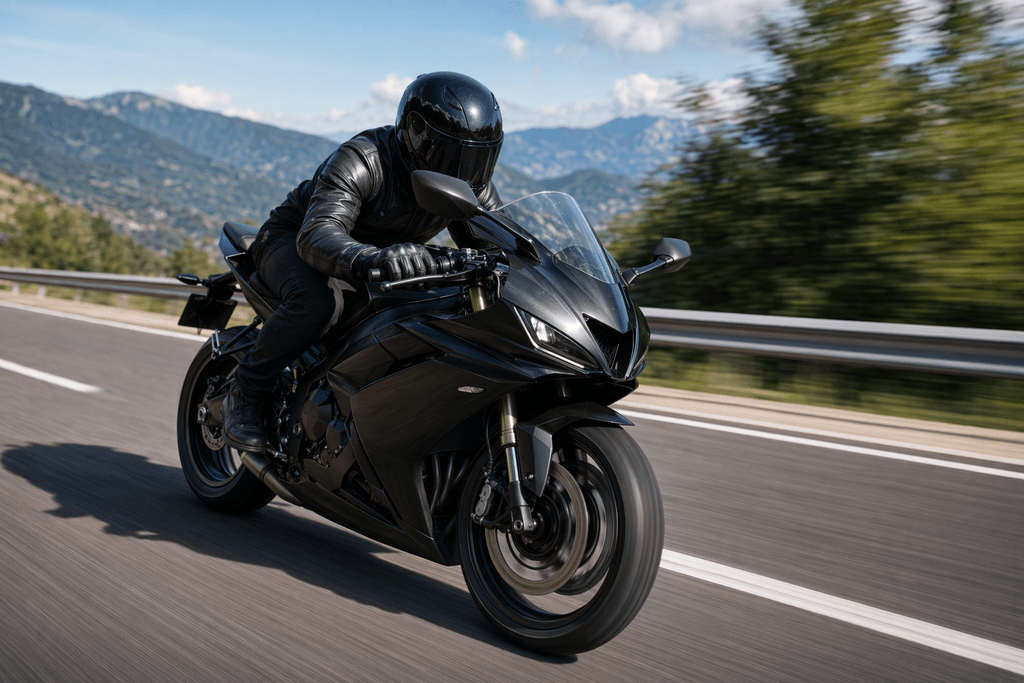
オートバイ
motorsiklo
オートバイ
motorsiklo
Explanation
motorsiklo
オートバイ
motorsiklo / iskuter (motor na iskuter)
( romanization )
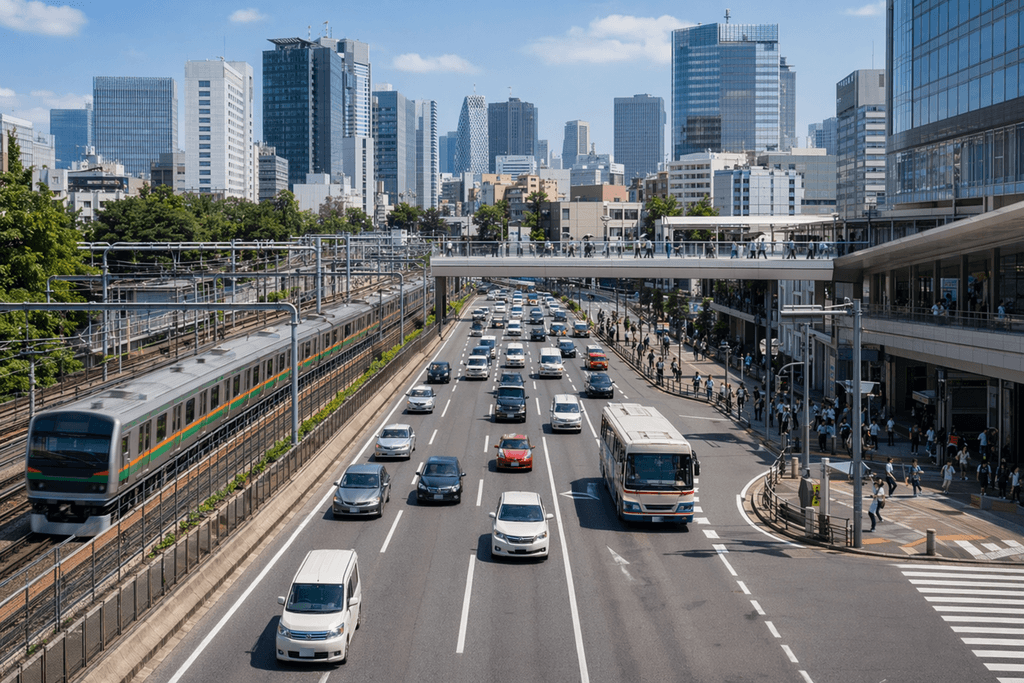
交通
trapiko / transportasyon
交通
trapiko / transportasyon
Explanation
交通
trapiko / transportasyon
交通
transportasyon / trapiko
( Base form )
( romanization )
( romanization )
( hiragana historical )
( hiragana )
くれる
bigyan ako
くれる
bigyan ako
Explanation
bigyan ako
くれる
magbigay sa akin / gawin para sa akin

Word Forms
The basic and commonly used forms of this verb.
Basic forms
| Form | Word form | Usage |
|---|---|---|
| Imperfective form (mizenkei) | Connects to endings such as nai, reru, and seru. | |
| Continuative form (renyokei) | Connects to endings such as masu, tai, and ta. | |
| Conclusive form (shushikei) | Ends a sentence and serves as the dictionary form. | |
| Attributive form (rentaikei) | Modifies a noun. | |
| Conditional form (kateikei) | Combines with ba to express a condition. | |
| Imperative form (meireikei) |
Alternative:
くれろ
くれよ
|
Expresses a command or instruction. |
Common forms
| Form | Word form | Usage |
|---|---|---|
| Te-form | Connects clauses with te. | |
| Ta-form | Expresses the past with ta. | |
| Nai-form | Expresses negation with nai. | |
| Masu-form | Used for polite speech. | |
| Ba-form | Expresses a condition with ba. | |
| Volitional form | Expresses intention or invitation. |
Notes
Loading...

JLPT N4 多言語単語帳・631語 / JLPT N4 Multilingual Vocabulary: 631 Words

Jonathan Waller 氏の JLPT Resources の語彙リスト・レベル分類を出典とし、CC BY の条件に従って DiQt が初級向けに意味を作り直した631語の単語帳です。JLPT公式の語彙リストではありません。
This collection of 631 words is based on the vocabulary list and level classifications in Jonathan Waller’s JLPT Resources under CC BY, with meanings rewritten by DiQt for beginners. It is not an official JLPT vocabulary list.
Key Operations
Select the first quiz:
Ctrl + Enter
View Explanation:Ctrl + G
Close a feedback:Esc
When selecting a quiz
Answer:Enter
Select a choice:↓ or ↑
Reading out the question:Ctrl + K
View Hint: Ctrl + M
I don't know: Ctrl + Y



