
JLPT N4: Kahulugan ng mga salita - Unsolved

Alamin ang kahulugan ng 631 salita sa JLPT N4 sa Filipino sa pamamagitan ng mga tanong na may apat na pagpipilian.
-
lugar ng pagtitipon
-
titik
-
pagbabalik-aral
-
tumakas
-
sumayaw
-
bumaba sa sasakyan / bumaba
- 現代語の五段活用動詞。見出し表記は通常「思う」。「想う」は感情・イメージを伴う文脈で用いられる異表記。
- 未然形は後続により「思わない」「思おう」のように交替するが、basic.mizen には代表形「思わ」を示した。
-
mandurukot
-
araw
-
labas ng lungsod
-
sumulong
-
mang-api
-
mamingwit
-
tanggapan
-
tenis
-
pagpasok sa paaralan
-
kondisyon / kalusugan
-
kanayunan
-
tren na de-singaw
-
hindi maaari
-
pagkaraan ng mahabang panahon
-
mahalaga
-
gaya ng inaasahan / sa huli pa rin
-
pinaka
-
nang diretso / bigla
-
tindero
-
paghahanda ng kailangan
-
opinyon
-
salamat sa
-
balarila
-
zoo
寝坊
pagkakatulog nang sobra
寝坊
pagkakatulog nang sobra
Explanation
寝坊
pagkakatulog nang sobra
寝坊
pagkahuli ng gising / pagtulog nang lampas sa oras / taong nahuhuli ng gising

( Base form )
( romanization )
( romanization )
( hiragana historical )
( hiragana )
おもう
mag-isip / makaramdam
おもう
mag-isip / makaramdam
Explanation
mag-isip / makaramdam
おもう
isipin / ituring / mangulila

Word Forms
The basic and commonly used forms of this verb.
Basic forms
| Form | Word form | Usage |
|---|---|---|
| Imperfective form (mizenkei) |
Alternative:
想わ
|
Connects to endings such as nai, reru, and seru. |
| Continuative form (renyokei) |
Alternative:
想い
|
Connects to endings such as masu, tai, and ta. |
| Conclusive form (shushikei) |
Alternative:
想う
|
Ends a sentence and serves as the dictionary form. |
| Attributive form (rentaikei) |
Alternative:
想う
|
Modifies a noun. |
| Conditional form (kateikei) |
Alternative:
想え
|
Combines with ba to express a condition. |
| Imperative form (meireikei) |
Alternative:
想え
|
Expresses a command or instruction. |
Common forms
| Form | Word form | Usage |
|---|---|---|
| Te-form |
Alternative:
想って
|
Connects clauses with te. |
| Ta-form |
Alternative:
想った
|
Expresses the past with ta. |
| Nai-form |
Alternative:
想わない
|
Expresses negation with nai. |
| Masu-form |
Alternative:
想います
|
Used for polite speech. |
| Ba-form |
Alternative:
想えば
|
Expresses a condition with ba. |
| Volitional form |
Alternative:
想おう
|
Expresses intention or invitation. |
Notes
辞典
diksiyonaryo
辞典
diksiyonaryo
Explanation
辞典
diksiyonaryo
辞典
diksiyonaryo / talatinigan / aklat ng kahulugan ng mga salita

( Base form )
( Base form )
( romanization )
( romanization )
( kyūjitai )
( hiragana )
準備する
maghanda
準備する
maghanda
Explanation
準備する
maghanda
準備する
maghanda / ihanda

Word Forms
The basic and commonly used forms of this verb.
Basic forms
| Form | Word form | Usage |
|---|---|---|
| Imperfective form (mizenkei) |
Alternative:
準備せ
準備さ
|
Connects to endings such as nai, reru, and seru. |
| Continuative form (renyokei) | Connects to endings such as masu, tai, and ta. | |
| Conclusive form (shushikei) | Ends a sentence and serves as the dictionary form. | |
| Attributive form (rentaikei) | Modifies a noun. | |
| Conditional form (kateikei) | Combines with ba to express a condition. | |
| Imperative form (meireikei) |
Alternative:
準備せよ
|
Expresses a command or instruction. |
Common forms
石
bato
石
bato
Explanation
石
bato
石
bato / batong-hiyas

( romanization )
( hiragana )
お土産
pasalubong
お土産
pasalubong
Explanation
お土産
pasalubong

必要
kailangan
必要
kailangan
Explanation
必要
kailangan
必要
kailangan / kinakailangan

Word Forms
The basic and commonly used forms of this adjectival noun.
Basic forms
| Form | Word form | Usage |
|---|---|---|
| Imperfective form (mizenkei) | Used in forms such as darou. | |
| Continuative form (renyokei) |
Alternative:
必要に
|
Used with de or ni. |
| Conclusive form (shushikei) |
Alternative:
必要です
|
Ends a sentence with da. |
| Attributive form (rentaikei) |
Alternative:
必要である
|
Modifies a noun with na. |
| Conditional form (kateikei) |
Alternative:
必要であれば
|
Expresses a condition with nara. |
| Imperative form (meireikei) | Used in formal expressions such as de are. |
Common forms
たいてい
kadalasan
たいてい
kadalasan
Explanation
kadalasan
たいてい
karaniwan / kadalasan / sa pangkalahatan

( romanization )
金持ち
mayamang tao
金持ち
mayamang tao
Explanation
金持ち
mayamang tao
金持ち
mayaman / may-kaya / taong mayaman

( romanization )
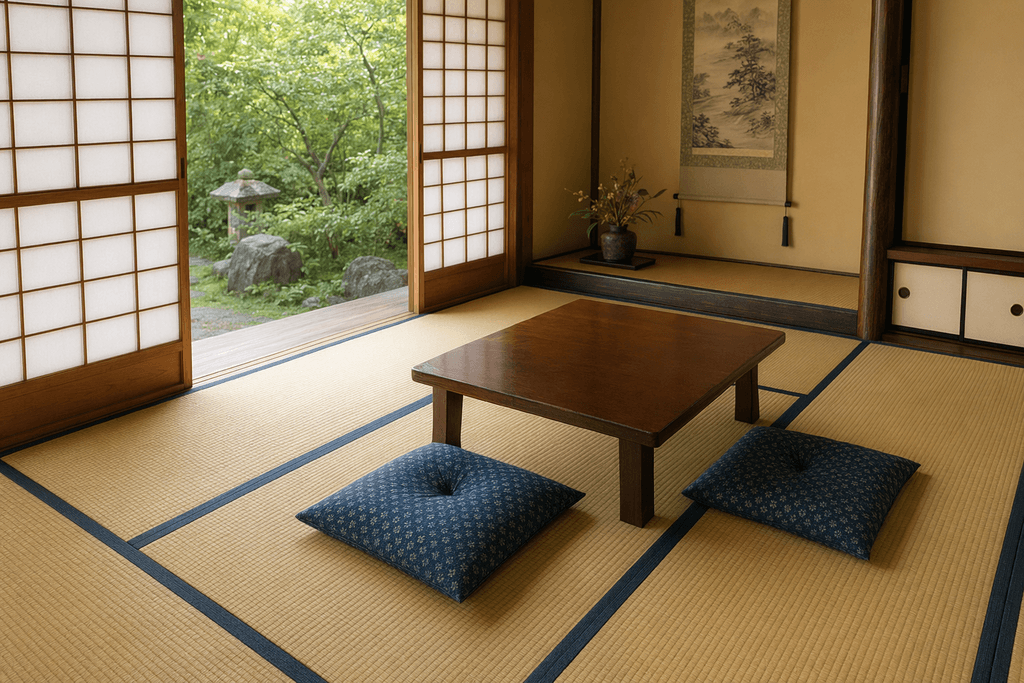
畳
banig na tatami
畳
banig na tatami
Explanation
畳
banig na tatami
畳
tatami / banig na Hapon / banig na yari sa dayami na gamit sa tradisyunal na silid sa Hapon
( romanization )
( hiragana )
Loading...

JLPT N4 多言語単語帳・631語 / JLPT N4 Multilingual Vocabulary: 631 Words

Jonathan Waller 氏の JLPT Resources の語彙リスト・レベル分類を出典とし、CC BY の条件に従って DiQt が初級向けに意味を作り直した631語の単語帳です。JLPT公式の語彙リストではありません。
This collection of 631 words is based on the vocabulary list and level classifications in Jonathan Waller’s JLPT Resources under CC BY, with meanings rewritten by DiQt for beginners. It is not an official JLPT vocabulary list.
Key Operations
Select the first quiz:
Ctrl + Enter
View Explanation:Ctrl + G
Close a feedback:Esc
When selecting a quiz
Answer:Enter
Select a choice:↓ or ↑
Reading out the question:Ctrl + K
View Hint: Ctrl + M
I don't know: Ctrl + Y



