
JLPT N4: Kahulugan ng mga salita - Unsolved

Alamin ang kahulugan ng 631 salita sa JLPT N4 sa Filipino sa pamamagitan ng mga tanong na may apat na pagpipilian.
-
makakita
-
pag-isipan
-
manalo
-
trabahong part-time
-
mga paninda
-
salamin
-
wala sa bahay
-
salamin
-
dentista
-
kumuha ng pagsusulit / dumalo sa aralin
-
itindig
-
matapos na
-
gawin
-
mamingwit
-
pulutin
-
palitan
-
bumaba sa sasakyan / bumaba
-
umabot sa oras
-
bumaba
-
lumibot / umikot
-
magluwas
-
kondisyon / kalusugan
-
personal na kompyuter
-
silid-pulungan
-
suit
-
paggabay
-
miso
-
itindig
-
mabali / matiklop
-
mag-brodkast
見つかる
matagpuan
見つかる
matagpuan
Explanation
見つかる
matagpuan
見つかる
matagpuan / mahanap / matuklasan

Word Forms
The basic and commonly used forms of this verb.
Basic forms
| Form | Word form | Usage |
|---|---|---|
| Imperfective form (mizenkei) |
Alternative:
見つかろ
|
Connects to endings such as nai, reru, and seru. |
| Continuative form (renyokei) | Connects to endings such as masu, tai, and ta. | |
| Conclusive form (shushikei) | Ends a sentence and serves as the dictionary form. | |
| Attributive form (rentaikei) | Modifies a noun. | |
| Conditional form (kateikei) | Combines with ba to express a condition. | |
| Imperative form (meireikei) | Expresses a command or instruction. |
Common forms
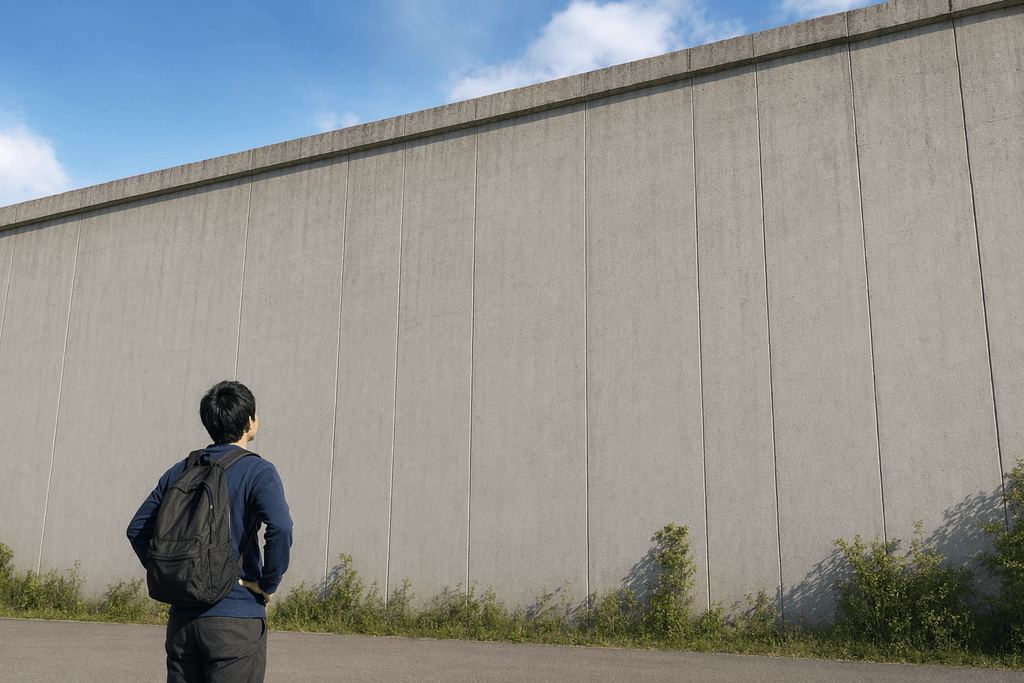
壁
dingding
壁
dingding
Explanation
壁
dingding
壁
pader / dingding / hadlang
( romanization )
( hiragana )
事故
aksidente
事故
aksidente
Explanation
事故
aksidente
事故
aksidente / insidente / aberya

( Base form )
( romanization )
( counter )
( hiragana )
塗る
pintahan / ipahid
塗る
pintahan / ipahid
Explanation
塗る
pintahan / ipahid
塗る
pinturahan / pahiran / lagyan ng palitada

Word Forms
The basic and commonly used forms of this verb.
Basic forms
| Form | Word form | Usage |
|---|---|---|
| Imperfective form (mizenkei) | Connects to endings such as nai, reru, and seru. | |
| Continuative form (renyokei) | Connects to endings such as masu, tai, and ta. | |
| Conclusive form (shushikei) | Ends a sentence and serves as the dictionary form. | |
| Attributive form (rentaikei) | Modifies a noun. | |
| Conditional form (kateikei) | Combines with ba to express a condition. | |
| Imperative form (meireikei) | Expresses a command or instruction. |
Common forms
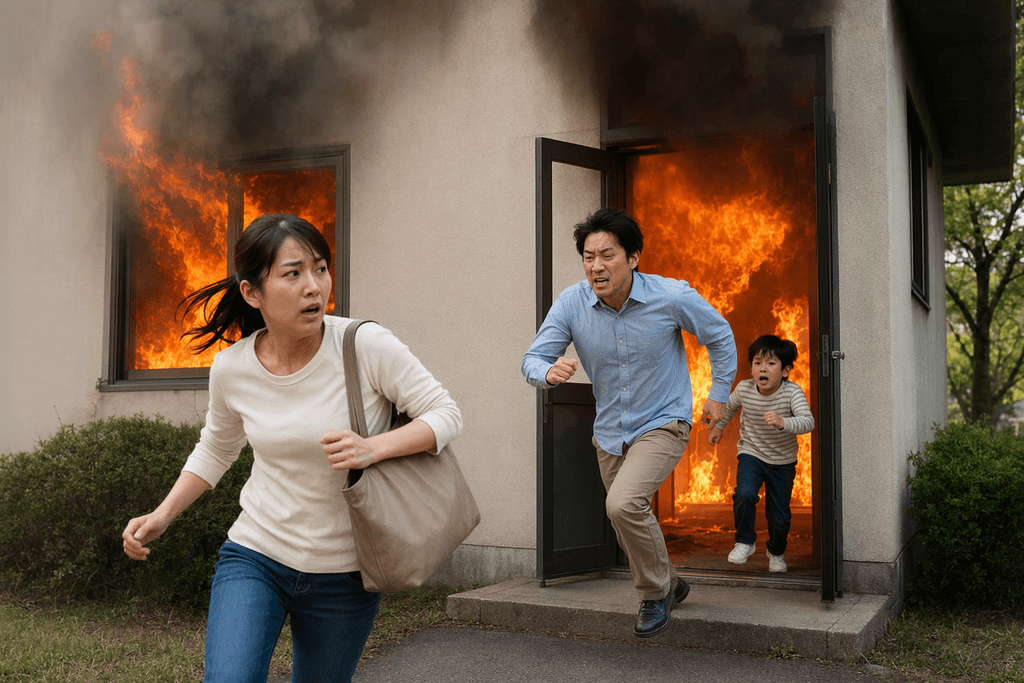
逃げる
tumakas
逃げる
tumakas
Explanation
逃げる
tumakas
逃げる
tumakas / umiwas (sa panganib o masamang sitwasyon) / manalo nang dikit (sa isports)
Word Forms
The basic and commonly used forms of this verb.
Basic forms
| Form | Word form | Usage |
|---|---|---|
| Imperfective form (mizenkei) | Connects to endings such as nai, reru, and seru. | |
| Continuative form (renyokei) | Connects to endings such as masu, tai, and ta. | |
| Conclusive form (shushikei) | Ends a sentence and serves as the dictionary form. | |
| Attributive form (rentaikei) | Modifies a noun. | |
| Conditional form (kateikei) | Combines with ba to express a condition. | |
| Imperative form (meireikei) |
Alternative:
逃げよ
|
Expresses a command or instruction. |
Common forms
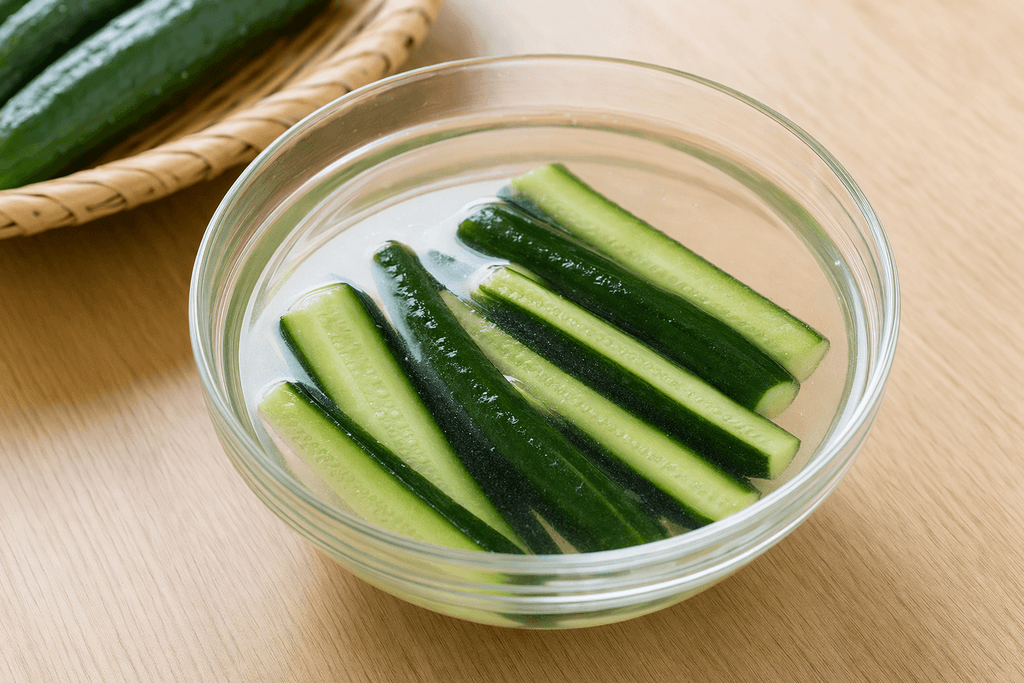
漬ける
ibabad / atsarahin
漬ける
ibabad / atsarahin
Explanation
漬ける
ibabad / atsarahin
漬ける
ibabad / ilubog / mag-atsara
Word Forms
The basic and commonly used forms of this verb.
Basic forms
| Form | Word form | Usage |
|---|---|---|
| Imperfective form (mizenkei) | Connects to endings such as nai, reru, and seru. | |
| Continuative form (renyokei) | Connects to endings such as masu, tai, and ta. | |
| Conclusive form (shushikei) | Ends a sentence and serves as the dictionary form. | |
| Attributive form (rentaikei) | Modifies a noun. | |
| Conditional form (kateikei) | Combines with ba to express a condition. | |
| Imperative form (meireikei) |
Alternative:
漬けよ
|
Expresses a command or instruction. |
Common forms
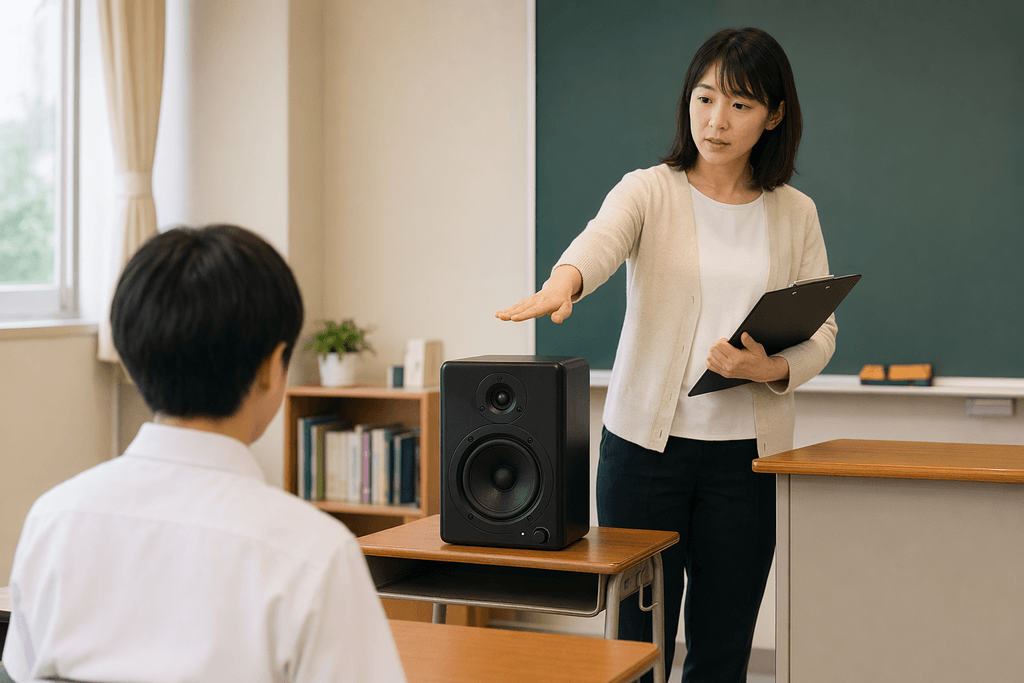
下げる
ibaba / isabit
下げる
ibaba / isabit
Explanation
下げる
ibaba / isabit
下げる
ibaba / magbaba / bawasan
Word Forms
The basic and commonly used forms of this verb.
Basic forms
| Form | Word form | Usage |
|---|---|---|
| Imperfective form (mizenkei) | Connects to endings such as nai, reru, and seru. | |
| Continuative form (renyokei) | Connects to endings such as masu, tai, and ta. | |
| Conclusive form (shushikei) | Ends a sentence and serves as the dictionary form. | |
| Attributive form (rentaikei) | Modifies a noun. | |
| Conditional form (kateikei) | Combines with ba to express a condition. | |
| Imperative form (meireikei) |
Alternative:
下げよ
|
Expresses a command or instruction. |
Common forms
すり
mandurukot
すり
mandurukot
Explanation
mandurukot
すり
mandurukot / magnanakaw sa bulsa
( romanization )
都合
kalagayan / kaginhawahan
都合
kalagayan / kaginhawahan
Explanation
都合
kalagayan / kaginhawahan
都合
kadalian / kalagayan / kondisyon

( Base form )
( romanization )
( romanization )
( hiragana historical )
( hiragana )
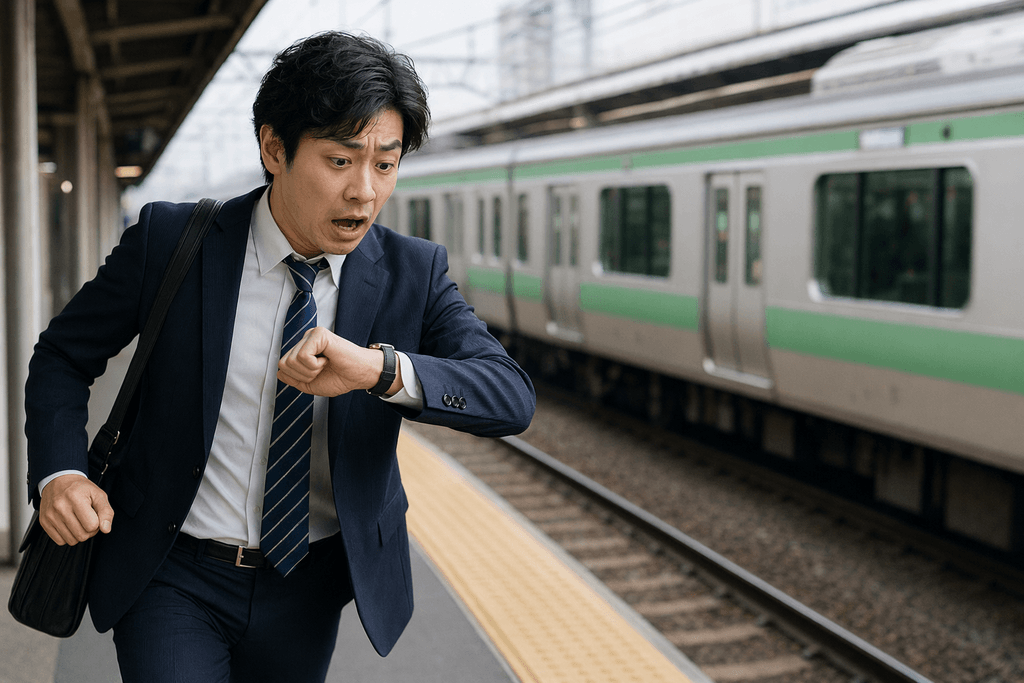
遅れる
mahuli sa oras
遅れる
mahuli sa oras
Explanation
遅れる
mahuli sa oras
遅れる
mahuli / maantala / mapag-iwanan
Word Forms
The basic and commonly used forms of this verb.
Basic forms
| Form | Word form | Usage |
|---|---|---|
| Imperfective form (mizenkei) | Connects to endings such as nai, reru, and seru. | |
| Continuative form (renyokei) | Connects to endings such as masu, tai, and ta. | |
| Conclusive form (shushikei) | Ends a sentence and serves as the dictionary form. | |
| Attributive form (rentaikei) | Modifies a noun. | |
| Conditional form (kateikei) | Combines with ba to express a condition. | |
| Imperative form (meireikei) |
Alternative:
遅れよ
|
Expresses a command or instruction. |
Common forms
Loading...

JLPT N4 多言語単語帳・631語 / JLPT N4 Multilingual Vocabulary: 631 Words

Jonathan Waller 氏の JLPT Resources の語彙リスト・レベル分類を出典とし、CC BY の条件に従って DiQt が初級向けに意味を作り直した631語の単語帳です。JLPT公式の語彙リストではありません。
This collection of 631 words is based on the vocabulary list and level classifications in Jonathan Waller’s JLPT Resources under CC BY, with meanings rewritten by DiQt for beginners. It is not an official JLPT vocabulary list.
Key Operations
Select the first quiz:
Ctrl + Enter
View Explanation:Ctrl + G
Close a feedback:Esc
When selecting a quiz
Answer:Enter
Select a choice:↓ or ↑
Reading out the question:Ctrl + K
View Hint: Ctrl + M
I don't know: Ctrl + Y



