
JLPT N4: Kahulugan ng mga salita - Unsolved

Alamin ang kahulugan ng 631 salita sa JLPT N4 sa Filipino sa pamamagitan ng mga tanong na may apat na pagpipilian.
-
itigil
-
magbigay
-
mabasa
-
matigas
-
malungkot
-
napakaganda
-
bigas
-
tenis
-
anak na babae / dalaga
-
paraan
-
pagkasira
-
paaralang junior high
-
noong unang panahon
-
uri / estilo
-
pagkakatulog nang sobra
-
kumain
-
kumagat / ngumuya
-
matapos na
-
tugon
-
teknolohiya / kasanayan
-
hindi bababa sa / iyon lamang
-
nang buong sikap
-
ni katiting
-
nang walang palya
-
estante
-
puwang / pagitan ng oras
-
hinaharap
-
tradisyonal na tuluyan sa Japan
-
sanhi
-
eksibisyon
尋ねる
magtanong
尋ねる
magtanong
Explanation
尋ねる
magtanong
尋ねる
magtanong / mag-usisa / magtanong ng impormasyon

Word Forms
The basic and commonly used forms of this verb.
Basic forms
| Form | Word form | Usage |
|---|---|---|
| Imperfective form (mizenkei) | Connects to endings such as nai, reru, and seru. | |
| Continuative form (renyokei) | Connects to endings such as masu, tai, and ta. | |
| Conclusive form (shushikei) | Ends a sentence and serves as the dictionary form. | |
| Attributive form (rentaikei) | Modifies a noun. | |
| Conditional form (kateikei) | Combines with ba to express a condition. | |
| Imperative form (meireikei) |
Alternative:
尋ねよ
|
Expresses a command or instruction. |
Common forms
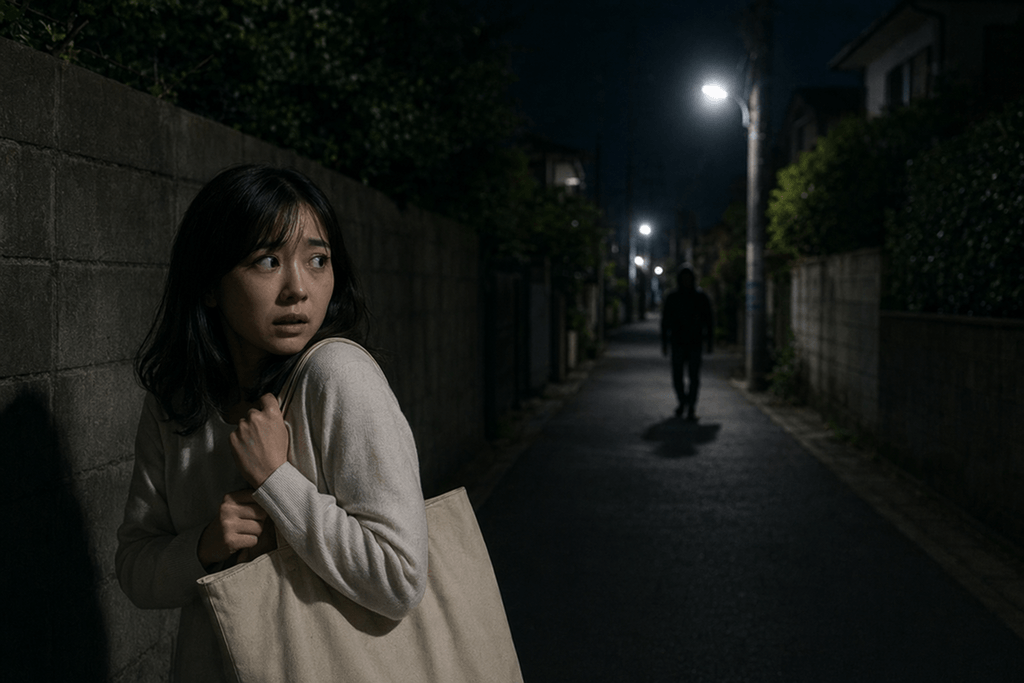
怖い
nakakatakot
怖い
nakakatakot
Explanation
怖い
nakakatakot
怖い
nakakatakot / nakakakilabot / natatakot
Word Forms
The basic and commonly used forms of this adjective.
Basic forms
| Form | Word form | Usage |
|---|---|---|
| Imperfective form (mizenkei) | Used in forms such as karou; mainly literary. | |
| Continuative form (renyokei) |
Alternative:
怖かっ
|
Used in forms such as kute and kunai. |
| Conclusive form (shushikei) | Ends a sentence. | |
| Attributive form (rentaikei) | Modifies a noun. | |
| Conditional form (kateikei) | Expresses a condition with kereba. | |
| Imperative form (meireikei) | Rarely used in modern Japanese. |
Common forms
自由
kalayaan
自由
kalayaan
Explanation
自由
kalayaan
自由
kalayaan / pangangailangan (sa mga kalakal o serbisyo) / palikuran

( Base form )
( romanization )
( romanization )
( hiragana historical )
( hiragana )
相談
pagsangguni
相談
pagsangguni
Explanation
相談
pagsangguni
相談
payo / konsultasyon / pagsangguni

( Base form )
( romanization )
( hiragana )
注射
iniksyon
注射
iniksyon
Explanation
注射
iniksyon
注射
inyeksyon / turok (ng gamot) / pag-inyeksyon

( Base form )
( romanization )
( hiragana )
沸かす
magpakulo ng tubig
沸かす
magpakulo ng tubig
Explanation
沸かす
magpakulo ng tubig
沸かす
pakuluin ang tubig / magpakulo ng tubig / painitin ang tubig hanggang kumulo

Word Forms
The basic and commonly used forms of this verb.
Basic forms
| Form | Word form | Usage |
|---|---|---|
| Imperfective form (mizenkei) |
Alternative:
沸かそ
|
Connects to endings such as nai, reru, and seru. |
| Continuative form (renyokei) | Connects to endings such as masu, tai, and ta. | |
| Conclusive form (shushikei) | Ends a sentence and serves as the dictionary form. | |
| Attributive form (rentaikei) | Modifies a noun. | |
| Conditional form (kateikei) | Combines with ba to express a condition. | |
| Imperative form (meireikei) | Expresses a command or instruction. |
Common forms
場合
sitwasyon
場合
sitwasyon
Explanation
場合
sitwasyon
場合
kapag; kung sakali / kaso / pagkakataon; sitwasyon

( Base form )
( romanization )
( romanization )
( hiragana historical )
( hiragana )
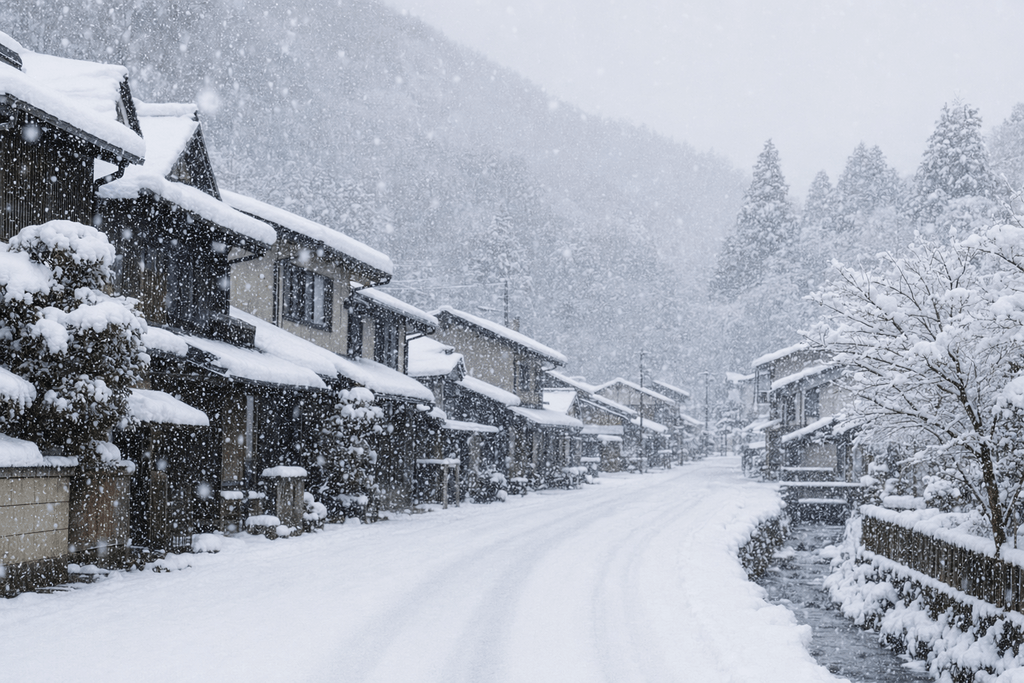
ほとんど
karamihan / halos
ほとんど
karamihan / halos
Explanation
karamihan / halos
ほとんど
halos / halos lahat / karamihan
( Base form )
( romanization )
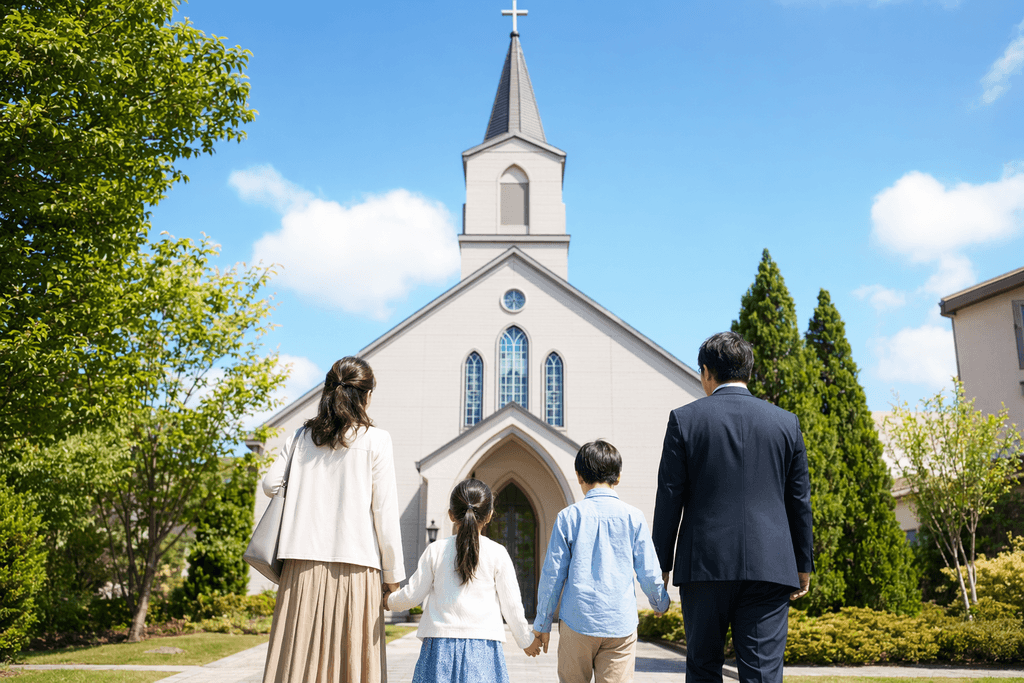
教会
simbahan
教会
simbahan
Explanation
教会
simbahan
教会
gusaling sambahan ng mga Kristiyano; simbahan / organisasyon o komunidad ng mga mananampalatayang Kristiyano; Iglesia
( Base form )
( romanization )
( romanization )
( hiragana historical )
( hiragana )
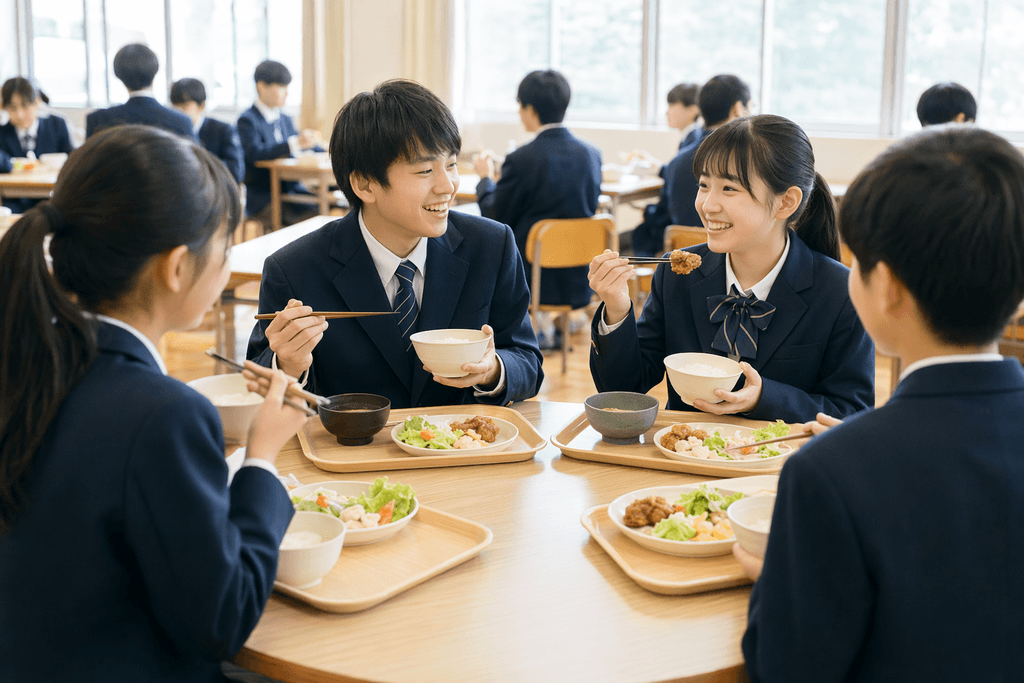
昼休み
pahinga sa tanghali
昼休み
pahinga sa tanghali
Explanation
昼休み
pahinga sa tanghali
昼休み
pahinga sa tanghali / oras ng tanghalian / recess sa tanghali
( Base form )
( romanization )
Loading...

JLPT N4 多言語単語帳・631語 / JLPT N4 Multilingual Vocabulary: 631 Words

Jonathan Waller 氏の JLPT Resources の語彙リスト・レベル分類を出典とし、CC BY の条件に従って DiQt が初級向けに意味を作り直した631語の単語帳です。JLPT公式の語彙リストではありません。
This collection of 631 words is based on the vocabulary list and level classifications in Jonathan Waller’s JLPT Resources under CC BY, with meanings rewritten by DiQt for beginners. It is not an official JLPT vocabulary list.
Key Operations
Select the first quiz:
Ctrl + Enter
View Explanation:Ctrl + G
Close a feedback:Esc
When selecting a quiz
Answer:Enter
Select a choice:↓ or ↑
Reading out the question:Ctrl + K
View Hint: Ctrl + M
I don't know: Ctrl + Y



