
JLPT N5 शब्दार्थ अभ्यास - Unsolved

चार विकल्प भएका प्रश्नबाट JLPT N5 का 665 शब्दका अर्थ नेपालीमा सिक्नुहोस्।
-
बन्द हुनु
-
राख्नु
-
टाँस्नु
-
लुगा लगाउनु
-
लेख्नु
-
फोटो खिच्नु
- 存在を表す「ある」は五段ラ行活用だが、現代標準語の否定は通常「ない」を用いる。
- 「あらない」は通常の現代語ではまれ。
-
मन नपर्ने
-
महत्त्वपूर्ण
-
मन पर्नु
- 表記は漢字表記「色々」と仮名表記「いろいろ」がともに用いられる。
- 形容動詞(ナ形容詞)としては「色々な」「色々だ」の形で用いる。
-
शान्त
-
प्रसिद्ध
-
मजबुत / स्वस्थ
- 「真っ直ぐに」のほか、副詞的に「真っ直ぐ行く」のように助詞なしでも用いられます。
- 表記ゆれとして「まっすぐ」も一般的です。
-
बीस दिन / महिनाको बीस गते
-
पाइन्ट
-
दाजु
-
घर
-
औपचारिक सर्ट
-
गाउँ
-
स्नान
-
साँझ
-
रेडियो क्यासेट प्लेयर
-
एक जना
-
मिठाई
-
प्रहरी
-
तीन
-
चार
-
दस
-
धन्यवाद
-
होइन
-
ल त
習う
सिक्नु
習う
सिक्नु
Explanation
習う
सिक्नु
習う
सिक्नु / पाठ लिनु / तालिम लिनु

Word Forms
The basic and commonly used forms of this verb.
Basic forms
| Form | Word form | Usage |
|---|---|---|
| Imperfective form (mizenkei) |
Alternative:
習お
|
Connects to endings such as nai, reru, and seru. |
| Continuative form (renyokei) | Connects to endings such as masu, tai, and ta. | |
| Conclusive form (shushikei) | Ends a sentence and serves as the dictionary form. | |
| Attributive form (rentaikei) | Modifies a noun. | |
| Conditional form (kateikei) | Combines with ba to express a condition. | |
| Imperative form (meireikei) | Expresses a command or instruction. |
Common forms
ある
हुनु / आफूसँग हुनु
ある
हुनु / आफूसँग हुनु
Explanation
हुनु / आफूसँग हुनु
ある
अस्तित्व हुनु (निर्जीव/वस्तु) / अवस्थित हुनु / उपस्थित हुनु

Word Forms
The basic and commonly used forms of this verb.
Basic forms
| Form | Word form | Usage |
|---|---|---|
| Imperfective form (mizenkei) |
Alternative:
あろ
|
Connects to endings such as nai, reru, and seru. |
| Continuative form (renyokei) | Connects to endings such as masu, tai, and ta. | |
| Conclusive form (shushikei) | Ends a sentence and serves as the dictionary form. | |
| Attributive form (rentaikei) | Modifies a noun. | |
| Conditional form (kateikei) | Combines with ba to express a condition. | |
| Imperative form (meireikei) | Expresses a command or instruction. |
Common forms
| Form | Word form | Usage |
|---|---|---|
| Te-form | Connects clauses with te. | |
| Ta-form | Expresses the past with ta. | |
| Nai-form |
Alternative:
あらない
|
Expresses negation with nai. |
| Masu-form | Used for polite speech. | |
| Ba-form | Expresses a condition with ba. | |
| Volitional form | Expresses intention or invitation. |
Notes
色々
विभिन्न
色々
विभिन्न
Explanation
色々
विभिन्न
色々
विभिन्न / विविध प्रकारका / किसिम–किसिमका

Word Forms
The basic and commonly used forms of this adjectival noun.
Basic forms
| Form | Word form | Usage |
|---|---|---|
| Imperfective form (mizenkei) |
Alternative:
いろいろだろ
|
Used in forms such as darou. |
| Continuative form (renyokei) |
Alternative:
いろいろで
色々に
いろいろに
|
Used with de or ni. |
| Conclusive form (shushikei) |
Alternative:
いろいろだ
|
Ends a sentence with da. |
| Attributive form (rentaikei) |
Alternative:
いろいろな
色々の
いろいろの
|
Modifies a noun with na. |
| Conditional form (kateikei) |
Alternative:
いろいろなら
|
Expresses a condition with nara. |
| Imperative form (meireikei) |
Alternative:
いろいろであれ
|
Used in formal expressions such as de are. |
Common forms
| Form | Word form | Usage |
|---|---|---|
| Te-form equivalent |
Alternative:
いろいろで
|
Connects clauses using de. |
| Ta-form |
Alternative:
いろいろだった
|
Expresses the past with datta. |
| Nai-form |
Alternative:
いろいろではない
色々じゃない
いろいろじゃない
|
Expresses negation with dewa nai or ja nai. |
| Desu-form |
Alternative:
いろいろです
|
Used for polite speech. |
Notes
真っ直ぐ
सिधा अगाडि
真っ直ぐ
सिधा अगाडि
Explanation
真っ直ぐ
सिधा अगाडि
真っ直ぐ
सिधा / सिधै / इमानदार; सिधासरल

Word Forms
The basic and commonly used forms of this adjectival noun.
Basic forms
| Form | Word form | Usage |
|---|---|---|
| Imperfective form (mizenkei) | Used in forms such as darou. | |
| Continuative form (renyokei) |
Alternative:
真っ直ぐに
真っ直ぐだっ
|
Used with de or ni. |
| Conclusive form (shushikei) | Ends a sentence with da. | |
| Attributive form (rentaikei) |
Alternative:
真っ直ぐなる
|
Modifies a noun with na. |
| Conditional form (kateikei) |
Alternative:
真っ直ぐならば
|
Expresses a condition with nara. |
| Imperative form (meireikei) | Used in formal expressions such as de are. |
Common forms
| Form | Word form | Usage |
|---|---|---|
| Te-form equivalent | Connects clauses using de. | |
| Ta-form | Expresses the past with datta. | |
| Nai-form |
Alternative:
真っ直ぐじゃない
|
Expresses negation with dewa nai or ja nai. |
| Desu-form | Used for polite speech. |
Notes
南
दक्षिण
南
दक्षिण
Explanation
南
दक्षिण
南
दक्षिण / दक्षिण दिशा / दक्षिण भाग

( romanization )
( hiragana )
あたま
टाउको
あたま
टाउको
Explanation
टाउको
あたま
टाउको / शिर / दिमाग

( romanization )
方
व्यक्ति
方
व्यक्ति
Explanation
方
व्यक्ति
方
व्यक्ति (आदरात्मक) / मान्छे (सम्मानजनक)

( romanization )
( hiragana )
木
रूख / काठ
木
रूख / काठ
Explanation
木
रूख / काठ
木
रुख / काठ / चीनी पाँच तत्त्वको ‘काठ’ तत्त्व
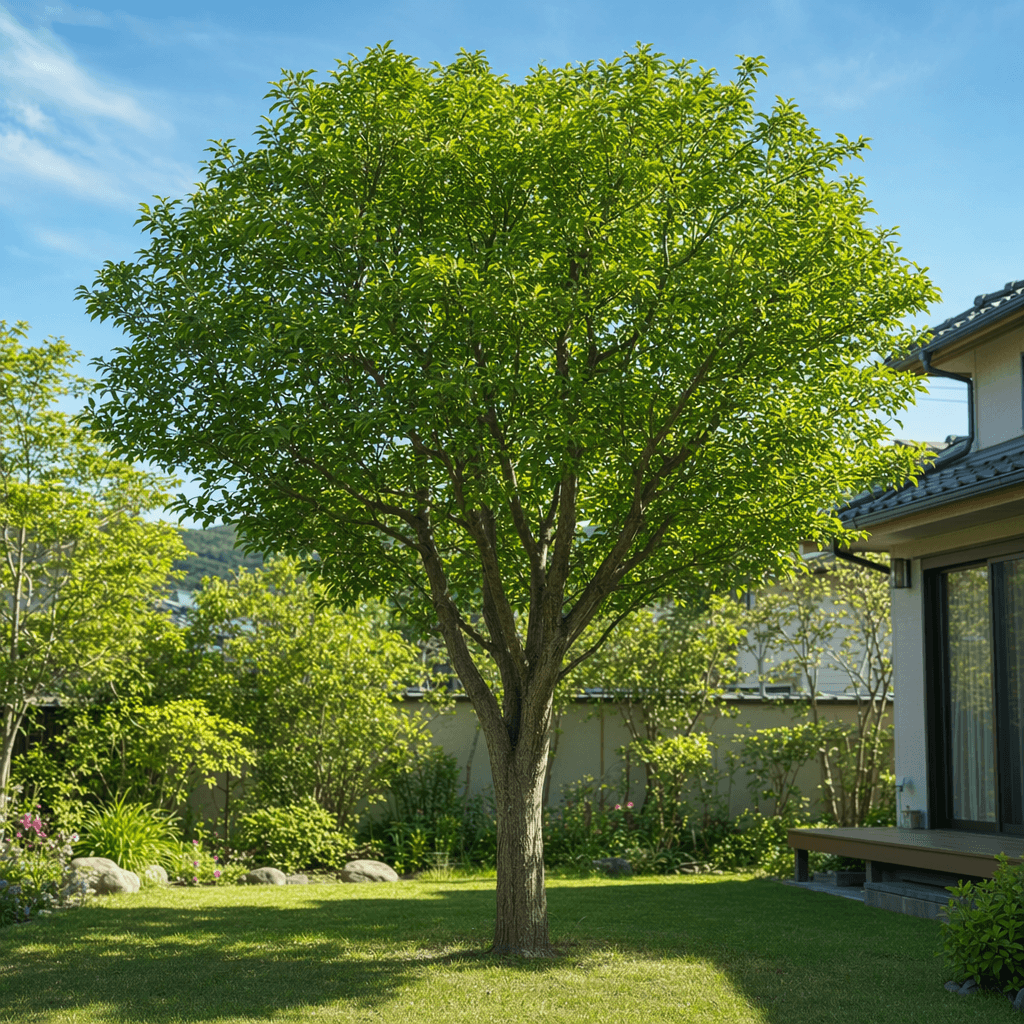
( romanization )
( hiragana )
六
छ
六
छ
Explanation
六
छ
六
छ / संख्या ६

ええ
हो
ええ
हो
Explanation
हो
ええ
हो / हुन्छ / पक्कै

( romanization )
Loading...

JLPT N5 多言語単語帳・665語 / JLPT N5 Multilingual Vocabulary: 665 Words

Jonathan Waller 氏の JLPT Resources の語彙リスト・レベル分類を出典とし、CC BY の条件に従って DiQt が初級向けに意味を作り直した665語の単語帳です。JLPT公式の語彙リストではありません。
This collection of 665 words is based on the vocabulary list and level classifications in Jonathan Waller’s JLPT Resources under CC BY, with meanings rewritten by DiQt for beginners. It is not an official JLPT vocabulary list.
Key Operations
Select the first quiz:
Ctrl + Enter
View Explanation:Ctrl + G
Close a feedback:Esc
When selecting a quiz
Answer:Enter
Select a choice:↓ or ↑
Reading out the question:Ctrl + K
View Hint: Ctrl + M
I don't know: Ctrl + Y



