
JLPT N5 शब्दार्थ अभ्यास - Unsolved

चार विकल्प भएका प्रश्नबाट JLPT N5 का 665 शब्दका अर्थ नेपालीमा सिक्नुहोस्।
-
मासु
-
आधा
-
एक
-
बिहान
-
विद्यालय
-
पर्स
-
पकाएको भात / खाना
-
नीलो
-
नम्बर
-
खानु
-
पियानो बजाउनु / गितार बजाउनु
-
जान्नु
- 「走る」は五段活用ラ行の動詞。連用形接続の「て/た」は促音便により「走って」「走った」となる。
-
चाहनु
-
स्वादिलो
-
चाँडो
-
काका / अधबैंसे पुरुष
-
जन्मदिन
-
बेलुकाको खाना
-
कक्षाकोठा
-
बगैँचा
-
वसन्त ऋतु
-
साँचो
-
टाउको
-
पश्चिमी शैलीको लुगा
-
पकाउने काम / परिकार
-
आज बिहान
-
अस्ति
-
त्यता
-
कुन / कतातिर
-
यता
お父さん
बुबा
お父さん
बुबा
Explanation
お父さん
बुबा
お父さん
पिता (सम्मानसूचक) / बाबु (सम्मानसूचक) / बाबा (सम्मानसूचक)

( Base form )
( romanization )
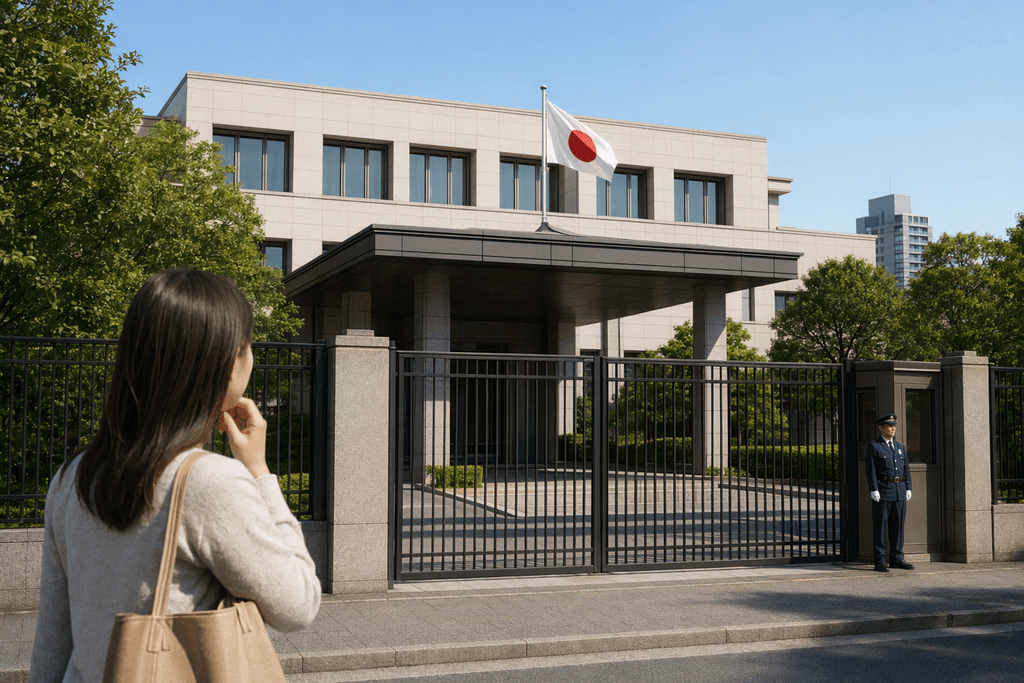
大使館
दूतावास
大使館
दूतावास
Explanation
大使館
दूतावास
大使館
दूतावास / राजदूतको कार्यालय वा परिसर / विदेशी सरकारको कूटनीतिक प्रतिनिधि संस्था
( Base form )
( romanization )
( romanization )
( hiragana historical )
( hiragana )
奥さん
श्रीमती
奥さん
श्रीमती
Explanation
奥さん
श्रीमती
奥さん
अरूको पत्नी (आदरसूचक) / विवाहित महिला; म्याडम / दोकान/रेस्टुराँकी मालकिन वा बोलचालमा आफ्नी श्रीमती

( Base form )
( romanization )
走る
दौडनु
走る
दौडनु
Explanation
走る
दौडनु
走る
दौडिनु / खुट्टाले छिटो सर्नु

Word Forms
The basic and commonly used forms of this verb.
Basic forms
| Form | Word form | Usage |
|---|---|---|
| Imperfective form (mizenkei) | Connects to endings such as nai, reru, and seru. | |
| Continuative form (renyokei) | Connects to endings such as masu, tai, and ta. | |
| Conclusive form (shushikei) | Ends a sentence and serves as the dictionary form. | |
| Attributive form (rentaikei) | Modifies a noun. | |
| Conditional form (kateikei) | Combines with ba to express a condition. | |
| Imperative form (meireikei) | Expresses a command or instruction. |
Common forms
| Form | Word form | Usage |
|---|---|---|
| Te-form | Connects clauses with te. | |
| Ta-form | Expresses the past with ta. | |
| Nai-form | Expresses negation with nai. | |
| Masu-form | Used for polite speech. | |
| Ba-form | Expresses a condition with ba. | |
| Volitional form | Expresses intention or invitation. |
Notes
汚い
फोहोर
汚い
फोहोर
Explanation
汚い
फोहोर
汚い
फोहोर / मैलो / अशुद्ध

Word Forms
The basic and commonly used forms of this adjective.
Basic forms
| Form | Word form | Usage |
|---|---|---|
| Imperfective form (mizenkei) | Used in forms such as karou; mainly literary. | |
| Continuative form (renyokei) |
Alternative:
汚かっ
|
Used in forms such as kute and kunai. |
| Conclusive form (shushikei) | Ends a sentence. | |
| Attributive form (rentaikei) | Modifies a noun. | |
| Conditional form (kateikei) | Expresses a condition with kereba. | |
| Imperative form (meireikei) | Rarely used in modern Japanese. |
Common forms
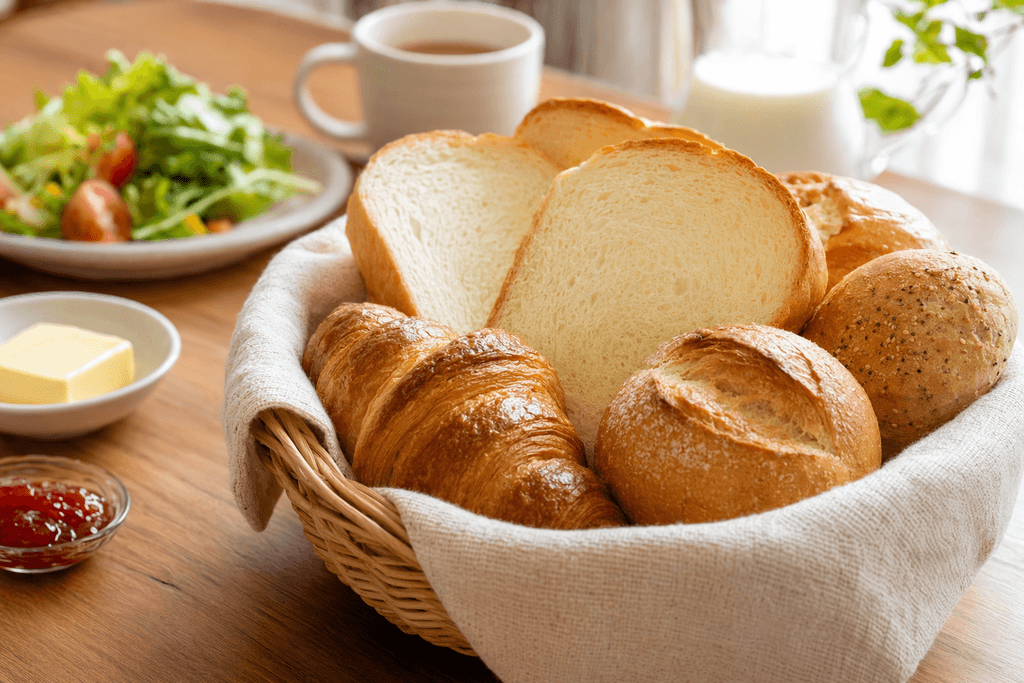
パン
पाउरोटी
パン
पाउरोटी
Explanation
पाउरोटी
パン
पाउरोटी / रोटी / डबल रोटी
( romanization )
一昨年
पोहोरभन्दा अघिल्लो वर्ष
一昨年
पोहोरभन्दा अघिल्लो वर्ष
Explanation
一昨年
पोहोरभन्दा अघिल्लो वर्ष
一昨年
परसाल / दुई वर्ष अघि / अघिल्लो वर्षभन्दा अघिको वर्ष

( Base form )
( romanization )
( hiragana )
( Base form )
( romanization )
( romanization )
( hiragana historical )
( hiragana )
先
अगाडि / पहिले
先
अगाडि / पहिले
Explanation
先
अगाडि / पहिले
先
पहिले/अघिल्लो / अगाडि/सामुन्ने / गन्तव्य/प्राप्तकर्ता/अर्को पक्ष

( romanization )
( hiragana )
言葉
शब्द / भाषा
言葉
शब्द / भाषा
Explanation
言葉
शब्द / भाषा
言葉
शब्द / पद (परिभाषात्मक शब्द) / भाषा वा बोली

( Base form )
( romanization )
( hiragana )
あなた
तपाईं
あなた
तपाईं
Explanation
तपाईं
あなた
तपाईं (शिष्ट सम्बोधन) / तिमी / (पति–पत्नीबीच) प्रिय भनेर सम्बोधन

( romanization )
Loading...

JLPT N5 多言語単語帳・665語 / JLPT N5 Multilingual Vocabulary: 665 Words

Jonathan Waller 氏の JLPT Resources の語彙リスト・レベル分類を出典とし、CC BY の条件に従って DiQt が初級向けに意味を作り直した665語の単語帳です。JLPT公式の語彙リストではありません。
This collection of 665 words is based on the vocabulary list and level classifications in Jonathan Waller’s JLPT Resources under CC BY, with meanings rewritten by DiQt for beginners. It is not an official JLPT vocabulary list.
Key Operations
Select the first quiz:
Ctrl + Enter
View Explanation:Ctrl + G
Close a feedback:Esc
When selecting a quiz
Answer:Enter
Select a choice:↓ or ↑
Reading out the question:Ctrl + K
View Hint: Ctrl + M
I don't know: Ctrl + Y



