
JLPT N5 शब्दार्थ अभ्यास - Unsolved

चार विकल्प भएका प्रश्नबाट JLPT N5 का 665 शब्दका अर्थ नेपालीमा सिक्नुहोस्।
-
थोरै
-
छिटो
-
होचो / कम उचाइको
-
मोजा
-
चरा
-
पोखरी
-
खेल्नु
-
गर्नु
-
फिर्ता दिनु
-
ठूलो
-
छिटो
-
खतरनाक
-
क्यामेरा
-
जुत्ता
-
स्टेसन
-
आमा
-
सरसफाइ
-
गीत
-
कति पैसा
-
अलिकति
-
बिस्तारै
-
विभिन्न
-
मन नपर्ने
-
स्वस्थ / फुर्तिलो
-
नौनी
-
कम्पनी
-
दाजु
-
सुरुवात
-
पुस्तक
-
सलाई
古い
पुरानो
古い
पुरानो
Explanation
古い
पुरानो
古い
पुरानो / पुरातन / पुरानो ढङ्गको

Word Forms
The basic and commonly used forms of this adjective.
Basic forms
| Form | Word form | Usage |
|---|---|---|
| Imperfective form (mizenkei) | Used in forms such as karou; mainly literary. | |
| Continuative form (renyokei) |
Alternative:
古かっ
|
Used in forms such as kute and kunai. |
| Conclusive form (shushikei) | Ends a sentence. | |
| Attributive form (rentaikei) | Modifies a noun. | |
| Conditional form (kateikei) | Expresses a condition with kereba. | |
| Imperative form (meireikei) | Rarely used in modern Japanese. |
Common forms
冷蔵庫
फ्रिज
冷蔵庫
फ्रिज
Explanation
冷蔵庫
फ्रिज
冷蔵庫
फ्रिज / शीतलपेटी / खाना–पेय चिसो राख्ने यन्त्र

( Base form )
( romanization )
( romanization )
( counter )
( kyūjitai )
( hiragana historical )
( hiragana )
切る
काट्नु
切る
काट्नु
Explanation
切る
काट्नु
切る
काट्नु / छिन्नु / फाँड्नु

Word Forms
The basic and commonly used forms of this verb.
Basic forms
| Form | Word form | Usage |
|---|---|---|
| Imperfective form (mizenkei) | Connects to endings such as nai, reru, and seru. | |
| Continuative form (renyokei) | Connects to endings such as masu, tai, and ta. | |
| Conclusive form (shushikei) | Ends a sentence and serves as the dictionary form. | |
| Attributive form (rentaikei) | Modifies a noun. | |
| Conditional form (kateikei) | Combines with ba to express a condition. | |
| Imperative form (meireikei) | Expresses a command or instruction. |
Common forms
広い
फराकिलो / चौडा
広い
फराकिलो / चौडा
Explanation
広い
फराकिलो / चौडा
広い
फराकिलो / प्रशस्त / विस्तृत

Word Forms
The basic and commonly used forms of this adjective.
Basic forms
| Form | Word form | Usage |
|---|---|---|
| Imperfective form (mizenkei) | Used in forms such as karou; mainly literary. | |
| Continuative form (renyokei) |
Alternative:
広かっ
|
Used in forms such as kute and kunai. |
| Conclusive form (shushikei) | Ends a sentence. | |
| Attributive form (rentaikei) | Modifies a noun. | |
| Conditional form (kateikei) | Expresses a condition with kereba. | |
| Imperative form (meireikei) | Rarely used in modern Japanese. |
Common forms
切符
टिकट
切符
टिकट
Explanation
切符
टिकट
切符
टिकट / यात्राको टिकट (रेल/बस आदि) / प्रवेश-पत्र

( Base form )
( romanization )
( hiragana )
( Base form )
( romanization )
晩
साँझ
晩
साँझ
Explanation
晩
साँझ
晩
बेलुका / साँझ / सन्ध्याकाल

( romanization )
( hiragana )
よく
प्रायः / राम्ररी
よく
प्रायः / राम्ररी
Explanation
प्रायः / राम्ररी

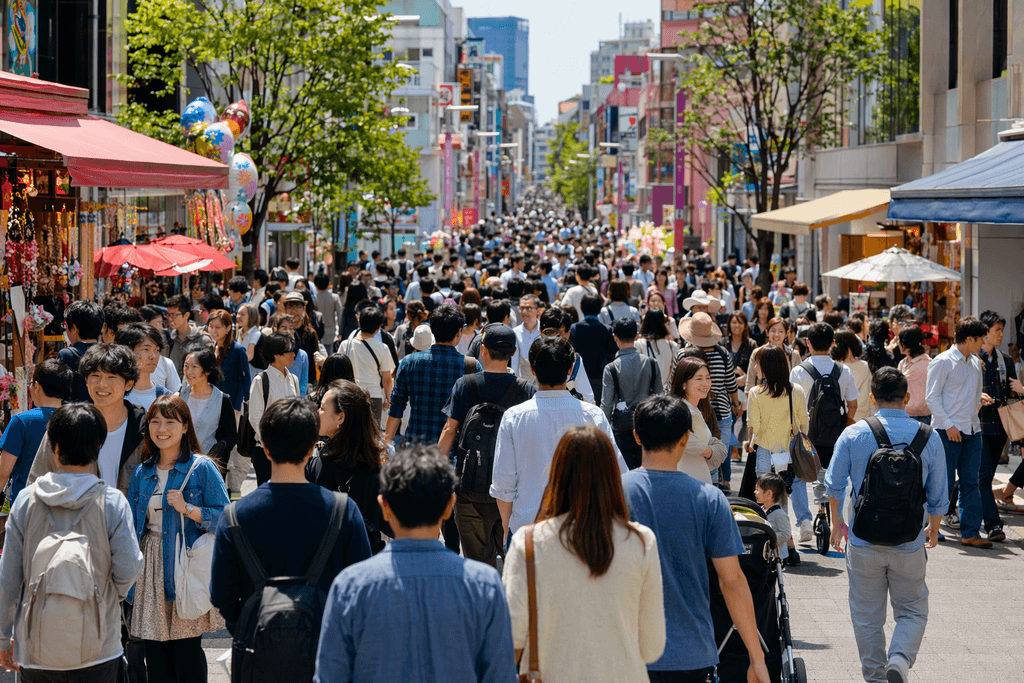
賑やか
चहलपहल भएको
賑やか
चहलपहल भएको
Explanation
賑やか
चहलपहल भएको
賑やか
चहलपहलपूर्ण / जीवन्त / भीडभाडपूर्ण
Word Forms
The basic and commonly used forms of this adjectival noun.
Basic forms
| Form | Word form | Usage |
|---|---|---|
| Imperfective form (mizenkei) | Used in forms such as darou. | |
| Continuative form (renyokei) |
Alternative:
賑やかに
賑やかだっ
|
Used with de or ni. |
| Conclusive form (shushikei) | Ends a sentence with da. | |
| Attributive form (rentaikei) | Modifies a noun with na. | |
| Conditional form (kateikei) | Expresses a condition with nara. | |
| Imperative form (meireikei) | Used in formal expressions such as de are. |
Common forms
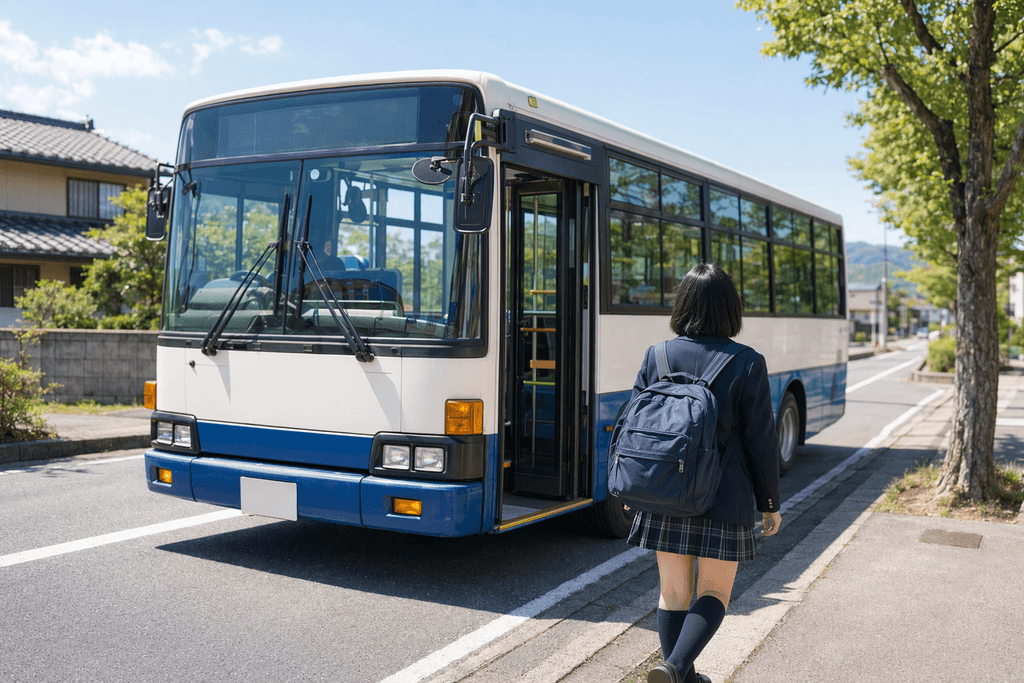
バス
बस
バス
बस
Explanation
बस
バス
सार्वजनिक यातायातका लागि यात्रु बोक्ने ठूलो सवारी साधन / कम्प्युटरका अवयवहरूबीच डाटा आदानप्रदान गर्ने सञ्चार मार्ग
( romanization )
誕生日
जन्मदिन
誕生日
जन्मदिन
Explanation
誕生日
जन्मदिन
誕生日
जन्मदिन / जन्मको दिन / जन्मको वार्षिकोत्सव

( Base form )
( romanization )
( romanization )
( hiragana historical )
( hiragana )
Loading...

JLPT N5 多言語単語帳・665語 / JLPT N5 Multilingual Vocabulary: 665 Words

Jonathan Waller 氏の JLPT Resources の語彙リスト・レベル分類を出典とし、CC BY の条件に従って DiQt が初級向けに意味を作り直した665語の単語帳です。JLPT公式の語彙リストではありません。
This collection of 665 words is based on the vocabulary list and level classifications in Jonathan Waller’s JLPT Resources under CC BY, with meanings rewritten by DiQt for beginners. It is not an official JLPT vocabulary list.
Key Operations
Select the first quiz:
Ctrl + Enter
View Explanation:Ctrl + G
Close a feedback:Esc
When selecting a quiz
Answer:Enter
Select a choice:↓ or ↑
Reading out the question:Ctrl + K
View Hint: Ctrl + M
I don't know: Ctrl + Y



