
JLPT N5 शब्दार्थ अभ्यास - Unsolved

चार विकल्प भएका प्रश्नबाट JLPT N5 का 665 शब्दका अर्थ नेपालीमा सिक्नुहोस्।
-
पाँच दिन / महिनाको पाँच गते
-
क्यान्डी
-
महिला
-
दौडनु
-
हराउनु
-
फोन गर्नु
-
न्यानो
-
छिटो
-
अँध्यारो
-
किनमेल
-
दुई दिन / महिनाको दुई गते
-
घरपरिवार
-
के
-
को
-
उता
-
सिधा अगाडि
-
ठीक
-
स्वस्थ / फुर्तिलो
- 「好き」はナ形容詞(形容動詞)として活用します。連体修飾は通常「好きな」を用います。
-
पृष्ठ
-
टेप
-
रुमाल
-
छोटो
-
न्यानो
-
तातो
-
हिजो राति
-
पोखरी
-
अन्य कुरा
-
पौडिनु
-
बेच्नु
-
लुगा फुकाल्नु
ネクタイ
टाइ
ネクタイ
टाइ
Explanation
टाइ
ネクタイ
घाँटीमा बाँधिने औपचारिक पट्टी / टाइ / शर्टको कलरसँग लगाइने गर्दनको पट्टी

( romanization )
出かける
बाहिर जानु
出かける
बाहिर जानु
Explanation
出かける
बाहिर जानु
出かける
बाहिर जानु / घरबाट निस्कनु / घुम्न बाहिर निस्कनु

Word Forms
The basic and commonly used forms of this verb.
Basic forms
| Form | Word form | Usage |
|---|---|---|
| Imperfective form (mizenkei) |
Alternative:
出かけよ
|
Connects to endings such as nai, reru, and seru. |
| Continuative form (renyokei) | Connects to endings such as masu, tai, and ta. | |
| Conclusive form (shushikei) | Ends a sentence and serves as the dictionary form. | |
| Attributive form (rentaikei) | Modifies a noun. | |
| Conditional form (kateikei) | Combines with ba to express a condition. | |
| Imperative form (meireikei) |
Alternative:
出かけよ
|
Expresses a command or instruction. |
Common forms
細い
मसिनो
細い
मसिनो
Explanation
細い
मसिनो
細い
पातलो / दुब्लो

Word Forms
The basic and commonly used forms of this adjective.
Basic forms
| Form | Word form | Usage |
|---|---|---|
| Imperfective form (mizenkei) | Used in forms such as karou; mainly literary. | |
| Continuative form (renyokei) |
Alternative:
細かっ
|
Used in forms such as kute and kunai. |
| Conclusive form (shushikei) | Ends a sentence. | |
| Attributive form (rentaikei) | Modifies a noun. | |
| Conditional form (kateikei) | Expresses a condition with kereba. | |
| Imperative form (meireikei) | Rarely used in modern Japanese. |
Common forms
ペット
घरपालुवा जनावर
ペット
घरपालुवा जनावर
Explanation
घरपालुवा जनावर
ペット
पाल्तु जनावर / घरपालुवा जनावर / साथीका लागि पालेको जनावर

( romanization )
どちら
कुन / कतातिर
どちら
कुन / कतातिर
Explanation
कुन / कतातिर
どちら
कुन बाटो/दिशा / कुन (दुईमध्ये)

( romanization )
好き
मन पर्नु
好き
मन पर्नु
Explanation
好き
मन पर्नु
好き
मन पर्ने / प्रिय / रुचाइएको

Word Forms
The basic and commonly used forms of this adjectival noun.
Basic forms
| Form | Word form | Usage |
|---|---|---|
| Imperfective form (mizenkei) | Used in forms such as darou. | |
| Continuative form (renyokei) |
Alternative:
好きに
|
Used with de or ni. |
| Conclusive form (shushikei) | Ends a sentence with da. | |
| Attributive form (rentaikei) |
Alternative:
好きである
|
Modifies a noun with na. |
| Conditional form (kateikei) |
Alternative:
好きであれば
|
Expresses a condition with nara. |
| Imperative form (meireikei) | Used in formal expressions such as de are. |
Common forms
| Form | Word form | Usage |
|---|---|---|
| Te-form equivalent | Connects clauses using de. | |
| Ta-form |
Alternative:
好きでした
|
Expresses the past with datta. |
| Nai-form |
Alternative:
好きじゃない
|
Expresses negation with dewa nai or ja nai. |
| Desu-form | Used for polite speech. |
Notes
切手
हुलाक टिकट
切手
हुलाक टिकट
Explanation
切手
हुलाक टिकट
切手
हुलाक टिकट / डाक टिकट

( Base form )
( romanization )
( hiragana )
可愛い
प्यारो
可愛い
प्यारो
Explanation
可愛い
प्यारो
可愛い
माया लाग्दो / मनमोहक / प्यारो

Word Forms
The basic and commonly used forms of this adjective.
Basic forms
| Form | Word form | Usage |
|---|---|---|
| Imperfective form (mizenkei) | Used in forms such as karou; mainly literary. | |
| Continuative form (renyokei) |
Alternative:
可愛かっ
|
Used in forms such as kute and kunai. |
| Conclusive form (shushikei) | Ends a sentence. | |
| Attributive form (rentaikei) | Modifies a noun. | |
| Conditional form (kateikei) | Expresses a condition with kereba. | |
| Imperative form (meireikei) | Rarely used in modern Japanese. |
Common forms
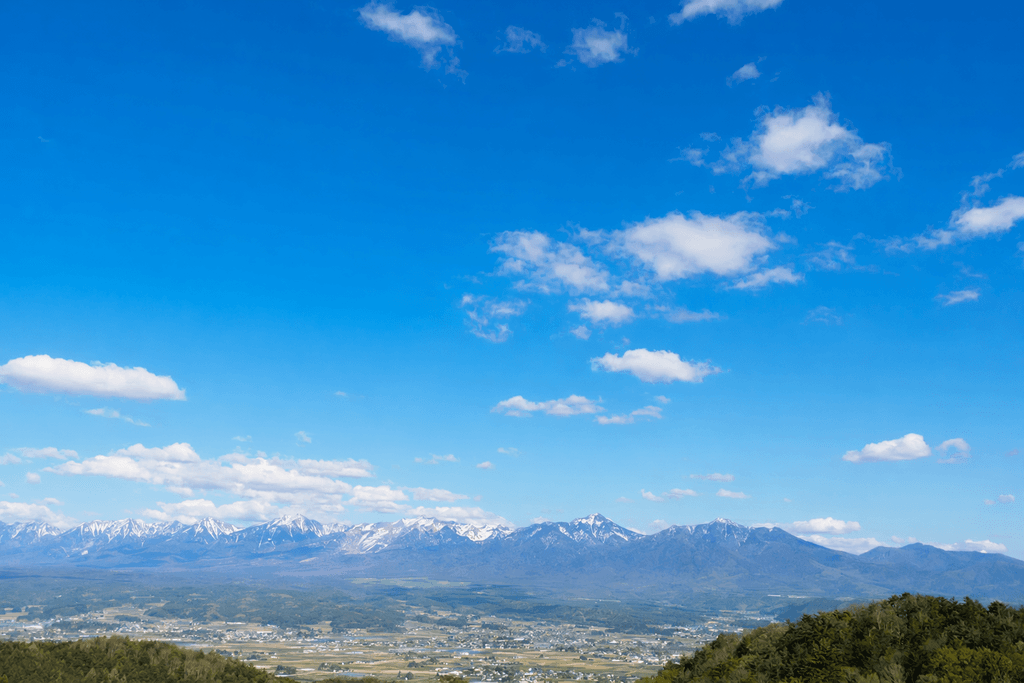
空
आकाश
空
आकाश
Explanation
空
आकाश
空
आकाश / आकाशमण्डल / नभ
( romanization )
( hiragana )
磨く
दाँत माझ्नु / चम्काउनु
磨く
दाँत माझ्नु / चम्काउनु
Explanation
磨く
दाँत माझ्नु / चम्काउनु
磨く
दाँत माझ्नु / घिसेर चम्काउनु

Word Forms
The basic and commonly used forms of this verb.
Basic forms
| Form | Word form | Usage |
|---|---|---|
| Imperfective form (mizenkei) |
Alternative:
磨こ
|
Connects to endings such as nai, reru, and seru. |
| Continuative form (renyokei) | Connects to endings such as masu, tai, and ta. | |
| Conclusive form (shushikei) | Ends a sentence and serves as the dictionary form. | |
| Attributive form (rentaikei) | Modifies a noun. | |
| Conditional form (kateikei) | Combines with ba to express a condition. | |
| Imperative form (meireikei) | Expresses a command or instruction. |
Common forms
Loading...

JLPT N5 多言語単語帳・665語 / JLPT N5 Multilingual Vocabulary: 665 Words

Jonathan Waller 氏の JLPT Resources の語彙リスト・レベル分類を出典とし、CC BY の条件に従って DiQt が初級向けに意味を作り直した665語の単語帳です。JLPT公式の語彙リストではありません。
This collection of 665 words is based on the vocabulary list and level classifications in Jonathan Waller’s JLPT Resources under CC BY, with meanings rewritten by DiQt for beginners. It is not an official JLPT vocabulary list.
Key Operations
Select the first quiz:
Ctrl + Enter
View Explanation:Ctrl + G
Close a feedback:Esc
When selecting a quiz
Answer:Enter
Select a choice:↓ or ↑
Reading out the question:Ctrl + K
View Hint: Ctrl + M
I don't know: Ctrl + Y



