
JLPT N5 शब्दार्थ अभ्यास - Unsolved

चार विकल्प भएका प्रश्नबाट JLPT N5 का 665 शब्दका अर्थ नेपालीमा सिक्नुहोस्।
-
लिनु
-
भन्नु
-
हुनु
- 五段活用ラ行。未然形「なろ」は主に意志形「なろう」で用いる。
- 「〜てはならない」の形で禁止・不許可を表す用法がある。
-
फोटो खिच्नु
-
सुत्नु / ओछ्यानमा जानु
-
पानी पर्नु / हिउँ पर्नु
- サ行変格活用の動詞。
- 未然形には接続に応じて「し」「せ」「さ」「しよ」が用いられる。
-
फलफूल
-
पृष्ठ
-
खाम
-
बिहान
-
कुकुर
-
पुस्तकालय
-
खानाको बट्टा
-
सरसफाइ
-
खैरो
-
दुई जना
-
आराम / बिदा
-
बिहीबार
-
लुगा
-
बैङ्क
-
झ्याल
-
चिसो
-
नमिठो
-
चाँडो
-
ओछ्यान
-
दुई जना
-
प्रवेशद्वार
-
सेतो
-
पिरो
-
कालो
なる
बन्नु
なる
बन्नु
Explanation
बन्नु
なる
बन्नु; परिणत हुनु / पूरा/सम्पन्न हुनु / (समय वा मात्रा) पुग्नु; (नकारात्मकमा) नहुने/अस्वीकार्य हुनु

Word Forms
The basic and commonly used forms of this verb.
Basic forms
| Form | Word form | Usage |
|---|---|---|
| Imperfective form (mizenkei) |
Alternative:
なろ
|
Connects to endings such as nai, reru, and seru. |
| Continuative form (renyokei) |
Alternative:
なっ
|
Connects to endings such as masu, tai, and ta. |
| Conclusive form (shushikei) | Ends a sentence and serves as the dictionary form. | |
| Attributive form (rentaikei) | Modifies a noun. | |
| Conditional form (kateikei) | Combines with ba to express a condition. | |
| Imperative form (meireikei) | Expresses a command or instruction. |
Common forms
| Form | Word form | Usage |
|---|---|---|
| Te-form | Connects clauses with te. | |
| Ta-form | Expresses the past with ta. | |
| Nai-form | Expresses negation with nai. | |
| Masu-form | Used for polite speech. | |
| Ba-form | Expresses a condition with ba. | |
| Volitional form | Expresses intention or invitation. |
Notes
する
गर्नु
する
गर्नु
Explanation
गर्नु
する
गर्नु / कार्य गर्नु / बनाउनु

Word Forms
The basic and commonly used forms of this verb.
Basic forms
| Form | Word form | Usage |
|---|---|---|
| Imperfective form (mizenkei) |
Alternative:
せ
さ
しよ
|
Connects to endings such as nai, reru, and seru. |
| Continuative form (renyokei) | Connects to endings such as masu, tai, and ta. | |
| Conclusive form (shushikei) | Ends a sentence and serves as the dictionary form. | |
| Attributive form (rentaikei) | Modifies a noun. | |
| Conditional form (kateikei) | Combines with ba to express a condition. | |
| Imperative form (meireikei) |
Alternative:
せよ
|
Expresses a command or instruction. |
Common forms
| Form | Word form | Usage |
|---|---|---|
| Te-form | Connects clauses with te. | |
| Ta-form | Expresses the past with ta. | |
| Nai-form | Expresses negation with nai. | |
| Masu-form | Used for polite speech. | |
| Ba-form | Expresses a condition with ba. | |
| Volitional form | Expresses intention or invitation. |
Notes
はじめ
सुरुवात
はじめ
सुरुवात
Explanation
सुरुवात
はじめ
सुरुआत / आरम्भ / प्रारम्भ

( romanization )
塩
नुन
塩
नुन
Explanation
塩
नुन
塩
नून / स्वाद बढाउन प्रयोग हुने सेतो खनिज

( romanization )
( romanization )
( hiragana historical )
( hiragana )
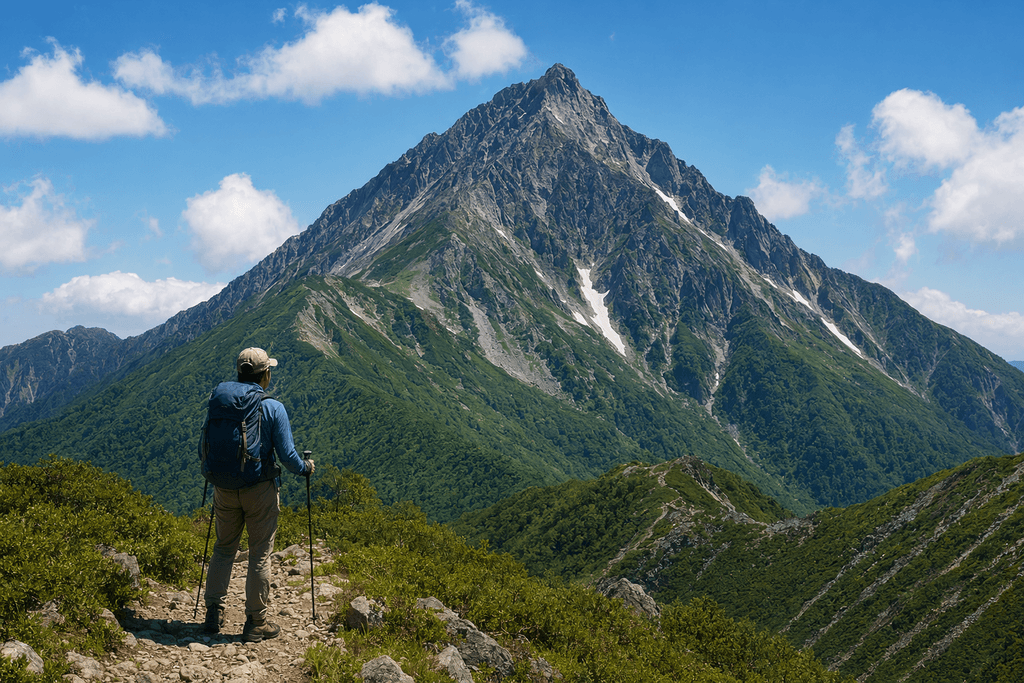
山
पहाड
山
पहाड
Explanation
山
पहाड
山
पहाड/पर्वत / थुप्रो/ढेरी / शिखर/उत्कर्ष
( romanization )
( hiragana )
男の子
केटा
男の子
केटा
Explanation
男の子
केटा
男の子
केटा / पुरुष बालक

( Base form )
( romanization )
( hiragana )
金曜日
शुक्रबार
金曜日
शुक्रबार
Explanation
金曜日
शुक्रबार
金曜日
शुक्रबार / सप्ताहको एक दिन; बिहीबारपछि र शनिबारअघिको दिन

( Base form )
( romanization )
( romanization )
( hiragana historical )
( hiragana )
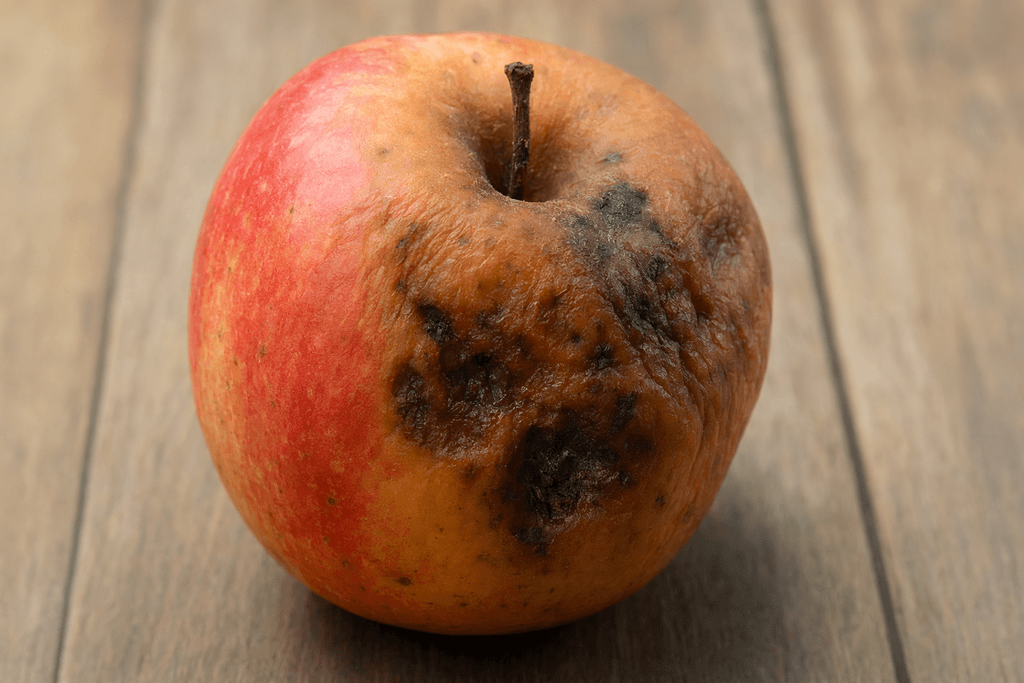
悪い
नराम्रो
悪い
नराम्रो
Explanation
悪い
नराम्रो
悪い
नराम्रो; दुष्ट / गलत; दोषी; अनुचित / हानिकारक; अस्वस्थ/बिरामी; (बोलचाल) 'मेरो गल्ती/माफ गर्नुहोस्' भन्ने
Word Forms
The basic and commonly used forms of this adjective.
Basic forms
| Form | Word form | Usage |
|---|---|---|
| Imperfective form (mizenkei) | Used in forms such as karou; mainly literary. | |
| Continuative form (renyokei) |
Alternative:
悪かっ
|
Used in forms such as kute and kunai. |
| Conclusive form (shushikei) | Ends a sentence. | |
| Attributive form (rentaikei) | Modifies a noun. | |
| Conditional form (kateikei) | Expresses a condition with kereba. | |
| Imperative form (meireikei) | Rarely used in modern Japanese. |
Common forms
白
सेतो
白
सेतो
Explanation
白
सेतो
白
सेतो / सेतो रङ / शुद्धता

( romanization )
( hiragana )
重い
गह्रौँ
重い
गह्रौँ
Explanation
重い
गह्रौँ
重い
भारी / बोझिलो

Word Forms
The basic and commonly used forms of this adjective.
Basic forms
| Form | Word form | Usage |
|---|---|---|
| Imperfective form (mizenkei) | Used in forms such as karou; mainly literary. | |
| Continuative form (renyokei) |
Alternative:
重かっ
|
Used in forms such as kute and kunai. |
| Conclusive form (shushikei) | Ends a sentence. | |
| Attributive form (rentaikei) | Modifies a noun. | |
| Conditional form (kateikei) | Expresses a condition with kereba. | |
| Imperative form (meireikei) | Rarely used in modern Japanese. |
Common forms
Loading...

JLPT N5 多言語単語帳・665語 / JLPT N5 Multilingual Vocabulary: 665 Words

Jonathan Waller 氏の JLPT Resources の語彙リスト・レベル分類を出典とし、CC BY の条件に従って DiQt が初級向けに意味を作り直した665語の単語帳です。JLPT公式の語彙リストではありません。
This collection of 665 words is based on the vocabulary list and level classifications in Jonathan Waller’s JLPT Resources under CC BY, with meanings rewritten by DiQt for beginners. It is not an official JLPT vocabulary list.
Key Operations
Select the first quiz:
Ctrl + Enter
View Explanation:Ctrl + G
Close a feedback:Esc
When selecting a quiz
Answer:Enter
Select a choice:↓ or ↑
Reading out the question:Ctrl + K
View Hint: Ctrl + M
I don't know: Ctrl + Y



