
JLPT N5 शब्दार्थ अभ्यास - Unsolved

चार विकल्प भएका प्रश्नबाट JLPT N5 का 665 शब्दका अर्थ नेपालीमा सिक्नुहोस्।
-
राख्नु
-
बन्द गर्नु
-
पुग्नु
-
बाहिर जानु
-
जानु
-
पढ्नु
-
समस्या / प्रश्न
-
हात
-
शब्दकोश
-
पुस्तकालय
-
सत्य
-
छेउ / तेर्सो दिशा
-
निकै / पर्याप्त
-
प्रायः / राम्ररी
-
सधैँ
-
गृहकार्य
-
पार्क
-
घरपरिवार
-
फुल्नु
-
बसोबास गर्नु
-
बुझ्नु
- 漢字表記「点ける」は、電灯・火などをともす意で用いられる。
-
समस्या / प्रश्न
-
पृष्ठ
-
पोखरी
-
स्वादिलो
-
चाहनु
-
रातो
-
पाउरोटी
-
बालक
-
चिठी
返す
फिर्ता दिनु
返す
फिर्ता दिनु
Explanation
返す
फिर्ता दिनु
返す
फिर्ता गर्नु / फर्काउनु / फिर्ता दिनु

Word Forms
The basic and commonly used forms of this verb.
Basic forms
| Form | Word form | Usage |
|---|---|---|
| Imperfective form (mizenkei) |
Alternative:
返そ
|
Connects to endings such as nai, reru, and seru. |
| Continuative form (renyokei) | Connects to endings such as masu, tai, and ta. | |
| Conclusive form (shushikei) | Ends a sentence and serves as the dictionary form. | |
| Attributive form (rentaikei) | Modifies a noun. | |
| Conditional form (kateikei) | Combines with ba to express a condition. | |
| Imperative form (meireikei) | Expresses a command or instruction. |
Common forms
知る
जान्नु
知る
जान्नु
Explanation
知る
जान्नु
知る
जान्नु / थाहा हुनु / थाहा पाउनु

Word Forms
The basic and commonly used forms of this verb.
Basic forms
| Form | Word form | Usage |
|---|---|---|
| Imperfective form (mizenkei) |
Alternative:
知ろ
|
Connects to endings such as nai, reru, and seru. |
| Continuative form (renyokei) | Connects to endings such as masu, tai, and ta. | |
| Conclusive form (shushikei) | Ends a sentence and serves as the dictionary form. | |
| Attributive form (rentaikei) | Modifies a noun. | |
| Conditional form (kateikei) | Combines with ba to express a condition. | |
| Imperative form (meireikei) | Expresses a command or instruction. |
Common forms
ラジカセ
रेडियो क्यासेट प्लेयर
ラジカセ
रेडियो क्यासेट प्लेयर
Explanation
रेडियो क्यासेट प्लेयर
ラジカセ
रेडियो-क्यासेट प्लेयर / रेडियो र क्यासेट चलाउने यन्त्र / क्यासेट टेप र रेडियो सहितको बोक्न मिल्ने प्लेयर

( romanization )
( counter )
名前
नाम
名前
नाम
Explanation
名前
नाम
名前
नाम; व्यक्ति, स्थान, वर्ग वा वस्तु जनाउने शब्द / पहिलो नाम; थरबाहेकको व्यक्तिगत नाम

( Base form )
( romanization )
( romanization )
( hiragana historical )
( hiragana )
毎年
हरेक वर्ष
毎年
हरेक वर्ष
Explanation
毎年
हरेक वर्ष
毎年
हरेक वर्ष / प्रत्येक वर्ष / बर्सेनि
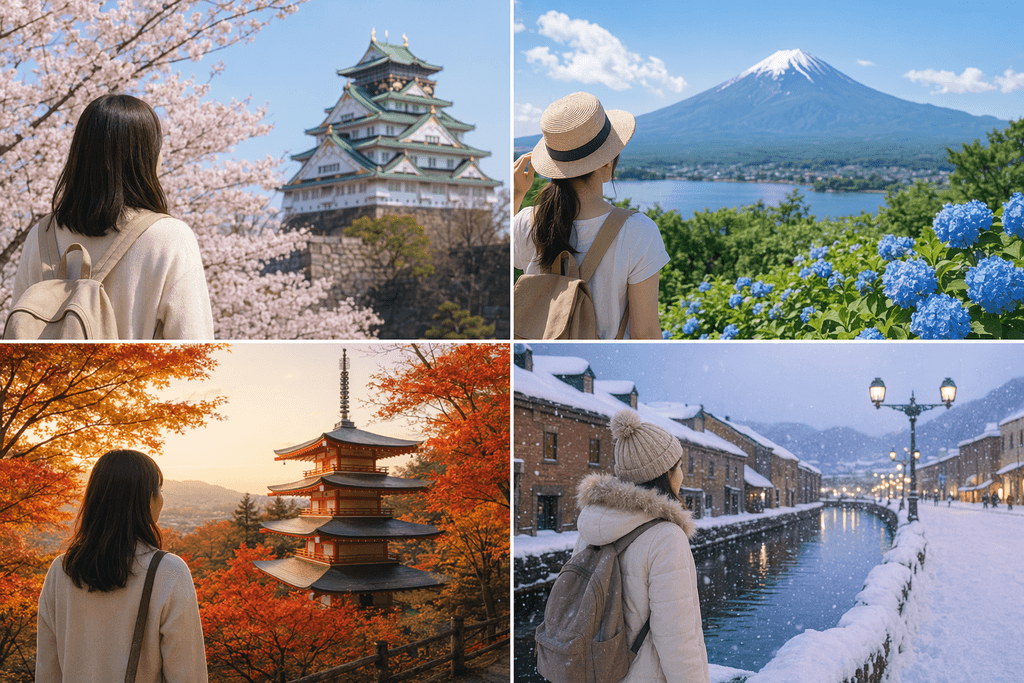
( Base form )
( romanization )
( kyūjitai )
( hiragana )
ゆうべ
हिजो राति
ゆうべ
हिजो राति
Explanation
हिजो राति
ゆうべ
हिजो राति / हिजो बेलुकी

( romanization )
( romanization )
( hiragana historical )
( hiragana )
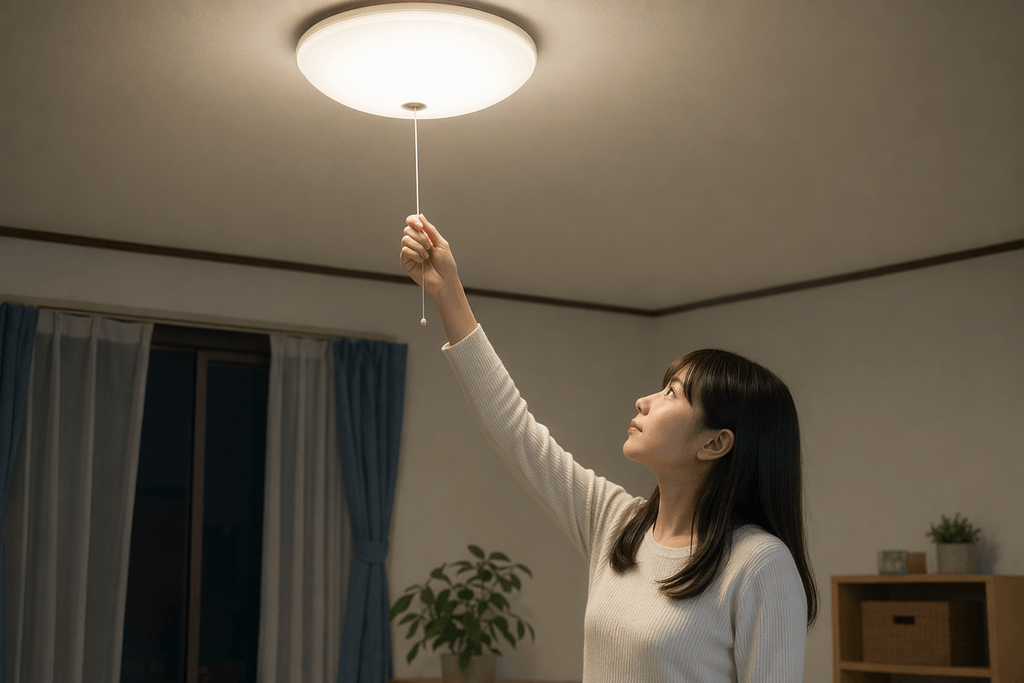
つける
बाल्नु
つける
बाल्नु
Explanation
बाल्नु
つける
(बत्ती आदि) बाल्नु / (यन्त्र/उपकरण) चालु गर्नु / (टीभी/रेडियो आदि) खोल्नु
Word Forms
The basic and commonly used forms of this verb.
Basic forms
| Form | Word form | Usage |
|---|---|---|
| Imperfective form (mizenkei) | Connects to endings such as nai, reru, and seru. | |
| Continuative form (renyokei) | Connects to endings such as masu, tai, and ta. | |
| Conclusive form (shushikei) | Ends a sentence and serves as the dictionary form. | |
| Attributive form (rentaikei) | Modifies a noun. | |
| Conditional form (kateikei) | Combines with ba to express a condition. | |
| Imperative form (meireikei) |
Alternative:
つけよ
|
Expresses a command or instruction. |
Common forms
| Form | Word form | Usage |
|---|---|---|
| Te-form | Connects clauses with te. | |
| Ta-form | Expresses the past with ta. | |
| Nai-form | Expresses negation with nai. | |
| Masu-form | Used for polite speech. | |
| Ba-form | Expresses a condition with ba. | |
| Volitional form | Expresses intention or invitation. |
Notes
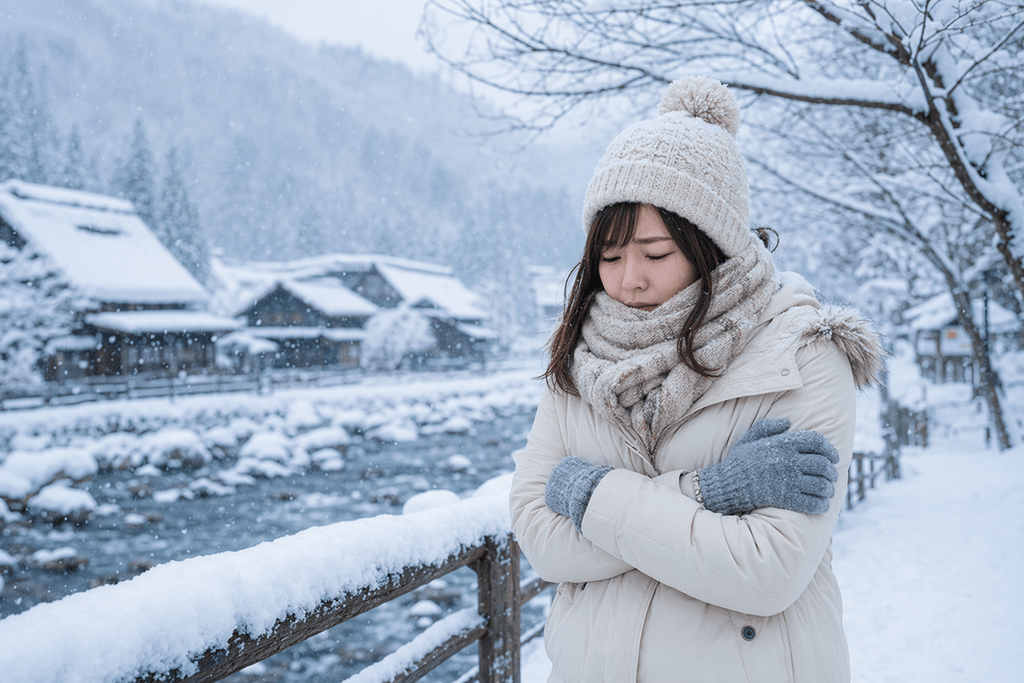
冬
शीत ऋतु
冬
शीत ऋतु
Explanation
冬
शीत ऋतु
冬
हिउँद / जाडो मौसम / वर्षको चिसो ऋतु
( romanization )
あたたかい
न्यानो
あたたかい
न्यानो
Explanation
न्यानो
あたたかい
न्यानो (तापमान) / दयालु; मन न्यानो / आत्मीय; हार्दिक

Word Forms
The basic and commonly used forms of this adjective.
Basic forms
| Form | Word form | Usage |
|---|---|---|
| Imperfective form (mizenkei) |
Alternative:
暖かかろ
温かかろ
|
Used in forms such as karou; mainly literary. |
| Continuative form (renyokei) |
Alternative:
暖かく
温かく
あたたかかり
暖かかり
温かかり
|
Used in forms such as kute and kunai. |
| Conclusive form (shushikei) |
Alternative:
暖かい
温かい
|
Ends a sentence. |
| Attributive form (rentaikei) |
Alternative:
暖かい
温かい
|
Modifies a noun. |
| Conditional form (kateikei) |
Alternative:
暖かけれ
温かけれ
|
Expresses a condition with kereba. |
| Imperative form (meireikei) |
Alternative:
暖かかれ
温かかれ
|
Rarely used in modern Japanese. |
Common forms
| Form | Word form | Usage |
|---|---|---|
| Te-form |
Alternative:
暖かくて
温かくて
|
Connects clauses with kute. |
| Ta-form |
Alternative:
暖かかった
温かかった
|
Expresses the past with katta. |
| Nai-form |
Alternative:
暖かくない
温かくない
|
Expresses negation with kunai. |
| Ba-form |
Alternative:
暖かければ
温かければ
|
Expresses a condition with kereba. |
一昨日
अस्ति
一昨日
अस्ति
Explanation
一昨日
अस्ति
一昨日
अस्ति / दुई दिनअघि / अस्तिको दिन

( Base form )
( romanization )
( romanization )
( hiragana historical )
( hiragana )
Loading...

JLPT N5 多言語単語帳・665語 / JLPT N5 Multilingual Vocabulary: 665 Words

Jonathan Waller 氏の JLPT Resources の語彙リスト・レベル分類を出典とし、CC BY の条件に従って DiQt が初級向けに意味を作り直した665語の単語帳です。JLPT公式の語彙リストではありません。
This collection of 665 words is based on the vocabulary list and level classifications in Jonathan Waller’s JLPT Resources under CC BY, with meanings rewritten by DiQt for beginners. It is not an official JLPT vocabulary list.
Key Operations
Select the first quiz:
Ctrl + Enter
View Explanation:Ctrl + G
Close a feedback:Esc
When selecting a quiz
Answer:Enter
Select a choice:↓ or ↑
Reading out the question:Ctrl + K
View Hint: Ctrl + M
I don't know: Ctrl + Y



