
JLPT N5 शब्दार्थ अभ्यास - Unsolved

चार विकल्प भएका प्रश्नबाट JLPT N5 का 665 शब्दका अर्थ नेपालीमा सिक्नुहोस्।
-
सम्झनु / कण्ठ गर्नु
-
बाहिर निकाल्नु
-
खुल्नु
- 「居る」(存在・所在を表す動詞)の活用。
-
हिउँ
-
पढाइ
-
छेउ / तेर्सो दिशा
-
फुर्सद
-
टाइ
-
दक्षिण
-
टेलिभिजन
-
ढोका
-
बहिनी
-
जन्मनु
-
काम गर्नु
-
काट्नु
-
पाँच
-
हात
-
खरानीदानी
-
तल
-
नाक
-
टेलिफोन
-
रक्सी / जापानी चामलको रक्सी
-
पकाएको भात / खाना
-
सिसाकलम
-
पहेंलो
-
टेप
-
स्कर्ट
-
टेबल
-
पाठ
-
गितार
いる
हुनु
いる
हुनु
Explanation
हुनु
いる
अस्तित्वमा हुनु (सजीव) / कुनै स्थानमा हुनु/रहनु (सजीव)

Word Forms
The basic and commonly used forms of this verb.
Basic forms
| Form | Word form | Usage |
|---|---|---|
| Imperfective form (mizenkei) | Connects to endings such as nai, reru, and seru. | |
| Continuative form (renyokei) | Connects to endings such as masu, tai, and ta. | |
| Conclusive form (shushikei) |
Alternative:
居る
|
Ends a sentence and serves as the dictionary form. |
| Attributive form (rentaikei) |
Alternative:
居る
|
Modifies a noun. |
| Conditional form (kateikei) | Combines with ba to express a condition. | |
| Imperative form (meireikei) |
Alternative:
いよ
|
Expresses a command or instruction. |
Common forms
| Form | Word form | Usage |
|---|---|---|
| Te-form | Connects clauses with te. | |
| Ta-form | Expresses the past with ta. | |
| Nai-form | Expresses negation with nai. | |
| Masu-form | Used for polite speech. | |
| Ba-form | Expresses a condition with ba. | |
| Volitional form | Expresses intention or invitation. |
Notes
色
रङ
色
रङ
Explanation
色
रङ
色
रङ / रङछटा / वर्ण

時計
हातेघडी / भित्तेघडी
時計
हातेघडी / भित्तेघडी
Explanation
時計
हातेघडी / भित्तेघडी
時計
घडी / हातघडी / समय नाप्ने यन्त्र
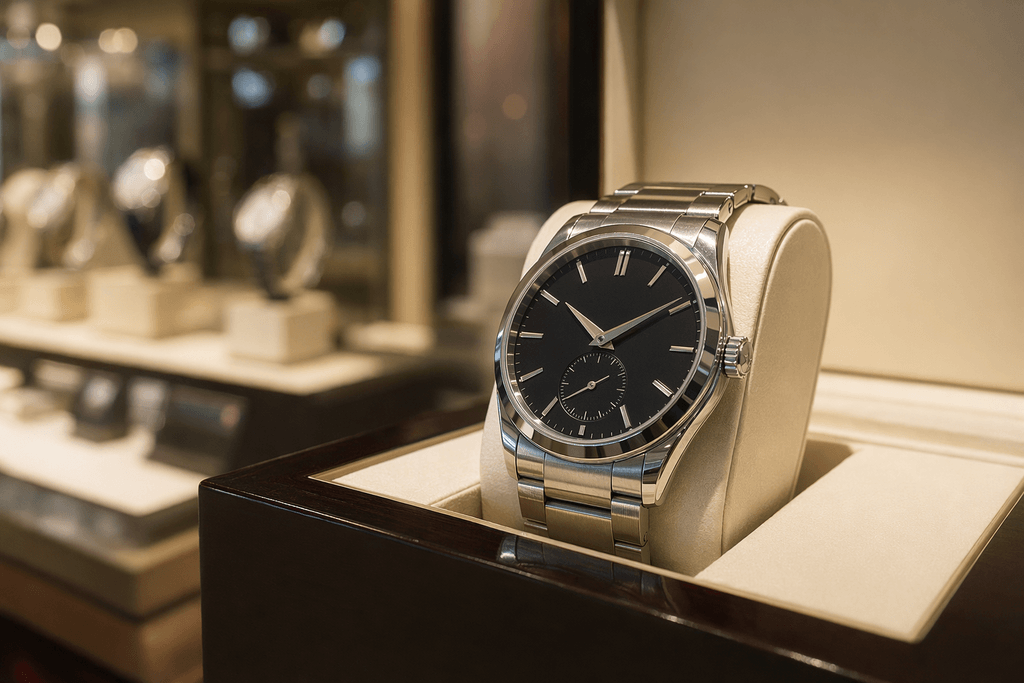
( Base form )
( romanization )
( hiragana )
問題
समस्या / प्रश्न
問題
समस्या / प्रश्न
Explanation
問題
समस्या / प्रश्न
問題
प्रश्न / समस्या / मामिला

( Base form )
( romanization )
( hiragana )
降りる
गाडीबाट ओर्लनु / तल झर्नु
降りる
गाडीबाट ओर्लनु / तल झर्नु
Explanation
降りる
गाडीबाट ओर्लनु / तल झर्नु
降りる
ओर्लिनु / उत्रिनु / झर्नु

Word Forms
The basic and commonly used forms of this verb.
Basic forms
| Form | Word form | Usage |
|---|---|---|
| Imperfective form (mizenkei) | Connects to endings such as nai, reru, and seru. | |
| Continuative form (renyokei) | Connects to endings such as masu, tai, and ta. | |
| Conclusive form (shushikei) | Ends a sentence and serves as the dictionary form. | |
| Attributive form (rentaikei) | Modifies a noun. | |
| Conditional form (kateikei) | Combines with ba to express a condition. | |
| Imperative form (meireikei) |
Alternative:
降りよ
|
Expresses a command or instruction. |
Common forms
鉛筆
सिसाकलम
鉛筆
सिसाकलम
Explanation
鉛筆
सिसाकलम
鉛筆
ग्रेफाइटको कोर भएको, काठ वा अन्य आवरणमा बेरेको लेख्ने उपकरण / चित्र वा स्केच बनाउने हातचलाउने लेखनी / पेन्सिल

( Base form )
( romanization )
( counter )
( hiragana )
スプーン
चम्चा
スプーン
चम्चा
Explanation
चम्चा
スプーン
चम्चा / खाना खाने वा परोस्ने सानो डाँडी भएको भाँडो

( romanization )
( counter )
夏
ग्रीष्म ऋतु
夏
ग्रीष्म ऋतु
Explanation
夏
ग्रीष्म ऋतु
夏
ग्रीष्म ऋतु / गर्मीको मौसम / गर्मी

( romanization )
( hiragana )
二つ
दुई
二つ
दुई
Explanation
二つ
दुई
二つ
दुई / दुईवटा (सामान्य गणक) / दुईवटा वस्तु

( Base form )
( romanization )
大人
वयस्क
大人
वयस्क
Explanation
大人
वयस्क
大人
वयस्क; प्रौढ व्यक्ति / समुदायका ज्येष्ठ/बडाबुढा / स्वामी/प्रभु; गुरु (पुरानो प्रयोग)

( romanization )
( hiragana )
Loading...

JLPT N5 多言語単語帳・665語 / JLPT N5 Multilingual Vocabulary: 665 Words

Jonathan Waller 氏の JLPT Resources の語彙リスト・レベル分類を出典とし、CC BY の条件に従って DiQt が初級向けに意味を作り直した665語の単語帳です。JLPT公式の語彙リストではありません。
This collection of 665 words is based on the vocabulary list and level classifications in Jonathan Waller’s JLPT Resources under CC BY, with meanings rewritten by DiQt for beginners. It is not an official JLPT vocabulary list.
Key Operations
Select the first quiz:
Ctrl + Enter
View Explanation:Ctrl + G
Close a feedback:Esc
When selecting a quiz
Answer:Enter
Select a choice:↓ or ↑
Reading out the question:Ctrl + K
View Hint: Ctrl + M
I don't know: Ctrl + Y



