
JLPT N5 शब्दार्थ अभ्यास - Unsolved

चार विकल्प भएका प्रश्नबाट JLPT N5 का 665 शब्दका अर्थ नेपालीमा सिक्नुहोस्।
-
समाचार
-
घरपालुवा जनावर
-
भान्सा
-
विदेश
-
वर्षा
-
बहिनी
-
रूख / काठ
-
रातो
-
ढोका
-
पुस्तकालय
-
पर्सि
-
हवाईजहाज
-
पाठ
-
सिसाकलम
-
लेख्ने टेबल
-
बन्द हुनु
-
खेल्नु
-
पाइन्ट लगाउनु / जुत्ता लगाउनु
-
एक
-
छाता
-
नाम
-
घर फर्कनु
-
थाक्नु
-
मर्नु
-
जवाफ दिनु
-
राख्नु
-
लहरमा मिलाउनु
-
कस्तो
-
कहिले
-
त्यति धेरै होइन
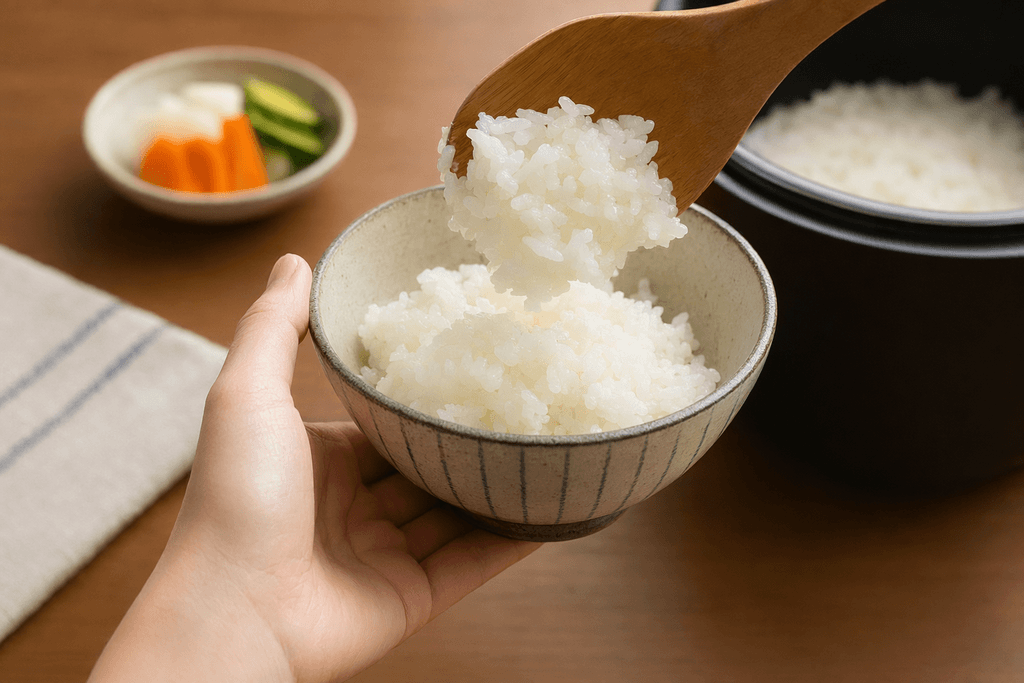
ちゃわん
भातको कचौरा
ちゃわん
भातको कचौरा
Explanation
भातको कचौरा
ちゃわん
भातको कटोरी FRIEND! / चिया पिउने कटोरी (? )
歯
दाँत
歯
दाँत
Explanation
歯
दाँत
歯
दाँत / दन्त

( romanization )
( kyūjitai )
( hiragana )
公園
पार्क
公園
पार्क
Explanation
公園
पार्क
公園
सार्वजनिक उद्यान / पार्क / घुमफिर र विश्रामका लागि सार्वजनिक खुला हरित क्षेत्र

( Base form )
( romanization )
( romanization )
( hiragana historical )
( hiragana )
二日
दुई दिन / महिनाको दुई गते
二日
दुई दिन / महिनाको दुई गते
Explanation
二日
दुई दिन / महिनाको दुई गते
二日
दुई दिनको अवधि / महिनाको दोस्रो दिन

( Base form )
( romanization )
( hiragana )
再来年
अर्को वर्षपछिको वर्ष
再来年
अर्को वर्षपछिको वर्ष
Explanation
再来年
अर्को वर्षपछिको वर्ष
再来年
अर्को भन्दा पछिल्लो वर्ष / अर्को अर्को वर्ष / अहिलेबाट दुई वर्षपछिको वर्ष

( romanization )
曲がる
मोडिनु / बाङ्गिनु
曲がる
मोडिनु / बाङ्गिनु
Explanation
曲がる
मोडिनु / बाङ्गिनु
曲がる
बाङ्गिनु / घुम्नु / बिग्रिनु

Word Forms
The basic and commonly used forms of this verb.
Basic forms
| Form | Word form | Usage |
|---|---|---|
| Imperfective form (mizenkei) | Connects to endings such as nai, reru, and seru. | |
| Continuative form (renyokei) | Connects to endings such as masu, tai, and ta. | |
| Conclusive form (shushikei) | Ends a sentence and serves as the dictionary form. | |
| Attributive form (rentaikei) | Modifies a noun. | |
| Conditional form (kateikei) | Combines with ba to express a condition. | |
| Imperative form (meireikei) | Expresses a command or instruction. |
Common forms
テーブル
टेबल
テーブル
टेबल
Explanation
टेबल
テーブル
काम वा खाने कुराको लागि सतह भएको मेज / सूचनालाई पङ्क्ति र स्तम्भमा देखाउने तालिका / कम्प्युटिङमा डाटाबेसको तालिका

( romanization )
( counter )
困る
अप्ठ्यारोमा पर्नु
困る
अप्ठ्यारोमा पर्नु
Explanation
困る
अप्ठ्यारोमा पर्नु
困る
समस्या पर्नु / दिक्क हुनु / अलमलिनु

Word Forms
The basic and commonly used forms of this verb.
Basic forms
| Form | Word form | Usage |
|---|---|---|
| Imperfective form (mizenkei) |
Alternative:
困ろ
|
Connects to endings such as nai, reru, and seru. |
| Continuative form (renyokei) | Connects to endings such as masu, tai, and ta. | |
| Conclusive form (shushikei) | Ends a sentence and serves as the dictionary form. | |
| Attributive form (rentaikei) | Modifies a noun. | |
| Conditional form (kateikei) | Combines with ba to express a condition. | |
| Imperative form (meireikei) | Expresses a command or instruction. |
Common forms
会う
भेट्नु
会う
भेट्नु
Explanation
会う
भेट्नु
会う
भेट्नु / भेटघाट गर्नु

Word Forms
The basic and commonly used forms of this verb.
Basic forms
| Form | Word form | Usage |
|---|---|---|
| Imperfective form (mizenkei) |
Alternative:
会お
|
Connects to endings such as nai, reru, and seru. |
| Continuative form (renyokei) | Connects to endings such as masu, tai, and ta. | |
| Conclusive form (shushikei) | Ends a sentence and serves as the dictionary form. | |
| Attributive form (rentaikei) | Modifies a noun. | |
| Conditional form (kateikei) | Combines with ba to express a condition. | |
| Imperative form (meireikei) | Expresses a command or instruction. |
Common forms
まだ
अझै / अझैसम्म छैन
まだ
अझै / अझैसम्म छैन
Explanation
अझै / अझैसम्म छैन
まだ
अझै / अझै नभएको / थप; अझ बढी

( romanization )
( adnominal )
( adverbial )
( table-tags )
( inflection-template )
( imperfective stem )
( imperfective stem )
( continuative stem )
( continuative stem )
( stem terminative )
( stem terminative )
( attributive stem )
( attributive stem )
( hypothetical stem )
( hypothetical stem )
( Imperative stem )
( Imperative stem )
( informal negative )
( informal negative )
( informal negative )
( informal negative )
( informal Past )
( informal Past )
( informal negative Past )
( informal negative Past )
( informal negative Past )
( informal negative Past )
( formal )
( formal )
( formal negative )
( formal negative )
( formal negative )
( formal negative )
( formal Past )
( formal Past )
( formal negative Past )
( formal negative Past )
( formal negative Past )
( formal negative Past )
( conjunctive )
( conjunctive )
( Conditional )
( Conditional )
( Conditional Past )
( Conditional Past )
( volitional )
( volitional )
( adverbial )
( adverbial )
( noun-from-adj )
( noun-from-adj )
Loading...

JLPT N5 多言語単語帳・665語 / JLPT N5 Multilingual Vocabulary: 665 Words

Jonathan Waller 氏の JLPT Resources の語彙リスト・レベル分類を出典とし、CC BY の条件に従って DiQt が初級向けに意味を作り直した665語の単語帳です。JLPT公式の語彙リストではありません。
This collection of 665 words is based on the vocabulary list and level classifications in Jonathan Waller’s JLPT Resources under CC BY, with meanings rewritten by DiQt for beginners. It is not an official JLPT vocabulary list.
Key Operations
Select the first quiz:
Ctrl + Enter
View Explanation:Ctrl + G
Close a feedback:Esc
When selecting a quiz
Answer:Enter
Select a choice:↓ or ↑
Reading out the question:Ctrl + K
View Hint: Ctrl + M
I don't know: Ctrl + Y



