
JLPT N5 शब्दार्थ अभ्यास - Unsolved

चार विकल्प भएका प्रश्नबाट JLPT N5 का 665 शब्दका अर्थ नेपालीमा सिक्नुहोस्।
-
बिहान
-
एक महिना
-
भित्र
-
दौडनु
-
हुनु
-
उड्नु
-
गह्रौँ
-
रमाइलो
-
रातो
-
नीलो
-
पाउ / खुट्टा
-
टेप रेकर्डर
-
हुलाक टिकट
-
कुकुर
-
लेख्ने टेबल
-
नौ
-
शून्य
-
चार
-
थमाउनु
-
प्रतिलिपि बनाउनु
-
बाँध्नु / कस्नु
-
पोखरी
-
पूर्वाह्न
-
पत्रिका
-
सुरुवात
-
पाँच दिन / महिनाको पाँच गते
-
बादल लागेको मौसम
-
बेलुकाको खाना
-
कफी पसल
-
घर
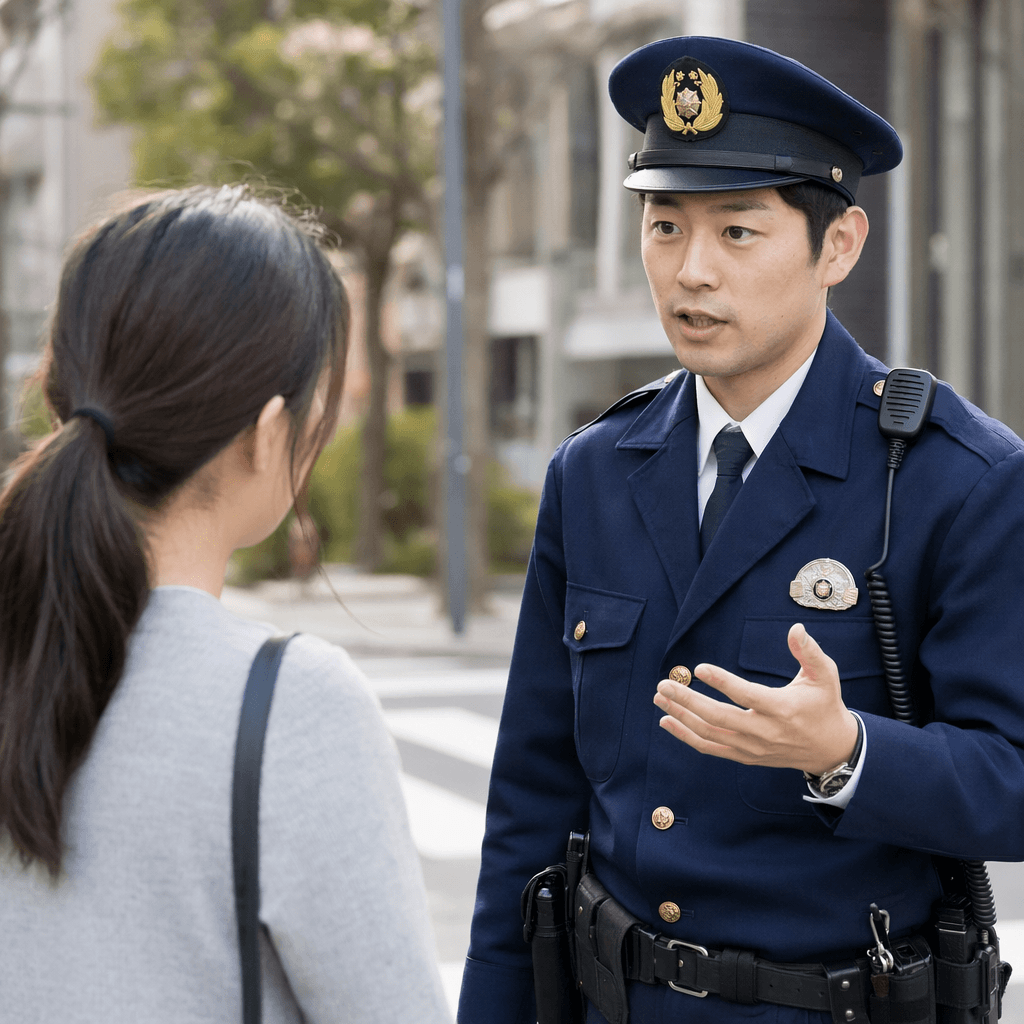
警官
प्रहरी
警官
प्रहरी
Explanation
警官
प्रहरी
警官
प्रहरी / प्रहरीकर्मी / प्रहरी अधिकारी
( Base form )
( romanization )
( hiragana )
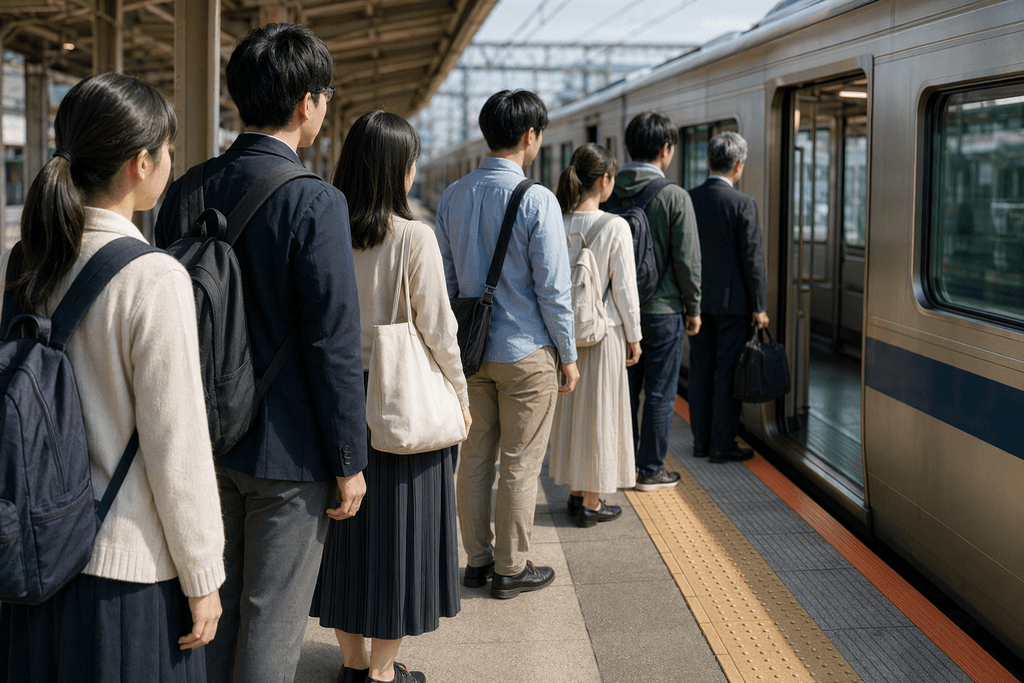
並ぶ
लाम लाग्नु
並ぶ
लाम लाग्नु
Explanation
並ぶ
लाम लाग्नु
並ぶ
लाइनमा उभिनु / बराबर हुनु
Word Forms
The basic and commonly used forms of this verb.
Basic forms
| Form | Word form | Usage |
|---|---|---|
| Imperfective form (mizenkei) |
Alternative:
並ぼ
|
Connects to endings such as nai, reru, and seru. |
| Continuative form (renyokei) | Connects to endings such as masu, tai, and ta. | |
| Conclusive form (shushikei) | Ends a sentence and serves as the dictionary form. | |
| Attributive form (rentaikei) | Modifies a noun. | |
| Conditional form (kateikei) | Combines with ba to express a condition. | |
| Imperative form (meireikei) | Expresses a command or instruction. |
Common forms
明るい
उज्यालो
明るい
उज्यालो
Explanation
明るい
उज्यालो
明るい
उज्यालो / चम्किलो / हँसमुख

Word Forms
The basic and commonly used forms of this adjective.
Basic forms
| Form | Word form | Usage |
|---|---|---|
| Imperfective form (mizenkei) | Used in forms such as karou; mainly literary. | |
| Continuative form (renyokei) |
Alternative:
明るかっ
|
Used in forms such as kute and kunai. |
| Conclusive form (shushikei) | Ends a sentence. | |
| Attributive form (rentaikei) | Modifies a noun. | |
| Conditional form (kateikei) | Expresses a condition with kereba. | |
| Imperative form (meireikei) | Rarely used in modern Japanese. |
Common forms
映画
चलचित्र
映画
चलचित्र
Explanation
映画
चलचित्र
映画
चलचित्र / फिल्म / पर्दामा देखाइने कथा–कला कृति

( Base form )
( romanization )
( romanization )
( counter )
( kyūjitai )
( hiragana historical )
( hiragana )
明日
भोलि
明日
भोलि
Explanation
明日
भोलि
明日
भोलि / अर्को दिन / आगामी दिन

( Base form )
( romanization )
( romanization )
( hiragana historical )
( hiragana )
三つ
तीन
三つ
तीन
Explanation
三つ
तीन
三つ
तीनवटा (वस्तु) / तीन थान — विशेष गणक नलाग्ने साना वस्तुहरूका लागि

( Base form )
( romanization )
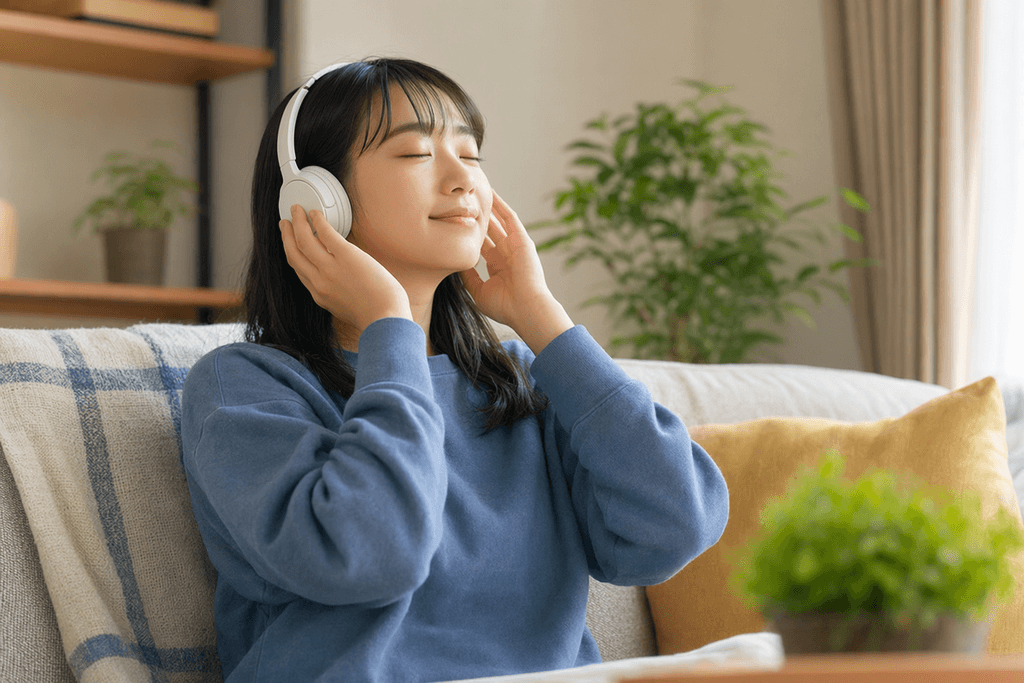
聞く
सुन्नु / सोध्नु
聞く
सुन्नु / सोध्नु
Explanation
聞く
सुन्नु / सोध्नु
聞く
सुन्नु / सोध्नु / खबर लिनु
Word Forms
The basic and commonly used forms of this verb.
Basic forms
| Form | Word form | Usage |
|---|---|---|
| Imperfective form (mizenkei) | Connects to endings such as nai, reru, and seru. | |
| Continuative form (renyokei) | Connects to endings such as masu, tai, and ta. | |
| Conclusive form (shushikei) | Ends a sentence and serves as the dictionary form. | |
| Attributive form (rentaikei) | Modifies a noun. | |
| Conditional form (kateikei) | Combines with ba to express a condition. | |
| Imperative form (meireikei) | Expresses a command or instruction. |
Common forms
口
मुख
口
मुख
Explanation
口
मुख
口
मुख / मुँह / खोलाइ वा प्रवेशद्वार

( romanization )
( hiragana )
教室
कक्षाकोठा
教室
कक्षाकोठा
Explanation
教室
कक्षाकोठा
教室
कक्षा कोठा / कक्षा / पढाइ कक्ष

( Base form )
( romanization )
( hiragana )
ほか
अन्य कुरा
ほか
अन्य कुरा
Explanation
अन्य कुरा
ほか
अन्य / अरू / बाँकी

( romanization )
Loading...

JLPT N5 多言語単語帳・665語 / JLPT N5 Multilingual Vocabulary: 665 Words

Jonathan Waller 氏の JLPT Resources の語彙リスト・レベル分類を出典とし、CC BY の条件に従って DiQt が初級向けに意味を作り直した665語の単語帳です。JLPT公式の語彙リストではありません。
This collection of 665 words is based on the vocabulary list and level classifications in Jonathan Waller’s JLPT Resources under CC BY, with meanings rewritten by DiQt for beginners. It is not an official JLPT vocabulary list.
Key Operations
Select the first quiz:
Ctrl + Enter
View Explanation:Ctrl + G
Close a feedback:Esc
When selecting a quiz
Answer:Enter
Select a choice:↓ or ↑
Reading out the question:Ctrl + K
View Hint: Ctrl + M
I don't know: Ctrl + Y



