
JLPT N5 शब्दार्थ अभ्यास - Unsolved

चार विकल्प भएका प्रश्नबाट JLPT N5 का 665 शब्दका अर्थ नेपालीमा सिक्नुहोस्।
-
त्यसपछि
-
सबैभन्दा / पहिलो
-
कसरी
-
धेरै मानिस
-
प्रहरी
-
नगर
-
नजिक
-
पातलो / फिका
-
सस्तो
-
खुल्नु
-
भित्र राख्नु
-
देखाउनु
-
घरपरिवार
-
दाँत
-
बुधबार
-
पानी
-
कालो
-
पाउ / खुट्टा
-
लुगा लगाउनु
-
प्रतिलिपि बनाउनु
-
घर फर्कनु
- 「履く」「穿く」などと書く。下半身に着ける衣類・履物について用いる。
- 連用形「はい」は「て・た」接続で現れる音便形。
-
पश्चिमी शैलीको लुगा
-
देश
-
अर्को वर्ष
-
यता
-
कुनचाहिँ
-
कतिवटा / कति वर्षको
-
उभिनु
-
किन्नु
-
सिकाउनु / बताउनु
- 「練習」+「する」から成るサ変複合動詞。
いつも
सधैँ
いつも
सधैँ
Explanation
सधैँ
いつも
सधैँ / सधैँभरि / हरेक बेला

( romanization )
休み
आराम / बिदा
休み
आराम / बिदा
Explanation
休み
आराम / बिदा
休み
विश्राम / बिदा / अनुपस्थिति

( Base form )
( romanization )
少ない
थोरै
少ない
थोरै
Explanation
少ない
थोरै
少ない
थोरै / कम / अल्प

Word Forms
The basic and commonly used forms of this adjective.
Basic forms
| Form | Word form | Usage |
|---|---|---|
| Imperfective form (mizenkei) | Used in forms such as karou; mainly literary. | |
| Continuative form (renyokei) |
Alternative:
少なかっ
|
Used in forms such as kute and kunai. |
| Conclusive form (shushikei) | Ends a sentence. | |
| Attributive form (rentaikei) | Modifies a noun. | |
| Conditional form (kateikei) | Expresses a condition with kereba. | |
| Imperative form (meireikei) | Rarely used in modern Japanese. |
Common forms
置く
राख्नु
置く
राख्नु
Explanation
置く
राख्नु
置く
राख्नु / स्थानमा राख्नु

Word Forms
The basic and commonly used forms of this verb.
Basic forms
| Form | Word form | Usage |
|---|---|---|
| Imperfective form (mizenkei) |
Alternative:
置こ
|
Connects to endings such as nai, reru, and seru. |
| Continuative form (renyokei) | Connects to endings such as masu, tai, and ta. | |
| Conclusive form (shushikei) | Ends a sentence and serves as the dictionary form. | |
| Attributive form (rentaikei) | Modifies a noun. | |
| Conditional form (kateikei) | Combines with ba to express a condition. | |
| Imperative form (meireikei) | Expresses a command or instruction. |
Common forms
ニュース
समाचार
ニュース
समाचार
Explanation
समाचार
ニュース
समाचार / खबर / समसामयिक घटनाको रिपोर्ट

( romanization )
花瓶
फूलदानी
花瓶
फूलदानी
Explanation
花瓶
फूलदानी
花瓶
फूलदानी / फूल राख्ने सजावटी भाँडो

( Base form )
( romanization )
( romanization )
( hiragana historical )
( hiragana )
はく
पाइन्ट लगाउनु / जुत्ता लगाउनु
はく
पाइन्ट लगाउनु / जुत्ता लगाउनु
Explanation
पाइन्ट लगाउनु / जुत्ता लगाउनु
はく
तल्लो शरीरमा लगाइने लुगा लगाउनु/पहिरिनु (पाइन्ट, स्कर्ट आदि) / जुत्ता/मोजा/चप्पल लगाउनु

Word Forms
The basic and commonly used forms of this verb.
Basic forms
| Form | Word form | Usage |
|---|---|---|
| Imperfective form (mizenkei) |
Alternative:
はこ
|
Connects to endings such as nai, reru, and seru. |
| Continuative form (renyokei) |
Alternative:
はい
|
Connects to endings such as masu, tai, and ta. |
| Conclusive form (shushikei) | Ends a sentence and serves as the dictionary form. | |
| Attributive form (rentaikei) | Modifies a noun. | |
| Conditional form (kateikei) | Combines with ba to express a condition. | |
| Imperative form (meireikei) | Expresses a command or instruction. |
Common forms
| Form | Word form | Usage |
|---|---|---|
| Te-form | Connects clauses with te. | |
| Ta-form | Expresses the past with ta. | |
| Nai-form | Expresses negation with nai. | |
| Masu-form | Used for polite speech. | |
| Ba-form | Expresses a condition with ba. | |
| Volitional form | Expresses intention or invitation. |
Notes
ハンカチ
रुमाल
ハンカチ
रुमाल
Explanation
रुमाल
ハンカチ
रुमाल / कपडाको रुमाल

( romanization )
どなた
को
どなた
को
Explanation
को
どなた
को (विनम्र रूपमा) / कुन व्यक्ति (सभ्य)

( romanization )
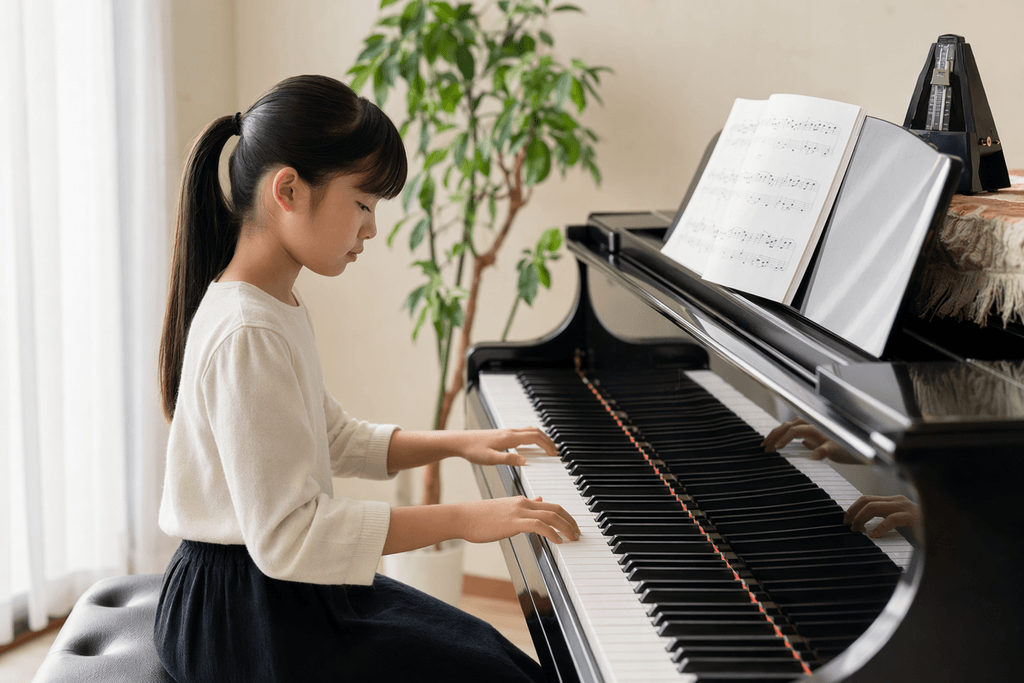
練習する
अभ्यास गर्नु
練習する
अभ्यास गर्नु
Explanation
練習する
अभ्यास गर्नु
練習する
अभ्यास गर्नु / तालिम गर्नु / दोहोर्याएर सिक्नु
Word Forms
The basic and commonly used forms of this verb.
Basic forms
| Form | Word form | Usage |
|---|---|---|
| Imperfective form (mizenkei) |
Alternative:
練習せ
練習さ
|
Connects to endings such as nai, reru, and seru. |
| Continuative form (renyokei) | Connects to endings such as masu, tai, and ta. | |
| Conclusive form (shushikei) | Ends a sentence and serves as the dictionary form. | |
| Attributive form (rentaikei) | Modifies a noun. | |
| Conditional form (kateikei) | Combines with ba to express a condition. | |
| Imperative form (meireikei) |
Alternative:
練習せよ
|
Expresses a command or instruction. |
Common forms
| Form | Word form | Usage |
|---|---|---|
| Te-form | Connects clauses with te. | |
| Ta-form | Expresses the past with ta. | |
| Nai-form |
Alternative:
練習せぬ
|
Expresses negation with nai. |
| Masu-form | Used for polite speech. | |
| Ba-form | Expresses a condition with ba. | |
| Volitional form | Expresses intention or invitation. |
Notes
Loading...

JLPT N5 多言語単語帳・665語 / JLPT N5 Multilingual Vocabulary: 665 Words

Jonathan Waller 氏の JLPT Resources の語彙リスト・レベル分類を出典とし、CC BY の条件に従って DiQt が初級向けに意味を作り直した665語の単語帳です。JLPT公式の語彙リストではありません。
This collection of 665 words is based on the vocabulary list and level classifications in Jonathan Waller’s JLPT Resources under CC BY, with meanings rewritten by DiQt for beginners. It is not an official JLPT vocabulary list.
Key Operations
Select the first quiz:
Ctrl + Enter
View Explanation:Ctrl + G
Close a feedback:Esc
When selecting a quiz
Answer:Enter
Select a choice:↓ or ↑
Reading out the question:Ctrl + K
View Hint: Ctrl + M
I don't know: Ctrl + Y



