
JLPT N5 शब्दार्थ अभ्यास - Unsolved

चार विकल्प भएका प्रश्नबाट JLPT N5 का 665 शब्दका अर्थ नेपालीमा सिक्नुहोस्।
-
नाम
-
चिठी
-
तस्बिर
-
अझै / अझैसम्म छैन
-
सबै
-
तुरुन्तै
-
जवान
-
हल्लायुक्त / झर्कोलाग्दो
-
होचो / कम उचाइको
-
शान्त
-
चहलपहल भएको
-
धेरै मन पर्नु
-
लेख
-
नाम
-
पाउरोटी
-
मासु
-
टाउको
-
गीत
-
गर्नु
-
गाडीबाट ओर्लनु / तल झर्नु
-
पढ्नु
-
पोस्टकार्ड
-
बेलुकाको खाना
-
घर
-
धेरै
-
रातो
-
छिटो
- 「冷たい」はイ形容詞。命令形「冷たかれ」は現代語では稀な文語的形。
-
बलियो
-
प्यारो
-
न्यानो
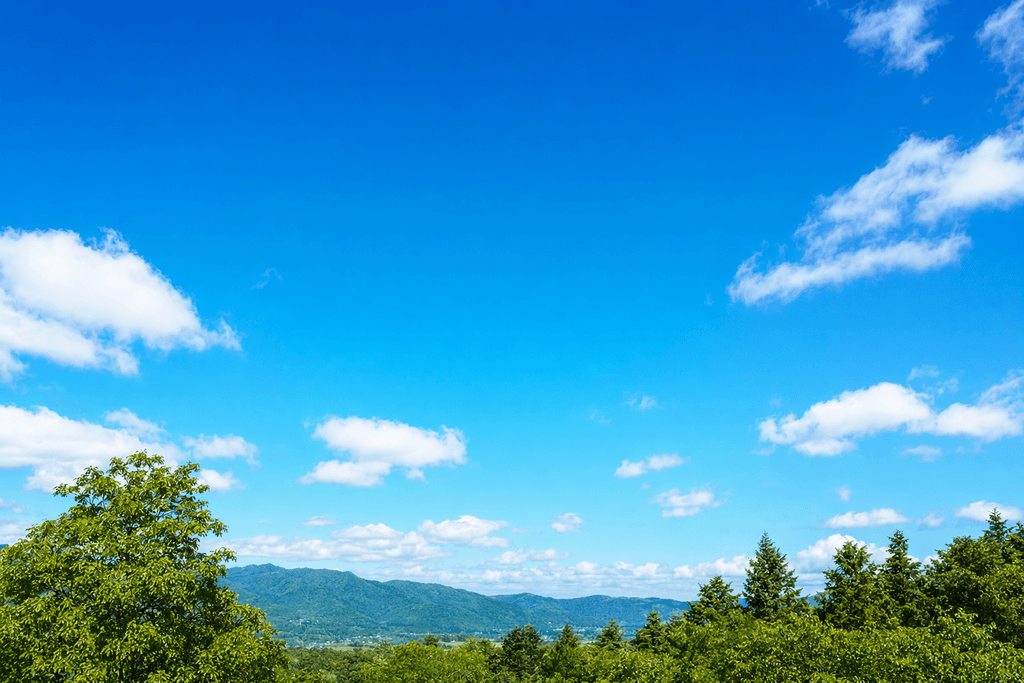
青
नीलो
青
नीलो
Explanation
青
नीलो
青
नीलो रंग / हरियो (जापानी प्रयोगमा)
( romanization )
( hiragana )
毎朝
हरेक बिहान
毎朝
हरेक बिहान
Explanation
毎朝
हरेक बिहान
毎朝
हरेक बिहान / प्रत्येक बिहान

( Base form )
( romanization )
( hiragana )
薄い
पातलो / फिका
薄い
पातलो / फिका
Explanation
薄い
पातलो / फिका
薄い
पातलो / फिक्का (रङ वा स्वादमा) / कमजोरो (रूपक रूपमा)

Word Forms
The basic and commonly used forms of this adjective.
Basic forms
| Form | Word form | Usage |
|---|---|---|
| Imperfective form (mizenkei) | Used in forms such as karou; mainly literary. | |
| Continuative form (renyokei) |
Alternative:
薄かっ
|
Used in forms such as kute and kunai. |
| Conclusive form (shushikei) | Ends a sentence. | |
| Attributive form (rentaikei) | Modifies a noun. | |
| Conditional form (kateikei) | Expresses a condition with kereba. | |
| Imperative form (meireikei) | Rarely used in modern Japanese. |
Common forms
有名
प्रसिद्ध
有名
प्रसिद्ध
Explanation
有名
प्रसिद्ध
有名
प्रसिद्ध / ख्याति प्राप्त / चर्चित

Word Forms
The basic and commonly used forms of this adjectival noun.
Basic forms
| Form | Word form | Usage |
|---|---|---|
| Imperfective form (mizenkei) | Used in forms such as darou. | |
| Continuative form (renyokei) |
Alternative:
有名に
|
Used with de or ni. |
| Conclusive form (shushikei) | Ends a sentence with da. | |
| Attributive form (rentaikei) | Modifies a noun with na. | |
| Conditional form (kateikei) | Expresses a condition with nara. | |
| Imperative form (meireikei) | Used in formal expressions such as de are. |
Common forms
図書館
पुस्तकालय
図書館
पुस्तकालय
Explanation
図書館
पुस्तकालय
図書館
पुस्तक र अन्य सामग्री पढ्न वा उधारो लिन पाइने संस्था / किताब, पत्रपत्रिका, अभिलेख आदिको सङ्ग्रह राखिने सार्वजनिक भवन

( Base form )
( romanization )
( romanization )
( hiragana historical )
( hiragana )
外国
विदेश
外国
विदेश
Explanation
外国
विदेश
外国
विदेश / विदेशी देश / परदेश

( Base form )
( romanization )
( romanization )
( kyūjitai )
( hiragana historical )
( hiragana )
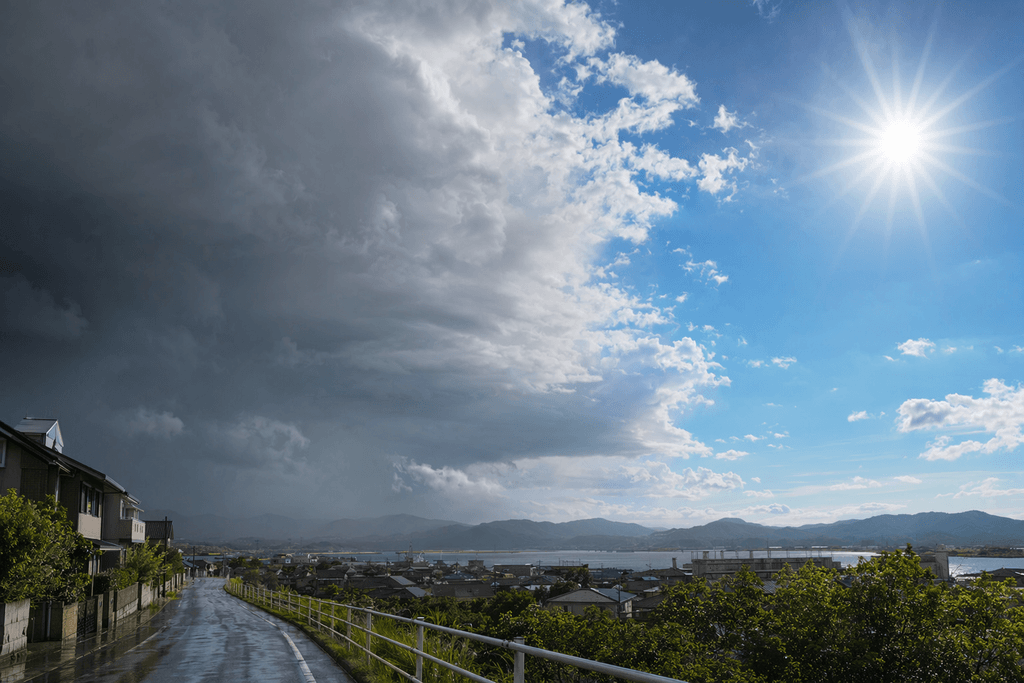
晴れる
मौसम खुल्नु
晴れる
मौसम खुल्नु
Explanation
晴れる
मौसम खुल्नु
晴れる
आकाश खुल्नु / मन हल्का हुनु / सन्देहबाट मुक्त हुनु
Word Forms
The basic and commonly used forms of this verb.
Basic forms
| Form | Word form | Usage |
|---|---|---|
| Imperfective form (mizenkei) | Connects to endings such as nai, reru, and seru. | |
| Continuative form (renyokei) | Connects to endings such as masu, tai, and ta. | |
| Conclusive form (shushikei) | Ends a sentence and serves as the dictionary form. | |
| Attributive form (rentaikei) | Modifies a noun. | |
| Conditional form (kateikei) | Combines with ba to express a condition. | |
| Imperative form (meireikei) |
Alternative:
晴れよ
|
Expresses a command or instruction. |
Common forms
背広
सुट
背広
सुट
Explanation
背広
सुट
背広
व्यावसायिक सूट / औपचारिक सूट / कोट–प्यान्ट

( Base form )
( romanization )
( counter )
( hiragana )
冷たい
चिसो
冷たい
चिसो
Explanation
冷たい
चिसो
冷たい
चिसो (स्पर्श गर्दा) / अनमिलो (चिसो व्यवहार)

Word Forms
The basic and commonly used forms of this adjective.
Basic forms
| Form | Word form | Usage |
|---|---|---|
| Imperfective form (mizenkei) | Used in forms such as karou; mainly literary. | |
| Continuative form (renyokei) |
Alternative:
冷たかっ
|
Used in forms such as kute and kunai. |
| Conclusive form (shushikei) | Ends a sentence. | |
| Attributive form (rentaikei) | Modifies a noun. | |
| Conditional form (kateikei) | Expresses a condition with kereba. | |
| Imperative form (meireikei) | Rarely used in modern Japanese. |
Common forms
| Form | Word form | Usage |
|---|---|---|
| Te-form | Connects clauses with kute. | |
| Ta-form | Expresses the past with katta. | |
| Nai-form | Expresses negation with kunai. | |
| Ba-form |
Alternative:
冷たけりゃ
|
Expresses a condition with kereba. |
Notes
軽い
हलुका
軽い
हलुका
Explanation
軽い
हलुका
軽い
हलुका / कम तौल भएको / भारी नभएको

Word Forms
The basic and commonly used forms of this adjective.
Basic forms
| Form | Word form | Usage |
|---|---|---|
| Imperfective form (mizenkei) | Used in forms such as karou; mainly literary. | |
| Continuative form (renyokei) |
Alternative:
軽かっ
|
Used in forms such as kute and kunai. |
| Conclusive form (shushikei) | Ends a sentence. | |
| Attributive form (rentaikei) | Modifies a noun. | |
| Conditional form (kateikei) | Expresses a condition with kereba. | |
| Imperative form (meireikei) | Rarely used in modern Japanese. |
Common forms
Loading...

JLPT N5 多言語単語帳・665語 / JLPT N5 Multilingual Vocabulary: 665 Words

Jonathan Waller 氏の JLPT Resources の語彙リスト・レベル分類を出典とし、CC BY の条件に従って DiQt が初級向けに意味を作り直した665語の単語帳です。JLPT公式の語彙リストではありません。
This collection of 665 words is based on the vocabulary list and level classifications in Jonathan Waller’s JLPT Resources under CC BY, with meanings rewritten by DiQt for beginners. It is not an official JLPT vocabulary list.
Key Operations
Select the first quiz:
Ctrl + Enter
View Explanation:Ctrl + G
Close a feedback:Esc
When selecting a quiz
Answer:Enter
Select a choice:↓ or ↑
Reading out the question:Ctrl + K
View Hint: Ctrl + M
I don't know: Ctrl + Y



