
JLPT N5 शब्दार्थ अभ्यास - Unsolved

चार विकल्प भएका प्रश्नबाट JLPT N5 का 665 शब्दका अर्थ नेपालीमा सिक्नुहोस्।
-
बन्द हुनु
-
फिर्ता दिनु
-
बस्नु
-
भित्र राख्नु
-
रोकिनु
-
काम गर्नु
-
सात दिन / महिनाको सात गते
-
एक महिना
-
वस्तु
-
त्यो
-
त्यता
-
कोही
-
हिटर
-
सामान
-
आँखा
-
पश्चिम
-
बस
-
एक जना
-
खैरो
-
टिकट
-
अन्य कुरा
-
टाइ
-
नाक
-
अन्य कुरा
-
चढ्नु
-
अप्ठ्यारोमा पर्नु
-
बेच्नु
-
उठ्नु
-
सुत्नु / ओछ्यानमा जानु
-
प्रतिलिपि बनाउनु
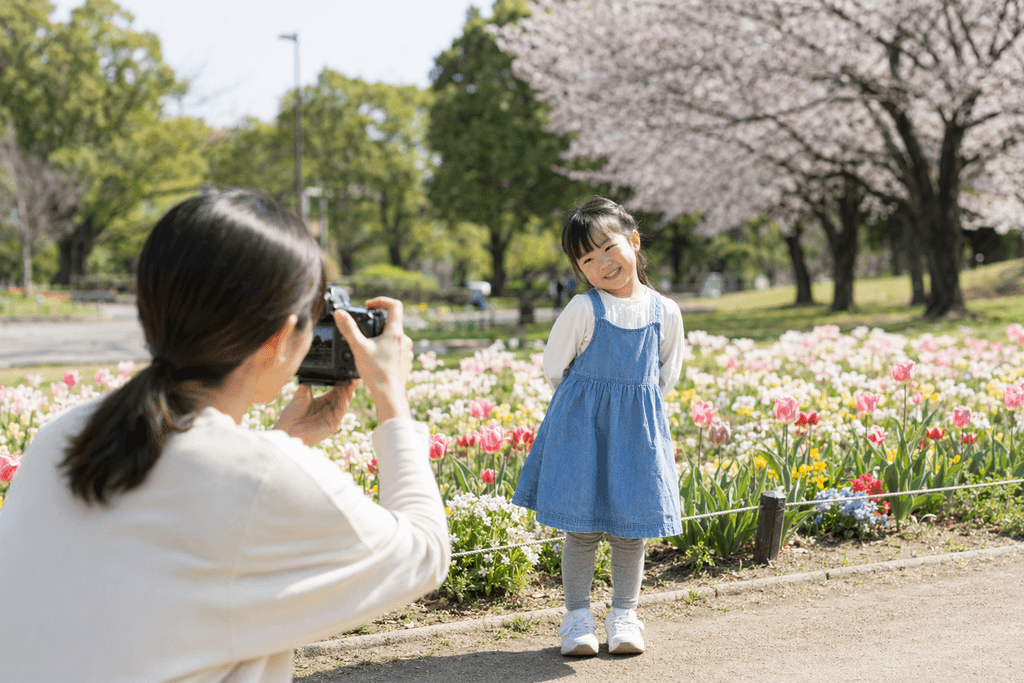
撮る
फोटो खिच्नु
撮る
फोटो खिच्नु
Explanation
撮る
फोटो खिच्नु
撮る
फोटो खिच्नु / तस्बिर लिनु / छायाचित्र खिच्नु
Word Forms
The basic and commonly used forms of this verb.
Basic forms
| Form | Word form | Usage |
|---|---|---|
| Imperfective form (mizenkei) |
Alternative:
撮ろ
|
Connects to endings such as nai, reru, and seru. |
| Continuative form (renyokei) | Connects to endings such as masu, tai, and ta. | |
| Conclusive form (shushikei) | Ends a sentence and serves as the dictionary form. | |
| Attributive form (rentaikei) | Modifies a noun. | |
| Conditional form (kateikei) | Combines with ba to express a condition. | |
| Imperative form (meireikei) | Expresses a command or instruction. |
Common forms
出る
बाहिर निस्कनु / छोडेर जानु
出る
बाहिर निस्कनु / छोडेर जानु
Explanation
出る
बाहिर निस्कनु / छोडेर जानु
出る
निस्कनु / बाहिर आउनु / प्रकट हुनु

Word Forms
The basic and commonly used forms of this verb.
Basic forms
| Form | Word form | Usage |
|---|---|---|
| Imperfective form (mizenkei) | Connects to endings such as nai, reru, and seru. | |
| Continuative form (renyokei) | Connects to endings such as masu, tai, and ta. | |
| Conclusive form (shushikei) | Ends a sentence and serves as the dictionary form. | |
| Attributive form (rentaikei) | Modifies a noun. | |
| Conditional form (kateikei) | Combines with ba to express a condition. | |
| Imperative form (meireikei) |
Alternative:
出よ
|
Expresses a command or instruction. |
Common forms
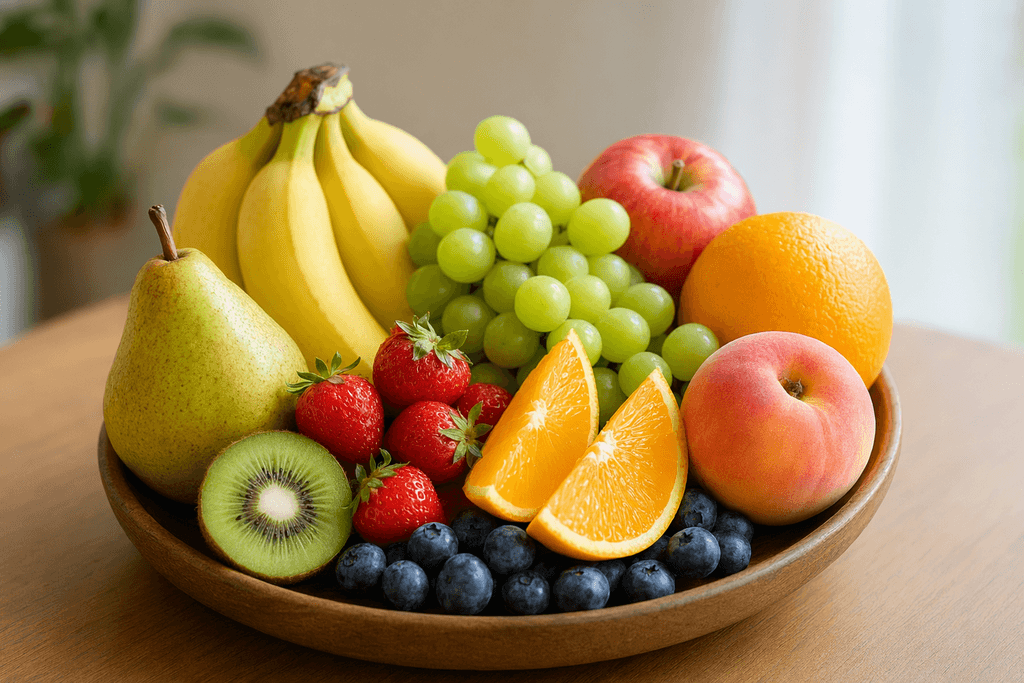
果物
फलफूल
果物
फलफूल
Explanation
果物
फलफूल
果物
फलफूल / फल
( romanization )
( hiragana )
こちら
यता / यो व्यक्ति
こちら
यता / यो व्यक्ति
Explanation
यता / यो व्यक्ति
こちら
यो; यो व्यक्ति / हामी; हाम्रो पक्ष / म (विनम्र)

( romanization )
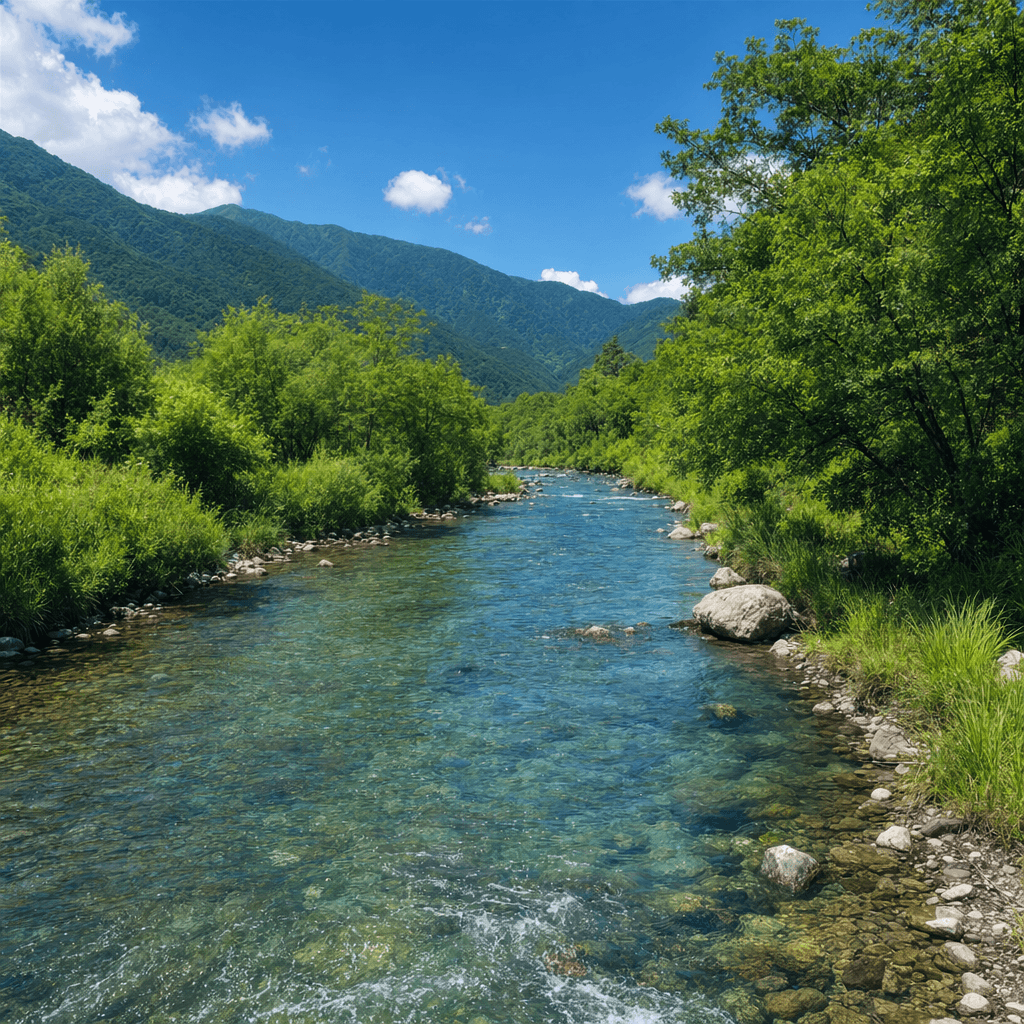
川
नदी
川
नदी
Explanation
川
नदी
川
नदी / खोला
外国人
विदेशी
外国人
विदेशी
Explanation
外国人
विदेशी
外国人
विदेशी / विदेशी नागरिक / जापानी नभएको व्यक्ति

( Base form )
( romanization )
( romanization )
( kyūjitai )
( hiragana historical )
( hiragana )
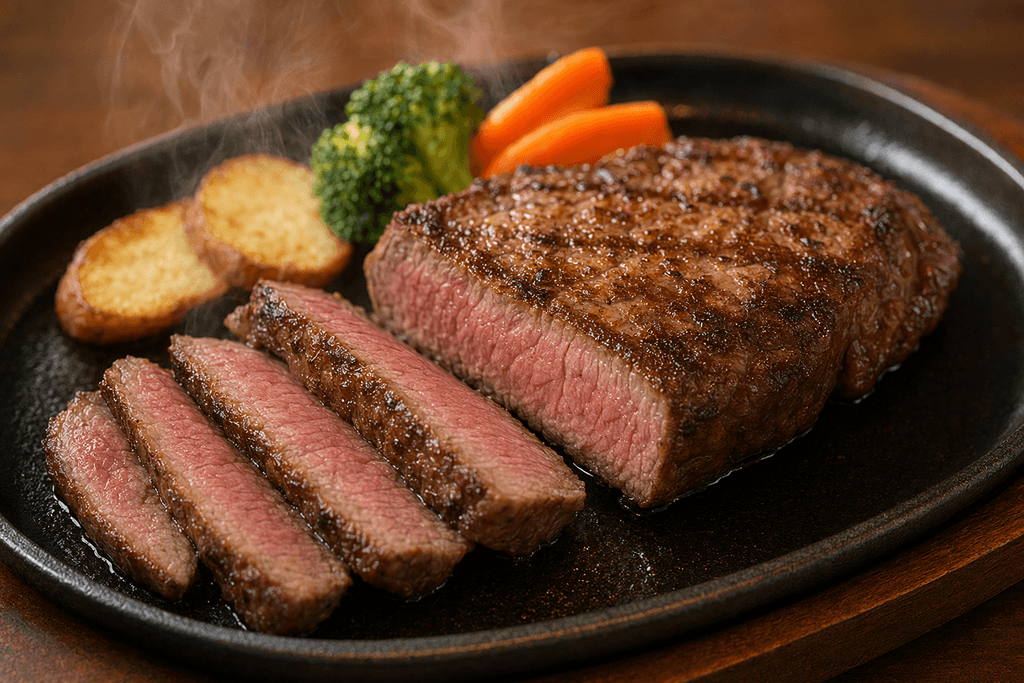
牛肉
गाईको मासु
牛肉
गाईको मासु
Explanation
牛肉
गाईको मासु
牛肉
गाईको मासु / गोमांस
( Base form )
( romanization )
( hiragana )
三日
तीन दिन / महिनाको तीन गते
三日
तीन दिन / महिनाको तीन गते
Explanation
三日
तीन दिन / महिनाको तीन गते
三日
महिनाको तेस्रो दिन / तीन दिन

( Base form )
( romanization )
( hiragana )
飲む
पिउनु
飲む
पिउनु
Explanation
飲む
पिउनु
飲む
पिउनु / औषधि सेवन गर्नु / मदिरा पिउनु

Word Forms
The basic and commonly used forms of this verb.
Basic forms
| Form | Word form | Usage |
|---|---|---|
| Imperfective form (mizenkei) |
Alternative:
飲も
|
Connects to endings such as nai, reru, and seru. |
| Continuative form (renyokei) | Connects to endings such as masu, tai, and ta. | |
| Conclusive form (shushikei) | Ends a sentence and serves as the dictionary form. | |
| Attributive form (rentaikei) | Modifies a noun. | |
| Conditional form (kateikei) | Combines with ba to express a condition. | |
| Imperative form (meireikei) | Expresses a command or instruction. |
Common forms
遊ぶ
खेल्नु
遊ぶ
खेल्नु
Explanation
遊ぶ
खेल्नु
遊ぶ
खेल्नु / रमाउनु / मनोरञ्जन गर्नु

Word Forms
The basic and commonly used forms of this verb.
Basic forms
| Form | Word form | Usage |
|---|---|---|
| Imperfective form (mizenkei) |
Alternative:
遊ぼ
|
Connects to endings such as nai, reru, and seru. |
| Continuative form (renyokei) | Connects to endings such as masu, tai, and ta. | |
| Conclusive form (shushikei) | Ends a sentence and serves as the dictionary form. | |
| Attributive form (rentaikei) | Modifies a noun. | |
| Conditional form (kateikei) | Combines with ba to express a condition. | |
| Imperative form (meireikei) | Expresses a command or instruction. |
Common forms
Loading...

JLPT N5 多言語単語帳・665語 / JLPT N5 Multilingual Vocabulary: 665 Words

Jonathan Waller 氏の JLPT Resources の語彙リスト・レベル分類を出典とし、CC BY の条件に従って DiQt が初級向けに意味を作り直した665語の単語帳です。JLPT公式の語彙リストではありません。
This collection of 665 words is based on the vocabulary list and level classifications in Jonathan Waller’s JLPT Resources under CC BY, with meanings rewritten by DiQt for beginners. It is not an official JLPT vocabulary list.
Key Operations
Select the first quiz:
Ctrl + Enter
View Explanation:Ctrl + G
Close a feedback:Esc
When selecting a quiz
Answer:Enter
Select a choice:↓ or ↑
Reading out the question:Ctrl + K
View Hint: Ctrl + M
I don't know: Ctrl + Y



