
JLPT N5 शब्दार्थ अभ्यास - Unsolved

चार विकल्प भएका प्रश्नबाट JLPT N5 का 665 शब्दका अर्थ नेपालीमा सिक्नुहोस्।
-
आमा
-
शीत ऋतु
-
काका / अधबैंसे पुरुष
-
फरक हुनु / गलत हुनु
-
सिकाउनु / बताउनु
-
लिनु
-
कुन
-
ठूलो
-
त्यो
-
चहलपहल भएको
-
मन पर्नु
-
विभिन्न
-
काकी / अधबैंसे महिला
-
उत्तर
-
हवाईजहाज
-
धुनु
-
बन्द हुनु
-
गाडी चढ्नु / सवार हुनु
- 「要る」は五段活用(ラ行)で、「居る(いる)」の上一段活用とは異なる。
-
थमाउनु
-
धूमपान गर्नु / सास भित्र लिनु
-
पार गर्नु
- 自動詞。
-
हजुरआमा / वृद्ध महिला
-
वरिपरि
-
एक दिन / दिनभरि
-
होइन
-
धन्यवाद
-
हो
-
खानाको बट्टा
-
काकी / अधबैंसे महिला
-
तल
友達
साथी
友達
साथी
Explanation
友達
साथी
友達
मित्र / साथी / दोस्त

( Base form )
( romanization )
( hiragana )
頼む
अनुरोध गर्नु
頼む
अनुरोध गर्नु
Explanation
頼む
अनुरोध गर्नु
頼む
अनुरोध गर्नु / बिन्ती गर्नु / याचना गर्नु

Word Forms
The basic and commonly used forms of this verb.
Basic forms
| Form | Word form | Usage |
|---|---|---|
| Imperfective form (mizenkei) |
Alternative:
頼も
|
Connects to endings such as nai, reru, and seru. |
| Continuative form (renyokei) | Connects to endings such as masu, tai, and ta. | |
| Conclusive form (shushikei) | Ends a sentence and serves as the dictionary form. | |
| Attributive form (rentaikei) | Modifies a noun. | |
| Conditional form (kateikei) | Combines with ba to express a condition. | |
| Imperative form (meireikei) | Expresses a command or instruction. |
Common forms
こんな
यस्तो
こんな
यस्तो
Explanation
यस्तो
こんな
यस्तो / यस किसिमको / यस प्रकारको

( romanization )
便利
सुविधाजनक
便利
सुविधाजनक
Explanation
便利
सुविधाजनक
便利
सुविधाजनक / सहूलियतपूर्ण / उपयुक्त

Word Forms
The basic and commonly used forms of this adjectival noun.
Basic forms
| Form | Word form | Usage |
|---|---|---|
| Imperfective form (mizenkei) | Used in forms such as darou. | |
| Continuative form (renyokei) |
Alternative:
便利に
|
Used with de or ni. |
| Conclusive form (shushikei) | Ends a sentence with da. | |
| Attributive form (rentaikei) |
Alternative:
便利なる
|
Modifies a noun with na. |
| Conditional form (kateikei) | Expresses a condition with nara. | |
| Imperative form (meireikei) | Used in formal expressions such as de are. |
Common forms
一人
एक जना
一人
एक जना
Explanation
一人
एक जना
一人
एक जना व्यक्ति / एक्लै; आफैं / एकल (सोलो)

( Base form )
( romanization )
( hiragana )
要る
चाहिनु
要る
चाहिनु
Explanation
要る
चाहिनु
要る
चाहिनु / आवश्यक हुनु / जरुरत पर्नु

Word Forms
The basic and commonly used forms of this verb.
Basic forms
| Form | Word form | Usage |
|---|---|---|
| Imperfective form (mizenkei) |
Alternative:
要ろ
|
Connects to endings such as nai, reru, and seru. |
| Continuative form (renyokei) | Connects to endings such as masu, tai, and ta. | |
| Conclusive form (shushikei) | Ends a sentence and serves as the dictionary form. | |
| Attributive form (rentaikei) | Modifies a noun. | |
| Conditional form (kateikei) | Combines with ba to express a condition. | |
| Imperative form (meireikei) | Expresses a command or instruction. |
Common forms
| Form | Word form | Usage |
|---|---|---|
| Te-form | Connects clauses with te. | |
| Ta-form | Expresses the past with ta. | |
| Nai-form | Expresses negation with nai. | |
| Masu-form | Used for polite speech. | |
| Ba-form | Expresses a condition with ba. | |
| Volitional form | Expresses intention or invitation. |
Notes
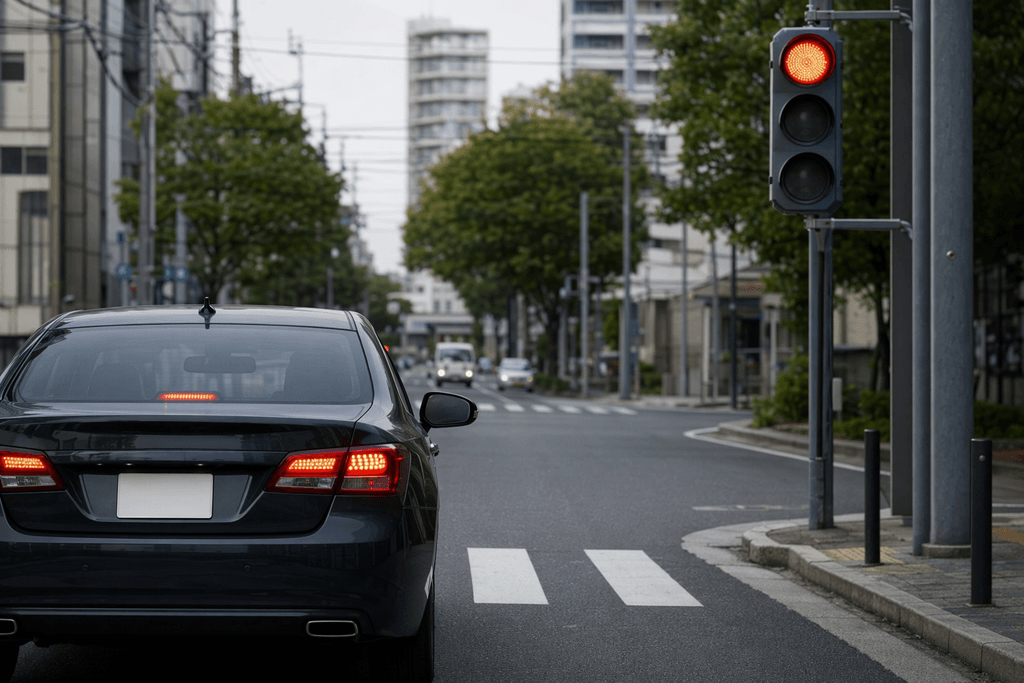
止まる
रोकिनु
止まる
रोकिनु
Explanation
止まる
रोकिनु
止まる
रोकिनु / थामिनु / बन्द हुनु
Word Forms
The basic and commonly used forms of this verb.
Basic forms
| Form | Word form | Usage |
|---|---|---|
| Imperfective form (mizenkei) |
Alternative:
止まろ
|
Connects to endings such as nai, reru, and seru. |
| Continuative form (renyokei) |
Alternative:
止まっ
|
Connects to endings such as masu, tai, and ta. |
| Conclusive form (shushikei) | Ends a sentence and serves as the dictionary form. | |
| Attributive form (rentaikei) | Modifies a noun. | |
| Conditional form (kateikei) | Combines with ba to express a condition. | |
| Imperative form (meireikei) | Expresses a command or instruction. |
Common forms
| Form | Word form | Usage |
|---|---|---|
| Te-form | Connects clauses with te. | |
| Ta-form | Expresses the past with ta. | |
| Nai-form | Expresses negation with nai. | |
| Masu-form | Used for polite speech. | |
| Ba-form | Expresses a condition with ba. | |
| Volitional form | Expresses intention or invitation. |
Notes
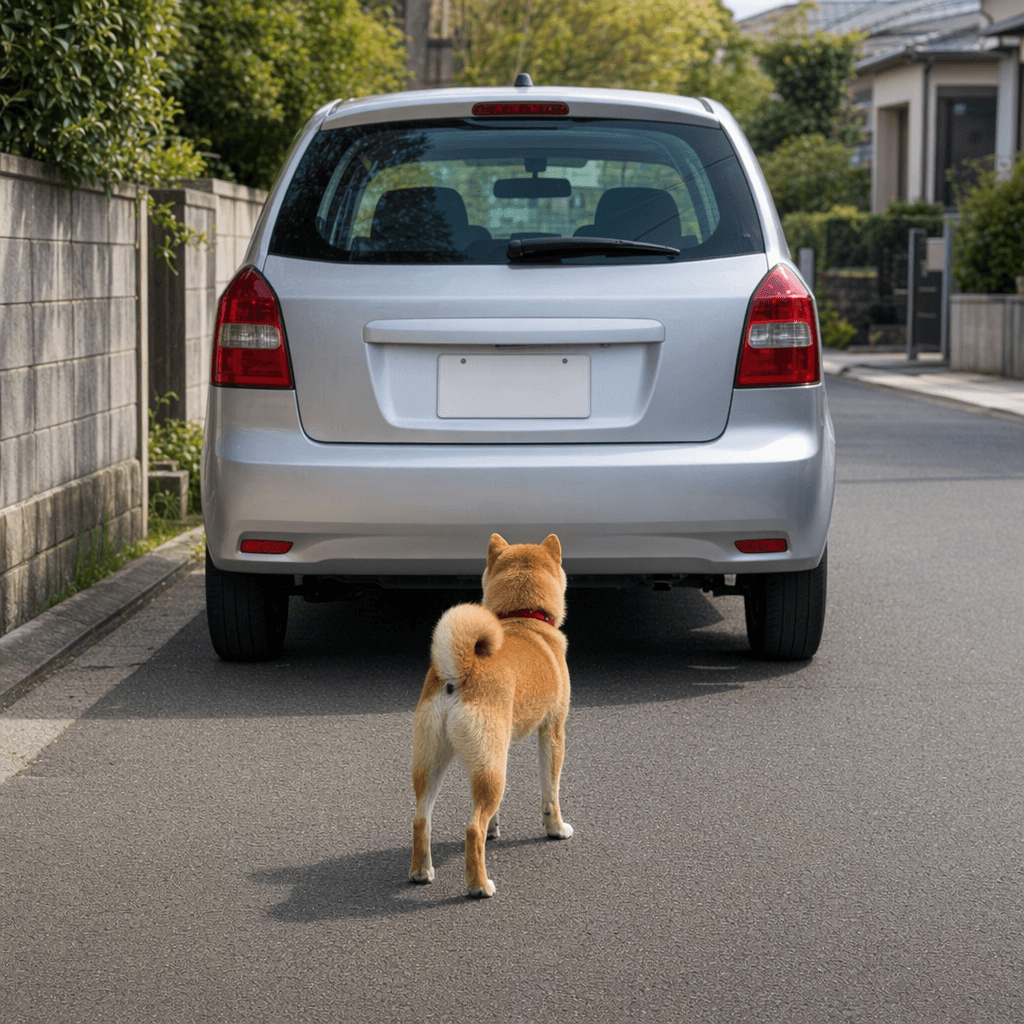
後
पछि
後
पछि
Explanation
後
पछि
後
पछाडि (पछाडिको भाग) / पछि (समयगत) / बाँकी
( romanization )
( hiragana )
さあ
ल त
さあ
ल त
Explanation
ल त
さあ
ल है; लागौँ; अब / हँ..., त..., हेरौँ त / थाहा छैन; निश्चित छैन

( romanization )
自動車
कार
自動車
कार
Explanation
自動車
कार
自動車
मोटरगाडी / कार / गाडी

( Base form )
( romanization )
( romanization )
( hiragana historical )
( hiragana )
Loading...

JLPT N5 多言語単語帳・665語 / JLPT N5 Multilingual Vocabulary: 665 Words

Jonathan Waller 氏の JLPT Resources の語彙リスト・レベル分類を出典とし、CC BY の条件に従って DiQt が初級向けに意味を作り直した665語の単語帳です。JLPT公式の語彙リストではありません。
This collection of 665 words is based on the vocabulary list and level classifications in Jonathan Waller’s JLPT Resources under CC BY, with meanings rewritten by DiQt for beginners. It is not an official JLPT vocabulary list.
Key Operations
Select the first quiz:
Ctrl + Enter
View Explanation:Ctrl + G
Close a feedback:Esc
When selecting a quiz
Answer:Enter
Select a choice:↓ or ↑
Reading out the question:Ctrl + K
View Hint: Ctrl + M
I don't know: Ctrl + Y



