
JLPT N5 शब्दार्थ अभ्यास - Unsolved

चार विकल्प भएका प्रश्नबाट JLPT N5 का 665 शब्दका अर्थ नेपालीमा सिक्नुहोस्।
-
एक दिन / दिनभरि
-
विदेशी
-
वसन्त ऋतु
-
पस्नु
-
फिर्ता दिनु
-
थाक्नु
-
चक्कु
-
दस दिन / महिनाको दस गते
-
आज राति
-
सिप नभएको
-
स्वस्थ / फुर्तिलो
-
मन नपर्नु
-
केटी
-
गाउँ
-
गर्मी बिदा
-
सुविधाजनक
-
सिप नभएको
-
चहलपहल भएको
- 「大丈夫」はナ形容詞(形容動詞)として用いられます。
- 否定形は「大丈夫ではない」を標準形とし、口語形として「大丈夫じゃない」も用いられます。
-
सधैँ
-
कस्तो
-
सबै
-
हवाईजहाज
-
दस दिन / महिनाको दस गते
-
परिवार
-
त्यता
-
यो
-
कतिवटा / कति वर्षको
-
छिटो
-
कमजोर
-
ठूलो
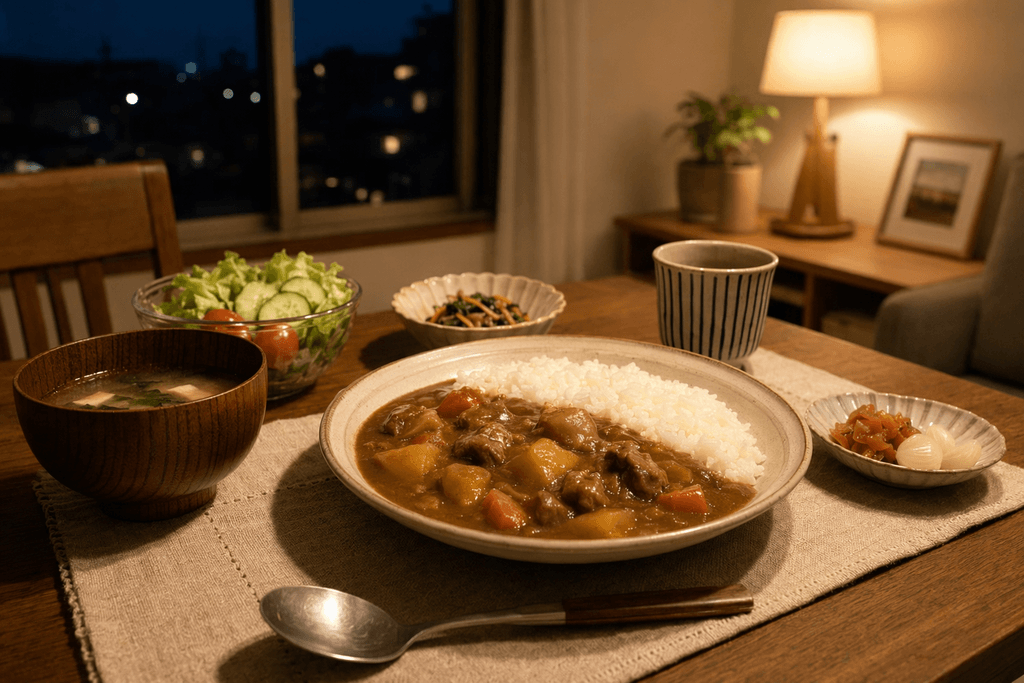
晩御飯
बेलुकाको खाना
晩御飯
बेलुकाको खाना
Explanation
晩御飯
बेलुकाको खाना
晩御飯
बेलुकीको खाना / रातको खाना / साँझको भोजन
( Base form )
( romanization )
( hiragana )
借りる
सापटी लिनु
借りる
सापटी लिनु
Explanation
借りる
सापटी लिनु
借りる
उधारो लिनु / भाडामा लिनु

Word Forms
The basic and commonly used forms of this verb.
Basic forms
| Form | Word form | Usage |
|---|---|---|
| Imperfective form (mizenkei) | Connects to endings such as nai, reru, and seru. | |
| Continuative form (renyokei) | Connects to endings such as masu, tai, and ta. | |
| Conclusive form (shushikei) | Ends a sentence and serves as the dictionary form. | |
| Attributive form (rentaikei) | Modifies a noun. | |
| Conditional form (kateikei) | Combines with ba to express a condition. | |
| Imperative form (meireikei) |
Alternative:
借りよ
|
Expresses a command or instruction. |
Common forms
門
मूलढोका
門
मूलढोका
Explanation
門
मूलढोका
門
फाटक; ढोका / (जीवविज्ञान) संघ/विभाग / श्रेणी वा शाखा/क्षेत्र (विशेषतः शैक्षिक); पन्थ/सम्प्रदाय

( romanization )
( hiragana )
上手
सिपालु
上手
सिपालु
Explanation
上手
सिपालु
上手
दक्ष / सीपालु / कुशल

Word Forms
The basic and commonly used forms of this adjectival noun.
Basic forms
| Form | Word form | Usage |
|---|---|---|
| Imperfective form (mizenkei) | Used in forms such as darou. | |
| Continuative form (renyokei) |
Alternative:
上手に
|
Used with de or ni. |
| Conclusive form (shushikei) | Ends a sentence with da. | |
| Attributive form (rentaikei) | Modifies a noun with na. | |
| Conditional form (kateikei) | Expresses a condition with nara. | |
| Imperative form (meireikei) | Used in formal expressions such as de are. |
Common forms
横
छेउ / तेर्सो दिशा
横
छेउ / तेर्सो दिशा
Explanation
横
छेउ / तेर्सो दिशा
横
तेर्सो दिशा / चौडाइ / पूर्व-पश्चिम दूरी

( romanization )
大丈夫
ठीक
大丈夫
ठीक
Explanation
大丈夫
ठीक
大丈夫
ठीक; ठीकठाक / सुरक्षित; स्वस्थ; नघाइते / समस्या छैन; अनुमति छ

Word Forms
The basic and commonly used forms of this adjectival noun.
Basic forms
| Form | Word form | Usage |
|---|---|---|
| Imperfective form (mizenkei) | Used in forms such as darou. | |
| Continuative form (renyokei) |
Alternative:
大丈夫に
大丈夫だっ
|
Used with de or ni. |
| Conclusive form (shushikei) | Ends a sentence with da. | |
| Attributive form (rentaikei) | Modifies a noun with na. | |
| Conditional form (kateikei) |
Alternative:
大丈夫であれば
|
Expresses a condition with nara. |
| Imperative form (meireikei) | Used in formal expressions such as de are. |
Common forms
| Form | Word form | Usage |
|---|---|---|
| Te-form equivalent | Connects clauses using de. | |
| Ta-form | Expresses the past with datta. | |
| Nai-form |
Alternative:
大丈夫じゃない
|
Expresses negation with dewa nai or ja nai. |
| Desu-form | Used for polite speech. |
Notes
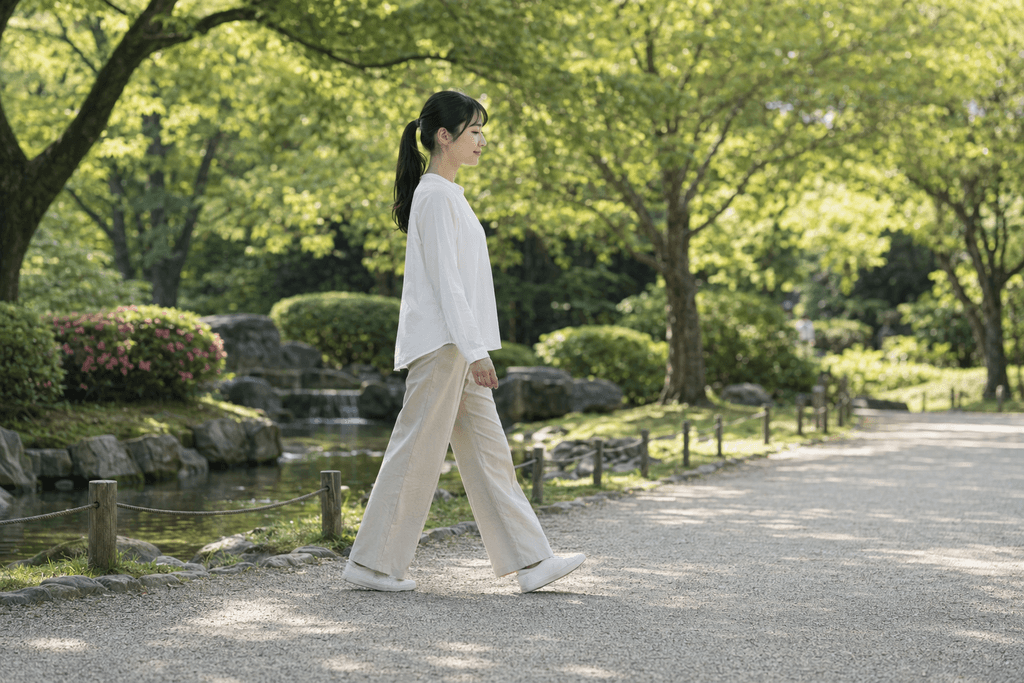
ゆっくり
बिस्तारै
ゆっくり
बिस्तारै
Explanation
बिस्तारै
ゆっくり
बिस्तारै / आरामसँग / हतार नगरी
( romanization )
今晩
आज राति
今晩
आज राति
Explanation
今晩
आज राति
今晩
आज राति / आज साँझ

( Base form )
( romanization )
( kyūjitai )
( hiragana )
こっち
यता
こっち
यता
Explanation
यता
こっち
यो दिशातिर / यो व्यक्ति वा म/हामी / यो वस्तु

( romanization )
短い
छोटो
短い
छोटो
Explanation
短い
छोटो
短い
छोटो / संक्षिप्त / छोटो दूरीको

Word Forms
The basic and commonly used forms of this adjective.
Basic forms
| Form | Word form | Usage |
|---|---|---|
| Imperfective form (mizenkei) | Used in forms such as karou; mainly literary. | |
| Continuative form (renyokei) |
Alternative:
短かっ
|
Used in forms such as kute and kunai. |
| Conclusive form (shushikei) | Ends a sentence. | |
| Attributive form (rentaikei) | Modifies a noun. | |
| Conditional form (kateikei) | Expresses a condition with kereba. | |
| Imperative form (meireikei) | Rarely used in modern Japanese. |
Common forms
Loading...

JLPT N5 多言語単語帳・665語 / JLPT N5 Multilingual Vocabulary: 665 Words

Jonathan Waller 氏の JLPT Resources の語彙リスト・レベル分類を出典とし、CC BY の条件に従って DiQt が初級向けに意味を作り直した665語の単語帳です。JLPT公式の語彙リストではありません。
This collection of 665 words is based on the vocabulary list and level classifications in Jonathan Waller’s JLPT Resources under CC BY, with meanings rewritten by DiQt for beginners. It is not an official JLPT vocabulary list.
Key Operations
Select the first quiz:
Ctrl + Enter
View Explanation:Ctrl + G
Close a feedback:Esc
When selecting a quiz
Answer:Enter
Select a choice:↓ or ↑
Reading out the question:Ctrl + K
View Hint: Ctrl + M
I don't know: Ctrl + Y



