
JLPT N1 වචන අර්ථ පුහුණුව - Unsolved

පිළිතුරු විකල්ප හතරක් ඇති ප්රශ්න මඟින් JLPT N1 වචන 3032ක අර්ථ සිංහලෙන් ඉගෙන ගන්න.
-
සැබෑ නම
-
පලායාම
-
දැක්ම / පෙනුම
-
ලස්සන / පිරිසිදු
-
නීත්යනුකූල / සාධාරණීකරණය කළ හැකි
-
සියුම්ව නිම කළ
- 「早急」はナ形容詞的に用いられる形容動詞語幹。
- 読みは一般に「さっきゅう」。慣用的に「そうきゅう」とも読まれることがある。
-
සිවිල් ඉංජිනේරු විද්යාව
-
අලාභය පියවීම
-
කොටස් බෙදාදීම
-
ටෙලෙක්ස්
-
ගැහැනු සතා
-
වැරදි වැටහීම / හමු නොවීම
-
කළමනාකරණය
-
බාල නිර්මාණය
-
කුසපත් ඇදීම
-
විකිරණය
-
අධික වෙහෙස
-
අන්තය
-
දැඩි ලෙස ප්රශ්න කිරීම
-
ආකල්පය / අභිප්රාය
-
උසස්වීම
-
අපරාධයක් කරනවා / දූෂණය කරනවා
-
දුරස්ව පිහිටනවා
-
දරනවා / ණයගැති වෙනවා
-
බලහත්කාරයෙන්
-
පහසුවෙන් / සැහැල්ලු රසැති
-
ඉබේම
-
වයස / යෞවන විය
-
සාක්ෂාත් කිරීම
-
ලියාපදිංචිය
人材
දක්ෂ පුද්ගලයා
人材
දක්ෂ පුද්ගලයා
Explanation
人材
දක්ෂ පුද්ගලයා
人材
දක්ෂ පුද්ගලයා / මානව සම්පත් / කම්කරු බලය

( Base form )
( romanization )
( hiragana )
早急
හදිසි
早急
හදිසි
Explanation
早急
හදිසි
早急
වහාම කළ යුතු / ඉක්මන්/තදින් කළ යුතු / හදිසි

Word Forms
The basic and commonly used forms of this adjectival noun.
Basic forms
| Form | Word form | Usage |
|---|---|---|
| Imperfective form (mizenkei) |
Alternative:
早急でしょ
|
Used in forms such as darou. |
| Continuative form (renyokei) |
Alternative:
早急に
早急だっ
|
Used with de or ni. |
| Conclusive form (shushikei) | Ends a sentence with da. | |
| Attributive form (rentaikei) | Modifies a noun with na. | |
| Conditional form (kateikei) |
Alternative:
早急であれば
|
Expresses a condition with nara. |
| Imperative form (meireikei) | Used in formal expressions such as de are. |
Common forms
| Form | Word form | Usage |
|---|---|---|
| Te-form equivalent | Connects clauses using de. | |
| Ta-form |
Alternative:
早急でした
|
Expresses the past with datta. |
| Nai-form |
Alternative:
早急じゃない
|
Expresses negation with dewa nai or ja nai. |
| Desu-form | Used for polite speech. |
Notes
驚異
විස්මයජනක දෙය
驚異
විස්මයජනක දෙය
Explanation
驚異
විස්මයජනක දෙය
驚異
විස්මය / අද්භූත දේ / අසමාන්ය විශ්මයජනක සිද්ධිය

( Base form )
( romanization )
( hiragana )
現行
දැනට ක්රියාත්මක
現行
දැනට ක්රියාත්මක
Explanation
現行
දැනට ක්රියාත්මක
現行
වත්මන් / දැනට ක්රියාත්මක / පවතින

( Base form )
( romanization )
( hiragana )
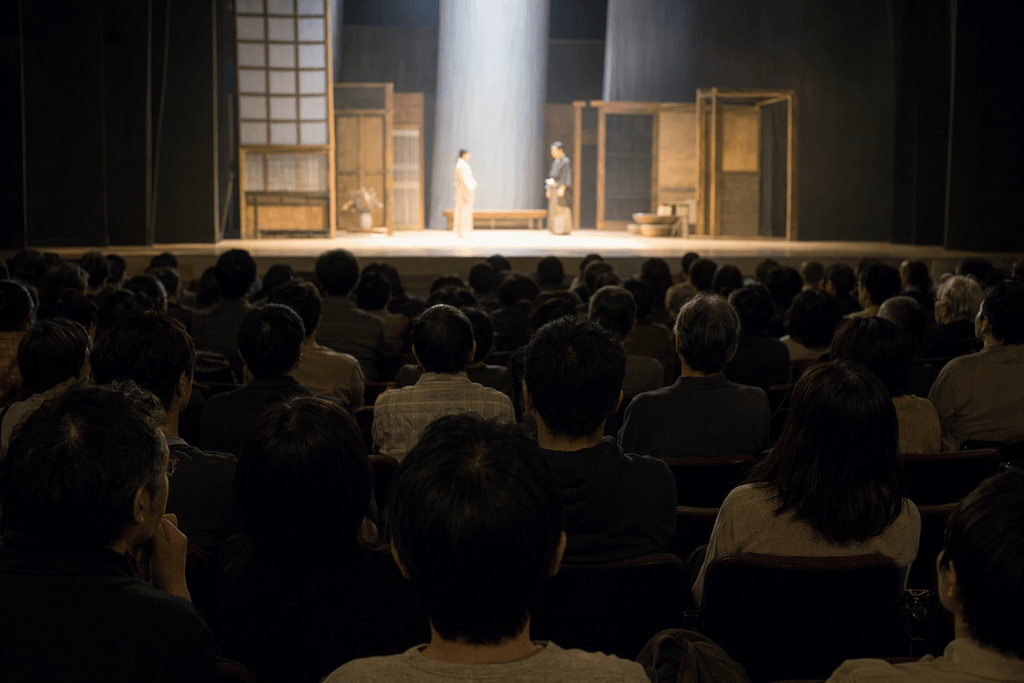
観衆
ප්රේක්ෂකයන්
観衆
ප්රේක්ෂකයන්
Explanation
観衆
ප්රේක්ෂකයන්
観衆
ප්රේක්ෂකයින් / දර්ශකයන් / ජනකාය
( Base form )
( romanization )
( romanization )
( hiragana historical )
( hiragana )
相場
වෙළඳපොළ මිල
相場
වෙළඳපොළ මිල
Explanation
相場
වෙළඳපොළ මිල
相場
වෙළඳපොළ මිල / වෙළඳපොළ අනුපාතය / මූල්ය අනුමාන වෙළඳාම

( Base form )
( romanization )
( romanization )
( hiragana historical )
( hiragana )
不服
අතෘප්තිය / විරෝධතාව
不服
අතෘප්තිය / විරෝධතාව
Explanation
不服
අතෘප්තිය / විරෝධතාව
不服
අසතුට / අකමැත්ත / විරෝධය

( Base form )
( romanization )
( hiragana )
痺れる
හිරිවැටෙනවා
痺れる
හිරිවැටෙනවා
Explanation
痺れる
හිරිවැටෙනවා
痺れる
(ශරීර කොටසක්) හැඩිවීම/නින්දට යාම (සංවේදනය අහිමිවීම) / විදුලි පහරක් ලැබී සෙලවීම / ඉතාමත් ආකර්ෂණය වී/මත්මත් වී යාම

Word Forms
The basic and commonly used forms of this verb.
Basic forms
| Form | Word form | Usage |
|---|---|---|
| Imperfective form (mizenkei) | Connects to endings such as nai, reru, and seru. | |
| Continuative form (renyokei) | Connects to endings such as masu, tai, and ta. | |
| Conclusive form (shushikei) | Ends a sentence and serves as the dictionary form. | |
| Attributive form (rentaikei) | Modifies a noun. | |
| Conditional form (kateikei) | Combines with ba to express a condition. | |
| Imperative form (meireikei) |
Alternative:
痺れよ
|
Expresses a command or instruction. |
Common forms
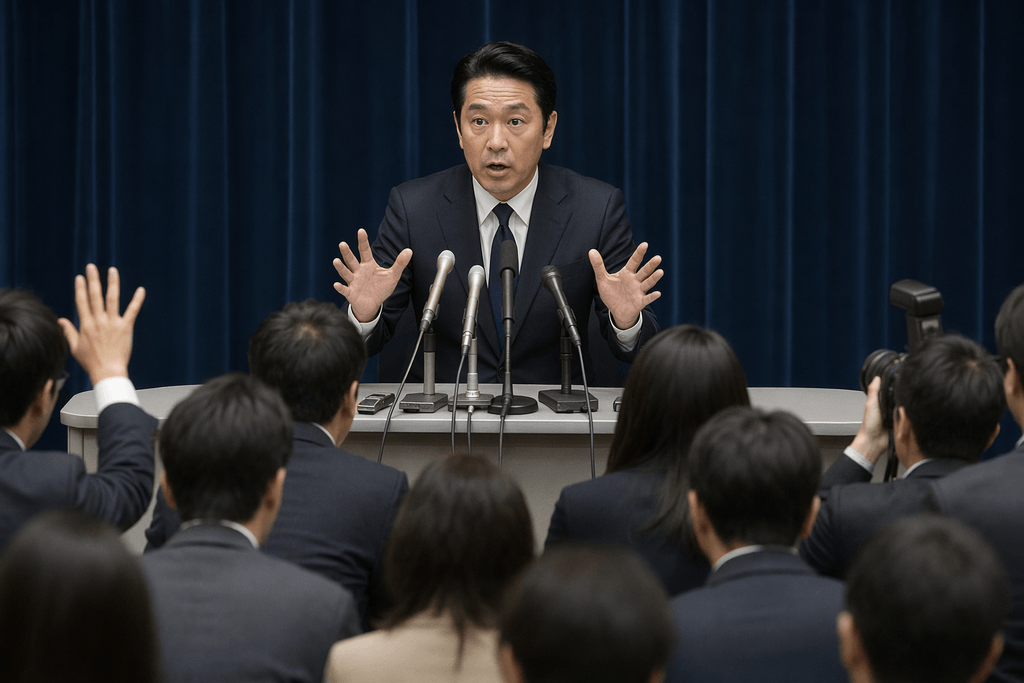
突如
හදිසියේ
突如
හදිසියේ
Explanation
突如
හදිසියේ
突如
හදිසියේම / අචානකව / එකපාරටම
( Base form )
( romanization )
( adnominal )
( adverbial )
( hiragana )
( table-tags )
( inflection-template )
( imperfective stem )
( imperfective stem )
( imperfective )
( continuative stem )
( continuative stem )
( continuative )
( stem terminative )
( stem terminative )
( terminative )
( attributive stem )
( attributive stem )
( attributive )
( hypothetical stem )
( hypothetical stem )
( hypothetical )
( Imperative stem )
( Imperative stem )
( Imperative )
( informal negative )
( informal negative )
( informal negative )
( informal negative )
( informal negative )
( informal negative )
( informal Past )
( informal Past )
( informal Past )
( informal negative Past )
( informal negative Past )
( informal negative Past )
( informal negative Past )
( informal negative Past )
( informal negative Past )
( formal )
( formal )
( formal )
( formal negative )
( formal negative )
( formal negative )
( formal negative )
( formal negative )
( formal negative )
( formal Past )
( formal Past )
( formal Past )
( formal negative Past )
( formal negative Past )
( formal negative Past )
( formal negative Past )
( formal negative Past )
( formal negative Past )
( conjunctive )
( conjunctive )
( conjunctive )
( Conditional )
( Conditional )
( Conditional )
( Conditional Past )
( Conditional Past )
( Conditional Past )
( volitional )
( volitional )
( volitional )
( adverbial )
( adverbial )
( adverbial )
( noun-from-adj )
( noun-from-adj )
( noun-from-adj )
財
ධනය
財
ධනය
Explanation
財
ධනය
財
ධනය / සම්පත් / දේපළ

( romanization )
( hiragana )
Loading...

JLPT N1 多言語単語帳・3032語 / JLPT N1 Multilingual Vocabulary: 3032 Words

Jonathan Waller 氏の JLPT Resources の語彙リスト・レベル分類を出典とし、CC BY の条件に従って DiQt が学習者向けに意味を作り直した3032語の単語帳です。JLPT公式の語彙リストではありません。
This collection of 3032 words is based on the vocabulary list and level classifications in Jonathan Waller’s JLPT Resources under CC BY, with meanings rewritten by DiQt for learners. It is not an official JLPT vocabulary list.
Key Operations
Select the first quiz:
Ctrl + Enter
View Explanation:Ctrl + G
Close a feedback:Esc
When selecting a quiz
Answer:Enter
Select a choice:↓ or ↑
Reading out the question:Ctrl + K
View Hint: Ctrl + M
I don't know: Ctrl + Y



