
JLPT N1 වචන අර්ථ පුහුණුව - Unsolved

පිළිතුරු විකල්ප හතරක් ඇති ප්රශ්න මඟින් JLPT N1 වචන 3032ක අර්ථ සිංහලෙන් ඉගෙන ගන්න.
-
හොඳම දේ
-
නටන වතුර
-
වෙන්කිරීම
-
මිනිස් මලමුත්රා
-
ලිඛිත සටහන
-
විනාශ කිරීම
-
බේරී යනවා
-
දෙසට මුහුණලා තිබෙනවා
-
ගැලවෙනවා / පාට මැකෙනවා
-
නඩු තීන්දු කරනවා
-
මුහුණු බලාගන්නවා / අත්හිටුවනවා
-
වද දෙනවා
-
මෙන්
-
මඳක් / ස්වල්පයක්
-
බොහෝවිට / කෙසේ හෝ
-
කරදරකාරී / වසඟ කරන
-
පහසු
-
බිඳෙනසුලු / සංවේදී
-
නිල ඇඳුම
-
විශ්වීය සත්යය
-
පුද්ගල සම්බන්ධතාව
-
නව තනතුරට යාම
-
වෘත්තීය සාර්ථකත්වය
-
භාවාත්මකව කියවීම
-
දැඩි ලෙස ප්රශ්න කිරීම
-
අනෙක් පැත්ත
-
නිහඬ ස්වභාවය
-
සායම් කරනවා
-
හානි කරනවා / බාධා කරනවා
-
පුරවනවා / සපුරනවා
- 「催す(もよおす)」はサ行五段活用の動詞。
破棄
අවලංගු කිරීම
破棄
අවලංගු කිරීම
Explanation
破棄
අවලංගු කිරීම
破棄
විනාශ කිරීම / අවලංගු කිරීම / රද්ද කිරීම

( Base form )
( romanization )
( hiragana )
命中
ඉලක්කයට වැදීම
命中
ඉලක්කයට වැදීම
Explanation
命中
ඉලක්කයට වැදීම
命中
ලක්ෂ්යයට හරිමට වැටීම / සෘජු වැදීම් / බුල්ස්-අයි (නිශ්චිත මධ්යයට වැදීම)

( Base form )
( romanization )
( hiragana )
結び付く
සම්බන්ධ වෙනවා
結び付く
සම්බන්ධ වෙනවා
Explanation
結び付く
සම්බන්ධ වෙනවා
結び付く
එකට බැඳී යාම / සම්බන්ධ වී සිටීම / ගැළපීම / අනුරූප වීම

Word Forms
The basic and commonly used forms of this verb.
Basic forms
| Form | Word form | Usage |
|---|---|---|
| Imperfective form (mizenkei) |
Alternative:
結び付こ
結びつか
結びつこ
|
Connects to endings such as nai, reru, and seru. |
| Continuative form (renyokei) |
Alternative:
結び付い
結びつき
結びつい
|
Connects to endings such as masu, tai, and ta. |
| Conclusive form (shushikei) |
Alternative:
結びつく
|
Ends a sentence and serves as the dictionary form. |
| Attributive form (rentaikei) |
Alternative:
結びつく
|
Modifies a noun. |
| Conditional form (kateikei) |
Alternative:
結びつけ
|
Combines with ba to express a condition. |
| Imperative form (meireikei) |
Alternative:
結びつけ
|
Expresses a command or instruction. |
Common forms
| Form | Word form | Usage |
|---|---|---|
| Te-form |
Alternative:
結びついて
|
Connects clauses with te. |
| Ta-form |
Alternative:
結びついた
|
Expresses the past with ta. |
| Nai-form |
Alternative:
結びつかない
|
Expresses negation with nai. |
| Masu-form |
Alternative:
結びつきます
|
Used for polite speech. |
| Ba-form |
Alternative:
結びつけば
|
Expresses a condition with ba. |
| Volitional form |
Alternative:
結びつこう
|
Expresses intention or invitation. |
着飾る
සැරසී අඳිනවා
着飾る
සැරසී අඳිනවා
Explanation
着飾る
සැරසී අඳිනවා
着飾る
අලංකාරව ඇඳ පැළඳීම / හොඳම ඇඳුම් ඇඳගෙන සැරසීම / (රූපක) වචන අලංකාර කර කථා කිරීම

Word Forms
The basic and commonly used forms of this verb.
Basic forms
| Form | Word form | Usage |
|---|---|---|
| Imperfective form (mizenkei) |
Alternative:
着飾ろ
|
Connects to endings such as nai, reru, and seru. |
| Continuative form (renyokei) | Connects to endings such as masu, tai, and ta. | |
| Conclusive form (shushikei) | Ends a sentence and serves as the dictionary form. | |
| Attributive form (rentaikei) | Modifies a noun. | |
| Conditional form (kateikei) | Combines with ba to express a condition. | |
| Imperative form (meireikei) | Expresses a command or instruction. |
Common forms
ちやほや
අධික හුරතලයෙන්
ちやほや
අධික හුරතලයෙන්
Explanation
අධික හුරතලයෙන්
ちやほや
අතිශය රැකවරණයෙන් සලකමින් / ළමා වගේ කරවමින් (පිළිසුරුවමින්) / අධික ලෙස සැනසීමෙන් නරක් කිරීමෙන්

( romanization )
空しい
හිස් / නිෂ්ඵල
空しい
හිස් / නිෂ්ඵල
Explanation
空しい
හිස් / නිෂ්ඵල
空しい
හිස් / ශූන්ය / නිරර්ථක / ව්යර්ථ / පදනම් නැති / අසත්ය

Word Forms
The basic and commonly used forms of this adjective.
Basic forms
| Form | Word form | Usage |
|---|---|---|
| Imperfective form (mizenkei) | Used in forms such as karou; mainly literary. | |
| Continuative form (renyokei) |
Alternative:
空しかっ
|
Used in forms such as kute and kunai. |
| Conclusive form (shushikei) | Ends a sentence. | |
| Attributive form (rentaikei) | Modifies a noun. | |
| Conditional form (kateikei) | Expresses a condition with kereba. | |
| Imperative form (meireikei) | Rarely used in modern Japanese. |
Common forms
余暇
විවේක කාලය
余暇
විවේක කාලය
Explanation
余暇
විවේක කාලය
余暇
නිදහස් කාලය / විවේක කාලය / වේලාවක් ඉතිරිව පවතින කාලය
ඕනෑවට වඩා ඉල්ලා සිටින වැඩ කාලසටහනක් යටතේ, නිදහස් කාලය සුරක්ෂිත කරන්නේ කෙසේද යන්න ශාරීරික හා මානසික යහපැවැත්ම පවත්වා ගැනීමේදී නොසලකා හැරිය නොහැකි ගැටළුවක් බවට පත්වේ.

( Base form )
( romanization )
( hiragana )
ヤング
තරුණ පිරිස
ヤング
තරුණ පිරිස
Explanation
තරුණ පිරිස
ヤング
තරුණ පිරිස / යෞවනයෝ / තරුණකම / යෞවනය
පහත වැටෙන උපත් අනුපාතය සහ වයස්ගත ජනගහනය වේගවත් වන විට, යෞවනයන්ගේ වටිනාකම් නිවැරදිව ග් රහණය කර නොගන්නේ නම් සමාගම්වලට වෙළඳපොලේ ඔවුන්ගේ තරඟකාරිත්වය පවත්වා ගැනීමට අපහසු වනු ඇත.

( romanization )
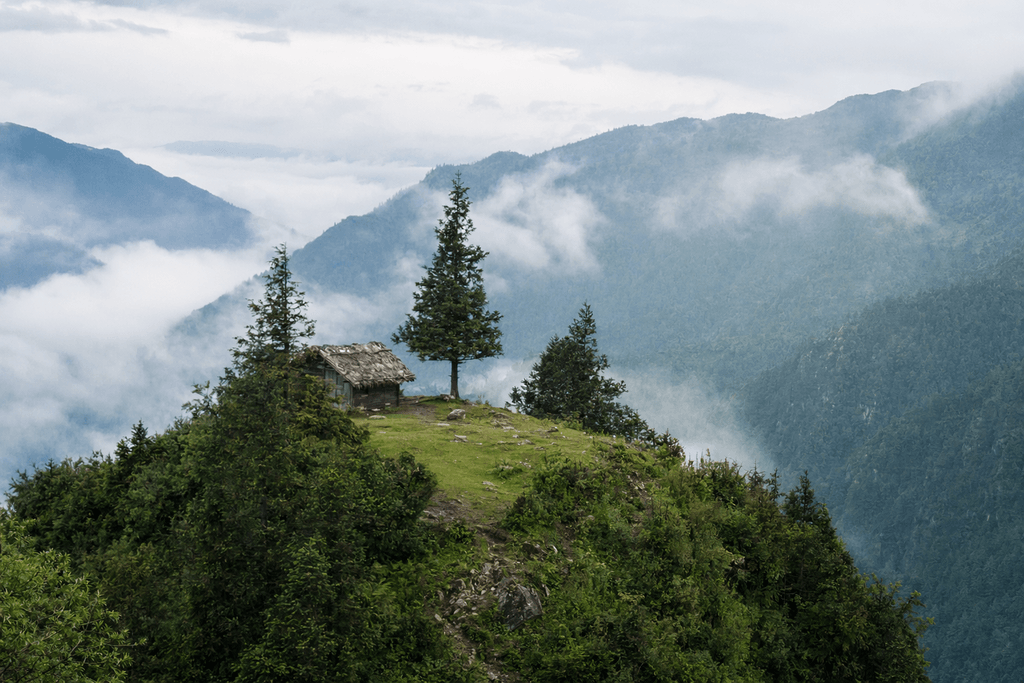
峰
කඳු මුදුන
峰
කඳු මුදුන
Explanation
峰
කඳු මුදුන
峰
කුඩා කඳු ප්රදේශය / කඳු මුදුන / උච්චස්ථානය / ශිඛරය / කඳු රිජ්
( romanization )
( romanization )
( hiragana historical )
( hiragana )
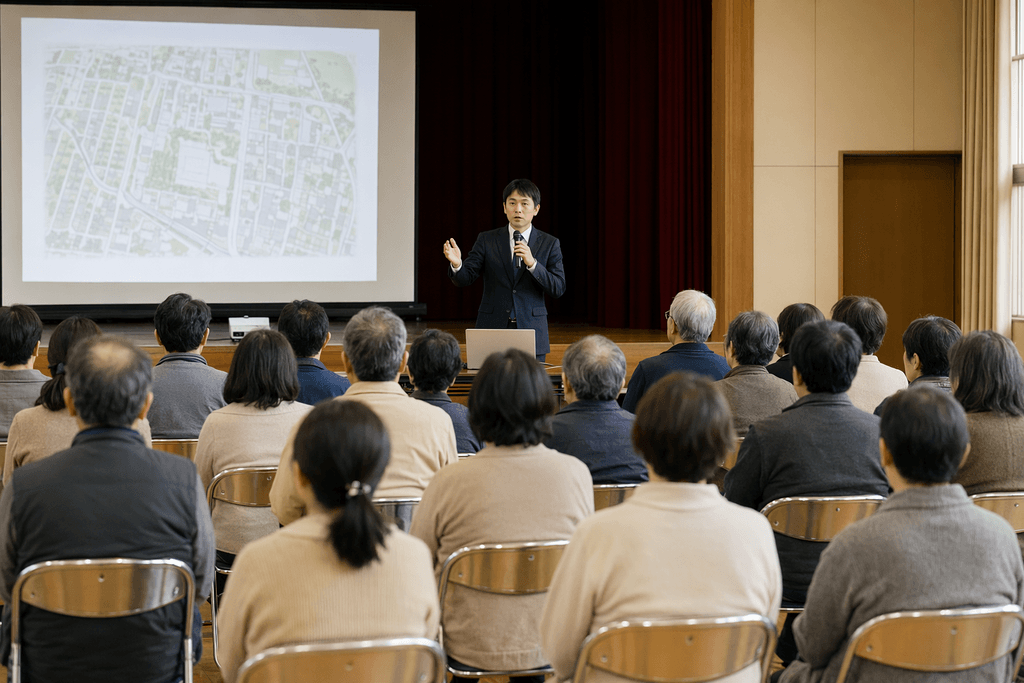
催す
උත්සවයක් පවත්වනවා / පෙලඹීමක් දැනෙනවා
催す
උත්සවයක් පවත්වනවා / පෙලඹීමක් දැනෙනවා
Explanation
催す
උත්සවයක් පවත්වනවා / පෙලඹීමක් දැනෙනවා
催す
(රැස්වීමක්/උත්සවයක්) සංවිධානය කර පවත්වනවා / (පාර්ටික්/සමාරම්භයක්) පවත්වනවා / හැඟීම් උද්දීපනය කරනවා; උද්බුද කරවනවා
Word Forms
The basic and commonly used forms of this verb.
Basic forms
| Form | Word form | Usage |
|---|---|---|
| Imperfective form (mizenkei) |
Alternative:
催そ
|
Connects to endings such as nai, reru, and seru. |
| Continuative form (renyokei) | Connects to endings such as masu, tai, and ta. | |
| Conclusive form (shushikei) | Ends a sentence and serves as the dictionary form. | |
| Attributive form (rentaikei) | Modifies a noun. | |
| Conditional form (kateikei) | Combines with ba to express a condition. | |
| Imperative form (meireikei) | Expresses a command or instruction. |
Common forms
| Form | Word form | Usage |
|---|---|---|
| Te-form | Connects clauses with te. | |
| Ta-form | Expresses the past with ta. | |
| Nai-form | Expresses negation with nai. | |
| Masu-form | Used for polite speech. | |
| Ba-form | Expresses a condition with ba. | |
| Volitional form | Expresses intention or invitation. |
Notes
Loading...

JLPT N1 多言語単語帳・3032語 / JLPT N1 Multilingual Vocabulary: 3032 Words

Jonathan Waller 氏の JLPT Resources の語彙リスト・レベル分類を出典とし、CC BY の条件に従って DiQt が学習者向けに意味を作り直した3032語の単語帳です。JLPT公式の語彙リストではありません。
This collection of 3032 words is based on the vocabulary list and level classifications in Jonathan Waller’s JLPT Resources under CC BY, with meanings rewritten by DiQt for learners. It is not an official JLPT vocabulary list.
Key Operations
Select the first quiz:
Ctrl + Enter
View Explanation:Ctrl + G
Close a feedback:Esc
When selecting a quiz
Answer:Enter
Select a choice:↓ or ↑
Reading out the question:Ctrl + K
View Hint: Ctrl + M
I don't know: Ctrl + Y



