
JLPT N1 වචන අර්ථ පුහුණුව - Unsolved

පිළිතුරු විකල්ප හතරක් ඇති ප්රශ්න මඟින් JLPT N1 වචන 3032ක අර්ථ සිංහලෙන් ඉගෙන ගන්න.
-
අවිශ්වාසවන්තකම
-
ගිනි වැළැක්වීම
-
පසුතැවීම
-
බාල නිර්මාණය
-
විශ්රාමය / විශ්රාමිකයා
-
සාක්ෂාත් කිරීම
-
කඩිසර
-
උපායශීලී
-
ප්රබෝධමත්
-
දැඩි / නිවැරදි
-
අතිශයෝක්තියෙන් යුතු
-
තුෂ්ණීම්භූත
-
ලබාගැනීම
-
නළය
-
ප්රතික්ෂේපය / නිෂේධ බලය
-
ගිල්වනවා
-
රෙදි වියනවා
-
බොහෝ සමාන වෙනවා
-
අශිෂ්ට
-
අලංකාර
-
හිස් වූ / හිස් බැල්මැති
- 「生真面目」はナ形容詞(形容動詞語幹)として活用する。
-
එම මොහොතේම
-
පැහැදිලිව
-
මන්ද කියා නොදැන
-
පීඩා කරනවා
-
අවසානය තෙක් කරනවා
-
ඉහළින් අගය කරනවා
-
පරාවර්තනය / ප්රතීක ක්රියාව
-
මුල් පාඨය
-
උද්දීපනය / ප්රබෝධය
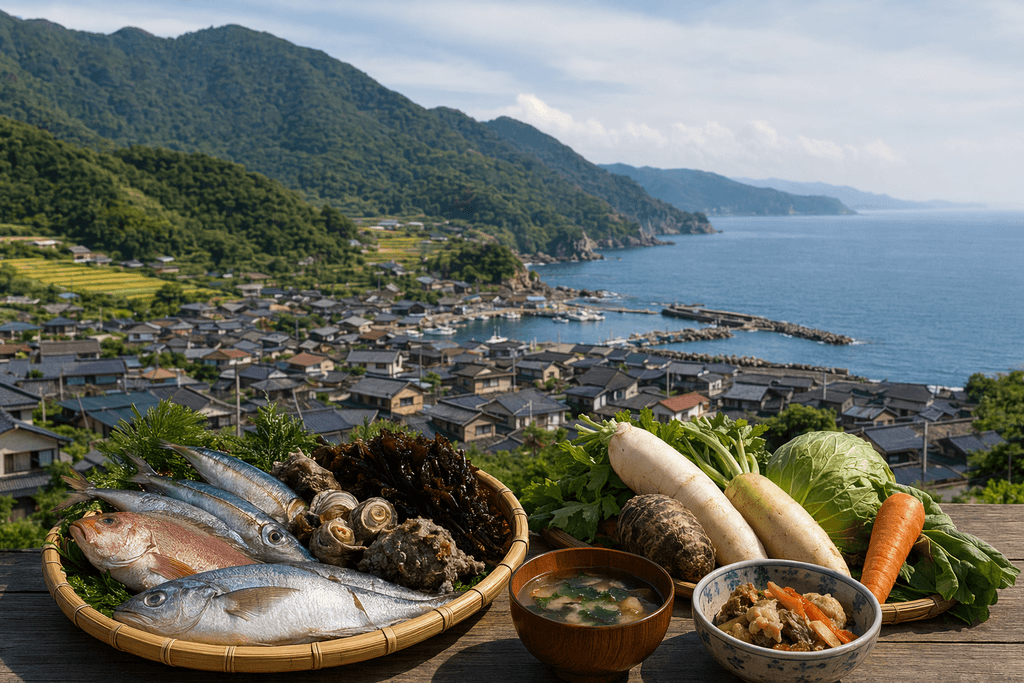
風土
දේශීය ස්වාභාවික පරිසරය
風土
දේශීය ස්වාභාවික පරිසරය
Explanation
風土
දේශීය ස්වාභාවික පරිසරය
風土
දේශගුණය හා ස්වභාවික භූලක්ෂණ / දේශීය පරිසරය/ජීවන රටාවට බලපාන සමාජ-මානසික වාතාවරණය / දේශයේ සංස්කෘතික පසුබිම
එම කලාපයේ සාහිත් යය අර්ථ නිරූපණය කිරීම සඳහා, කතුවරයාගේ පෞද්ගලික අදහස් පමණක් නොව, ප් රජාව දිගු කලක් තිස්සේ හැඩගස්වා ඇති දේශගුණය සහ ස්වාභාවික පරිසරය ද සලකා බැලිය යුතුය.
( Base form )
( romanization )
( hiragana )
スピード
වේගය
スピード
වේගය
Explanation
වේගය
スピード
වේගය / ස්පීඩෝ (කාන්තා/පිරිමි පිහිනුම් ඇඳුම)
වෙළඳපොලේ වෙනස්කම් වලට සමාගමක් ප් රතිචාර දක්වන වේගය මන්දගාමී වුවහොත්, එය සතුව ඇති තාක් ෂණය කෙතරම් කැපී පෙනෙන වුවත්, සමාගමට තරඟකාරී ක්ෂේත් රයෙන් ඉවත් වීමට බල කෙරෙනු ඇත.

( romanization )
気軽
සැහැල්ලු / පහසුවෙන් ඇසුරු කළ හැකි
気軽
සැහැල්ලු / පහසුවෙන් ඇසුරු කළ හැකි
Explanation
気軽
සැහැල්ලු / පහසුවෙන් ඇසුරු කළ හැකි
気軽
සැහැල්ලු සිතින් / සිත සැහැල්ලු / අවිධිමත්; කෑෂුවල් / විවේකයෙන්; නිදහස්ව

Word Forms
The basic and commonly used forms of this adjectival noun.
Basic forms
| Form | Word form | Usage |
|---|---|---|
| Imperfective form (mizenkei) | Used in forms such as darou. | |
| Continuative form (renyokei) |
Alternative:
気軽に
気軽だっ
|
Used with de or ni. |
| Conclusive form (shushikei) | Ends a sentence with da. | |
| Attributive form (rentaikei) | Modifies a noun with na. | |
| Conditional form (kateikei) | Expresses a condition with nara. | |
| Imperative form (meireikei) | Used in formal expressions such as de are. |
Common forms
煌びやか
දීප්තිමත් ලෙස අලංකාර
煌びやか
දීප්තිමත් ලෙස අලංකාර
Explanation
煌びやか
දීප්තිමත් ලෙස අලංකාර
煌びやか
දැවැන්ත ලෙස දිලිසෙන / අතිශය අලංකාර/ගැලමර් වූ / දැඩි ලෙස පෙනෙන්නට සැරසිලිව (ප්රදර්ශනාත්මක)

Word Forms
The basic and commonly used forms of this adjectival noun.
Basic forms
| Form | Word form | Usage |
|---|---|---|
| Imperfective form (mizenkei) | Used in forms such as darou. | |
| Continuative form (renyokei) |
Alternative:
煌びやかに
|
Used with de or ni. |
| Conclusive form (shushikei) | Ends a sentence with da. | |
| Attributive form (rentaikei) | Modifies a noun with na. | |
| Conditional form (kateikei) | Expresses a condition with nara. | |
| Imperative form (meireikei) | Used in formal expressions such as de are. |
Common forms
理性
විචාර බුද්ධිය
理性
විචාර බුද්ධිය
Explanation
理性
විචාර බුද්ධිය
理性
තාර්කිකත්වය / යුක්තිය/හේතුබුද්ධිය / තර්කය

( Base form )
( romanization )
( hiragana )
強める
ශක්තිමත් කරනවා
強める
ශක්තිමත් කරනවා
Explanation
強める
ශක්තිමත් කරනවා
強める
ශක්තිමත් කරනවා / වර්ධනය කරනවා / තද කරනවා
ආර්ථිකයේ වේගය අහිමි වීම වැළැක්වීම සඳහා මූල් ය වියදම්වලට අමතරව සිය මූල් යමය ලිහිල් කිරීමේ ස්ථාවරය ශක්තිමත් කිරීමේ ප් රතිපත්තියක් රජය ප් රකාශයට පත් කළේය.

Word Forms
The basic and commonly used forms of this verb.
Basic forms
| Form | Word form | Usage |
|---|---|---|
| Imperfective form (mizenkei) | Connects to endings such as nai, reru, and seru. | |
| Continuative form (renyokei) | Connects to endings such as masu, tai, and ta. | |
| Conclusive form (shushikei) | Ends a sentence and serves as the dictionary form. | |
| Attributive form (rentaikei) | Modifies a noun. | |
| Conditional form (kateikei) | Combines with ba to express a condition. | |
| Imperative form (meireikei) |
Alternative:
強めよ
|
Expresses a command or instruction. |
Common forms
生真面目
අධික ලෙස බැරෑරුම්
生真面目
අධික ලෙස බැරෑරුම්
Explanation
生真面目
අධික ලෙස බැරෑරුම්
生真面目
අතිශය ගැඹුරු (බරපතල) / අතිශය ගැඹුරු ලෙස නීතිගරුක / ඉතා කඩුලුකමෙන් කටයුතු කරන
ඔහුගේ ඕනෑවට වඩා බැරෑරුම් ස්වභාවය නීති රීතිවල අපැහැදිලි බව ඉවසීම ප් රතික්ෂේප කිරීමෙන් සංවිධානයේ විශ්වාසයට සහාය වූ අතර, එය සමහර විට හදිසි අවස්ථාවන්හිදී නම්යශීලී තීරණ ගැනීමට බාධාවක් විය.

Word Forms
The basic and commonly used forms of this adjectival noun.
Basic forms
| Form | Word form | Usage |
|---|---|---|
| Imperfective form (mizenkei) | Used in forms such as darou. | |
| Continuative form (renyokei) |
Alternative:
生真面目に
生真面目だっ
|
Used with de or ni. |
| Conclusive form (shushikei) | Ends a sentence with da. | |
| Attributive form (rentaikei) |
Alternative:
生真面目の
|
Modifies a noun with na. |
| Conditional form (kateikei) |
Alternative:
生真面目であれば
|
Expresses a condition with nara. |
| Imperative form (meireikei) | Used in formal expressions such as de are. |
Common forms
| Form | Word form | Usage |
|---|---|---|
| Te-form equivalent | Connects clauses using de. | |
| Ta-form |
Alternative:
生真面目でした
|
Expresses the past with datta. |
| Nai-form |
Alternative:
生真面目じゃない
|
Expresses negation with dewa nai or ja nai. |
| Desu-form | Used for polite speech. |
Notes
何時までも
සදහටම
何時までも
සදහටම
Explanation
何時までも
සදහටම
何時までも
සදාකල්ම / සෑම විටම / නිතරම/අනන්ත කාලයක් පුරා

( Base form )
( romanization )
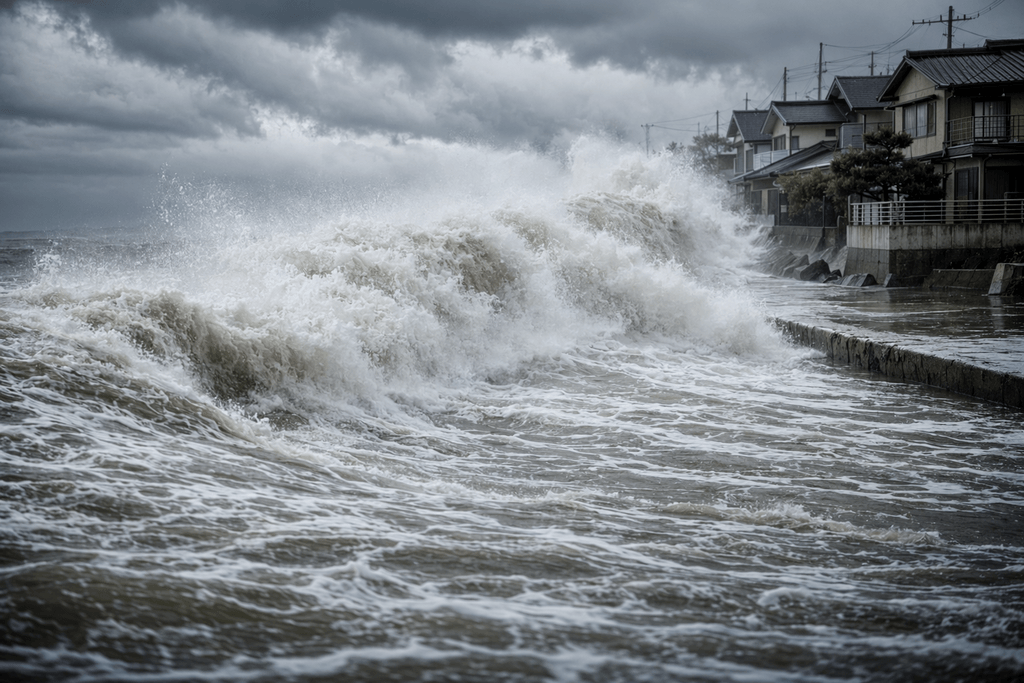
押し寄せる
ගලා එනවා
押し寄せる
ගලා එනවා
Explanation
押し寄せる
ගලා එනවා
押し寄せる
රැල්ලක් ලෙස ගලා/සැලී ඇතුල්වීම / ගංවතුරක් මෙන් පිරී ඇතුල්වීම / කණ්ඩායමක් ලෙස තදින් ඉදිරියට/එල්ලවී පැමිණීම
Word Forms
The basic and commonly used forms of this verb.
Basic forms
| Form | Word form | Usage |
|---|---|---|
| Imperfective form (mizenkei) | Connects to endings such as nai, reru, and seru. | |
| Continuative form (renyokei) | Connects to endings such as masu, tai, and ta. | |
| Conclusive form (shushikei) | Ends a sentence and serves as the dictionary form. | |
| Attributive form (rentaikei) | Modifies a noun. | |
| Conditional form (kateikei) | Combines with ba to express a condition. | |
| Imperative form (meireikei) |
Alternative:
押し寄せよ
|
Expresses a command or instruction. |
Common forms
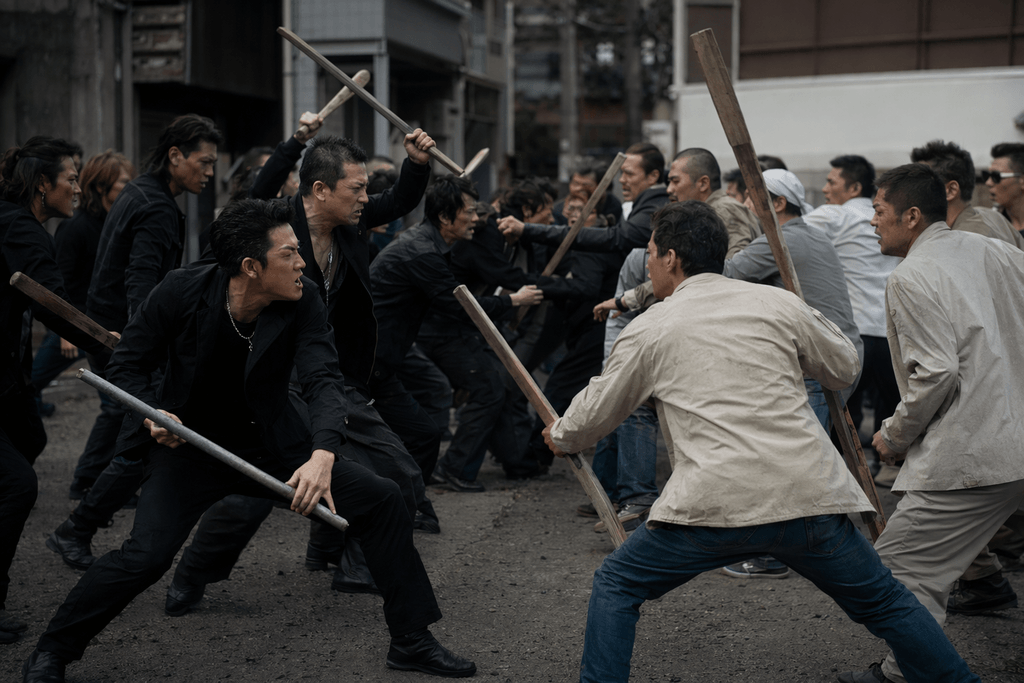
抗争
ගැටුම
抗争
ගැටුම
Explanation
抗争
ගැටුම
抗争
ප්රතිරෝධ සටන / ගැටුම / විරෝධතාව/අරගලය
( Base form )
( romanization )
( hiragana )
Loading...

JLPT N1 多言語単語帳・3032語 / JLPT N1 Multilingual Vocabulary: 3032 Words

Jonathan Waller 氏の JLPT Resources の語彙リスト・レベル分類を出典とし、CC BY の条件に従って DiQt が学習者向けに意味を作り直した3032語の単語帳です。JLPT公式の語彙リストではありません。
This collection of 3032 words is based on the vocabulary list and level classifications in Jonathan Waller’s JLPT Resources under CC BY, with meanings rewritten by DiQt for learners. It is not an official JLPT vocabulary list.
Key Operations
Select the first quiz:
Ctrl + Enter
View Explanation:Ctrl + G
Close a feedback:Esc
When selecting a quiz
Answer:Enter
Select a choice:↓ or ↑
Reading out the question:Ctrl + K
View Hint: Ctrl + M
I don't know: Ctrl + Y



