
JLPT N1 වචන අර්ථ පුහුණුව - Unsolved

පිළිතුරු විකල්ප හතරක් ඇති ප්රශ්න මඟින් JLPT N1 වචන 3032ක අර්ථ සිංහලෙන් ඉගෙන ගන්න.
-
කාලපරිච්ඡේදය
-
කඩදාසි ප්රමාණය
-
වෙත යොමු කළ
-
ප්රසිද්ධ ස්ථාවරය
-
සම්බන්ධනය
-
ප්රතිඵලය
-
විකිණීමට ඉදිරිපත් කරනවා / ප්රසිද්ධ කරවනවා
-
ලෙවකනවා / අවතක්සේරු කරනවා
-
මිශ්ර කරනවා
-
පිටතට විසි කරනවා / අත්හැර දමනවා
-
පෝෂණය කරනවා / වර්ධනය කරනවා
-
හානි කරනවා / කරන්න බැරි වෙනවා
- 「悩ませる」は関連する下一段動詞であり、本項では五段サ行動詞「悩ます」として活用を示す。
-
ප්රජාතන්ත්රවාදය
-
ජෑස් සංගීතය
-
ගරු මහත්මයාණෙනි
-
සුළු කාරණය
-
ඒකාබද්ධ කිරීම
-
සවස හිරුඑළිය
-
කෙළවර / අංශය
-
විරෝධය
-
සාමාන්ය කාර්යාල කටයුතු
-
පිහිටුවීම
-
ප්රදර්ශනය
-
විසරණය
-
අනාරක්ෂිත බව දැනෙන / හුදකලා
-
අගනා / උතුම්
-
අපේක්ෂාවට වඩා පහසු
-
කලවය
-
ගැටීම / කම්පනය
-
නිරූපණය
社
සමාගම
社
සමාගම
Explanation
社
සමාගම
社
(ප්රත්යය) සමාගම (会社 සඳහා කෙටි) / (ඉතිහාසය; ජපාන පාලන කාලයේ තායිවානයේ) ආදිවාසී ගම්වාසය/පදිංචි ස්ථානය
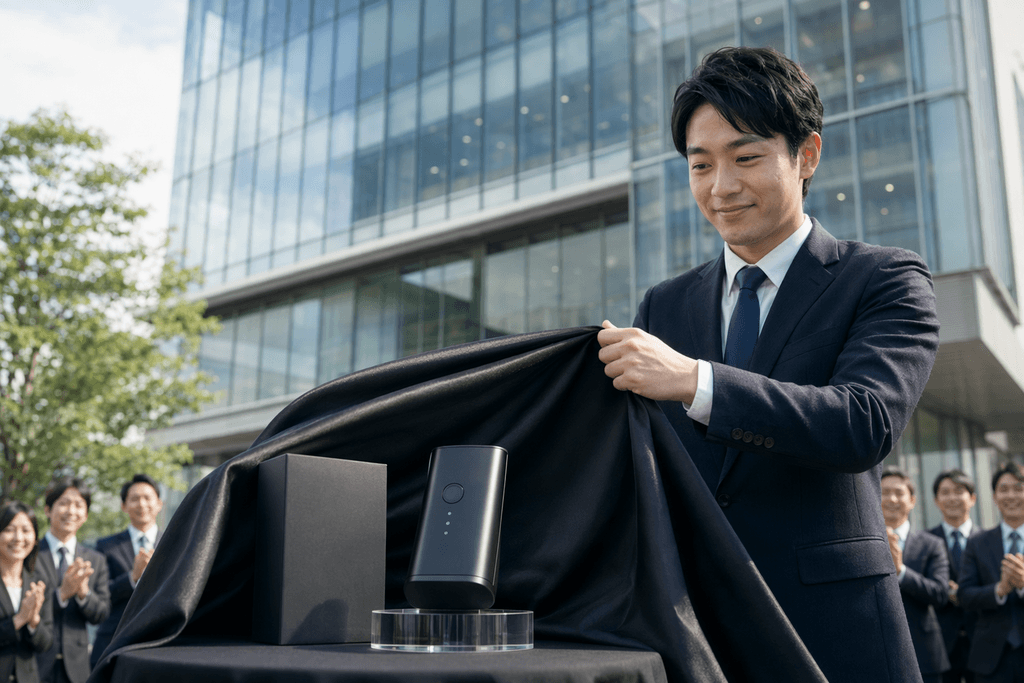
ප් රධාන ඉලෙක්ට් රොනික උපකරණ නිෂ්පාදක සමාගමක් වන A සිය සැපයුම් දාමයේ දුර්වලතා හෙළිදරව් වීමෙන් පසු එහි සැපයුම්කරුවන් විවිධාංගීකරණය කිරීමට තීරණය කළේය.
( romanization )
( hiragana )
伝言
වාචික පණිවිඩය
伝言
වාචික පණිවිඩය
Explanation
伝言
වාචික පණිවිඩය
伝言
පණිවිඩය / කෙනෙකුට පවසන්නට තැබූ පණිවිඩය / අන් අයෙකුට දැනුම්දීම

( Base form )
( romanization )
( kyūjitai )
( hiragana )
老いる
මහලු වෙනවා
老いる
මහලු වෙනවා
Explanation
老いる
මහලු වෙනවා
老いる
වයසට යෑම / මහළු වීම / වයසින් පරණ වීම
Word Forms
The basic and commonly used forms of this verb.
Basic forms
| Form | Word form | Usage |
|---|---|---|
| Imperfective form (mizenkei) | Connects to endings such as nai, reru, and seru. | |
| Continuative form (renyokei) | Connects to endings such as masu, tai, and ta. | |
| Conclusive form (shushikei) | Ends a sentence and serves as the dictionary form. | |
| Attributive form (rentaikei) | Modifies a noun. | |
| Conditional form (kateikei) | Combines with ba to express a condition. | |
| Imperative form (meireikei) |
Alternative:
老いよ
|
Expresses a command or instruction. |
Common forms
悩ます
පීඩා කරනවා
悩ます
පීඩා කරනවා
Explanation
悩ます
පීඩා කරනවා
悩ます
කළබලයට පත් කරවයි / පීඩා කරවයි / කරදර කරවයි

Word Forms
The basic and commonly used forms of this verb.
Basic forms
| Form | Word form | Usage |
|---|---|---|
| Imperfective form (mizenkei) |
Alternative:
悩まそ
|
Connects to endings such as nai, reru, and seru. |
| Continuative form (renyokei) | Connects to endings such as masu, tai, and ta. | |
| Conclusive form (shushikei) | Ends a sentence and serves as the dictionary form. | |
| Attributive form (rentaikei) | Modifies a noun. | |
| Conditional form (kateikei) | Combines with ba to express a condition. | |
| Imperative form (meireikei) | Expresses a command or instruction. |
Common forms
| Form | Word form | Usage |
|---|---|---|
| Te-form | Connects clauses with te. | |
| Ta-form | Expresses the past with ta. | |
| Nai-form | Expresses negation with nai. | |
| Masu-form | Used for polite speech. | |
| Ba-form | Expresses a condition with ba. | |
| Volitional form | Expresses intention or invitation. |
Notes
教習
කුසලතා පුහුණුව
教習
කුසලතා පුහුණුව
Explanation
教習
කුසලතා පුහුණුව
教習
පුහුණු කිරීම / උපදෙස් දීම / ප්රායෝගික පුහුණුව (වාහන ධාවන ඇතුළු)

平方
වර්ග මිනුම
平方
වර්ග මිනුම
Explanation
平方
වර්ග මිනුම
平方
වර්ගය (දෙවන බලය) / වර්ග ප්රදේශය
( Base form )
( romanization )
( romanization )
( hiragana historical )
( hiragana )
凶作
දුර්වල අස්වැන්න
凶作
දුර්වල අස්වැන්න
Explanation
凶作
දුර්වල අස්වැන්න
凶作
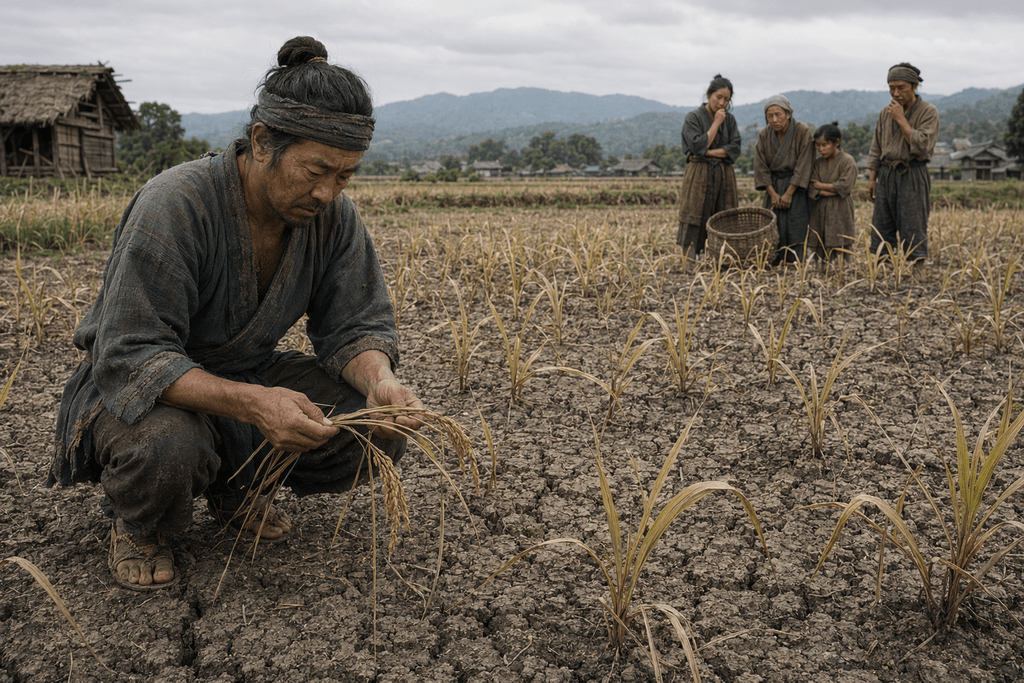
අස්වැන්න අඩුවීම / දුර්වල අස්වැන්න / අස්වැන්න විනාශය
අඛණ්ඩ වසර ගණනාවක් තිස්සේ අස්වැන්න අසාර්ථක වීමෙන්, ගම තමන්ගේ ගබඩා කළ ආහාර සියල්ලම ඉවර කර දමා, තරුණයන් බොහෝ දෙනෙකුට උපයාගැනීම සඳහා පිටතට ගොස් වැඩ කිරීමට නොහැරම සිදු විය.
( Base form )
( romanization )
( hiragana )
妥結
එකඟතාවකට එළඹීම
妥結
එකඟතාවකට එළඹීම
Explanation
妥結
එකඟතාවකට එළඹීම
妥結
සම්මුතියකට පැමිණීම / විසඳුමකට එකඟවීම / ගිවිසුම්ගත විසඳුම

( Base form )
( romanization )
( hiragana )
平たい
පැතලි / සරල
平たい
පැතලි / සරල
Explanation
平たい
පැතලි / සරල
平たい
පැතලි / සමාන/මට්ටම් / (කථාව) සරල, පැහැදිලි

Word Forms
The basic and commonly used forms of this adjective.
Basic forms
| Form | Word form | Usage |
|---|---|---|
| Imperfective form (mizenkei) | Used in forms such as karou; mainly literary. | |
| Continuative form (renyokei) |
Alternative:
平たかっ
|
Used in forms such as kute and kunai. |
| Conclusive form (shushikei) | Ends a sentence. | |
| Attributive form (rentaikei) | Modifies a noun. | |
| Conditional form (kateikei) | Expresses a condition with kereba. | |
| Imperative form (meireikei) | Rarely used in modern Japanese. |
Common forms
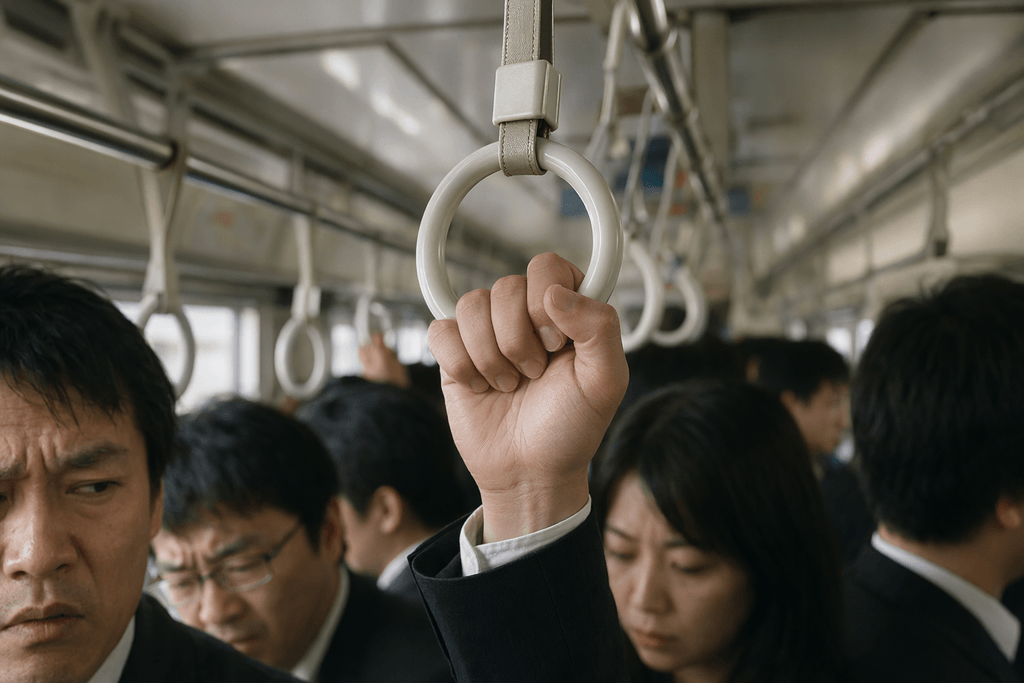
吊り革
දුම්රියේ අත් පටිය
吊り革
දුම්රියේ අත් පටිය
Explanation
吊り革
දුම්රියේ අත් පටිය
吊り革
(බස්/දුම්රිය තුළ) අල්ලාගෙන සිටීමට ඇති වළල්ල / අත් අල්ලාගෙන සිටින වළල්ල (හෑන්ඩ්ස්ට්රැප්)
( Base form )
( romanization )
( romanization )
( hiragana historical )
( hiragana )
Loading...

JLPT N1 多言語単語帳・3032語 / JLPT N1 Multilingual Vocabulary: 3032 Words

Jonathan Waller 氏の JLPT Resources の語彙リスト・レベル分類を出典とし、CC BY の条件に従って DiQt が学習者向けに意味を作り直した3032語の単語帳です。JLPT公式の語彙リストではありません。
This collection of 3032 words is based on the vocabulary list and level classifications in Jonathan Waller’s JLPT Resources under CC BY, with meanings rewritten by DiQt for learners. It is not an official JLPT vocabulary list.
Key Operations
Select the first quiz:
Ctrl + Enter
View Explanation:Ctrl + G
Close a feedback:Esc
When selecting a quiz
Answer:Enter
Select a choice:↓ or ↑
Reading out the question:Ctrl + K
View Hint: Ctrl + M
I don't know: Ctrl + Y



