
JLPT N1 වචන අර්ථ පුහුණුව - Unsolved

පිළිතුරු විකල්ප හතරක් ඇති ප්රශ්න මඟින් JLPT N1 වචන 3032ක අර්ථ සිංහලෙන් ඉගෙන ගන්න.
-
ඉතා දිගු
-
ජීවතුන් අතර සුවෙන්
-
අවංක
-
ඇති දැඩි කිරීම / පුහුණු කිරීම
-
යටත් කරගැනීම
-
සහායකයා
-
ගෙවා නිම වෙනවා / තැන්පත් වෙනවා
-
මැලවෙනවා
-
බලවත් වෙනවා
-
පදිංචිය
-
මිශ්ර වංශ සම්භවය
-
ගුවන් තැපෑල
-
මඟහරිනවා
-
පිරිනමනවා / යොදනවා
-
කොක්කෙන් අල්ලනවා / උගුලට හසුකරනවා
- 「寝る(ねる)」は下一段活用だが、「練る(ねる)」は五段ラ行活用。
-
ඉක්මන් කෝපය
-
නින්දේ ගොරවීම
-
ඇඳුම් වාටිය / කඳු පාමුල
-
ලිවීමේ කඩදාසි
-
හුස්ම හිරවීම
-
නොසිටීම
-
උත්සවය පැවැත්වීම
-
තාප ප්රමාණය
-
පාරිශ්රමිකය
-
නිරත වෙනවා
-
හරස් වෙනවා / ඇසුරු කරනවා
-
පාඩමක් ඉගෙන ගන්නවා
-
ද්රාවණය
-
මුත්රා
-
සෙල්ලම් බඩුව
痛切
දැඩිව දැනෙන
痛切
දැඩිව දැනෙන
Explanation
痛切
දැඩිව දැනෙන
痛切
අතිශය තදින් දැනෙන / හදවතට කණගාටුවෙන් තදින් වැදෙන / වේදනාකාරී හා ගැඹුරු
භූමිකම්පාවෙන් පසු ප් රාදේශීය ප් රජාව ගැන වාර්තා කරන අතරතුර, රජයේ ප් රමාද වූ මූලික ප් රතිචාරය නිවැසියන්ට ගෙන ආ අලාභය පිළිබඳ වේදනාකාරී හැඟීම ගැන ඔහු වචනයෙන් ඔබ්බට වේදනාකාරී ලෙස දැන සිටියේය.

Word Forms
The basic and commonly used forms of this adjectival noun.
Basic forms
| Form | Word form | Usage |
|---|---|---|
| Imperfective form (mizenkei) | Used in forms such as darou. | |
| Continuative form (renyokei) |
Alternative:
痛切に
痛切だっ
|
Used with de or ni. |
| Conclusive form (shushikei) | Ends a sentence with da. | |
| Attributive form (rentaikei) |
Alternative:
痛切なる
|
Modifies a noun with na. |
| Conditional form (kateikei) | Expresses a condition with nara. | |
| Imperative form (meireikei) | Used in formal expressions such as de are. |
Common forms
主観
ආත්මීයතාව
主観
ආත්මීයතාව
Explanation
主観
ආත්මීයතාව
主観
පුද්ගලික දෘෂ්ටිකෝණය / විෂයමයභාවය / 主観ය (අන්යෝන්යයට පටහැනි පුද්ගල අදහස)

( Base form )
( romanization )
( romanization )
( kyūjitai )
( hiragana historical )
( hiragana )
踏まえる
පදනම් කරගන්නවා
踏まえる
පදනම් කරගන්නවා
Explanation
踏まえる
පදනම් කරගන්නවා
踏まえる
(තොරතුරු/සත්ය කරුණු) මත පදනම් කරගැනීම / (එය) සැලකිල්ලට ගනිමින් ක්රියා කිරීම / දැඩිව පාගා ස්ථිරව නගින්න/සිටිනවා

Word Forms
The basic and commonly used forms of this verb.
Basic forms
| Form | Word form | Usage |
|---|---|---|
| Imperfective form (mizenkei) | Connects to endings such as nai, reru, and seru. | |
| Continuative form (renyokei) | Connects to endings such as masu, tai, and ta. | |
| Conclusive form (shushikei) | Ends a sentence and serves as the dictionary form. | |
| Attributive form (rentaikei) | Modifies a noun. | |
| Conditional form (kateikei) | Combines with ba to express a condition. | |
| Imperative form (meireikei) |
Alternative:
踏まえよ
|
Expresses a command or instruction. |
Common forms
旦那
ස්වාමිපුරුෂයා / හාම්පුතා
旦那
ස්වාමිපුරුෂයා / හාම්පුතා
Explanation
旦那
ස්වාමිපුරුෂයා / හාම්පුතා
旦那
ස්වාමිපුරුෂයා / ස්වාමියා/යජමානයා / පෝෂකයා හෝ ප්රධානියා (බොස්/උපකාරක ගනුදෙනුකරු)

( Base form )
( romanization )
( hiragana )
練る
අනනවා / සැලැස්ම වැඩිදියුණු කරනවා
練る
අනනවා / සැලැස්ම වැඩිදියුණු කරනවා
Explanation
練る
අනනවා / සැලැස්ම වැඩිදියුණු කරනවා
練る
පිසිමින්/අතගාමින් පේස්ට්යක් හෝ ගුලියක් බවට සැකසීම / යමක් (සංකල්පයක්/සැලසුමක්) විස්තරයෙන් සකස් කර වැඩිදියුණු කිරීම / පිරිසිදු කර මෘදු/දැල්වුණු ලෙස කරගැන්වීම

Word Forms
The basic and commonly used forms of this verb.
Basic forms
| Form | Word form | Usage |
|---|---|---|
| Imperfective form (mizenkei) |
Alternative:
練ろ
|
Connects to endings such as nai, reru, and seru. |
| Continuative form (renyokei) |
Alternative:
練っ
|
Connects to endings such as masu, tai, and ta. |
| Conclusive form (shushikei) | Ends a sentence and serves as the dictionary form. | |
| Attributive form (rentaikei) | Modifies a noun. | |
| Conditional form (kateikei) | Combines with ba to express a condition. | |
| Imperative form (meireikei) | Expresses a command or instruction. |
Common forms
| Form | Word form | Usage |
|---|---|---|
| Te-form | Connects clauses with te. | |
| Ta-form | Expresses the past with ta. | |
| Nai-form | Expresses negation with nai. | |
| Masu-form | Used for polite speech. | |
| Ba-form | Expresses a condition with ba. | |
| Volitional form | Expresses intention or invitation. |
Notes
根本
මූලික පදනම
根本
මූලික පදනම
Explanation
根本
මූලික පදනම
根本
පදනම / මූලික පදනම / මුල

( Base form )
( romanization )
( hiragana )
品質
ගුණාත්මකභාවය
品質
ගුණාත්මකභාවය
Explanation
品質
ගුණාත්මකභාවය
品質
ගුණාත්මකභාවය / තත්ත්වය / ගුණය

( Base form )
( romanization )
( hiragana )
キャッチ
පන්දුව අල්ලාගැනීම
キャッチ
පන්දුව අල්ලාගැනීම
Explanation
පන්දුව අල්ලාගැනීම
キャッチ
අල්ලාගැනීම / අල්ලාගත් දේ / අවස්ථාව අල්ලාගැනීම
රැස්වීමේ රේඛා අතර සැඟවී ඇති ගැටුම් ඔබට නිවැරදිව අල්ලා ගත නොහැකි නම්, වඩාත්ම සූක්ෂම යෝජනාව පවා අත් පුටු න් යායකට වඩා වැඩි දෙයක් ලෙස අවසන් වනු ඇත.

( romanization )
説く
පැහැදිලි කරනවා / වෙනුවෙන් පෙනී සිටිනවා
説く
පැහැදිලි කරනවා / වෙනුවෙන් පෙනී සිටිනවා
Explanation
説く
පැහැදිලි කරනවා / වෙනුවෙන් පෙනී සිටිනවා
説く
පැහැදිලි කර කියාදෙනවා / දේශනා කරනවා / විශ්වාස කරවීමට වචන වලින් බලපෑම් කරනවා

Word Forms
The basic and commonly used forms of this verb.
Basic forms
| Form | Word form | Usage |
|---|---|---|
| Imperfective form (mizenkei) |
Alternative:
説こ
|
Connects to endings such as nai, reru, and seru. |
| Continuative form (renyokei) | Connects to endings such as masu, tai, and ta. | |
| Conclusive form (shushikei) | Ends a sentence and serves as the dictionary form. | |
| Attributive form (rentaikei) | Modifies a noun. | |
| Conditional form (kateikei) | Combines with ba to express a condition. | |
| Imperative form (meireikei) | Expresses a command or instruction. |
Common forms
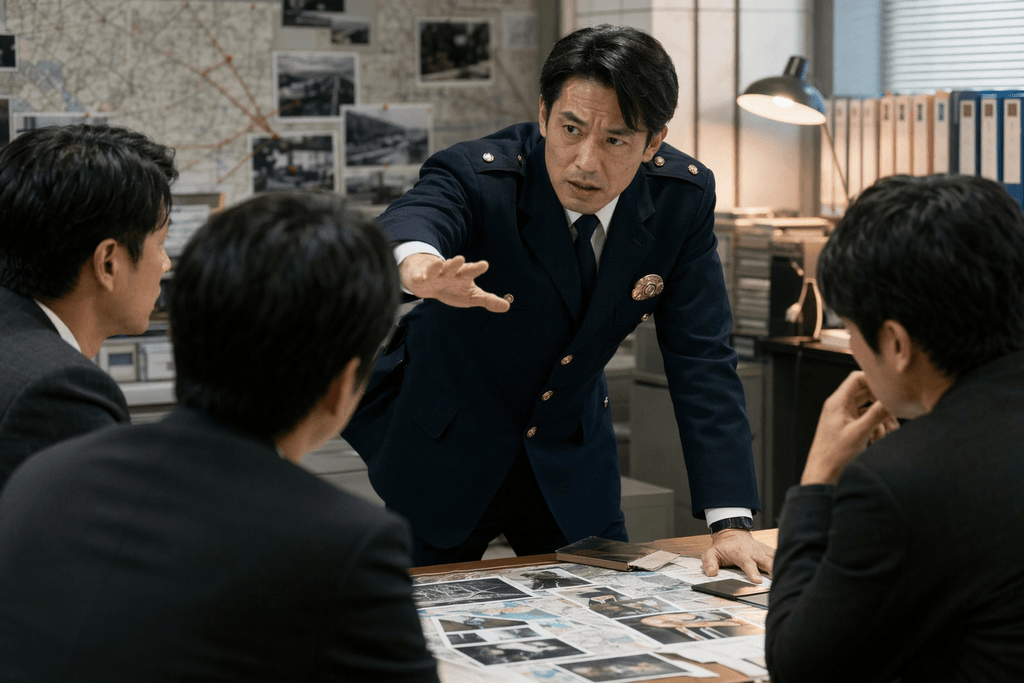
警部
පොලිස් පරීක්ෂක
警部
පොලිස් පරීක්ෂක
Explanation
警部
පොලිස් පරීක්ෂක
警部
පොලිස් පරීක්ෂක / පොලිස් ඉන්ස්පෙක්ටර්
සාක්ෂි එකතු වන තුරු කිසිම පියවරක් නොගන්නැයි පොලිස් ඉන්ස්පෙක්ටර්වරයා තම අධීන නිලධාරීන්ට දැඩි ලෙස නියෝග කර, තමන්ම ද විමර්ශනයට ඉඟියක් සොයමින් දිගටම කටයුතු කළේය.
( Base form )
( romanization )
( hiragana )
Loading...

JLPT N1 多言語単語帳・3032語 / JLPT N1 Multilingual Vocabulary: 3032 Words

Jonathan Waller 氏の JLPT Resources の語彙リスト・レベル分類を出典とし、CC BY の条件に従って DiQt が学習者向けに意味を作り直した3032語の単語帳です。JLPT公式の語彙リストではありません。
This collection of 3032 words is based on the vocabulary list and level classifications in Jonathan Waller’s JLPT Resources under CC BY, with meanings rewritten by DiQt for learners. It is not an official JLPT vocabulary list.
Key Operations
Select the first quiz:
Ctrl + Enter
View Explanation:Ctrl + G
Close a feedback:Esc
When selecting a quiz
Answer:Enter
Select a choice:↓ or ↑
Reading out the question:Ctrl + K
View Hint: Ctrl + M
I don't know: Ctrl + Y



