
JLPT N1 වචන අර්ථ පුහුණුව - Sem resposta

පිළිතුරු විකල්ප හතරක් ඇති ප්රශ්න මඟින් JLPT N1 වචන 3032ක අර්ථ සිංහලෙන් ඉගෙන ගන්න.
-
පලායාම
-
සැබෑ නම
-
දැක්ම / පෙනුම
-
නීත්යනුකූල / සාධාරණීකරණය කළ හැකි
-
ලස්සන / පිරිසිදු
-
සියුම්ව නිම කළ
- 「早急」はナ形容詞的に用いられる形容動詞語幹。
- 読みは一般に「さっきゅう」。慣用的に「そうきゅう」とも読まれることがある。
-
සිවිල් ඉංජිනේරු විද්යාව
-
අලාභය පියවීම
-
කොටස් බෙදාදීම
-
ටෙලෙක්ස්
-
වැරදි වැටහීම / හමු නොවීම
-
ගැහැනු සතා
-
බාල නිර්මාණය
-
කළමනාකරණය
-
කුසපත් ඇදීම
-
අන්තය
-
විකිරණය
-
අධික වෙහෙස
-
දැඩි ලෙස ප්රශ්න කිරීම
-
ආකල්පය / අභිප්රාය
-
උසස්වීම
-
දුරස්ව පිහිටනවා
-
දරනවා / ණයගැති වෙනවා
-
අපරාධයක් කරනවා / දූෂණය කරනවා
-
පහසුවෙන් / සැහැල්ලු රසැති
-
බලහත්කාරයෙන්
-
ඉබේම
-
සාක්ෂාත් කිරීම
-
ලියාපදිංචිය
-
වයස / යෞවන විය
人材
දක්ෂ පුද්ගලයා
人材
දක්ෂ පුද්ගලයා
Explicação
人材
දක්ෂ පුද්ගලයා
人材
දක්ෂ පුද්ගලයා / මානව සම්පත් / කම්කරු බලය

( Forma básica )
( romanization )
( hiragana )
早急
හදිසි
早急
හදිසි
Explicação
早急
හදිසි
早急
වහාම කළ යුතු / ඉක්මන්/තදින් කළ යුතු / හදිසි

Formas da palavra
Estas são as formas básicas e frequentes deste adjetivo な.
Formas básicas
| Forma | Forma da palavra | Uso |
|---|---|---|
| Forma irrealis (みぜんけい) |
Outra expressão:
早急でしょ
|
É usada em formas como “だろう”. |
| Forma continuativa (れんようけい) |
Outra expressão:
早急に
早急だっ
|
É usada com “で” e “に”. |
| Forma conclusiva (しゅうしけい) | Termina uma frase com “だ”. | |
| Forma atributiva (れんたいけい) | Modifica um substantivo com “な”. | |
| Forma condicional (かていけい) |
Outra expressão:
早急であれば
|
Expressa uma condição com “なら”. |
| Forma imperativa (めいれいけい) | É usada em expressões formais, como “であれ”. |
Formas frequentes
| Forma | Forma da palavra | Uso |
|---|---|---|
| Equivalente à forma て | Liga orações com “で”. | |
| Forma た |
Outra expressão:
早急でした
|
Expressa o passado com “だった”. |
| Forma ない |
Outra expressão:
早急じゃない
|
Expressa negação com “ではない” ou “じゃない”. |
| Forma です | É usada na linguagem polida. |
Notas
驚異
විස්මයජනක දෙය
驚異
විස්මයජනක දෙය
Explicação
驚異
විස්මයජනක දෙය
驚異
විස්මය / අද්භූත දේ / අසමාන්ය විශ්මයජනක සිද්ධිය

( Forma básica )
( romanization )
( hiragana )
現行
දැනට ක්රියාත්මක
現行
දැනට ක්රියාත්මක
Explicação
現行
දැනට ක්රියාත්මක
現行
වත්මන් / දැනට ක්රියාත්මක / පවතින

( Forma básica )
( romanization )
( hiragana )
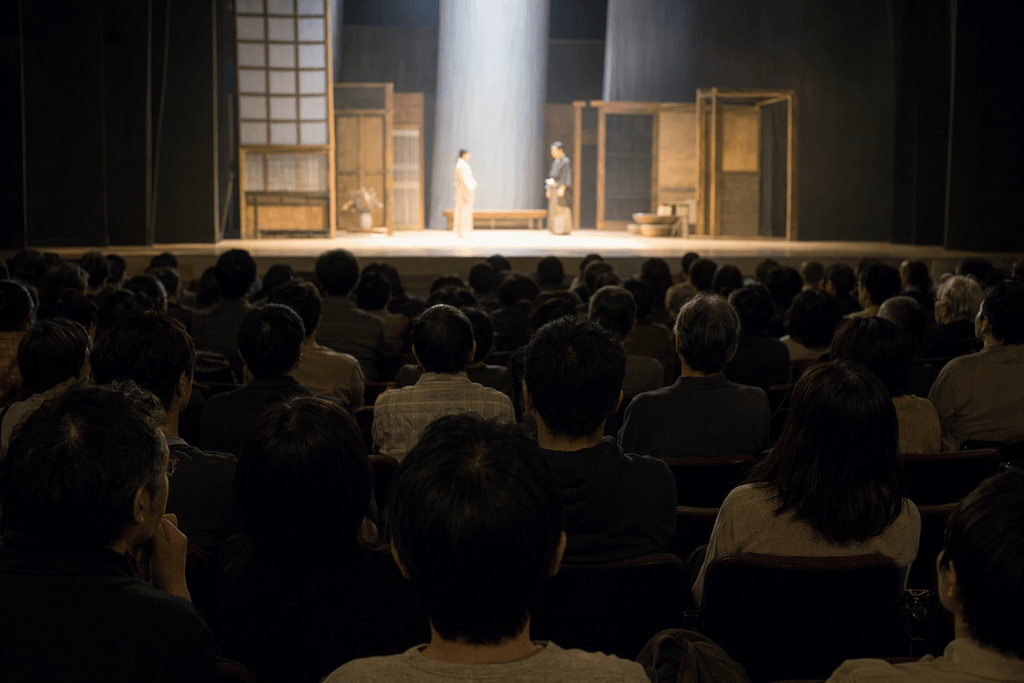
観衆
ප්රේක්ෂකයන්
観衆
ප්රේක්ෂකයන්
Explicação
観衆
ප්රේක්ෂකයන්
観衆
ප්රේක්ෂකයින් / දර්ශකයන් / ජනකාය
( Forma básica )
( romanization )
( romanization )
( hiragana historical )
( hiragana )
相場
වෙළඳපොළ මිල
相場
වෙළඳපොළ මිල
Explicação
相場
වෙළඳපොළ මිල
相場
වෙළඳපොළ මිල / වෙළඳපොළ අනුපාතය / මූල්ය අනුමාන වෙළඳාම

( Forma básica )
( romanization )
( romanization )
( hiragana historical )
( hiragana )
不服
අතෘප්තිය / විරෝධතාව
不服
අතෘප්තිය / විරෝධතාව
Explicação
不服
අතෘප්තිය / විරෝධතාව
不服
අසතුට / අකමැත්ත / විරෝධය

( Forma básica )
( romanization )
( hiragana )
痺れる
හිරිවැටෙනවා
痺れる
හිරිවැටෙනවා
Explicação
痺れる
හිරිවැටෙනවා
痺れる
(ශරීර කොටසක්) හැඩිවීම/නින්දට යාම (සංවේදනය අහිමිවීම) / විදුලි පහරක් ලැබී සෙලවීම / ඉතාමත් ආකර්ෂණය වී/මත්මත් වී යාම

Formas da palavra
Estas são as formas básicas e frequentes deste verbo.
Formas básicas
| Forma | Forma da palavra | Uso |
|---|---|---|
| Forma irrealis (みぜんけい) | É a forma que se liga a “ない”, “れる”, “せる” e outras terminações. | |
| Forma continuativa (れんようけい) | É a forma que se liga a “ます”, “たい”, “た” e outras terminações. | |
| Forma conclusiva (しゅうしけい) | É a forma do dicionário (じしょけい), usada para terminar uma frase. | |
| Forma atributiva (れんたいけい) | Modifica um substantivo. | |
| Forma condicional (かていけい) | Expressa uma condição ao receber “ば”. | |
| Forma imperativa (めいれいけい) |
Outra expressão:
痺れよ
|
Expressa uma ordem ou instrução. |
Formas frequentes
| Forma | Forma da palavra | Uso |
|---|---|---|
| Forma て | É usada para ligar orações com “て”. | |
| Forma た | Expressa o passado com “た”. | |
| Forma ない | Expressa negação com “ない”. | |
| Forma ます | É usada na linguagem polida. | |
| Forma ば | Expressa uma condição com “ば”. | |
| Forma volitiva (いしけい) | Expressa intenção ou convite com “よう”. |
突如
හදිසියේ
突如
හදිසියේ
Explicação
突如
හදිසියේ
突如
හදිසියේම / අචානකව / එකපාරටම

( Forma básica )
( romanization )
( adnominal )
( adverbial )
( hiragana )
( table-tags )
( inflection-template )
( imperfective stem )
( imperfective stem )
( imperfective )
( continuative stem )
( continuative stem )
( continuative )
( stem terminative )
( stem terminative )
( terminative )
( attributive stem )
( attributive stem )
( attributive )
( hypothetical stem )
( hypothetical stem )
( hypothetical )
( Imperativo stem )
( Imperativo stem )
( Imperativo )
( informal negative )
( informal negative )
( informal negative )
( informal negative )
( informal negative )
( informal negative )
( informal Passado )
( informal Passado )
( informal Passado )
( informal negative Passado )
( informal negative Passado )
( informal negative Passado )
( informal negative Passado )
( informal negative Passado )
( informal negative Passado )
( formal )
( formal )
( formal )
( formal negative )
( formal negative )
( formal negative )
( formal negative )
( formal negative )
( formal negative )
( formal Passado )
( formal Passado )
( formal Passado )
( formal negative Passado )
( formal negative Passado )
( formal negative Passado )
( formal negative Passado )
( formal negative Passado )
( formal negative Passado )
( conjunctive )
( conjunctive )
( conjunctive )
( Condicional )
( Condicional )
( Condicional )
( Condicional Passado )
( Condicional Passado )
( Condicional Passado )
( volitional )
( volitional )
( volitional )
( adverbial )
( adverbial )
( adverbial )
( noun-from-adj )
( noun-from-adj )
( noun-from-adj )
財
ධනය
財
ධනය
Explicação
財
ධනය
財
ධනය / සම්පත් / දේපළ

( romanization )
( hiragana )
Carregando…

JLPT N1 多言語単語帳・3032語 / JLPT N1 Multilingual Vocabulary: 3032 Words

Jonathan Waller 氏の JLPT Resources の語彙リスト・レベル分類を出典とし、CC BY の条件に従って DiQt が学習者向けに意味を作り直した3032語の単語帳です。JLPT公式の語彙リストではありません。
This collection of 3032 words is based on the vocabulary list and level classifications in Jonathan Waller’s JLPT Resources under CC BY, with meanings rewritten by DiQt for learners. It is not an official JLPT vocabulary list.
Atalhos de teclado
Seleção da primeira questão:
Ctrl + Enter
Ver explicação:Ctrl + G
Fechamento do feedback:Esc
Com uma questão selecionada
Responder:Enter
Seleção de alternativa:↓ ou ↑
Leitura do enunciado em voz alta:Ctrl + K
Ver dica: Ctrl + M
Não sei: Ctrl + Y



