
JLPT N2 शब्दार्थ अभ्यास - Unsolved

चार विकल्प भएका प्रश्नबाट JLPT N2 का 1790 शब्दका अर्थ नेपालीमा सिक्नुहोस्।
-
अत्यन्त ठूलो
-
निर्लज्ज
-
भिरालो / कठोर
-
कृषि गाउँ
-
घोडादौड
-
तटस्थता / नपुंसकलिङ्ग
-
प्रस्तुति स्लाइड
-
पोलेको घाउ
-
स्केल
-
मोटर
-
ओछ्यानको तन्ना
-
जनावरको भुत्लेसहितको छाला
-
मुसुमुसु हाँस्दै
-
यताउता
-
सबैभन्दा पहिले
-
अनपेक्षित
-
बेकार / तुच्छ
-
शान्त / आज्ञाकारी
-
लामो पातलो मोजा
-
पहेली
-
आँधीछेक्ने ढोका
-
घना भएर बढ्नु
-
निचोर्नु / निमोठेर सुकाउनु
-
सुकाउनु
-
चोक
-
आमाबुबाकी दिदी
-
राजा
-
छेउ लाग्नु
-
एकअर्काको छेउबाट पार हुनु / मत नमिल्नु
-
थुन्नु
騒々しい
हल्लामय
騒々しい
हल्लामय
Explanation
騒々しい
हल्लामय
騒々しい
कोलाहलपूर्ण / हल्लाखल्ला गर्ने / धेरै ठूलो आवाज हुने

Word Forms
The basic and commonly used forms of this adjective.
Basic forms
| Form | Word form | Usage |
|---|---|---|
| Imperfective form (mizenkei) | Used in forms such as karou; mainly literary. | |
| Continuative form (renyokei) |
Alternative:
騒々しかっ
|
Used in forms such as kute and kunai. |
| Conclusive form (shushikei) | Ends a sentence. | |
| Attributive form (rentaikei) | Modifies a noun. | |
| Conditional form (kateikei) | Expresses a condition with kereba. | |
| Imperative form (meireikei) | Rarely used in modern Japanese. |
Common forms
改造
पुनःनिर्माण
改造
पुनःनिर्माण
Explanation
改造
पुनःनिर्माण
改造
पुनर्संरचना / पुनर्निर्माण / परिमार्जन

( Base form )
( romanization )
( hiragana )
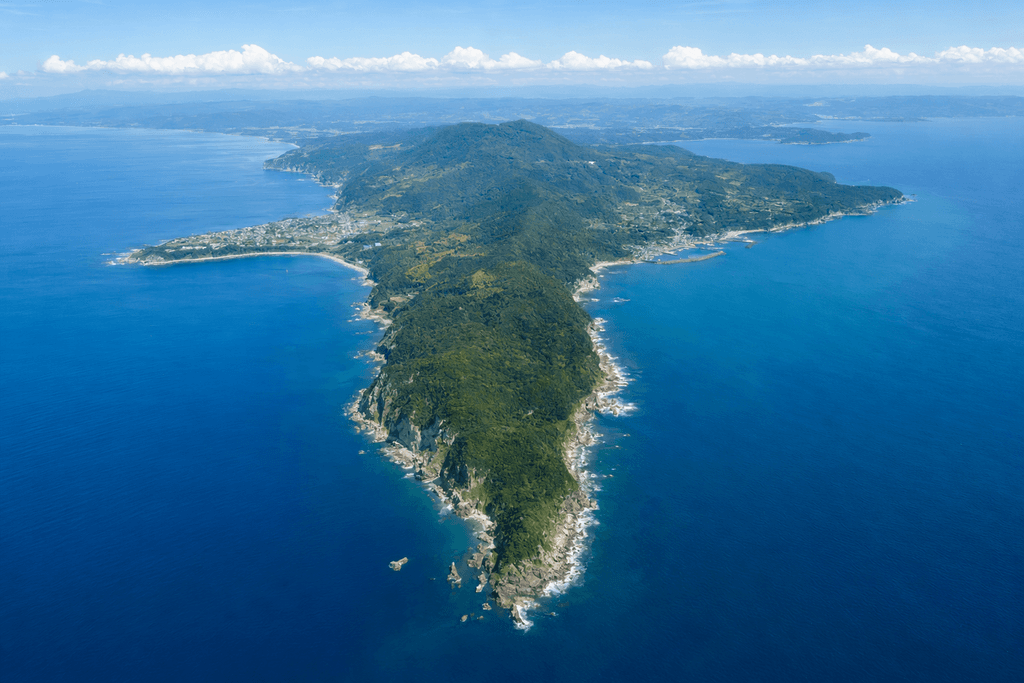
半島
प्रायद्वीप
半島
प्रायद्वीप
Explanation
半島
प्रायद्वीप
半島
उपद्वीप / समुद्रले तीन तर्फबाट घेरिएको भूमिभाग
( Base form )
( romanization )
( hiragana )
スタート
सुरुआत
スタート
सुरुआत
Explanation
सुरुआत
スタート
सुरुआत / प्रारम्भ / आरम्भ

( romanization )
目下
हाल
目下
हाल
Explanation
目下
हाल
目下
अहिले / हाल / यसबेलामा

( Base form )
( romanization )
( hiragana )
怪しい
शङ्कास्पद / अनिश्चित
怪しい
शङ्कास्पद / अनिश्चित
Explanation
怪しい
शङ्कास्पद / अनिश्चित
怪しい
सन्देहास्पद / हचबचिएको वा डगमगिएको / अस्वाभाविक वा डरलाग्दो

Word Forms
The basic and commonly used forms of this adjective.
Basic forms
| Form | Word form | Usage |
|---|---|---|
| Imperfective form (mizenkei) | Used in forms such as karou; mainly literary. | |
| Continuative form (renyokei) |
Alternative:
怪しかっ
|
Used in forms such as kute and kunai. |
| Conclusive form (shushikei) | Ends a sentence. | |
| Attributive form (rentaikei) | Modifies a noun. | |
| Conditional form (kateikei) | Expresses a condition with kereba. | |
| Imperative form (meireikei) | Rarely used in modern Japanese. |
Common forms
第一
पहिलो / सबैभन्दा प्रमुख
第一
पहिलो / सबैभन्दा प्रमुख
Explanation
第一
पहिलो / सबैभन्दा प्रमुख
第一
प्रथम; पहिलो / नम्बर एक / सबैभन्दा प्रमुख; सर्वोच्च

( Base form )
( romanization )
( hiragana )
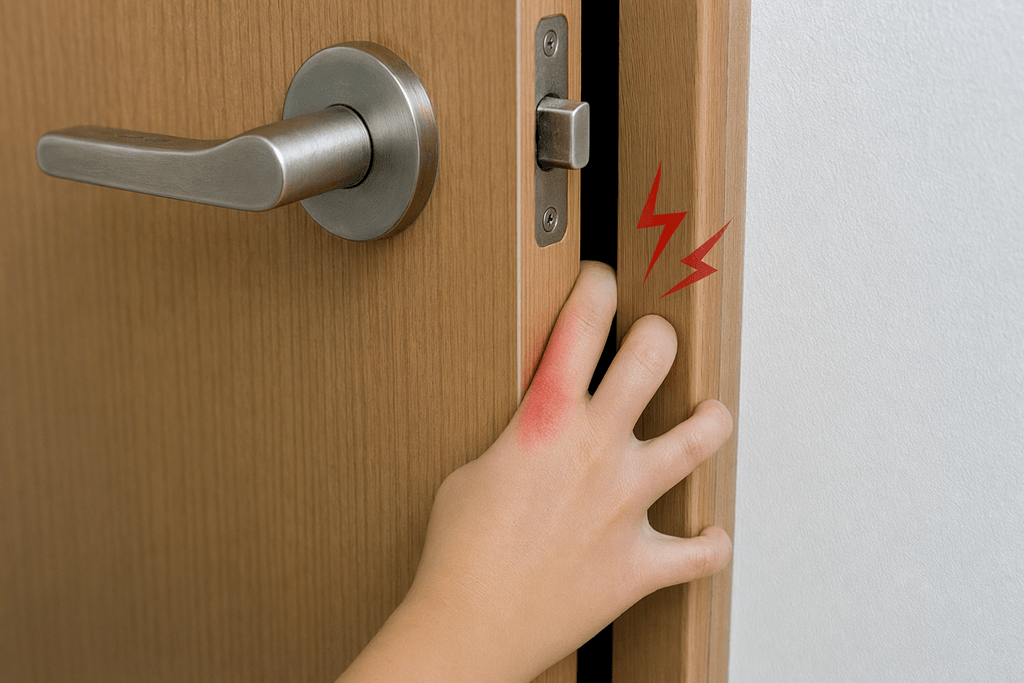
挟まる
बीचमा च्यापिनु
挟まる
बीचमा च्यापिनु
Explanation
挟まる
बीचमा च्यापिनु
挟まる
दुई वस्तुको बीचमा च्यापिनु / बीचमा अड्किनु / विरोधी पक्षहरूको बीचमा फसिनु
Word Forms
The basic and commonly used forms of this verb.
Basic forms
| Form | Word form | Usage |
|---|---|---|
| Imperfective form (mizenkei) |
Alternative:
はさまら
|
Connects to endings such as nai, reru, and seru. |
| Continuative form (renyokei) |
Alternative:
はさまり
|
Connects to endings such as masu, tai, and ta. |
| Conclusive form (shushikei) |
Alternative:
はさまる
|
Ends a sentence and serves as the dictionary form. |
| Attributive form (rentaikei) |
Alternative:
はさまる
|
Modifies a noun. |
| Conditional form (kateikei) |
Alternative:
はさまれ
|
Combines with ba to express a condition. |
| Imperative form (meireikei) |
Alternative:
はさまれ
|
Expresses a command or instruction. |
Common forms
| Form | Word form | Usage |
|---|---|---|
| Te-form |
Alternative:
はさまって
|
Connects clauses with te. |
| Ta-form |
Alternative:
はさまった
|
Expresses the past with ta. |
| Nai-form |
Alternative:
はさまらない
|
Expresses negation with nai. |
| Masu-form |
Alternative:
はさまります
|
Used for polite speech. |
| Ba-form |
Alternative:
はさまれば
|
Expresses a condition with ba. |
| Volitional form |
Alternative:
はさまろう
|
Expresses intention or invitation. |
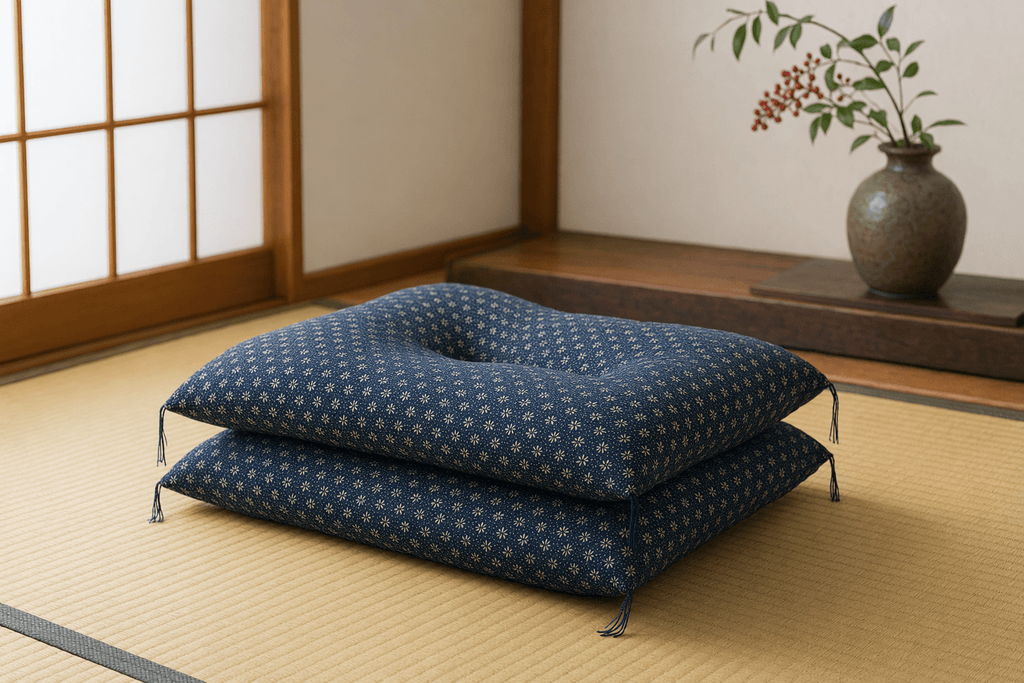
座布団
भुइँमा बस्ने गद्दी
座布団
भुइँमा बस्ने गद्दी
Explanation
座布団
भुइँमा बस्ने गद्दी
座布団
जमिनमा बस्न प्रयोग हुने जापानी परम्परागत कुशन / टाटामीमा बस्न राखिने पातलो, चौरस आसन-कुशन
( Base form )
( romanization )
( hiragana )
裂く
च्यात्नु / चिर्नु
裂く
च्यात्नु / चिर्नु
Explanation
裂く
च्यात्नु / चिर्नु
裂く
च्यात्नु / फाड्नु / चिरनु

Word Forms
The basic and commonly used forms of this verb.
Basic forms
| Form | Word form | Usage |
|---|---|---|
| Imperfective form (mizenkei) |
Alternative:
裂こ
|
Connects to endings such as nai, reru, and seru. |
| Continuative form (renyokei) | Connects to endings such as masu, tai, and ta. | |
| Conclusive form (shushikei) | Ends a sentence and serves as the dictionary form. | |
| Attributive form (rentaikei) | Modifies a noun. | |
| Conditional form (kateikei) | Combines with ba to express a condition. | |
| Imperative form (meireikei) | Expresses a command or instruction. |
Common forms
Loading...

JLPT N2 多言語単語帳・1790語 / JLPT N2 Multilingual Vocabulary: 1790 Words

Jonathan Waller 氏の JLPT Resources の語彙リスト・レベル分類を出典とし、CC BY の条件に従って DiQt が学習者向けに意味を作り直した1790語の単語帳です。JLPT公式の語彙リストではありません。
This collection of 1790 words is based on the vocabulary list and level classifications in Jonathan Waller’s JLPT Resources under CC BY, with meanings rewritten by DiQt for learners. It is not an official JLPT vocabulary list.
Key Operations
Select the first quiz:
Ctrl + Enter
View Explanation:Ctrl + G
Close a feedback:Esc
When selecting a quiz
Answer:Enter
Select a choice:↓ or ↑
Reading out the question:Ctrl + K
View Hint: Ctrl + M
I don't know: Ctrl + Y



