
JLPT N2 शब्दार्थ अभ्यास - Unsolved

चार विकल्प भएका प्रश्नबाट JLPT N2 का 1790 शब्दका अर्थ नेपालीमा सिक्नुहोस्।
-
छुट
-
बाफ
-
आमाबुबाकी दिदी
-
सम्प्रेषण हुनु / जोडिनु
-
किच्नु / खेर फाल्नु
-
अस्वीकार गर्नु / निष्प्रभावी पार्नु
- 「熱する」は他動詞・自動詞の両用があるサ変動詞。
- 未然形「熱さ」は主に受身・使役などで用いられる接続形。
-
क्षमा / अस्वीकार
-
मिश्रण प्रक्रिया / मिश्रित पदार्थ
-
आयोजित कार्यक्रम
-
बोतलमा भर्ने काम / बोतलमा राखिएको खाद्यवस्तु
-
समुद्री हुलाक
-
मानव जीवन
-
बिक्री रकम
-
हिरागाना
-
वास्तविक क्षमता / बल
-
अङ्कित मूल्य
-
प्रत्यक्ष विद्युत् धारा
-
मीठो पानी
-
बहुवचन / एकभन्दा बढी
-
आजदेखि तीन दिनपछि
-
लामो पातलो मोजा
-
थाहा पाउनु / सोच्नु
-
खुर्केर हटाउनु / घटाउनु
-
फाल्नु / अलपत्र छोड्नु
-
पछि आउनु
-
बीचमा च्यापिनु
-
टाँस्नु
-
गलत बुझाइ
-
मसला
-
बाहिरी भाग
交代
प्रतिस्थापन / पालो फेरबदल
交代
प्रतिस्थापन / पालो फेरबदल
Explanation
交代
प्रतिस्थापन / पालो फेरबदल
交代
बदलाबदल / प्रतिस्थापन / पालो फेर्ने

( Base form )
( romanization )
( hiragana )
熱する
तताउनु
熱する
तताउनु
Explanation
熱する
तताउनु
熱する
तताउनु / तातिनु / उत्तेजित हुनु

Word Forms
The basic and commonly used forms of this verb.
Basic forms
| Form | Word form | Usage |
|---|---|---|
| Imperfective form (mizenkei) |
Alternative:
熱せ
熱さ
|
Connects to endings such as nai, reru, and seru. |
| Continuative form (renyokei) | Connects to endings such as masu, tai, and ta. | |
| Conclusive form (shushikei) | Ends a sentence and serves as the dictionary form. | |
| Attributive form (rentaikei) | Modifies a noun. | |
| Conditional form (kateikei) | Combines with ba to express a condition. | |
| Imperative form (meireikei) |
Alternative:
熱せよ
|
Expresses a command or instruction. |
Common forms
| Form | Word form | Usage |
|---|---|---|
| Te-form | Connects clauses with te. | |
| Ta-form | Expresses the past with ta. | |
| Nai-form |
Alternative:
熱せず
熱せぬ
|
Expresses negation with nai. |
| Masu-form | Used for polite speech. | |
| Ba-form | Expresses a condition with ba. | |
| Volitional form | Expresses intention or invitation. |
Notes
日帰り
एकदिने यात्रा
日帰り
एकदिने यात्रा
Explanation
日帰り
एकदिने यात्रा
日帰り
एकै दिनमा जाने-फर्किने यात्रा / दिनभरको यात्रा / राति नबस्ने भ्रमण

( Base form )
( romanization )
( romanization )
( hiragana historical )
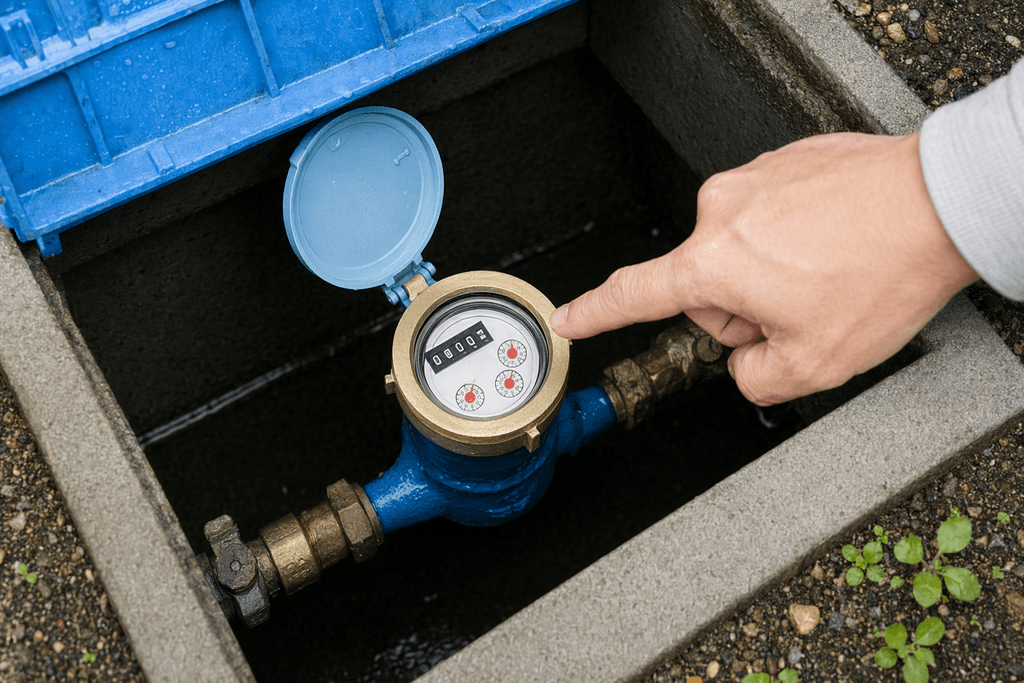
メーター
मापक यन्त्र
メーター
मापक यन्त्र
Explanation
मापक यन्त्र
メーター
मापन गर्ने यन्त्र वा गेज / लम्बाइको एकाइ ‘मिटर’
( romanization )
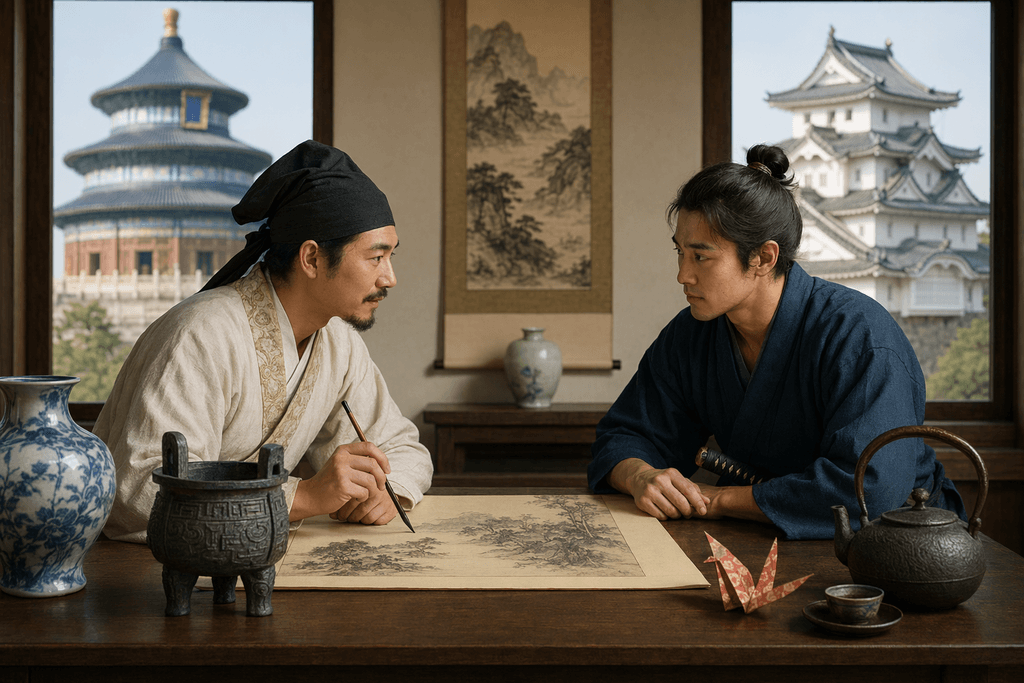
漢和
कान्जी-जापानी
漢和
कान्जी-जापानी
Explanation
漢和
कान्जी-जापानी
漢和
चीन र जापान; चिन-जापानी / चिनियाँ र जापानी भाषाहरू / ‘漢和辞典’ को संक्षेप: चिनियाँ-जापानी शब्दकोश
( Base form )
( romanization )
( hiragana )
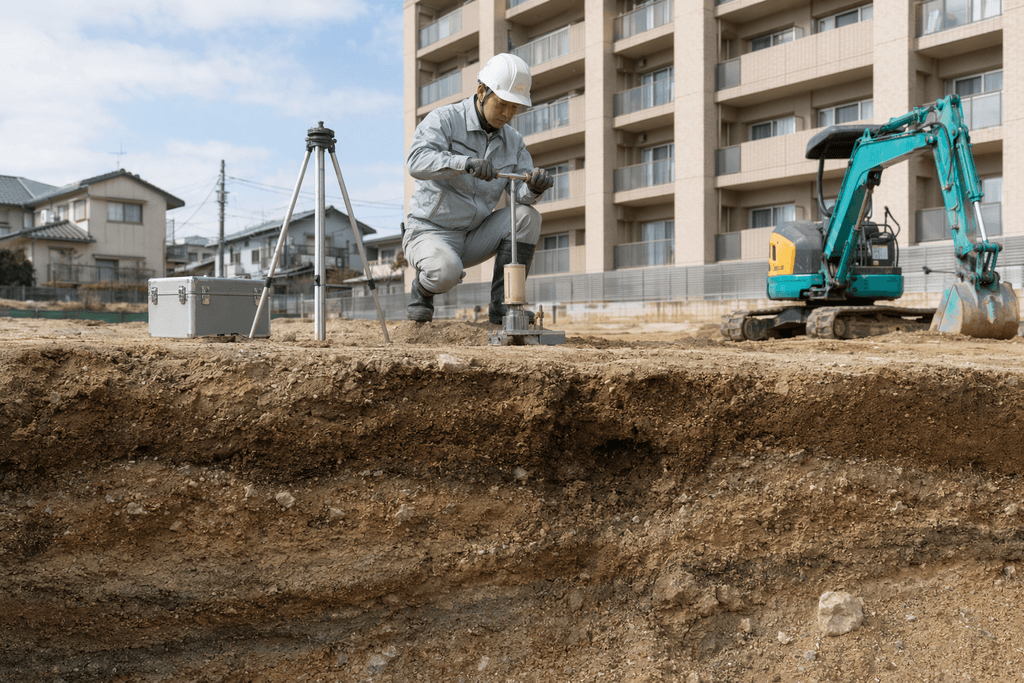
地盤
जमिन / शक्तिको आधार
地盤
जमिन / शक्तिको आधार
Explanation
地盤
जमिन / शक्तिको आधार
地盤
जमिनको धरातल (माटोको आधार) / राजनीतिक शक्ति–आधार / आफ्नो इलाका
( Base form )
( romanization )
( hiragana )
原始
आदिम काल
原始
आदिम काल
Explanation
原始
आदिम काल
原始
आदिकाल / पूर्वइतिहास / आदिम चरण

( Base form )
( romanization )
( hiragana )
絞る
निचोर्नु / निमोठेर सुकाउनु
絞る
निचोर्नु / निमोठेर सुकाउनु
Explanation
絞る
निचोर्नु / निमोठेर सुकाउनु
絞る
निचोर्नु / थिच्नु / आवाज घटाउनु

Word Forms
The basic and commonly used forms of this verb.
Basic forms
| Form | Word form | Usage |
|---|---|---|
| Imperfective form (mizenkei) | Connects to endings such as nai, reru, and seru. | |
| Continuative form (renyokei) | Connects to endings such as masu, tai, and ta. | |
| Conclusive form (shushikei) | Ends a sentence and serves as the dictionary form. | |
| Attributive form (rentaikei) | Modifies a noun. | |
| Conditional form (kateikei) | Combines with ba to express a condition. | |
| Imperative form (meireikei) | Expresses a command or instruction. |
Common forms
被せる
ओढाउनु
被せる
ओढाउनु
Explanation
被せる
ओढाउनु
被せる
ढाक्नु; माथि लगाउनु / बोलाइ छेप्नु; छेप्दै बोलिरहनु / दोष/आरोप थोपर्नु

Word Forms
The basic and commonly used forms of this verb.
Basic forms
| Form | Word form | Usage |
|---|---|---|
| Imperfective form (mizenkei) | Connects to endings such as nai, reru, and seru. | |
| Continuative form (renyokei) | Connects to endings such as masu, tai, and ta. | |
| Conclusive form (shushikei) | Ends a sentence and serves as the dictionary form. | |
| Attributive form (rentaikei) | Modifies a noun. | |
| Conditional form (kateikei) | Combines with ba to express a condition. | |
| Imperative form (meireikei) |
Alternative:
被せよ
|
Expresses a command or instruction. |
Common forms
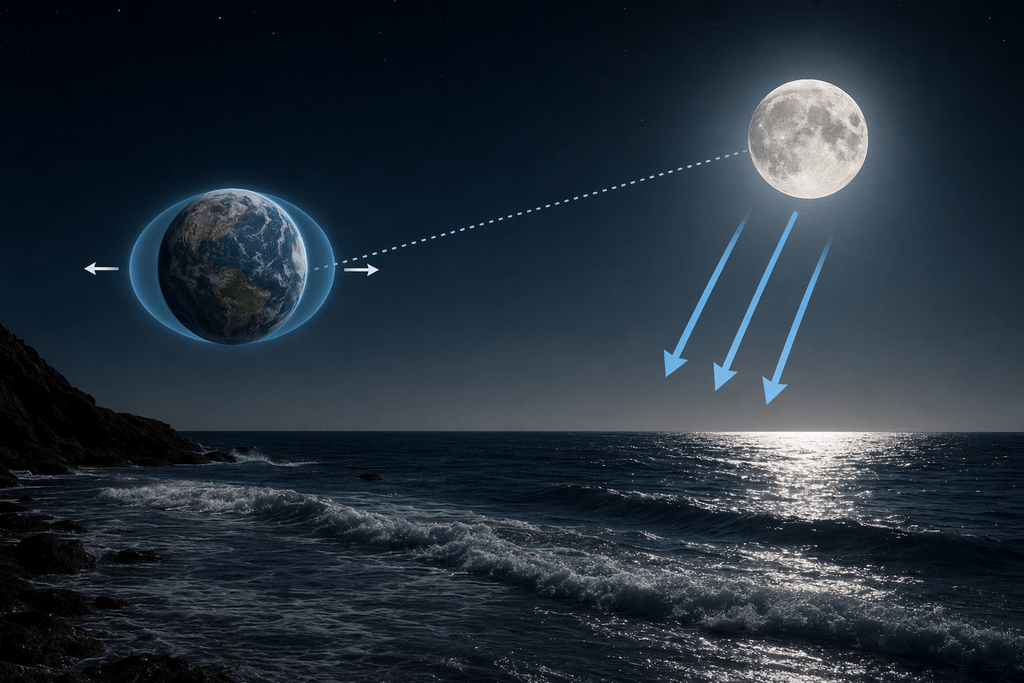
引力
आकर्षण बल
引力
आकर्षण बल
Explanation
引力
आकर्षण बल
引力
गुरुत्वाकर्षण / आकर्षण बल / (रूपक) आकर्षण
( Base form )
( romanization )
( hiragana )
Loading...

JLPT N2 多言語単語帳・1790語 / JLPT N2 Multilingual Vocabulary: 1790 Words

Jonathan Waller 氏の JLPT Resources の語彙リスト・レベル分類を出典とし、CC BY の条件に従って DiQt が学習者向けに意味を作り直した1790語の単語帳です。JLPT公式の語彙リストではありません。
This collection of 1790 words is based on the vocabulary list and level classifications in Jonathan Waller’s JLPT Resources under CC BY, with meanings rewritten by DiQt for learners. It is not an official JLPT vocabulary list.
Key Operations
Select the first quiz:
Ctrl + Enter
View Explanation:Ctrl + G
Close a feedback:Esc
When selecting a quiz
Answer:Enter
Select a choice:↓ or ↑
Reading out the question:Ctrl + K
View Hint: Ctrl + M
I don't know: Ctrl + Y



