
JLPT N2 शब्दार्थ अभ्यास - Unsolved

चार विकल्प भएका प्रश्नबाट JLPT N2 का 1790 शब्दका अर्थ नेपालीमा सिक्नुहोस्।
-
वर्गाकार
-
याद आउने
-
बहादुर
- 「面倒臭い」は通常ひらがなを交えた「面倒くさい」表記もよく用いられる。
-
शङ्खे जीव / शङ्खको खोल
-
कार्यक्रम
-
अनुभूति
-
टुक्रुक्क बस्नु
-
गुडाउनु
-
बिरामी भेट्न जानु
-
आत्मरक्षा
-
अड्डा
-
भतिजी / भान्जी
-
चाँडै
-
नयाँ गरी / औपचारिक रूपमा
-
लामो लहरमा
-
बाल्नु / आगो सल्काउनु
-
पट्याउनु
-
शान्त हुनु / स्थिर हुनु
-
आत्मरक्षा
-
सिरका
-
सीधा सेवा / प्रत्यक्ष सम्पर्क
-
पूर्वी जगत्
-
मैनबत्ती
-
समारोह
-
थुन्नु
-
सन्तुलित हुनु / मेल खानु
-
डढ्नु
-
सबैभन्दा पहिले
-
अन्ततः / मुस्किलले
-
अहिलेलाई
面倒臭い
झन्झटिलो
面倒臭い
झन्झटिलो
Explanation
面倒臭い
झन्झटिलो
面倒臭い
झन्झटिलो / असुविधाजनक / दिक्क लाग्ने

Word Forms
The basic and commonly used forms of this adjective.
Basic forms
| Form | Word form | Usage |
|---|---|---|
| Imperfective form (mizenkei) |
Alternative:
面倒くさかろ
|
Used in forms such as karou; mainly literary. |
| Continuative form (renyokei) |
Alternative:
面倒くさく
|
Used in forms such as kute and kunai. |
| Conclusive form (shushikei) |
Alternative:
面倒くさい
|
Ends a sentence. |
| Attributive form (rentaikei) |
Alternative:
面倒くさい
|
Modifies a noun. |
| Conditional form (kateikei) |
Alternative:
面倒くさけれ
|
Expresses a condition with kereba. |
| Imperative form (meireikei) |
Alternative:
面倒くさかれ
|
Rarely used in modern Japanese. |
Common forms
| Form | Word form | Usage |
|---|---|---|
| Te-form |
Alternative:
面倒くさくて
|
Connects clauses with kute. |
| Ta-form |
Alternative:
面倒くさかった
|
Expresses the past with katta. |
| Nai-form |
Alternative:
面倒くさくない
|
Expresses negation with kunai. |
| Ba-form |
Alternative:
面倒くさければ
|
Expresses a condition with kereba. |
Notes
中味
अन्तर्वस्तु
中味
अन्तर्वस्तु
Explanation
中味
अन्तर्वस्तु
中味
भित्रको सामग्री / आन्तरिक भाग / अन्तरवस्तु

吊る
झुन्ड्याउनु
吊る
झुन्ड्याउनु
Explanation
吊る
झुन्ड्याउनु
吊る
झुण्याउनु / टाँग्नु / लट्काउनु

Word Forms
The basic and commonly used forms of this verb.
Basic forms
| Form | Word form | Usage |
|---|---|---|
| Imperfective form (mizenkei) |
Alternative:
吊ろ
|
Connects to endings such as nai, reru, and seru. |
| Continuative form (renyokei) |
Alternative:
吊っ
|
Connects to endings such as masu, tai, and ta. |
| Conclusive form (shushikei) | Ends a sentence and serves as the dictionary form. | |
| Attributive form (rentaikei) | Modifies a noun. | |
| Conditional form (kateikei) | Combines with ba to express a condition. | |
| Imperative form (meireikei) | Expresses a command or instruction. |
Common forms
同格
समान दर्जा / समानाधिकरण
同格
समान दर्जा / समानाधिकरण
Explanation
同格
समान दर्जा / समानाधिकरण
同格
समान दर्जा / बराबरी हैसियत / समानाधिकरण (व्याकरण)

まあまあ
ठिकठिकै
まあまあ
ठिकठिकै
Explanation
ठिकठिकै
まあまあ
यस्तै-यस्तै / ठीकठाक / औसत
( romanization )
( adnominal )
( adverbial )
( table-tags )
( inflection-template )
( imperfective stem )
( imperfective stem )
( continuative stem )
( continuative stem )
( stem terminative )
( stem terminative )
( attributive stem )
( attributive stem )
( hypothetical stem )
( hypothetical stem )
( Imperative stem )
( Imperative stem )
( informal negative )
( informal negative )
( informal negative )
( informal negative )
( informal Past )
( informal Past )
( informal negative Past )
( informal negative Past )
( informal negative Past )
( informal negative Past )
( formal )
( formal )
( formal negative )
( formal negative )
( formal negative )
( formal negative )
( formal Past )
( formal Past )
( formal negative Past )
( formal negative Past )
( formal negative Past )
( formal negative Past )
( conjunctive )
( conjunctive )
( Conditional )
( Conditional )
( Conditional Past )
( Conditional Past )
( volitional )
( volitional )
( adverbial )
( adverbial )
( noun-from-adj )
( noun-from-adj )
心得る
जान्नु / बुझ्नु
心得る
जान्नु / बुझ्नु
Explanation
心得る
जान्नु / बुझ्नु
心得る
बुझ्नु; अवगत हुनु / ज्ञान हुनु; दक्ष हुनु / ध्यानमा राख्नु

Word Forms
The basic and commonly used forms of this verb.
Basic forms
| Form | Word form | Usage |
|---|---|---|
| Imperfective form (mizenkei) |
Alternative:
心得よ
|
Connects to endings such as nai, reru, and seru. |
| Continuative form (renyokei) | Connects to endings such as masu, tai, and ta. | |
| Conclusive form (shushikei) | Ends a sentence and serves as the dictionary form. | |
| Attributive form (rentaikei) | Modifies a noun. | |
| Conditional form (kateikei) | Combines with ba to express a condition. | |
| Imperative form (meireikei) |
Alternative:
心得よ
|
Expresses a command or instruction. |
Common forms
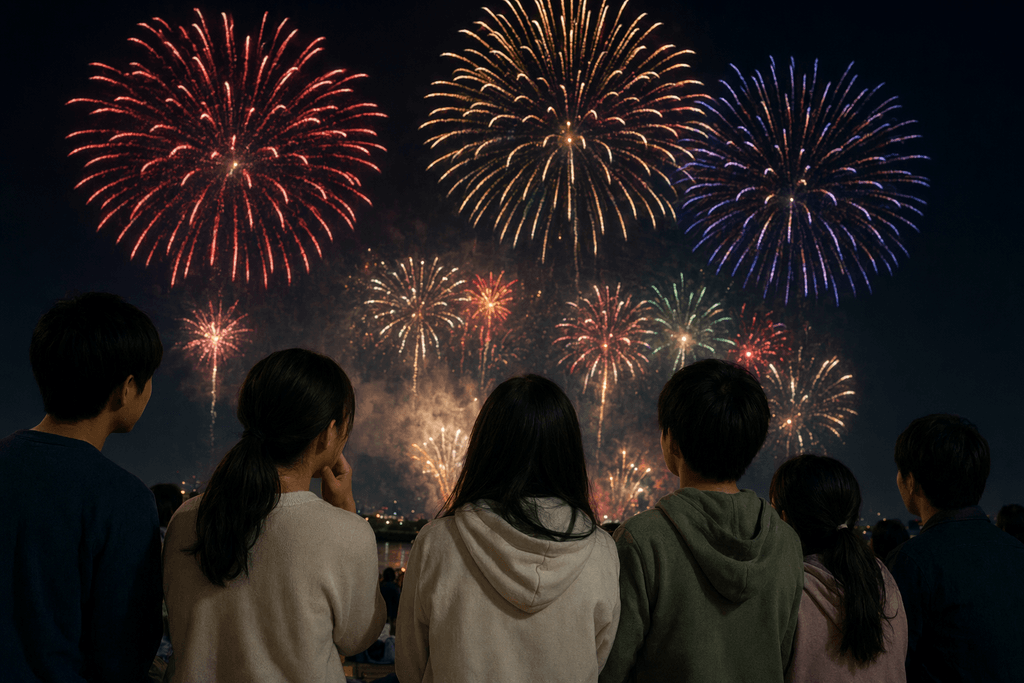
花火
आतसबाजी
花火
आतसबाजी
Explanation
花火
आतसबाजी
花火
आतसबाजी / पटाका
( Base form )
( romanization )
( hiragana )
かみそり
उस्तरा
かみそり
उस्तरा
Explanation
उस्तरा
かみそり
दाह्रा काट्ने औजार / रेजर / उस्तुरा

( romanization )
( hiragana )
ふざける
उट्पट्याङ गर्नु / ठट्टा गर्नु
ふざける
उट्पट्याङ गर्नु / ठट्टा गर्नु
Explanation
उट्पट्याङ गर्नु / ठट्टा गर्नु
ふざける
मजाक गर्नु / हेलाफेला गर्दै बस्नु / बकवास गर्नु (अपमानजनक)

Word Forms
The basic and commonly used forms of this verb.
Basic forms
| Form | Word form | Usage |
|---|---|---|
| Imperfective form (mizenkei) | Connects to endings such as nai, reru, and seru. | |
| Continuative form (renyokei) | Connects to endings such as masu, tai, and ta. | |
| Conclusive form (shushikei) | Ends a sentence and serves as the dictionary form. | |
| Attributive form (rentaikei) | Modifies a noun. | |
| Conditional form (kateikei) | Combines with ba to express a condition. | |
| Imperative form (meireikei) |
Alternative:
ふざけよ
|
Expresses a command or instruction. |
Common forms
大して
त्यति धेरै होइन
大して
त्यति धेरै होइन
Explanation
大して
त्यति धेरै होइन
大して
खासै होइन / त्यति धेरै होइन / त्यति खास छैन

Loading...

JLPT N2 多言語単語帳・1790語 / JLPT N2 Multilingual Vocabulary: 1790 Words

Jonathan Waller 氏の JLPT Resources の語彙リスト・レベル分類を出典とし、CC BY の条件に従って DiQt が学習者向けに意味を作り直した1790語の単語帳です。JLPT公式の語彙リストではありません。
This collection of 1790 words is based on the vocabulary list and level classifications in Jonathan Waller’s JLPT Resources under CC BY, with meanings rewritten by DiQt for learners. It is not an official JLPT vocabulary list.
Key Operations
Select the first quiz:
Ctrl + Enter
View Explanation:Ctrl + G
Close a feedback:Esc
When selecting a quiz
Answer:Enter
Select a choice:↓ or ↑
Reading out the question:Ctrl + K
View Hint: Ctrl + M
I don't know: Ctrl + Y



