
JLPT N2 शब्दार्थ अभ्यास - Unsolved

चार विकल्प भएका प्रश्नबाट JLPT N2 का 1790 शब्दका अर्थ नेपालीमा सिक्नुहोस्।
-
स्वस्थ रहनुहोस्
-
याद आयो
-
चियर्स
-
सङ्केत
-
उपकरण
-
पछाडिको ढोका
-
अङ्क
-
शल्यचिकित्सा विभाग
-
पुस्तक पसल
-
कान्जी समास / टुक्का
-
खाजा
-
अस्थायी / विशेष
-
छोटकरीमा लेख्नु / छोड्नु
-
ढल्नु
-
किच्नु / खेर फाल्नु
-
कुराकानी चलिरहेको / फोन व्यस्त
-
भण्डारण कोठा
-
विषयवस्तु
-
बढार्नु
-
न्यानो हुनु
-
घना भएर बढ्नु
- ラ行五段活用の自動詞。
-
चाँडै निको हुनुहोस्
-
घर फर्कनुभएकोमा स्वागत छ
-
याद आयो
-
व्यस्त समय
-
रेलको प्लेटफर्म
-
व्यवस्थित प्रणाली
-
चरण
-
विज्ञान विषय
-
सभाको उद्घाटन
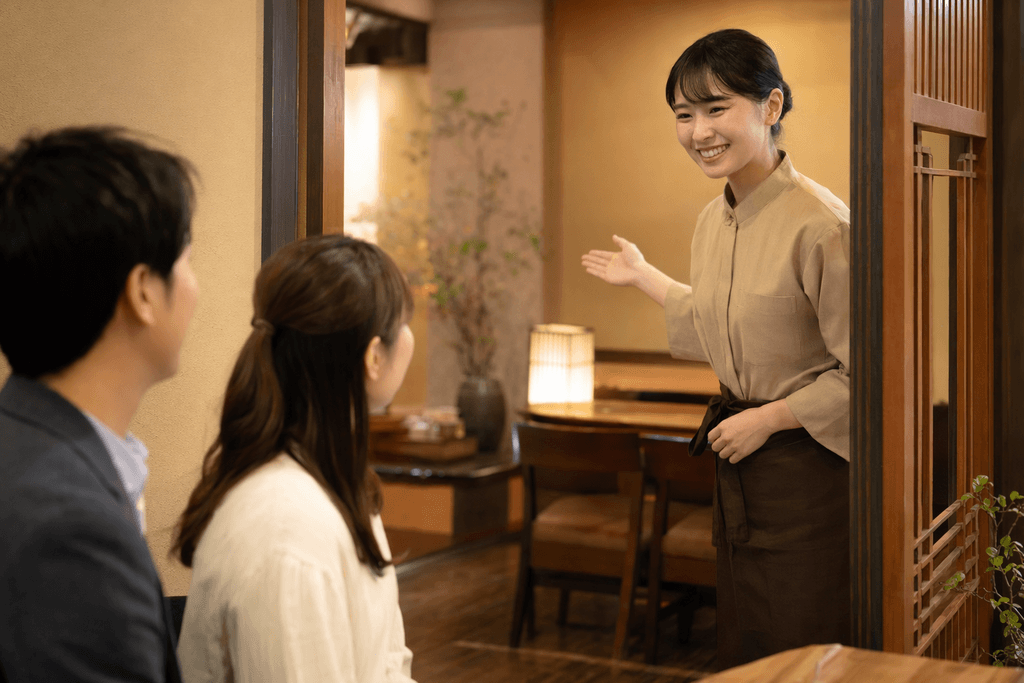
お待ちどうさま
पर्खनुभएकोमा धन्यवाद
お待ちどうさま
पर्खनुभएकोमा धन्यवाद
Explanation
お待ちどうさま
पर्खनुभएकोमा धन्यवाद
お待ちどうさま
पर्खनु भएकोमा धन्यवाद / धैर्यका लागि धन्यवाद / पर्खाइका लागि धन्यवाद
体操
जिम्नास्टिक / शारीरिक व्यायाम
体操
जिम्नास्टिक / शारीरिक व्यायाम
Explanation
体操
जिम्नास्टिक / शारीरिक व्यायाम
体操
जिम्नास्टिक/व्यायामकला / शारीरिक व्यायाम (क्यालिस्थेनिक्स) / (पुरानो) शारीरिक शिक्षा

( Base form )
( romanization )
( romanization )
( kyūjitai )
( hiragana historical )
( hiragana )
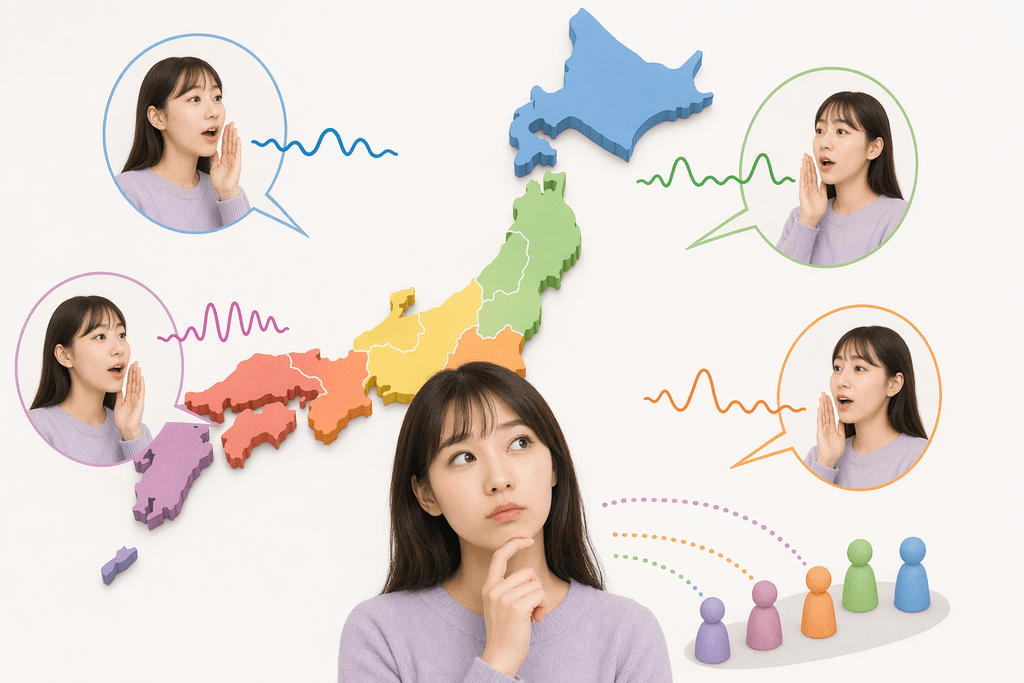
アクセント
उच्चारणको जोड
アクセント
उच्चारणको जोड
Explanation
उच्चारणको जोड
アクセント
भाषामा शब्दको उच्चारणमा दिइने जोड/स्वराघात / संगीतमा ताल वा सुरमा दिइने जोर/प्रभाव / डिजाइन वा फ्याशनमा ध्यानाकर्षक विशेष तत्व वा टुक्रा
( romanization )
普及
व्यापक प्रचलन
普及
व्यापक प्रचलन
Explanation
普及
व्यापक प्रचलन
普及
प्रसार / व्यापकता / प्रचलन

( Base form )
( romanization )
( stem )
( Past )
( table-tags )
( inflection-template )
( imperfective stem )
( imperfective stem )
( imperfective )
( continuative stem )
( continuative stem )
( continuative )
( stem terminative )
( stem terminative )
( terminative )
( attributive stem )
( attributive stem )
( attributive )
( hypothetical stem )
( hypothetical stem )
( hypothetical )
( Imperative literary stem )
( colloquial Imperative stem )
( Imperative literary stem )
( colloquial Imperative stem )
( Imperative literary )
( colloquial Imperative )
( Passive voice )
( Passive voice )
( Passive voice )
( causative )
( causative )
( causative )
( causative )
( causative )
( causative )
( potential )
( potential )
( potential )
( volitional )
( volitional )
( volitional )
( negative )
( negative )
( negative )
( continuative negative )
( continuative negative )
( continuative negative )
( formal )
( formal )
( formal )
( perfective )
( perfective )
( perfective )
( conjunctive )
( conjunctive )
( conjunctive )
( Conditional hypothetical )
( Conditional hypothetical )
( Conditional hypothetical )
釣り合う
सन्तुलित हुनु / मेल खानु
釣り合う
सन्तुलित हुनु / मेल खानु
Explanation
釣り合う
सन्तुलित हुनु / मेल खानु
釣り合う
सन्तुलन हुनु / मेल खानु / तालमेल हुनु

Word Forms
The basic and commonly used forms of this verb.
Basic forms
| Form | Word form | Usage |
|---|---|---|
| Imperfective form (mizenkei) |
Alternative:
釣り合お
|
Connects to endings such as nai, reru, and seru. |
| Continuative form (renyokei) | Connects to endings such as masu, tai, and ta. | |
| Conclusive form (shushikei) | Ends a sentence and serves as the dictionary form. | |
| Attributive form (rentaikei) | Modifies a noun. | |
| Conditional form (kateikei) | Combines with ba to express a condition. | |
| Imperative form (meireikei) | Expresses a command or instruction. |
Common forms
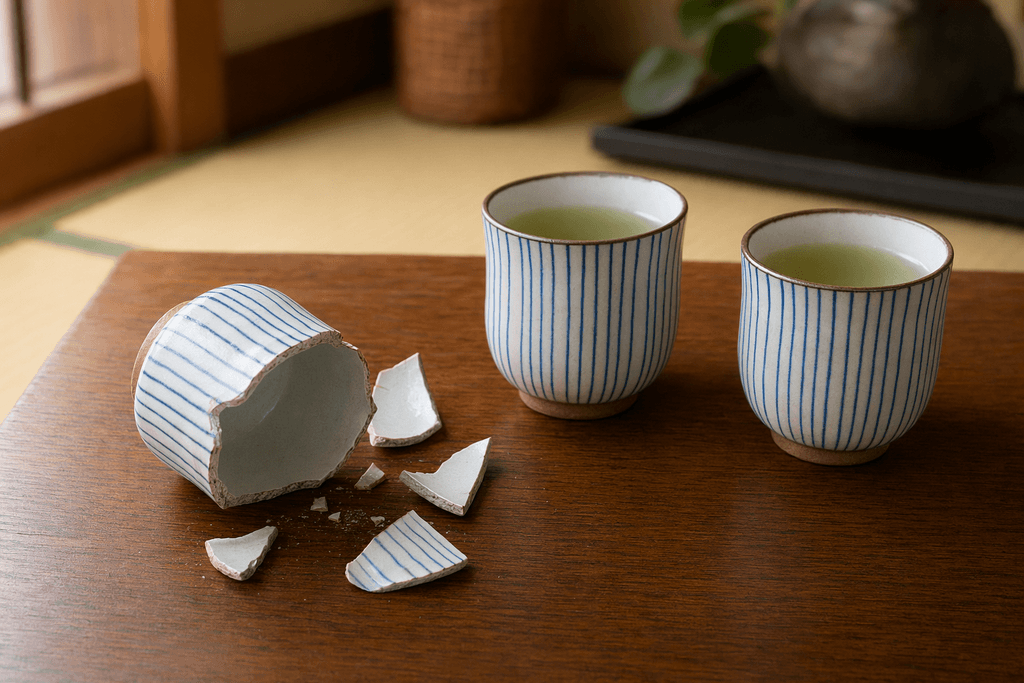
湯呑み
चियाको कप
湯呑み
चियाको कप
Explanation
湯呑み
चियाको कप
湯呑み
चिया पिउने कप / चियाको प्याला / जापानी शैलीको चियाको प्याला
( Base form )
( romanization )
湿る
ओसिनु
湿る
ओसिनु
Explanation
湿る
ओसिनु
湿る
ओसिलो हुनु / भिज्नु / आर्द्र हुनु

Word Forms
The basic and commonly used forms of this verb.
Basic forms
| Form | Word form | Usage |
|---|---|---|
| Imperfective form (mizenkei) |
Alternative:
湿ろ
|
Connects to endings such as nai, reru, and seru. |
| Continuative form (renyokei) | Connects to endings such as masu, tai, and ta. | |
| Conclusive form (shushikei) | Ends a sentence and serves as the dictionary form. | |
| Attributive form (rentaikei) | Modifies a noun. | |
| Conditional form (kateikei) | Combines with ba to express a condition. | |
| Imperative form (meireikei) | Expresses a command or instruction. |
Common forms
| Form | Word form | Usage |
|---|---|---|
| Te-form | Connects clauses with te. | |
| Ta-form | Expresses the past with ta. | |
| Nai-form | Expresses negation with nai. | |
| Masu-form | Used for polite speech. | |
| Ba-form | Expresses a condition with ba. | |
| Volitional form | Expresses intention or invitation. |
Notes
万歳
जय हो
万歳
जय हो
Explanation
万歳
जय हो
万歳
हुर्रे! / जय होस्! / दीर्घायु होस्!

( Base form )
( romanization )
( hiragana )
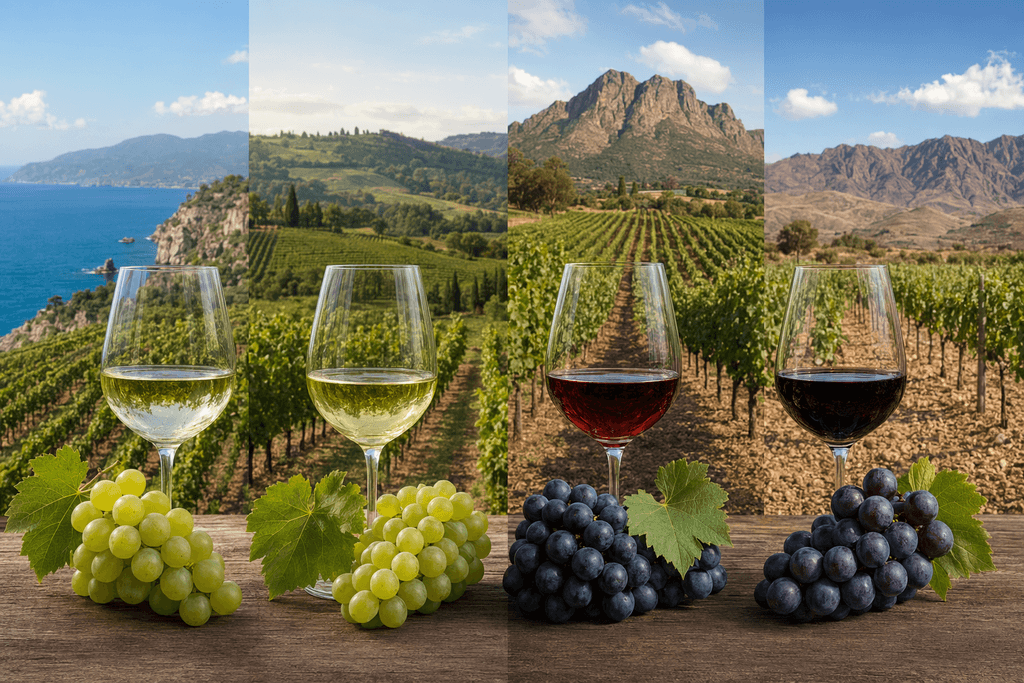
産地
उत्पादन क्षेत्र
産地
उत्पादन क्षेत्र
Explanation
産地
उत्पादन क्षेत्र
産地
उत्पादन स्थल / उत्पादन क्षेत्र / उत्पादन हुने स्थान
( Base form )
( romanization )
( kyūjitai )
( hiragana )
熟語
कान्जी समास / टुक्का
熟語
कान्जी समास / टुक्का
Explanation
熟語
कान्जी समास / टुक्का
熟語
दुई वा बढी कान्जी अक्षरबाट बनेको संयुक्त शब्द / सिनो‑जापानी संयुक्त शब्द / कान्जी‑आधारित समासिक शब्द

( Base form )
( romanization )
( hiragana )
Loading...

JLPT N2 多言語単語帳・1790語 / JLPT N2 Multilingual Vocabulary: 1790 Words

Jonathan Waller 氏の JLPT Resources の語彙リスト・レベル分類を出典とし、CC BY の条件に従って DiQt が学習者向けに意味を作り直した1790語の単語帳です。JLPT公式の語彙リストではありません。
This collection of 1790 words is based on the vocabulary list and level classifications in Jonathan Waller’s JLPT Resources under CC BY, with meanings rewritten by DiQt for learners. It is not an official JLPT vocabulary list.
Key Operations
Select the first quiz:
Ctrl + Enter
View Explanation:Ctrl + G
Close a feedback:Esc
When selecting a quiz
Answer:Enter
Select a choice:↓ or ↑
Reading out the question:Ctrl + K
View Hint: Ctrl + M
I don't know: Ctrl + Y



