
JLPT N2 शब्दार्थ अभ्यास - Unsolved

चार विकल्प भएका प्रश्नबाट JLPT N2 का 1790 शब्दका अर्थ नेपालीमा सिक्नुहोस्।
-
ग्यास
-
वक्ररेखा
-
राज्यद्वारा सञ्चालित
-
निःशुल्क / प्रतिबन्धरहित
-
दुर्लभ
-
असाधारण
-
रक्तसञ्चार
-
सीमा अतिक्रमण
-
टिपोट लेखन
-
उठाउनु / उल्लेख गर्नु
-
पोखिनु
-
संशोधन गर्नु / सुधार्नु
-
उकालो / टोकियोतर्फको सेवा
-
हार
-
मालसामान
-
भित्री कट्टु
-
तातोपानीको मुहान
-
शब्दको खेल / चतुर ठट्टा
-
झोलमा घोल्नु
-
शान्त हुनु / स्थिर हुनु
-
आदर गर्नु
-
पठाइदिनु / हस्तान्तरण गर्नु
-
रद्द गर्नु
-
एकै ठाउँमा मिलाउनु / सारांश निकाल्नु
-
अड्डा
-
वास्तविक क्षमता / बल
-
कटौती / बाँकी रकम
-
भुवादार / हल्का तैरिँदै
-
जे गरे पनि
-
लगातार
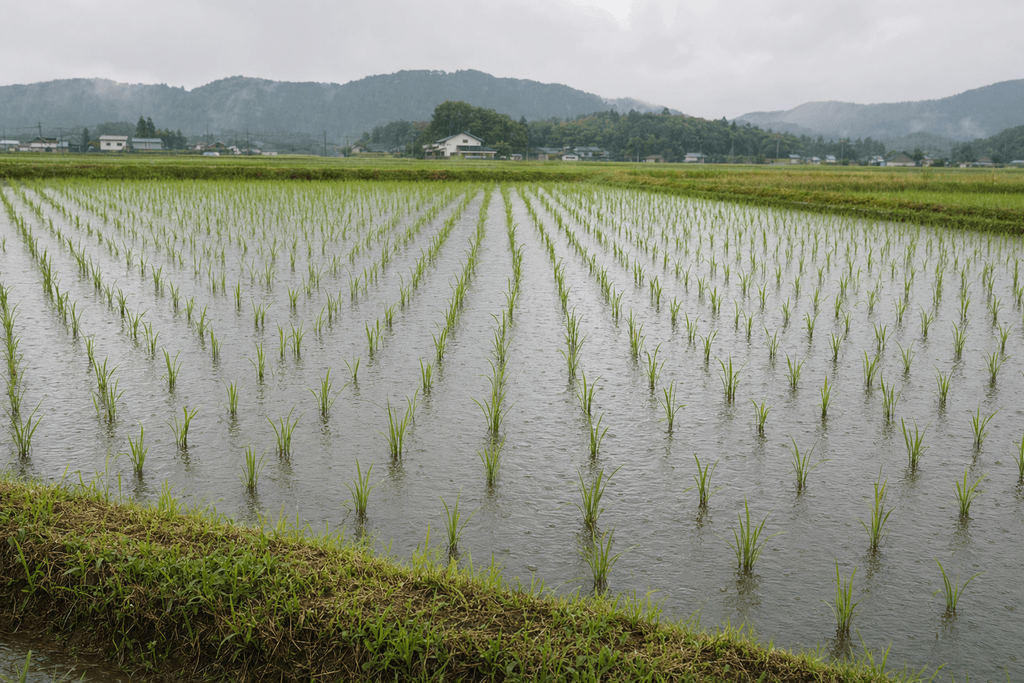
田んぼ
धानखेत
田んぼ
धानखेत
Explanation
田んぼ
धानखेत
田んぼ
धानको खेत / धानबारी / धान रोप्ने पानीभरिएको खेत
( romanization )
消極的
निष्क्रिय / अनुत्साही
消極的
निष्क्रिय / अनुत्साही
Explanation
消極的
निष्क्रिय / अनुत्साही
消極的
निष्क्रिय / अनुत्साही / आधा मनले गर्ने

Word Forms
The basic and commonly used forms of this adjectival noun.
Basic forms
| Form | Word form | Usage |
|---|---|---|
| Imperfective form (mizenkei) |
Alternative:
消極的でしょ
|
Used in forms such as darou. |
| Continuative form (renyokei) |
Alternative:
消極的に
消極的だっ
|
Used with de or ni. |
| Conclusive form (shushikei) | Ends a sentence with da. | |
| Attributive form (rentaikei) | Modifies a noun with na. | |
| Conditional form (kateikei) |
Alternative:
消極的であれば
|
Expresses a condition with nara. |
| Imperative form (meireikei) | Used in formal expressions such as de are. |
Common forms
ロッカー
लकर
ロッカー
लकर
Explanation
लकर
ロッカー
ताल्चा लाग्ने भण्डारण पेटी / व्यक्तिगत सामान राख्ने अलमारी / लकर

( romanization )
照る
चम्किनु
照る
चम्किनु
Explanation
照る
चम्किनु
照る
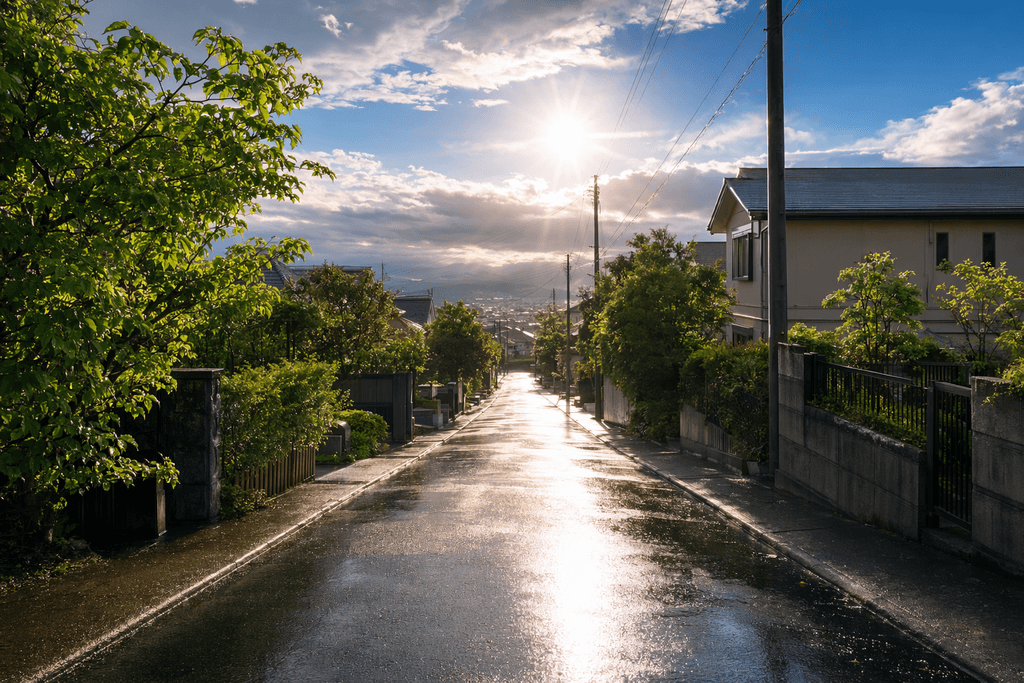
चम्किनु / घाम लाग्नु / मौसम राम्रो हुनु
Word Forms
The basic and commonly used forms of this verb.
Basic forms
| Form | Word form | Usage |
|---|---|---|
| Imperfective form (mizenkei) |
Alternative:
照ろ
|
Connects to endings such as nai, reru, and seru. |
| Continuative form (renyokei) | Connects to endings such as masu, tai, and ta. | |
| Conclusive form (shushikei) | Ends a sentence and serves as the dictionary form. | |
| Attributive form (rentaikei) | Modifies a noun. | |
| Conditional form (kateikei) | Combines with ba to express a condition. | |
| Imperative form (meireikei) | Expresses a command or instruction. |
Common forms
交流
आदानप्रदान / प्रत्यावर्ती विद्युत्
交流
आदानप्रदान / प्रत्यावर्ती विद्युत्
Explanation
交流
आदानप्रदान / प्रत्यावर्ती विद्युत्
交流
अन्तरक्रिया / परस्पर सम्पर्क / विचार वा संस्कृति आदानप्रदान

( Base form )
( romanization )
( stem )
( Past )
( table-tags )
( inflection-template )
( imperfective stem )
( imperfective stem )
( imperfective )
( continuative stem )
( continuative stem )
( continuative )
( stem terminative )
( stem terminative )
( terminative )
( attributive stem )
( attributive stem )
( attributive )
( hypothetical stem )
( hypothetical stem )
( hypothetical )
( Imperative literary stem )
( colloquial Imperative stem )
( Imperative literary stem )
( colloquial Imperative stem )
( Imperative literary )
( colloquial Imperative )
( Passive voice )
( Passive voice )
( Passive voice )
( causative )
( causative )
( causative )
( causative )
( causative )
( causative )
( potential )
( potential )
( potential )
( volitional )
( volitional )
( volitional )
( negative )
( negative )
( negative )
( continuative negative )
( continuative negative )
( continuative negative )
( formal )
( formal )
( formal )
( perfective )
( perfective )
( perfective )
( conjunctive )
( conjunctive )
( conjunctive )
( Conditional hypothetical )
( Conditional hypothetical )
( Conditional hypothetical )
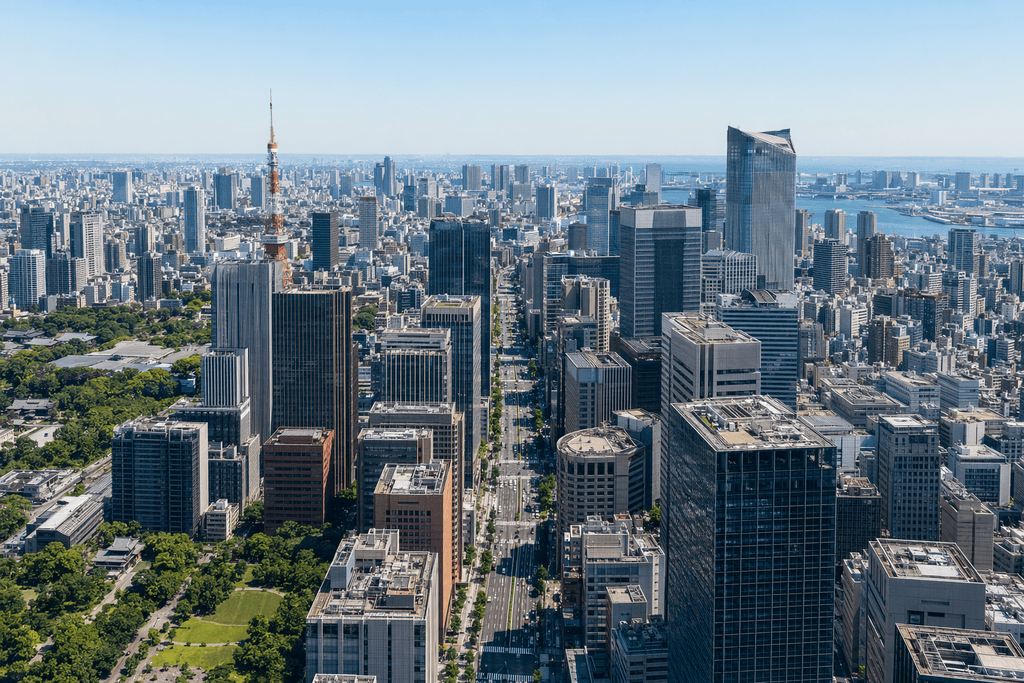
都心
नगरको केन्द्र
都心
नगरको केन्द्र
Explanation
都心
नगरको केन्द्र
都心
शहरको केन्द्र / शहरको मुटु / केन्द्रीय शहरी क्षेत्र
( Base form )
( romanization )
( hiragana )
慰める
सान्त्वना दिनु
慰める
सान्त्वना दिनु
Explanation
慰める
सान्त्वना दिनु
慰める
सान्त्वना दिनु / ढाढस दिनु / मन बहलाउनु

Word Forms
The basic and commonly used forms of this verb.
Basic forms
| Form | Word form | Usage |
|---|---|---|
| Imperfective form (mizenkei) |
Alternative:
慰めよ
|
Connects to endings such as nai, reru, and seru. |
| Continuative form (renyokei) | Connects to endings such as masu, tai, and ta. | |
| Conclusive form (shushikei) | Ends a sentence and serves as the dictionary form. | |
| Attributive form (rentaikei) | Modifies a noun. | |
| Conditional form (kateikei) | Combines with ba to express a condition. | |
| Imperative form (meireikei) |
Alternative:
慰めよ
|
Expresses a command or instruction. |
Common forms
畳む
पट्याउनु
畳む
पट्याउनु
Explanation
畳む
पट्याउनु
畳む
(कपडा आदि) पट्याउनु / दुकान वा व्यवसाय स्थायी रूपमा बन्द गर्नु

Word Forms
The basic and commonly used forms of this verb.
Basic forms
| Form | Word form | Usage |
|---|---|---|
| Imperfective form (mizenkei) | Connects to endings such as nai, reru, and seru. | |
| Continuative form (renyokei) | Connects to endings such as masu, tai, and ta. | |
| Conclusive form (shushikei) | Ends a sentence and serves as the dictionary form. | |
| Attributive form (rentaikei) | Modifies a noun. | |
| Conditional form (kateikei) | Combines with ba to express a condition. | |
| Imperative form (meireikei) | Expresses a command or instruction. |
Common forms
サンプル
नमुना
サンプル
नमुना
Explanation
नमुना
サンプル
नमुना / नमुना उत्पादन / प्रदर्शनका लागि नमुना वस्तु

( Base form )
( romanization )
( stem )
( Past )
( table-tags )
( inflection-template )
( imperfective stem )
( imperfective stem )
( continuative stem )
( continuative stem )
( stem terminative )
( stem terminative )
( attributive stem )
( attributive stem )
( hypothetical stem )
( hypothetical stem )
( Imperative literary stem )
( colloquial Imperative stem )
( Imperative literary stem )
( colloquial Imperative stem )
( Passive voice )
( Passive voice )
( causative )
( causative )
( causative )
( causative )
( potential )
( potential )
( volitional )
( volitional )
( negative )
( negative )
( continuative negative )
( continuative negative )
( formal )
( formal )
( perfective )
( perfective )
( conjunctive )
( conjunctive )
( Conditional hypothetical )
( Conditional hypothetical )
独りでに
आफसेआफ
独りでに
आफसेआफ
Explanation
独りでに
आफसेआफ
独りでに
आफैँ / स्वतः / स्वाभाविक रूपमा

( romanization )
( romanization )
( hiragana historical )
Loading...

JLPT N2 多言語単語帳・1790語 / JLPT N2 Multilingual Vocabulary: 1790 Words

Jonathan Waller 氏の JLPT Resources の語彙リスト・レベル分類を出典とし、CC BY の条件に従って DiQt が学習者向けに意味を作り直した1790語の単語帳です。JLPT公式の語彙リストではありません。
This collection of 1790 words is based on the vocabulary list and level classifications in Jonathan Waller’s JLPT Resources under CC BY, with meanings rewritten by DiQt for learners. It is not an official JLPT vocabulary list.
Key Operations
Select the first quiz:
Ctrl + Enter
View Explanation:Ctrl + G
Close a feedback:Esc
When selecting a quiz
Answer:Enter
Select a choice:↓ or ↑
Reading out the question:Ctrl + K
View Hint: Ctrl + M
I don't know: Ctrl + Y



