
JLPT N2 शब्दार्थ अभ्यास - Unsolved

चार विकल्प भएका प्रश्नबाट JLPT N2 का 1790 शब्दका अर्थ नेपालीमा सिक्नुहोस्।
-
चम्चा
-
राष्ट्रिय बिदा
-
विश्वकोश
-
इनार
-
आमाबुबाका दाजु
-
नहर
-
भुत्ते / सुस्त
-
उग्र / रूखो
-
शङ्कास्पद / अनिश्चित
-
निरन्तर
-
अलिकति पनि होइन / अत्यन्त
-
अन्त्यसम्म / मात्र
-
बिरामीको स्याहार
-
देवस्थल दर्शन
-
तथ्याङ्क
-
बालबालिका
-
प्रवेश
-
मछुवा
-
विश्वास गर्नु / भरोसा गर्नु
-
जम्नु / निश्चित हुनु
-
संयोगले बाटो पर्नु
-
घर फर्काउनु
-
किचिनु / दिवालिया हुनु
-
सुन्नु / प्राप्त गर्नु
-
कानेखुसी गर्नु
-
गुञ्जिनु
-
बेवास्ता गर्नु
-
वर्गाकार
-
चिलाउने
-
फजुल खर्च हुने / पाउन अयोग्य
窓口
सेवा काउन्टर
窓口
सेवा काउन्टर
Explanation
窓口
सेवा काउन्टर
窓口
सेवा काउन्टर / ग्राहक सेवाको झ्याल / ग्राहक सेवा डेस्क

( Base form )
( romanization )
( hiragana )
レクリエーション
मनोरञ्जनात्मक गतिविधि
レクリエーション
मनोरञ्जनात्मक गतिविधि
Explanation
मनोरञ्जनात्मक गतिविधि
レクリエーション
मनोरञ्जन / फुर्सदको गतिविधि / विनोद

( romanization )
清い
पवित्र
清い
पवित्र
Explanation
清い
पवित्र
清い
स्वच्छ / शुद्ध / उदात्त

Word Forms
The basic and commonly used forms of this adjective.
Basic forms
| Form | Word form | Usage |
|---|---|---|
| Imperfective form (mizenkei) | Used in forms such as karou; mainly literary. | |
| Continuative form (renyokei) |
Alternative:
清かっ
|
Used in forms such as kute and kunai. |
| Conclusive form (shushikei) | Ends a sentence. | |
| Attributive form (rentaikei) | Modifies a noun. | |
| Conditional form (kateikei) | Expresses a condition with kereba. | |
| Imperative form (meireikei) | Rarely used in modern Japanese. |
Common forms
一応
हाललाई / सावधानीका लागि
一応
हाललाई / सावधानीका लागि
Explanation
一応
हाललाई / सावधानीका लागि
一応
सावधानीका लागि मात्र / अहिलेलाई अस्थायी रूपमा / धेरैजसो

( Base form )
( romanization )
( kyūjitai )
( hiragana )
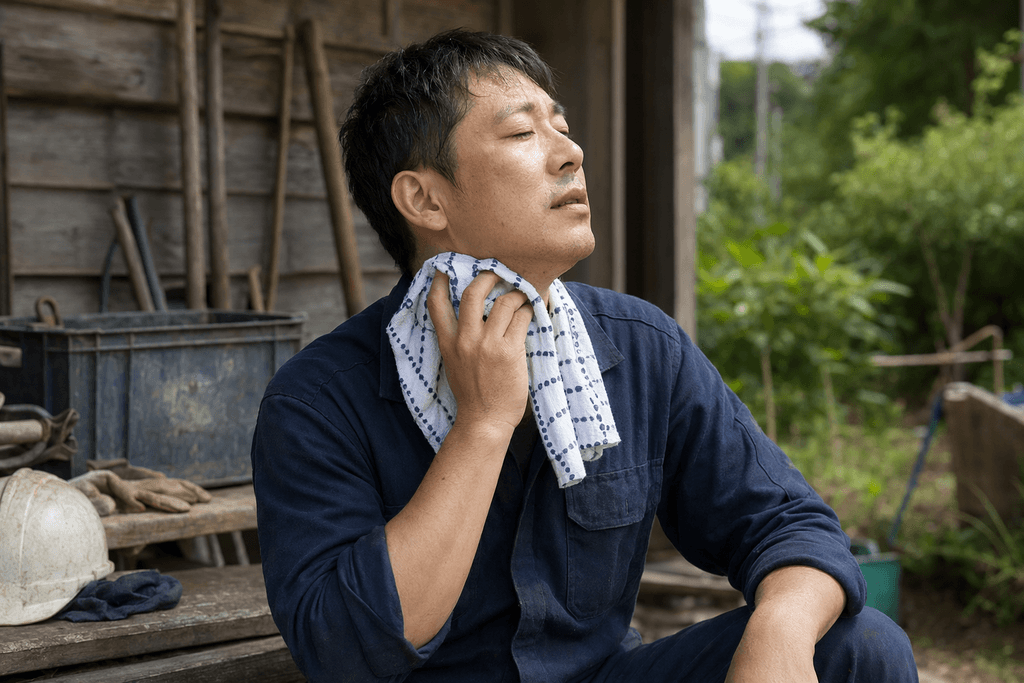
手ぬぐい
हात पुछ्ने तौलिया
手ぬぐい
हात पुछ्ने तौलिया
Explanation
手ぬぐい
हात पुछ्ने तौलिया
手ぬぐい
हात वा शरीर पुछ्ने सानो कपडा / टाउको बेर्न वा ढाक्न प्रयोग हुने कपडा / रुमाल-जस्तो सानो कपडा
( Base form )
( romanization )
( romanization )
( hiragana historical )
伯母さん
आमाबुबाकी दिदी
伯母さん
आमाबुबाकी दिदी
Explanation
伯母さん
आमाबुबाकी दिदी
伯母さん
आमा वा बुवाको दिदी / आमाबुबाभन्दा जेठी फुपू वा मावलीलाई सम्मानपूर्वक भन्ने शब्द

( Base form )
( romanization )
( romanization )
( hiragana historical )
努める
प्रयास गर्नु
努める
प्रयास गर्नु
Explanation
努める
प्रयास गर्नु
努める
प्रयास गर्नु / मेहनत गर्नु / लक्ष्य हासिल गर्न लागिपर्नु

Word Forms
The basic and commonly used forms of this verb.
Basic forms
| Form | Word form | Usage |
|---|---|---|
| Imperfective form (mizenkei) | Connects to endings such as nai, reru, and seru. | |
| Continuative form (renyokei) | Connects to endings such as masu, tai, and ta. | |
| Conclusive form (shushikei) | Ends a sentence and serves as the dictionary form. | |
| Attributive form (rentaikei) | Modifies a noun. | |
| Conditional form (kateikei) | Combines with ba to express a condition. | |
| Imperative form (meireikei) |
Alternative:
努めよ
|
Expresses a command or instruction. |
Common forms
長引く
लम्बिनु
長引く
लम्बिनु
Explanation
長引く
लम्बिनु
長引く
लम्बिनु / लामो समयसम्म तानिनु / जारी रहिरहनु

Word Forms
The basic and commonly used forms of this verb.
Basic forms
| Form | Word form | Usage |
|---|---|---|
| Imperfective form (mizenkei) | Connects to endings such as nai, reru, and seru. | |
| Continuative form (renyokei) | Connects to endings such as masu, tai, and ta. | |
| Conclusive form (shushikei) | Ends a sentence and serves as the dictionary form. | |
| Attributive form (rentaikei) | Modifies a noun. | |
| Conditional form (kateikei) | Combines with ba to express a condition. | |
| Imperative form (meireikei) | Expresses a command or instruction. |
Common forms
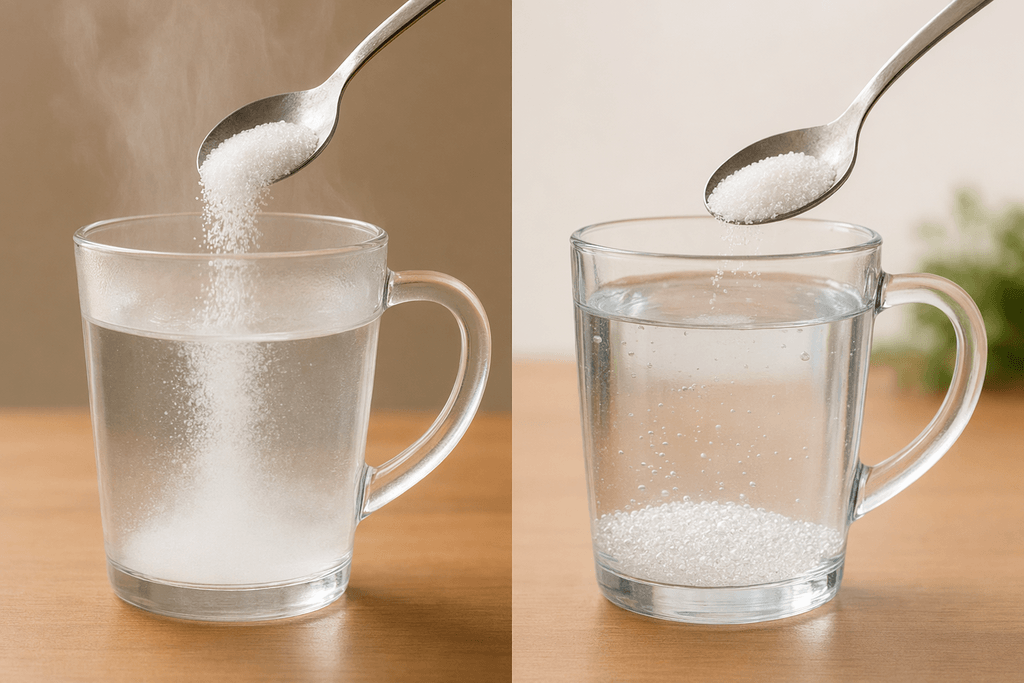
溶ける
पग्लिनु / घुल्नु
溶ける
पग्लिनु / घुल्नु
Explanation
溶ける
पग्लिनु / घुल्नु
溶ける
घुलिनु / घुलनशील हुनु / पग्लनु
Word Forms
The basic and commonly used forms of this verb.
Basic forms
| Form | Word form | Usage |
|---|---|---|
| Imperfective form (mizenkei) | Connects to endings such as nai, reru, and seru. | |
| Continuative form (renyokei) | Connects to endings such as masu, tai, and ta. | |
| Conclusive form (shushikei) | Ends a sentence and serves as the dictionary form. | |
| Attributive form (rentaikei) | Modifies a noun. | |
| Conditional form (kateikei) | Combines with ba to express a condition. | |
| Imperative form (meireikei) |
Alternative:
溶けよ
|
Expresses a command or instruction. |
Common forms
のろい
सुस्त
のろい
सुस्त
Explanation
सुस्त
のろい
धीमा / सुस्त / मन्द

Word Forms
The basic and commonly used forms of this adjective.
Basic forms
| Form | Word form | Usage |
|---|---|---|
| Imperfective form (mizenkei) | Used in forms such as karou; mainly literary. | |
| Continuative form (renyokei) |
Alternative:
のろかっ
|
Used in forms such as kute and kunai. |
| Conclusive form (shushikei) | Ends a sentence. | |
| Attributive form (rentaikei) | Modifies a noun. | |
| Conditional form (kateikei) | Expresses a condition with kereba. | |
| Imperative form (meireikei) | Rarely used in modern Japanese. |
Common forms
Loading...

JLPT N2 多言語単語帳・1790語 / JLPT N2 Multilingual Vocabulary: 1790 Words

Jonathan Waller 氏の JLPT Resources の語彙リスト・レベル分類を出典とし、CC BY の条件に従って DiQt が学習者向けに意味を作り直した1790語の単語帳です。JLPT公式の語彙リストではありません。
This collection of 1790 words is based on the vocabulary list and level classifications in Jonathan Waller’s JLPT Resources under CC BY, with meanings rewritten by DiQt for learners. It is not an official JLPT vocabulary list.
Key Operations
Select the first quiz:
Ctrl + Enter
View Explanation:Ctrl + G
Close a feedback:Esc
When selecting a quiz
Answer:Enter
Select a choice:↓ or ↑
Reading out the question:Ctrl + K
View Hint: Ctrl + M
I don't know: Ctrl + Y



