
JLPT N2 शब्दार्थ अभ्यास - Unsolved

चार विकल्प भएका प्रश्नबाट JLPT N2 का 1790 शब्दका अर्थ नेपालीमा सिक्नुहोस्।
-
निश्चिन्त / लापरवाह
-
वर्गाकार
-
कडा / चुस्त
- 「好き好き/すきずき」は名詞的にも用いられ、「人の好き好き」のように「の」を伴う連体用法がある。
-
बाहिरी भाग
-
जापानी कोतो बाजा
-
व्यापक प्रचलन
-
आफूभन्दा वरिष्ठ व्यक्ति
-
तथ्याङ्क
-
स्तम्भ / भर्ने ठाउँ
-
मेलमिलाप
-
जापानी सोगी खेल
-
सचित्र विश्वकोश
-
काममा आवतजावत
-
लिङ्ग
-
उच्च कार्यकारी
-
सीमारेखा
-
पटकको सङ्ख्या
-
पहिलो / सबैभन्दा प्रमुख
-
अडेस लाग्नु / पेट भारी हुनु
-
थाहा पाउनु / सोच्नु
-
नदीको माथितिर जानु / विगतमा फर्कनु
-
तटस्थता / नपुंसकलिङ्ग
-
अगाडिको भाग / सामुन्ने
-
थर
-
मुद्रा
-
निरंकुश शासन
-
पहाडी भञ्ज्याङ / सङ्कटको चरम बिन्दु
-
ओर्लनु
-
अडेस लाग्नु / पेट भारी हुनु
-
मिलाएर राख्नु / एकरूप बनाउनु
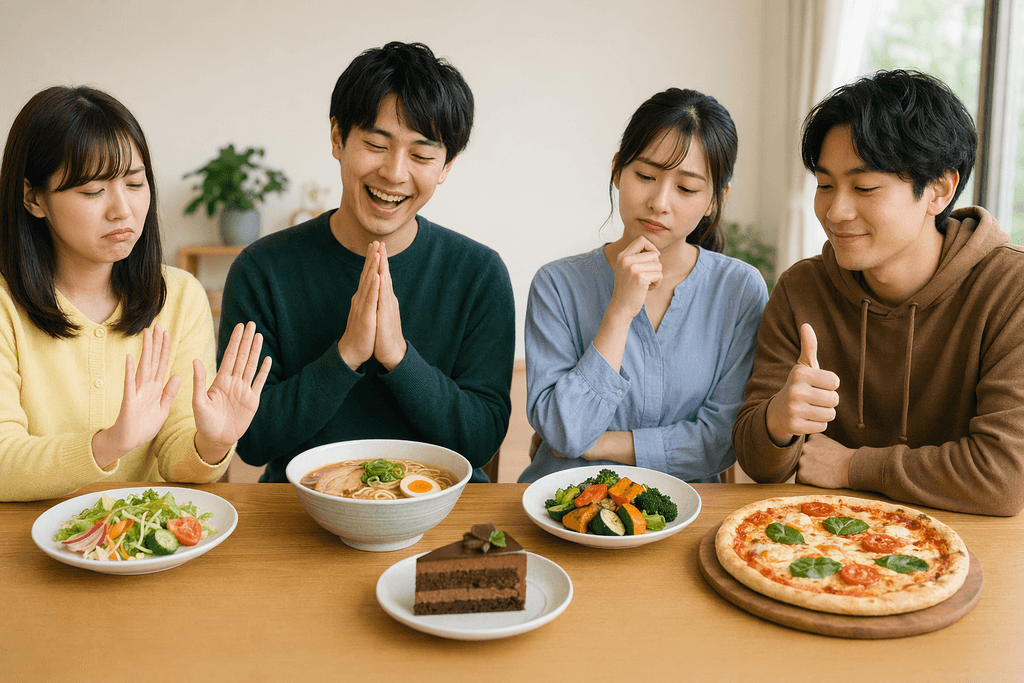
好きずき
आफ्नो रुचिको कुरा
好きずき
आफ्नो रुचिको कुरा
Explanation
好きずき
आफ्नो रुचिको कुरा
好きずき
व्यक्तिगत रुचि / पसन्दको विषय / रुचि अनुसार फरकपर्ने कुरा
Word Forms
The basic and commonly used forms of this adjectival noun.
Basic forms
| Form | Word form | Usage |
|---|---|---|
| Imperfective form (mizenkei) | Used in forms such as darou. | |
| Continuative form (renyokei) |
Alternative:
好き好きに
|
Used with de or ni. |
| Conclusive form (shushikei) | Ends a sentence with da. | |
| Attributive form (rentaikei) |
Alternative:
好き好きの
|
Modifies a noun with na. |
| Conditional form (kateikei) | Expresses a condition with nara. | |
| Imperative form (meireikei) | Used in formal expressions such as de are. |
Common forms
| Form | Word form | Usage |
|---|---|---|
| Te-form equivalent | Connects clauses using de. | |
| Ta-form | Expresses the past with datta. | |
| Nai-form |
Alternative:
好き好きじゃない
|
Expresses negation with dewa nai or ja nai. |
| Desu-form | Used for polite speech. |
Notes
校舎
विद्यालय भवन
校舎
विद्यालय भवन
Explanation
校舎
विद्यालय भवन
校舎
विद्यालय भवन / स्कूल भवन

( Base form )
( romanization )
( romanization )
( hiragana historical )
( hiragana )
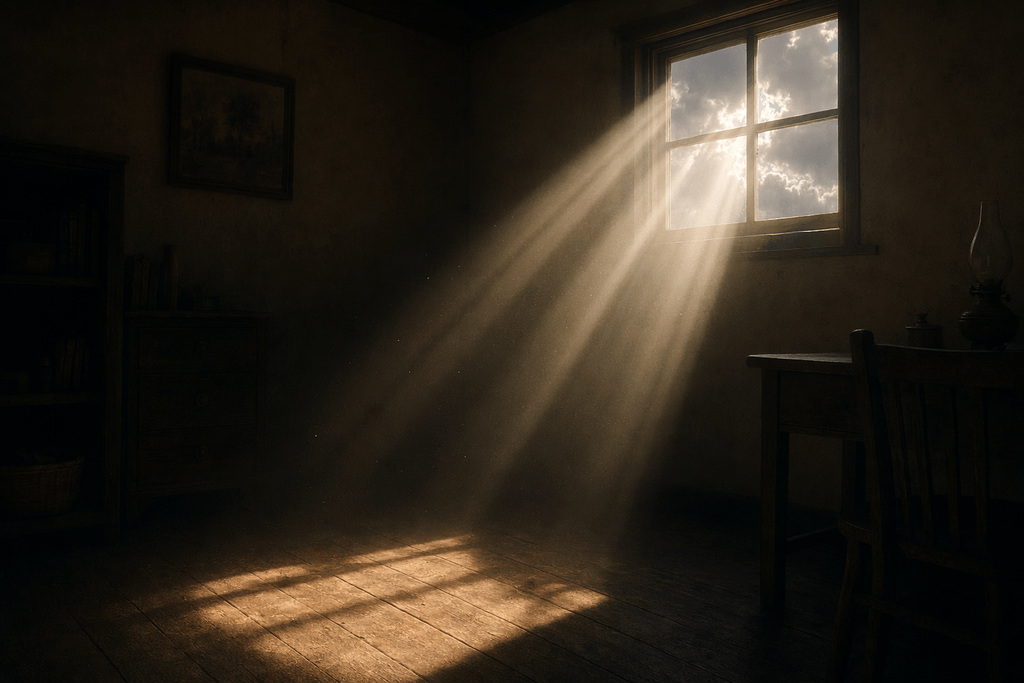
光線
प्रकाश किरण
光線
प्रकाश किरण
Explanation
光線
प्रकाश किरण
光線
प्रकाश किरण / किरण / किरणपुञ्ज
( Base form )
( romanization )
( hiragana )
岬
अन्तरीप
岬
अन्तरीप
Explanation
岬
अन्तरीप
岬
अन्तरीप / समुद्रतर्फ अगाडि निस्किएको भूभाग

( romanization )
( hiragana )
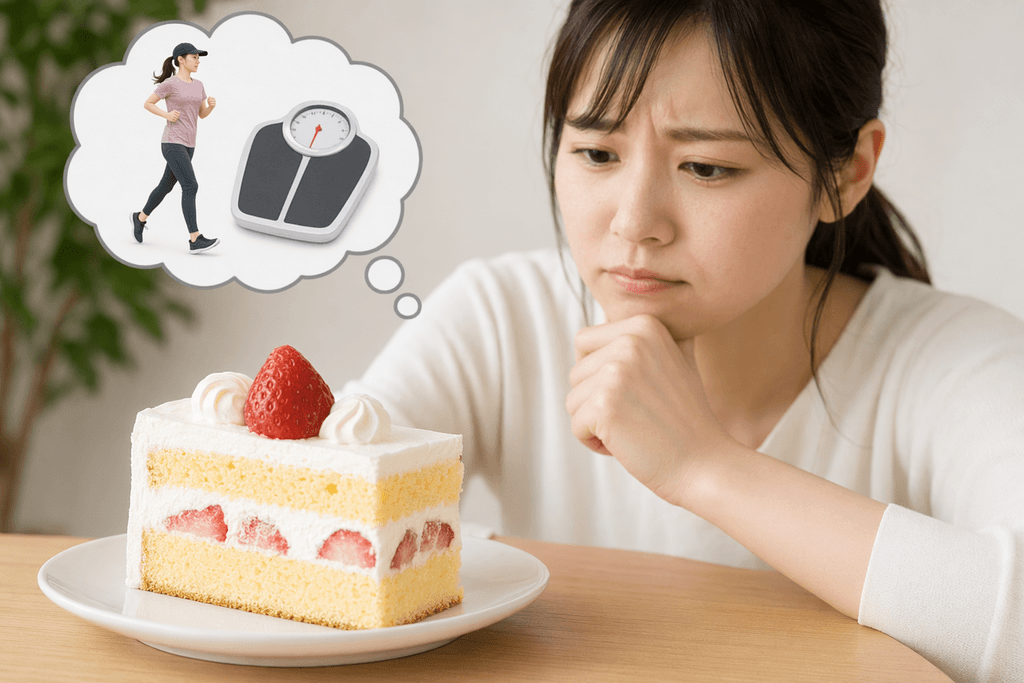
カロリー
क्यालोरी
カロリー
क्यालोरी
Explanation
क्यालोरी
カロリー
ऊर्जाको मापन एकाइ / खानाबाट शरीरले प्राप्त गर्ने ऊर्जाको मात्रा / खाद्यपदार्थको ऊर्जा सूचक
( romanization )
皮肉
व्यङ्ग्य / विडम्बना
皮肉
व्यङ्ग्य / विडम्बना
Explanation
皮肉
व्यङ्ग्य / विडम्बना
皮肉
व्यंग्य / कटाक्ष / विडम्बना

( Base form )
( romanization )
( adnominal )
( adverbial )
( hiragana )
( table-tags )
( inflection-template )
( imperfective stem )
( imperfective stem )
( imperfective )
( continuative stem )
( continuative stem )
( continuative )
( stem terminative )
( stem terminative )
( terminative )
( attributive stem )
( attributive stem )
( attributive )
( hypothetical stem )
( hypothetical stem )
( hypothetical )
( Imperative stem )
( Imperative stem )
( Imperative )
( informal negative )
( informal negative )
( informal negative )
( informal negative )
( informal negative )
( informal negative )
( informal Past )
( informal Past )
( informal Past )
( informal negative Past )
( informal negative Past )
( informal negative Past )
( informal negative Past )
( informal negative Past )
( informal negative Past )
( formal )
( formal )
( formal )
( formal negative )
( formal negative )
( formal negative )
( formal negative )
( formal negative )
( formal negative )
( formal Past )
( formal Past )
( formal Past )
( formal negative Past )
( formal negative Past )
( formal negative Past )
( formal negative Past )
( formal negative Past )
( formal negative Past )
( conjunctive )
( conjunctive )
( conjunctive )
( Conditional )
( Conditional )
( Conditional )
( Conditional Past )
( Conditional Past )
( Conditional Past )
( volitional )
( volitional )
( volitional )
( adverbial )
( adverbial )
( adverbial )
( noun-from-adj )
( noun-from-adj )
( noun-from-adj )
教わる
सिकाइ पाउनु
教わる
सिकाइ पाउनु
Explanation
教わる
सिकाइ पाउनु
教わる
सिकाइ पाउनु / कसैबाट सिक्नु / पढाइ पाउनु

Word Forms
The basic and commonly used forms of this verb.
Basic forms
| Form | Word form | Usage |
|---|---|---|
| Imperfective form (mizenkei) |
Alternative:
教わろ
|
Connects to endings such as nai, reru, and seru. |
| Continuative form (renyokei) | Connects to endings such as masu, tai, and ta. | |
| Conclusive form (shushikei) | Ends a sentence and serves as the dictionary form. | |
| Attributive form (rentaikei) | Modifies a noun. | |
| Conditional form (kateikei) | Combines with ba to express a condition. | |
| Imperative form (meireikei) | Expresses a command or instruction. |
Common forms
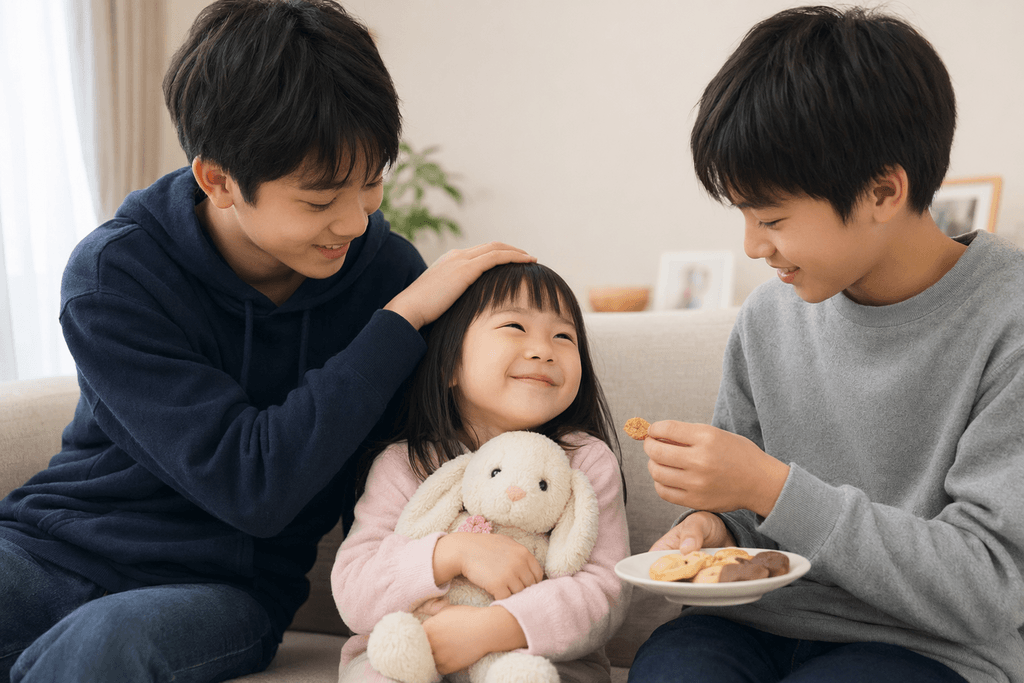
末っ子
कान्छो सन्तान
末っ子
कान्छो सन्तान
Explanation
末っ子
कान्छो सन्तान
末っ子
परिवारको सबैभन्दा कान्छो सन्तान / घरको कान्छो बच्चा / कनिष्ठ सन्तान
( Base form )
( romanization )
( hiragana )
貸し出し
सापटी दिने काम
貸し出し
सापटी दिने काम
Explanation
貸し出し
सापटी दिने काम
貸し出し
उधारो दिने कार्य / ऋण प्रदान गर्ने सेवा / उधारो/ऋण (लिएको रकम वा वस्तु)

( Base form )
( romanization )
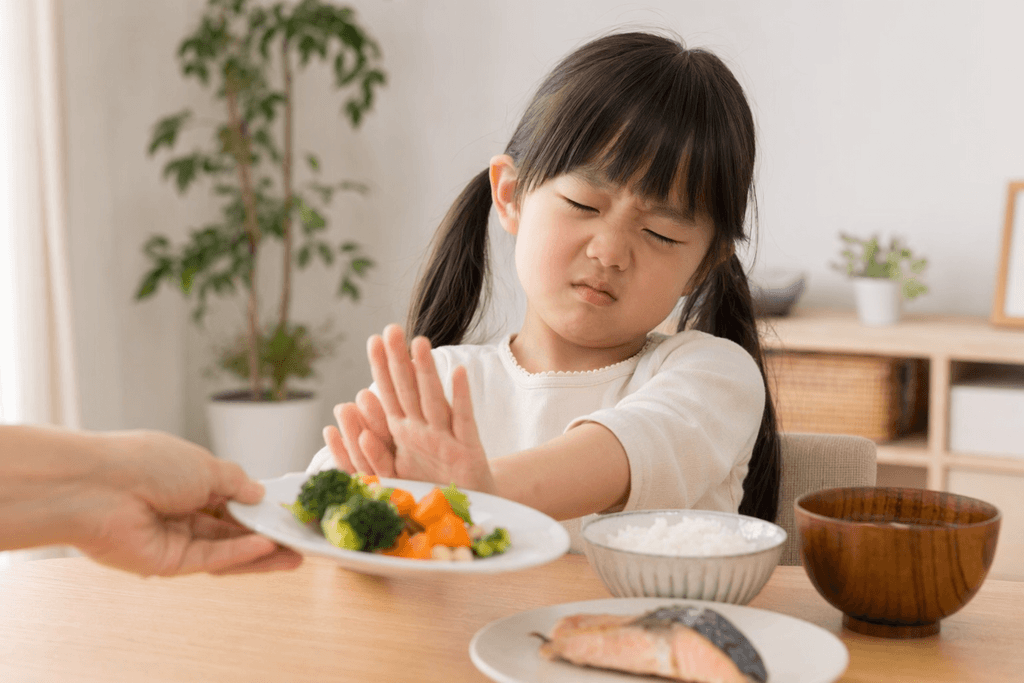
嫌がる
मन नपराएको देखाउनु
嫌がる
मन नपराएको देखाउनु
Explanation
嫌がる
मन नपराएको देखाउनु
嫌がる
मन नपराउनु / अनिच्छुक हुनु / टार्नु
Word Forms
The basic and commonly used forms of this verb.
Basic forms
| Form | Word form | Usage |
|---|---|---|
| Imperfective form (mizenkei) |
Alternative:
嫌がろ
|
Connects to endings such as nai, reru, and seru. |
| Continuative form (renyokei) |
Alternative:
嫌がっ
|
Connects to endings such as masu, tai, and ta. |
| Conclusive form (shushikei) | Ends a sentence and serves as the dictionary form. | |
| Attributive form (rentaikei) | Modifies a noun. | |
| Conditional form (kateikei) | Combines with ba to express a condition. | |
| Imperative form (meireikei) | Expresses a command or instruction. |
Common forms
Loading...

JLPT N2 多言語単語帳・1790語 / JLPT N2 Multilingual Vocabulary: 1790 Words

Jonathan Waller 氏の JLPT Resources の語彙リスト・レベル分類を出典とし、CC BY の条件に従って DiQt が学習者向けに意味を作り直した1790語の単語帳です。JLPT公式の語彙リストではありません。
This collection of 1790 words is based on the vocabulary list and level classifications in Jonathan Waller’s JLPT Resources under CC BY, with meanings rewritten by DiQt for learners. It is not an official JLPT vocabulary list.
Key Operations
Select the first quiz:
Ctrl + Enter
View Explanation:Ctrl + G
Close a feedback:Esc
When selecting a quiz
Answer:Enter
Select a choice:↓ or ↑
Reading out the question:Ctrl + K
View Hint: Ctrl + M
I don't know: Ctrl + Y



