
JLPT N2 शब्दार्थ अभ्यास - Unsolved

चार विकल्प भएका प्रश्नबाट JLPT N2 का 1790 शब्दका अर्थ नेपालीमा सिक्नुहोस्।
-
थाक्नु / जीर्ण हुनु
-
पातलो पार्नु
-
पछुताउनु / शोक गर्नु
-
शुल्क लाग्ने
-
मुद्रा
-
पाइलाको छाप
-
ज्वालामुखी विस्फोट
-
सार्न मिल्ने कोठे बार
-
आर्थिक वर्ष / शैक्षिक वर्ष
-
समावेश गर्नु
-
बेर्नु
-
डढ्नु
-
छात्रावास
-
कार्यालयीय भ्रमण
-
जिपर
-
खोजबिन गर्नु / छामछुम गर्नु
-
सुक्खा भुट्नु
-
प्रक्षेपण गर्नु / प्रतिबिम्बित गर्नु
- 「応ずる」は現代語では「応じる」と同様に用いられることが多い。
- 未然形「応ぜ」は主に「応ぜず」「応ぜん」など文語的・改まった用法で見られる。
-
दुवैतिर
-
शरद ऋतुका राता पात
-
फलामे पुल
-
टिपोट लेखन
-
राष्ट्रियता
-
महिनाको पहिलो दस दिन
-
संस्थाको नाममा
-
ज्वालामुखी विस्फोट
-
अन्दाजी आधार
-
सङ्गत गर्नु / प्रेमसम्बन्ध राख्नु
-
छुट्याउनु
-
ओइलाउनु
まとめる
एकै ठाउँमा मिलाउनु / सारांश निकाल्नु
まとめる
एकै ठाउँमा मिलाउनु / सारांश निकाल्नु
Explanation
एकै ठाउँमा मिलाउनु / सारांश निकाल्नु
まとめる
एकत्रित गर्नु / व्यवस्थित गर्नु / सारांश निकाल्नु

Word Forms
The basic and commonly used forms of this verb.
Basic forms
| Form | Word form | Usage |
|---|---|---|
| Imperfective form (mizenkei) |
Alternative:
纏め
|
Connects to endings such as nai, reru, and seru. |
| Continuative form (renyokei) |
Alternative:
纏め
|
Connects to endings such as masu, tai, and ta. |
| Conclusive form (shushikei) |
Alternative:
纏める
|
Ends a sentence and serves as the dictionary form. |
| Attributive form (rentaikei) |
Alternative:
纏める
|
Modifies a noun. |
| Conditional form (kateikei) |
Alternative:
纏めれ
|
Combines with ba to express a condition. |
| Imperative form (meireikei) |
Alternative:
纏めろ
まとめよ
纏めよ
|
Expresses a command or instruction. |
Common forms
| Form | Word form | Usage |
|---|---|---|
| Te-form |
Alternative:
纏めて
|
Connects clauses with te. |
| Ta-form |
Alternative:
纏めた
|
Expresses the past with ta. |
| Nai-form |
Alternative:
纏めない
|
Expresses negation with nai. |
| Masu-form |
Alternative:
纏めます
|
Used for polite speech. |
| Ba-form |
Alternative:
纏めれば
|
Expresses a condition with ba. |
| Volitional form |
Alternative:
纏めよう
|
Expresses intention or invitation. |
両側
दुवैतिर
両側
दुवैतिर
Explanation
両側
दुवैतिर
両側
दुवै छेउ / दुवै तर्फ / दुवै पक्ष

( Base form )
( romanization )
( kyūjitai )
( hiragana )
本部
प्रधान कार्यालय
本部
प्रधान कार्यालय
Explanation
本部
प्रधान कार्यालय
本部
मुख्यालय / केन्द्रीय कार्यालय / प्रधान कार्यालय

( Base form )
( romanization )
( hiragana )
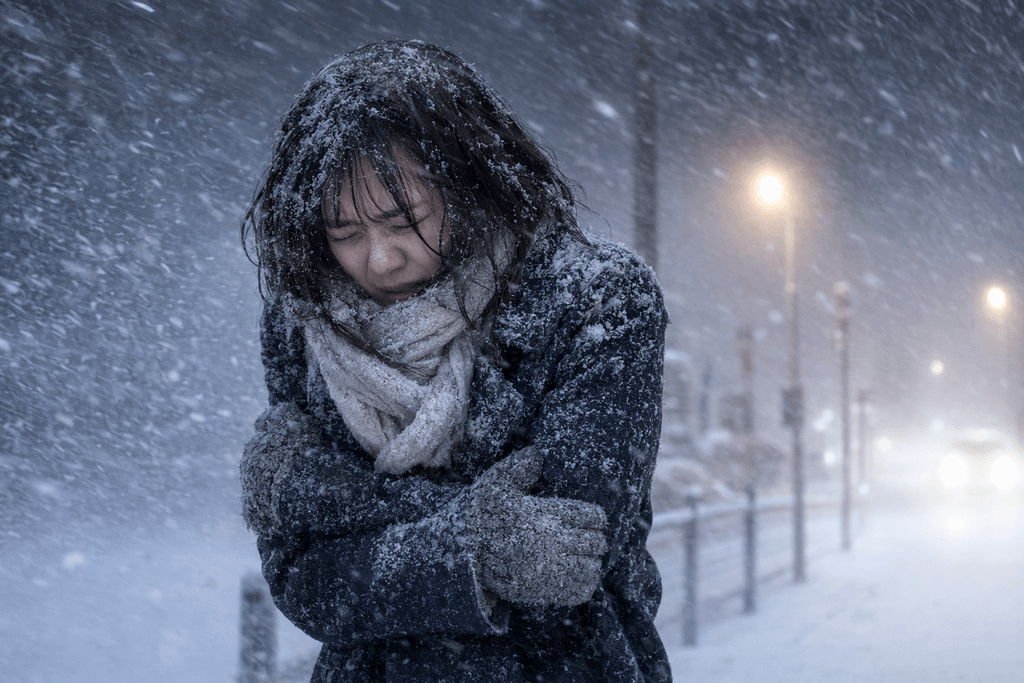
凍える
चिसोले कठ्याङ्ग्रिनु
凍える
चिसोले कठ्याङ्ग्रिनु
Explanation
凍える
चिसोले कठ्याङ्ग्रिनु
凍える
कडा चिसोले जम्नु / चिसोले सुन्निनु / हड्डीसम्म चिसो लाग्नु
Word Forms
The basic and commonly used forms of this verb.
Basic forms
| Form | Word form | Usage |
|---|---|---|
| Imperfective form (mizenkei) | Connects to endings such as nai, reru, and seru. | |
| Continuative form (renyokei) | Connects to endings such as masu, tai, and ta. | |
| Conclusive form (shushikei) | Ends a sentence and serves as the dictionary form. | |
| Attributive form (rentaikei) | Modifies a noun. | |
| Conditional form (kateikei) | Combines with ba to express a condition. | |
| Imperative form (meireikei) |
Alternative:
凍えよ
|
Expresses a command or instruction. |
Common forms
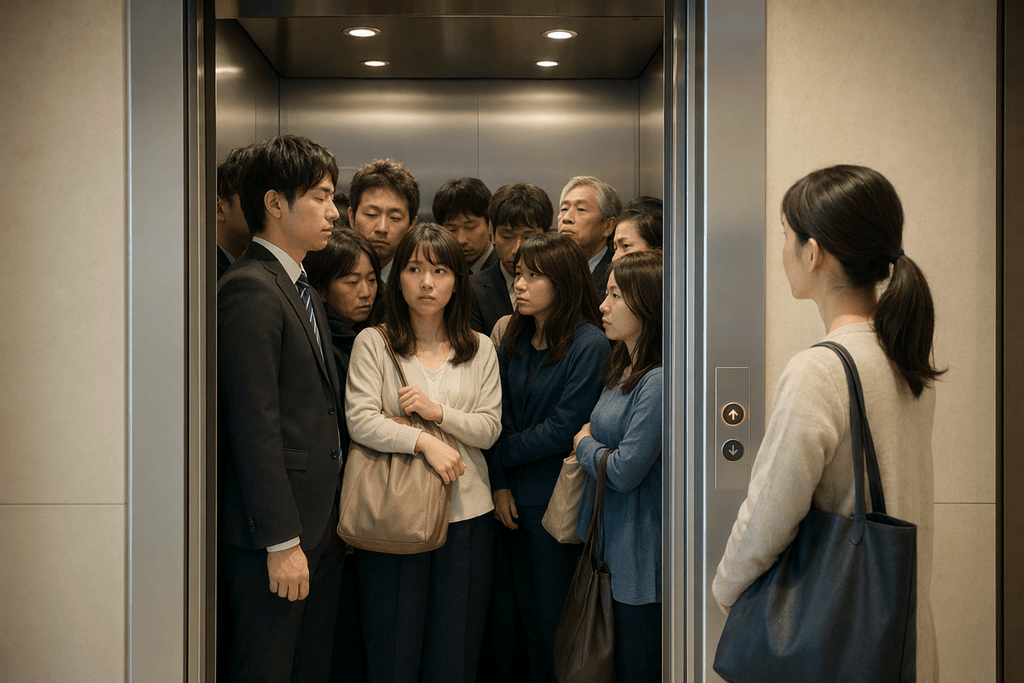
定員
क्षमता / कर्मचारी दरबन्दी
定員
क्षमता / कर्मचारी दरबन्दी
Explanation
定員
क्षमता / कर्मचारी दरबन्दी
定員
अनुमति दिइएको अधिकतम व्यक्तिसंख्या / नियत सदस्य वा कर्मचारी संख्या / व्यक्तिको निर्धारित कोटा
( Base form )
( romanization )
( hiragana )
応ずる
प्रतिक्रिया दिनु / मान्नु
応ずる
प्रतिक्रिया दिनु / मान्नु
Explanation
応ずる
प्रतिक्रिया दिनु / मान्नु
応ずる
उत्तर दिनु / मान्नु वा पालन गर्नु / अनुसार हुनु

Word Forms
The basic and commonly used forms of this verb.
Basic forms
| Form | Word form | Usage |
|---|---|---|
| Imperfective form (mizenkei) |
Alternative:
応ぜ
|
Connects to endings such as nai, reru, and seru. |
| Continuative form (renyokei) | Connects to endings such as masu, tai, and ta. | |
| Conclusive form (shushikei) |
Alternative:
応じる
|
Ends a sentence and serves as the dictionary form. |
| Attributive form (rentaikei) |
Alternative:
応じる
|
Modifies a noun. |
| Conditional form (kateikei) |
Alternative:
応じれ
|
Combines with ba to express a condition. |
| Imperative form (meireikei) |
Alternative:
応じよ
応ぜよ
|
Expresses a command or instruction. |
Common forms
| Form | Word form | Usage |
|---|---|---|
| Te-form | Connects clauses with te. | |
| Ta-form | Expresses the past with ta. | |
| Nai-form |
Alternative:
応ぜない
|
Expresses negation with nai. |
| Masu-form | Used for polite speech. | |
| Ba-form |
Alternative:
応じれば
|
Expresses a condition with ba. |
| Volitional form |
Alternative:
応ぜよう
|
Expresses intention or invitation. |
Notes
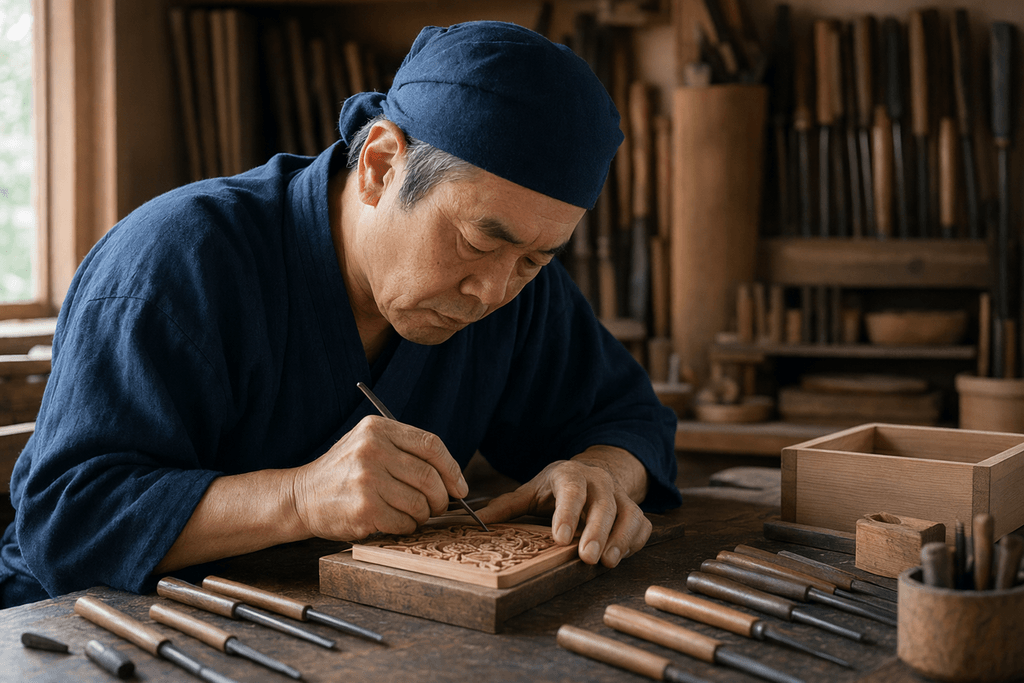
職人
शिल्पकार
職人
शिल्पकार
Explanation
職人
शिल्पकार
職人
कारीगर / शिल्पी / हुनरमन्द कामदार
( Base form )
( romanization )
( hiragana )
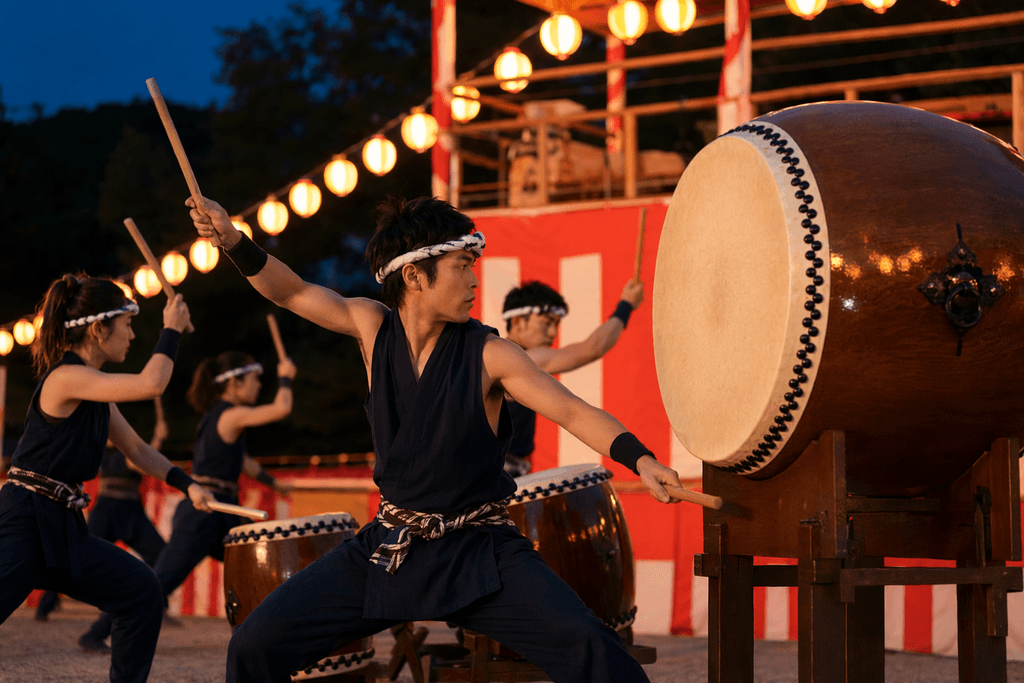
太鼓
ढोल
太鼓
ढोल
Explanation
太鼓
ढोल
太鼓
ढोल / जापानी परम्परागत ढोल (ताइको)
( Base form )
( romanization )
( hiragana )
水筒
पानी बोक्ने बोतल
水筒
पानी बोक्ने बोतल
Explanation
水筒
पानी बोक्ने बोतल
水筒
पानीको बोतल / यात्रा गर्दा पानी बोकेर हिँड्न प्रयोग हुने बोक्न मिल्ने भाँडो

( Base form )
( romanization )
( hiragana )
斬る
तरबारले काट्नु
斬る
तरबारले काट्नु
Explanation
斬る
तरबारले काट्नु
斬る
तरवारले काट्नु / काटेर मार्नु / शिरछेदन गर्नु

Word Forms
The basic and commonly used forms of this verb.
Basic forms
| Form | Word form | Usage |
|---|---|---|
| Imperfective form (mizenkei) |
Alternative:
斬ろ
|
Connects to endings such as nai, reru, and seru. |
| Continuative form (renyokei) | Connects to endings such as masu, tai, and ta. | |
| Conclusive form (shushikei) | Ends a sentence and serves as the dictionary form. | |
| Attributive form (rentaikei) | Modifies a noun. | |
| Conditional form (kateikei) | Combines with ba to express a condition. | |
| Imperative form (meireikei) | Expresses a command or instruction. |
Common forms
Loading...

JLPT N2 多言語単語帳・1790語 / JLPT N2 Multilingual Vocabulary: 1790 Words

Jonathan Waller 氏の JLPT Resources の語彙リスト・レベル分類を出典とし、CC BY の条件に従って DiQt が学習者向けに意味を作り直した1790語の単語帳です。JLPT公式の語彙リストではありません。
This collection of 1790 words is based on the vocabulary list and level classifications in Jonathan Waller’s JLPT Resources under CC BY, with meanings rewritten by DiQt for learners. It is not an official JLPT vocabulary list.
Key Operations
Select the first quiz:
Ctrl + Enter
View Explanation:Ctrl + G
Close a feedback:Esc
When selecting a quiz
Answer:Enter
Select a choice:↓ or ↑
Reading out the question:Ctrl + K
View Hint: Ctrl + M
I don't know: Ctrl + Y



