
JLPT N2 शब्दार्थ अभ्यास - Unsolved

चार विकल्प भएका प्रश्नबाट JLPT N2 का 1790 शब्दका अर्थ नेपालीमा सिक्नुहोस्।
-
रोकावट / निलम्बन
-
अङ्क
-
व्यङ्ग्य / विडम्बना
-
स्थानीय विशेष उत्पादन
-
सूत्र / आधिकारिक
-
विरोध
-
तथ्याङ्क
-
सरकारी कार्यालय
-
सुमो कुस्ती
-
मालिस गर्नु / कच्याककुचुक पार्नु
-
फल लाग्नु / पाक्नु
-
अरूलाई लुगा लगाइदिनु
- ラ行五段活用の複合動詞。表記ゆれとして「通り掛かる」がある。
-
फन्को मार्नु / सम्बन्धित हुनु
-
उचाल्नु / तेलमा डुबाएर तार्नु
-
नजिक ल्याउनु / बटुल्नु
-
प्रतिस्थापन / पालो फेरबदल
-
पलक
-
खाली ठाउँ / चिरा
-
तार
-
रजिस्ट्री पत्र
-
गति
-
रेल परिचालक
-
विधेयक पारित
-
लास
-
नीति
-
पसल
-
परीक्षामा अनुत्तीर्ण हुनु / कक्षामा अनुत्तीर्ण हुनु
-
नजिक ल्याउनु / नजिक आउन दिनु
-
अपनाउनु / टिप्नु
-
घुसाउनु
綱
मोटो डोरी
綱
मोटो डोरी
Explanation
綱
मोटो डोरी
綱
डोरी / सुमोको समारोहिक कमरबन्द

( romanization )
( hiragana )
差し引き
कटौती / बाँकी रकम
差し引き
कटौती / बाँकी रकम
Explanation
差し引き
कटौती / बाँकी रकम
差し引き
कटौती / घटाइ / बाँकी रकम

工員
कारखाना कामदार
工員
कारखाना कामदार
Explanation
工員
कारखाना कामदार
工員
कारखानामा काम गर्ने व्यक्ति / कारखाना कामदार / कारखाना श्रमिक

( Base form )
( romanization )
( hiragana )
通りかかる
संयोगले बाटो पर्नु
通りかかる
संयोगले बाटो पर्नु
Explanation
通りかかる
संयोगले बाटो पर्नु
通りかかる
अनायासै बाटो भएर जानु / जाँदै गर्दा कुनै ठाउँको छेउबाट गुज्रिनु / अकस्मात् त्यहीँबाट गुज्रिनु

Word Forms
The basic and commonly used forms of this verb.
Basic forms
| Form | Word form | Usage |
|---|---|---|
| Imperfective form (mizenkei) |
Alternative:
通り掛から
通りかかろ
通り掛かろ
|
Connects to endings such as nai, reru, and seru. |
| Continuative form (renyokei) |
Alternative:
通り掛かり
通りかかっ
通り掛かっ
|
Connects to endings such as masu, tai, and ta. |
| Conclusive form (shushikei) |
Alternative:
通り掛かる
|
Ends a sentence and serves as the dictionary form. |
| Attributive form (rentaikei) |
Alternative:
通り掛かる
|
Modifies a noun. |
| Conditional form (kateikei) |
Alternative:
通り掛かれ
|
Combines with ba to express a condition. |
| Imperative form (meireikei) |
Alternative:
通り掛かれ
|
Expresses a command or instruction. |
Common forms
| Form | Word form | Usage |
|---|---|---|
| Te-form |
Alternative:
通り掛かって
|
Connects clauses with te. |
| Ta-form |
Alternative:
通り掛かった
|
Expresses the past with ta. |
| Nai-form |
Alternative:
通り掛からない
|
Expresses negation with nai. |
| Masu-form |
Alternative:
通り掛かります
|
Used for polite speech. |
| Ba-form |
Alternative:
通り掛かれば
|
Expresses a condition with ba. |
| Volitional form |
Alternative:
通り掛かろう
|
Expresses intention or invitation. |
Notes
どく
छेउ लाग्नु
どく
छेउ लाग्नु
Explanation
छेउ लाग्नु
どく
बाटो छोड्नु / पन्छिनु / किनारतिर हट्नु

Word Forms
The basic and commonly used forms of this verb.
Basic forms
| Form | Word form | Usage |
|---|---|---|
| Imperfective form (mizenkei) |
Alternative:
どこ
|
Connects to endings such as nai, reru, and seru. |
| Continuative form (renyokei) | Connects to endings such as masu, tai, and ta. | |
| Conclusive form (shushikei) | Ends a sentence and serves as the dictionary form. | |
| Attributive form (rentaikei) | Modifies a noun. | |
| Conditional form (kateikei) | Combines with ba to express a condition. | |
| Imperative form (meireikei) | Expresses a command or instruction. |
Common forms
制作
कलात्मक सिर्जना
制作
कलात्मक सिर्जना
Explanation
制作
कलात्मक सिर्जना
制作
उत्पादन / कला/फिल्म आदिको निर्माण / सर्जन

( Base form )
( romanization )
( stem )
( Past )
( table-tags )
( inflection-template )
( imperfective stem )
( imperfective stem )
( imperfective )
( continuative stem )
( continuative stem )
( continuative )
( stem terminative )
( stem terminative )
( terminative )
( attributive stem )
( attributive stem )
( attributive )
( hypothetical stem )
( hypothetical stem )
( hypothetical )
( Imperative literary stem )
( colloquial Imperative stem )
( Imperative literary stem )
( colloquial Imperative stem )
( Imperative literary )
( colloquial Imperative )
( Passive voice )
( Passive voice )
( Passive voice )
( causative )
( causative )
( causative )
( causative )
( causative )
( causative )
( potential )
( potential )
( potential )
( volitional )
( volitional )
( volitional )
( negative )
( negative )
( negative )
( continuative negative )
( continuative negative )
( continuative negative )
( formal )
( formal )
( formal )
( perfective )
( perfective )
( perfective )
( conjunctive )
( conjunctive )
( conjunctive )
( Conditional hypothetical )
( Conditional hypothetical )
( Conditional hypothetical )
レンズ
लेन्स
レンズ
लेन्स
Explanation
लेन्स
レンズ
प्रकाशलाई केन्द्रित वा विकेन्द्रित गर्ने पारदर्शी तत्व। / क्यामेरा, चस्मा वा सूक्ष्मदर्शीमा फोकस गर्न प्रयोग हुने घुमावदार शीशा। / आँखामा रहेको फोकस मिलाउने पारदर्शी भाग।

( romanization )
麓
पहाडको फेद
麓
पहाडको फेद
Explanation
麓
पहाडको फेद
麓
पहाडको फेद / पर्वतको फेद / तलहटी
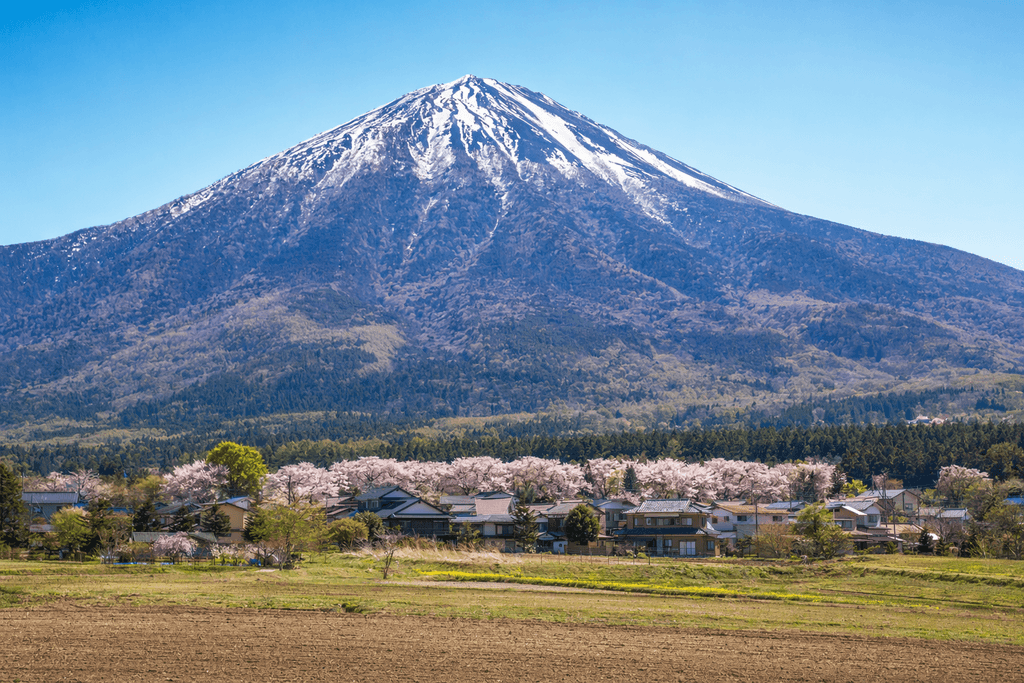
( romanization )
閉会
सभाको समापन
閉会
सभाको समापन
Explanation
閉会
सभाको समापन
閉会
बैठक/सभाको अन्त्य / अधिवेशनको समापन / प्रतियोगिताको समापन
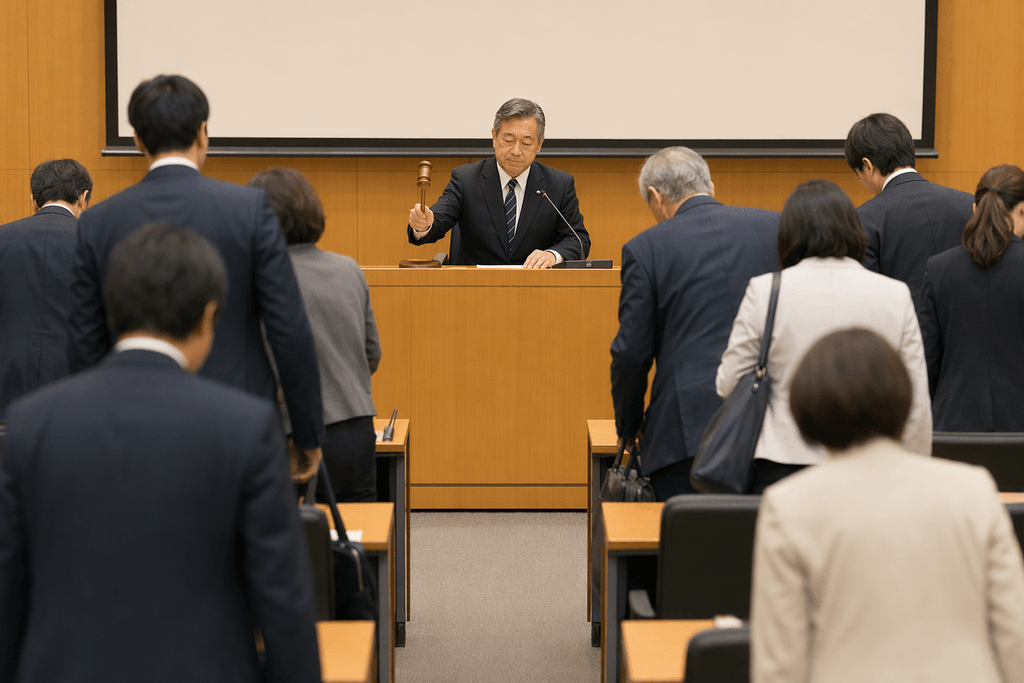
( Base form )
( romanization )
( kyūjitai )
( hiragana )
余る
बढी हुनु
余る
बढी हुनु
Explanation
余る
बढी हुनु
余る
बाँकी रहनु / अतिरिक्त हुनु / अत्यधिक हुनु

Word Forms
The basic and commonly used forms of this verb.
Basic forms
| Form | Word form | Usage |
|---|---|---|
| Imperfective form (mizenkei) |
Alternative:
余ろ
|
Connects to endings such as nai, reru, and seru. |
| Continuative form (renyokei) | Connects to endings such as masu, tai, and ta. | |
| Conclusive form (shushikei) | Ends a sentence and serves as the dictionary form. | |
| Attributive form (rentaikei) | Modifies a noun. | |
| Conditional form (kateikei) | Combines with ba to express a condition. | |
| Imperative form (meireikei) | Expresses a command or instruction. |
Common forms
Loading...

JLPT N2 多言語単語帳・1790語 / JLPT N2 Multilingual Vocabulary: 1790 Words

Jonathan Waller 氏の JLPT Resources の語彙リスト・レベル分類を出典とし、CC BY の条件に従って DiQt が学習者向けに意味を作り直した1790語の単語帳です。JLPT公式の語彙リストではありません。
This collection of 1790 words is based on the vocabulary list and level classifications in Jonathan Waller’s JLPT Resources under CC BY, with meanings rewritten by DiQt for learners. It is not an official JLPT vocabulary list.
Key Operations
Select the first quiz:
Ctrl + Enter
View Explanation:Ctrl + G
Close a feedback:Esc
When selecting a quiz
Answer:Enter
Select a choice:↓ or ↑
Reading out the question:Ctrl + K
View Hint: Ctrl + M
I don't know: Ctrl + Y



