
JLPT N2 शब्दार्थ अभ्यास - Unsolved

चार विकल्प भएका प्रश्नबाट JLPT N2 का 1790 शब्दका अर्थ नेपालीमा सिक्नुहोस्।
-
साथमा ल्याउने काम
-
पाहुना स्वागत
-
मुकुट
-
न्यानो पार्नु
-
अह्राउनु / उजुरी लगाउनु
-
बस्नु
-
शान्त हुनु / स्थिर हुनु
-
भात पकाउनु
-
पाल्तु हुनु
- 「組立てる」は表記ゆれ。
-
अन्त्येष्टि
-
स्प्रिङ
-
समान दर्जा / समानाधिकरण
-
दुर्लभ
-
सुडौल / आकर्षक पहिरनको
-
मोटामोटी / लापरवाह
-
दृढ
-
प्रसन्न
-
कडा / चुस्त
-
बाधा
-
महिला
-
शारीरिक मुद्रा / रवैया
-
पार गर्नु / नाघ्नु
-
उम्रिनु
-
नजिक जानु
-
अहिलेलाई
-
मुटु ढुकढुक
-
सायद
-
नाफा नोक्सान
-
बाफ / वाष्प
-
परीक्षा दिने काम
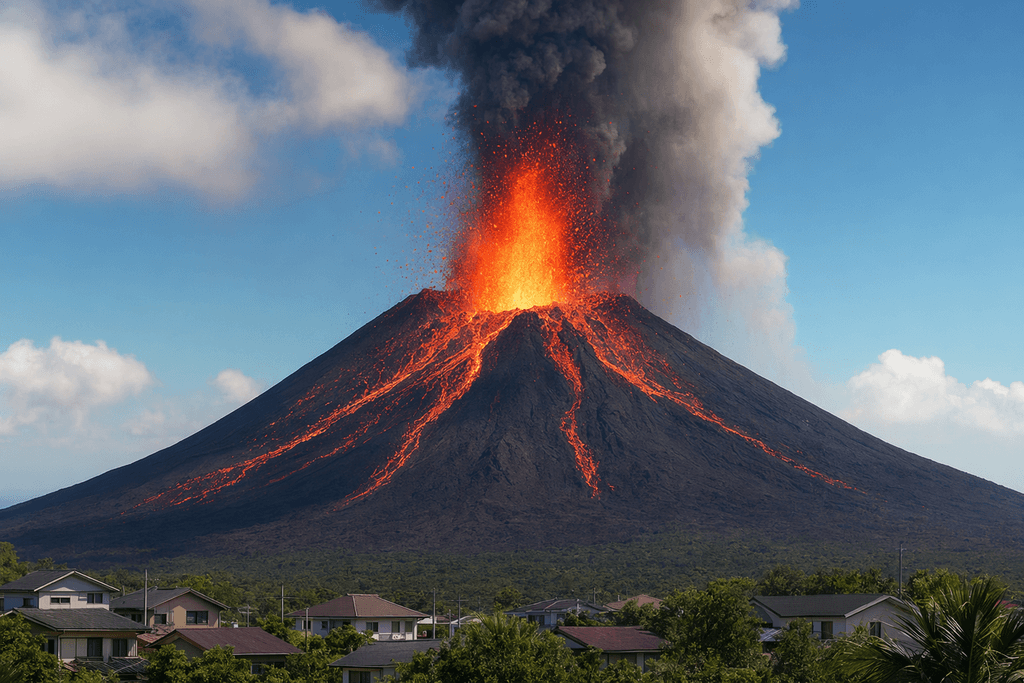
火山
ज्वालामुखी
火山
ज्वालामुखी
Explanation
火山
ज्वालामुखी
火山
लावा, खरानी वा ग्यास बाहिर निस्कने पहाड / ज्वालामुखीय उद्गार हुने पर्वत / सक्रिय वा निष्क्रिय लावा उद्गार गर्ने पहाड
( Base form )
( romanization )
( hiragana )
しびれる
झमझमाउनु
しびれる
झमझमाउनु
Explanation
झमझमाउनु
しびれる
(शरीरको भाग) सुन्निनु / झनझनी लाग्नु / संवेदना हराउनु

Word Forms
The basic and commonly used forms of this verb.
Basic forms
| Form | Word form | Usage |
|---|---|---|
| Imperfective form (mizenkei) |
Alternative:
痺れ
|
Connects to endings such as nai, reru, and seru. |
| Continuative form (renyokei) |
Alternative:
痺れ
|
Connects to endings such as masu, tai, and ta. |
| Conclusive form (shushikei) |
Alternative:
痺れる
|
Ends a sentence and serves as the dictionary form. |
| Attributive form (rentaikei) |
Alternative:
痺れる
|
Modifies a noun. |
| Conditional form (kateikei) |
Alternative:
痺れれ
|
Combines with ba to express a condition. |
| Imperative form (meireikei) |
Alternative:
痺れろ
しびれよ
痺れよ
|
Expresses a command or instruction. |
Common forms
| Form | Word form | Usage |
|---|---|---|
| Te-form |
Alternative:
痺れて
|
Connects clauses with te. |
| Ta-form |
Alternative:
痺れた
|
Expresses the past with ta. |
| Nai-form |
Alternative:
痺れない
|
Expresses negation with nai. |
| Masu-form |
Alternative:
痺れます
|
Used for polite speech. |
| Ba-form |
Alternative:
痺れれば
|
Expresses a condition with ba. |
| Volitional form |
Alternative:
痺れよう
|
Expresses intention or invitation. |
組み立てる
जोडेर बनाउनु
組み立てる
जोडेर बनाउनु
Explanation
組み立てる
जोडेर बनाउनु
組み立てる
जोडेर बनाउनु / संयोजन गर्नु / निर्माण गर्नु

Word Forms
The basic and commonly used forms of this verb.
Basic forms
| Form | Word form | Usage |
|---|---|---|
| Imperfective form (mizenkei) |
Alternative:
組立て
|
Connects to endings such as nai, reru, and seru. |
| Continuative form (renyokei) |
Alternative:
組立て
|
Connects to endings such as masu, tai, and ta. |
| Conclusive form (shushikei) |
Alternative:
組立てる
|
Ends a sentence and serves as the dictionary form. |
| Attributive form (rentaikei) |
Alternative:
組立てる
|
Modifies a noun. |
| Conditional form (kateikei) |
Alternative:
組立てれ
|
Combines with ba to express a condition. |
| Imperative form (meireikei) |
Alternative:
組み立てよ
組立てろ
組立てよ
|
Expresses a command or instruction. |
Common forms
| Form | Word form | Usage |
|---|---|---|
| Te-form |
Alternative:
組立てて
|
Connects clauses with te. |
| Ta-form |
Alternative:
組立てた
|
Expresses the past with ta. |
| Nai-form |
Alternative:
組立てない
|
Expresses negation with nai. |
| Masu-form |
Alternative:
組立てます
|
Used for polite speech. |
| Ba-form |
Alternative:
組立てれば
|
Expresses a condition with ba. |
| Volitional form |
Alternative:
組立てよう
|
Expresses intention or invitation. |
Notes
加速
गति बढाउने काम
加速
गति बढाउने काम
Explanation
加速
गति बढाउने काम
加速
त्वरण / गति वृद्धि / प्रक्रिया वा प्रगतिलाई छिटो बनाउने कार्य

( Base form )
( romanization )
( hiragana )
膨大
विशाल
膨大
विशाल
Explanation
膨大
विशाल
膨大
अत्यन्त ठूलो / फुलेको र ठूलो

Word Forms
The basic and commonly used forms of this adjectival noun.
Basic forms
| Form | Word form | Usage |
|---|---|---|
| Imperfective form (mizenkei) | Used in forms such as darou. | |
| Continuative form (renyokei) |
Alternative:
膨大に
|
Used with de or ni. |
| Conclusive form (shushikei) | Ends a sentence with da. | |
| Attributive form (rentaikei) | Modifies a noun with na. | |
| Conditional form (kateikei) | Expresses a condition with nara. | |
| Imperative form (meireikei) | Used in formal expressions such as de are. |
Common forms
真っ黒
निख्खर कालो
真っ黒
निख्खर कालो
Explanation
真っ黒
निख्खर कालो
真っ黒
पूर्णतया कालो / घाम वा फोहोरले कालो परेको

Word Forms
The basic and commonly used forms of this adjectival noun.
Basic forms
| Form | Word form | Usage |
|---|---|---|
| Imperfective form (mizenkei) | Used in forms such as darou. | |
| Continuative form (renyokei) |
Alternative:
真っ黒に
|
Used with de or ni. |
| Conclusive form (shushikei) | Ends a sentence with da. | |
| Attributive form (rentaikei) | Modifies a noun with na. | |
| Conditional form (kateikei) |
Alternative:
真っ黒であれば
|
Expresses a condition with nara. |
| Imperative form (meireikei) | Used in formal expressions such as de are. |
Common forms
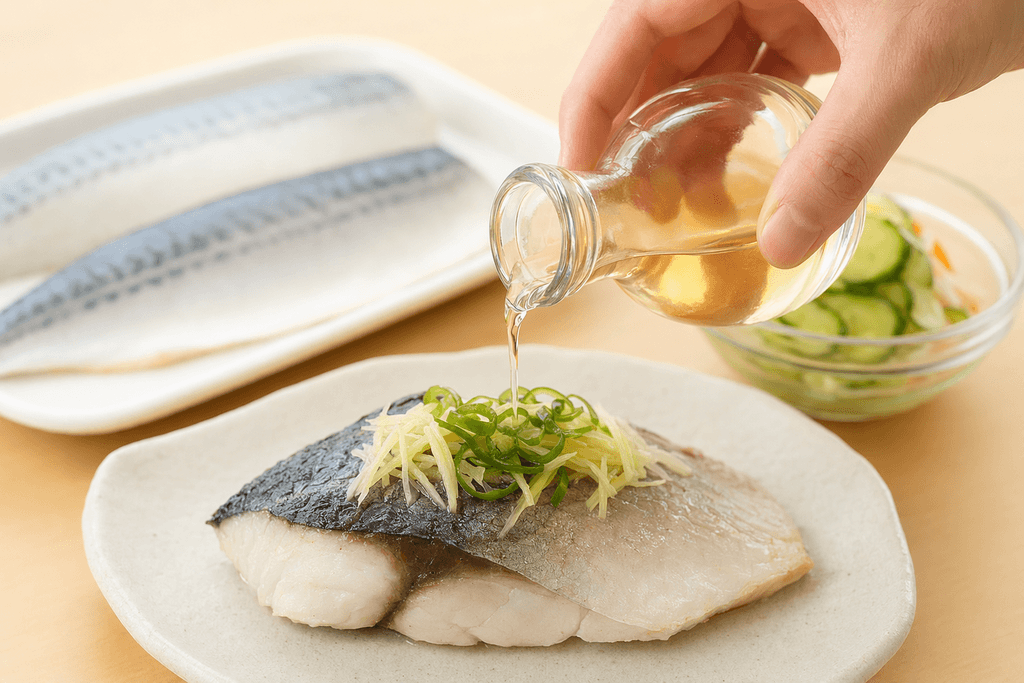
酢
सिरका
酢
सिरका
Explanation
酢
सिरका
酢
सिरका / अमिलो तरल मसला / खाना स्वाद बढाउने अमिलो पदार्थ
取り消す
रद्द गर्नु
取り消す
रद्द गर्नु
Explanation
取り消す
रद्द गर्नु
取り消す
रद्द गर्नु / निरस्त गर्नु / फिर्ता लिनु

Word Forms
The basic and commonly used forms of this verb.
Basic forms
| Form | Word form | Usage |
|---|---|---|
| Imperfective form (mizenkei) |
Alternative:
取り消そ
|
Connects to endings such as nai, reru, and seru. |
| Continuative form (renyokei) | Connects to endings such as masu, tai, and ta. | |
| Conclusive form (shushikei) | Ends a sentence and serves as the dictionary form. | |
| Attributive form (rentaikei) | Modifies a noun. | |
| Conditional form (kateikei) | Combines with ba to express a condition. | |
| Imperative form (meireikei) | Expresses a command or instruction. |
Common forms
ようやく
अन्ततः / मुस्किलले
ようやく
अन्ततः / मुस्किलले
Explanation
अन्ततः / मुस्किलले
ようやく
अन्ततः; आखिरमा / क्रमशः; बिस्तारै / मुश्किले; जेनतेन

( Base form )
( romanization )
( romanization )
( hiragana historical )
能率
कार्यदक्षता
能率
कार्यदक्षता
Explanation
能率
कार्यदक्षता
能率
कार्यक्षमता / भौतिकी: आघूर्ण (बलाघूर्ण)

( Base form )
( romanization )
( hiragana )
Loading...

JLPT N2 多言語単語帳・1790語 / JLPT N2 Multilingual Vocabulary: 1790 Words

Jonathan Waller 氏の JLPT Resources の語彙リスト・レベル分類を出典とし、CC BY の条件に従って DiQt が学習者向けに意味を作り直した1790語の単語帳です。JLPT公式の語彙リストではありません。
This collection of 1790 words is based on the vocabulary list and level classifications in Jonathan Waller’s JLPT Resources under CC BY, with meanings rewritten by DiQt for learners. It is not an official JLPT vocabulary list.
Key Operations
Select the first quiz:
Ctrl + Enter
View Explanation:Ctrl + G
Close a feedback:Esc
When selecting a quiz
Answer:Enter
Select a choice:↓ or ↑
Reading out the question:Ctrl + K
View Hint: Ctrl + M
I don't know: Ctrl + Y



