
JLPT N2 शब्दार्थ अभ्यास - Unsolved

चार विकल्प भएका प्रश्नबाट JLPT N2 का 1790 शब्दका अर्थ नेपालीमा सिक्नुहोस्।
-
साबुन
-
हेराइ
-
कार्यसम्पादन क्षमता / मेसिनको सामर्थ्य
-
पानी उघाउनु
-
गन्ध आउनु / दुर्गन्ध आउनु
-
खाना पस्कनु / थुपार्नु
-
खोज्नु
-
छुनु / व्यवहार गर्नु
-
बसिरहनु / रोकिनु
- 五段活用(ラ行)。「祭る」は祭礼を行う意でも用い、「祀る」は神仏・祖先などをまつる意で用いられることが多い。
-
माथिल्ला तह / अग्लो भवन
-
विस्तार
-
स्तम्भ / भर्ने ठाउँ
-
भ्याइनभ्याइ
-
कुरूप
-
शङ्कास्पद / अनिश्चित
-
ज्योतिष हेर्नु
-
घुलमिल हुनु / घुल्नु
-
सन्देश पठाउनु
-
होसियार हुनु
-
पर्याप्त हुनु
-
चिसिनु / सेलाउनु
-
खिया
-
स्केल
-
उपत्यका
-
साइरन
-
माथिल्ला तह / अग्लो भवन
-
छपाइको अक्षर
-
थाहा पाउनु / सोच्नु
-
मुखमा च्याप्नु
-
फुलाउनु
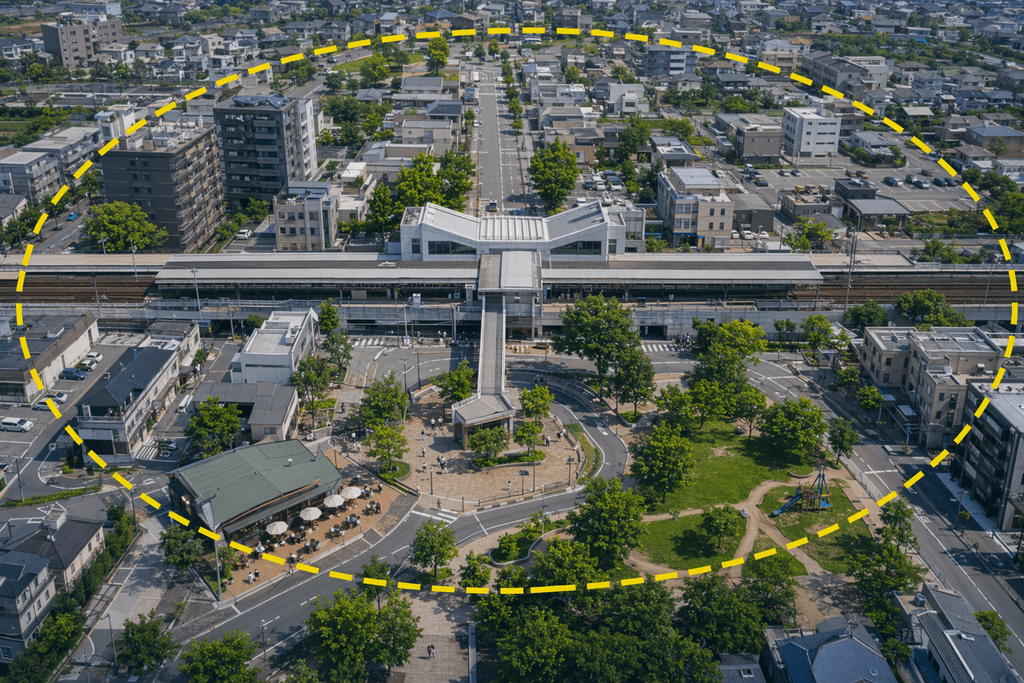
周辺
वरपरको क्षेत्र
周辺
वरपरको क्षेत्र
Explanation
周辺
वरपरको क्षेत्र
周辺
वरिपरि वा छेउछाउको क्षेत्र / परिधि (गणित) / परिधीय उपकरण (कम्प्युटर)
( Base form )
( romanization )
( kyūjitai )
( hiragana )
目指す
लक्ष्य राख्नु
目指す
लक्ष्य राख्नु
Explanation
目指す
लक्ष्य राख्नु
目指す
लक्ष्य बनाउनु; ध्येय राख्नु / तर्फ लाग्नु; दिशातर्फ जानु

Word Forms
The basic and commonly used forms of this verb.
Basic forms
| Form | Word form | Usage |
|---|---|---|
| Imperfective form (mizenkei) |
Alternative:
目指そ
|
Connects to endings such as nai, reru, and seru. |
| Continuative form (renyokei) | Connects to endings such as masu, tai, and ta. | |
| Conclusive form (shushikei) | Ends a sentence and serves as the dictionary form. | |
| Attributive form (rentaikei) | Modifies a noun. | |
| Conditional form (kateikei) | Combines with ba to express a condition. | |
| Imperative form (meireikei) | Expresses a command or instruction. |
Common forms
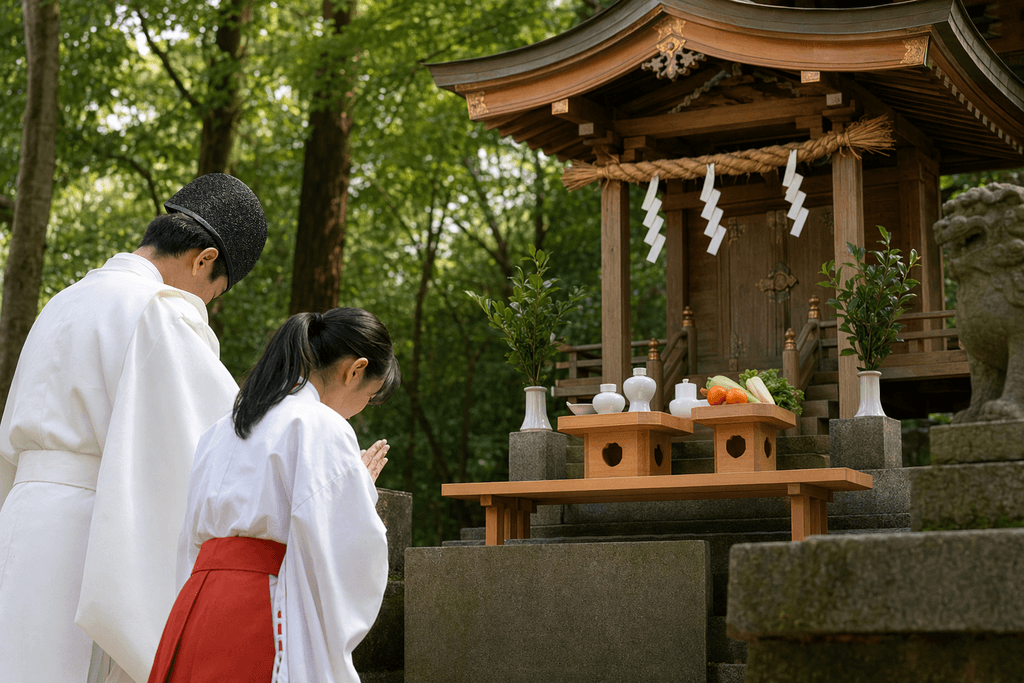
祭る
प्रतिष्ठापना गर्नु / पूजा गर्नु
祭る
प्रतिष्ठापना गर्नु / पूजा गर्नु
Explanation
祭る
प्रतिष्ठापना गर्नु / पूजा गर्नु
祭る
देवी–देवतालाई प्रतिष्ठा गर्नु / देवत्व प्रदान गर्नु / विधि-विधान गरेर पूजा गर्नु
Word Forms
The basic and commonly used forms of this verb.
Basic forms
| Form | Word form | Usage |
|---|---|---|
| Imperfective form (mizenkei) |
Alternative:
祀ら
祭ろ
祀ろ
|
Connects to endings such as nai, reru, and seru. |
| Continuative form (renyokei) |
Alternative:
祀り
|
Connects to endings such as masu, tai, and ta. |
| Conclusive form (shushikei) |
Alternative:
祀る
|
Ends a sentence and serves as the dictionary form. |
| Attributive form (rentaikei) |
Alternative:
祀る
|
Modifies a noun. |
| Conditional form (kateikei) |
Alternative:
祀れ
|
Combines with ba to express a condition. |
| Imperative form (meireikei) |
Alternative:
祀れ
|
Expresses a command or instruction. |
Common forms
| Form | Word form | Usage |
|---|---|---|
| Te-form |
Alternative:
祀って
|
Connects clauses with te. |
| Ta-form |
Alternative:
祀った
|
Expresses the past with ta. |
| Nai-form |
Alternative:
祀らない
|
Expresses negation with nai. |
| Masu-form |
Alternative:
祀ります
|
Used for polite speech. |
| Ba-form |
Alternative:
祀れば
|
Expresses a condition with ba. |
| Volitional form |
Alternative:
祀ろう
|
Expresses intention or invitation. |
Notes
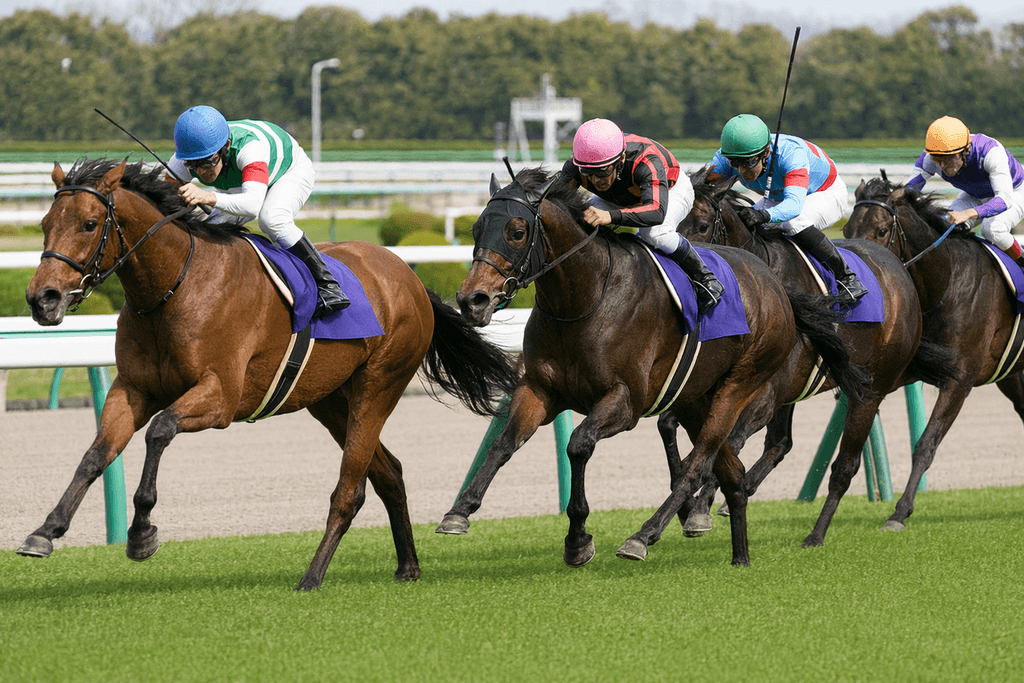
競馬
घोडादौड
競馬
घोडादौड
Explanation
競馬
घोडादौड
競馬
घोडदौड / घोडदौड प्रतियोगिता / अश्व दौड
( Base form )
( romanization )
( hiragana )
甚だしい
अत्यधिक
甚だしい
अत्यधिक
Explanation
甚だしい
अत्यधिक
甚だしい
अत्यधिक / अति तीव्र / खुल्ला रूपमा घोर

Word Forms
The basic and commonly used forms of this adjective.
Basic forms
| Form | Word form | Usage |
|---|---|---|
| Imperfective form (mizenkei) | Used in forms such as karou; mainly literary. | |
| Continuative form (renyokei) |
Alternative:
甚だしかっ
|
Used in forms such as kute and kunai. |
| Conclusive form (shushikei) | Ends a sentence. | |
| Attributive form (rentaikei) | Modifies a noun. | |
| Conditional form (kateikei) | Expresses a condition with kereba. | |
| Imperative form (meireikei) | Rarely used in modern Japanese. |
Common forms
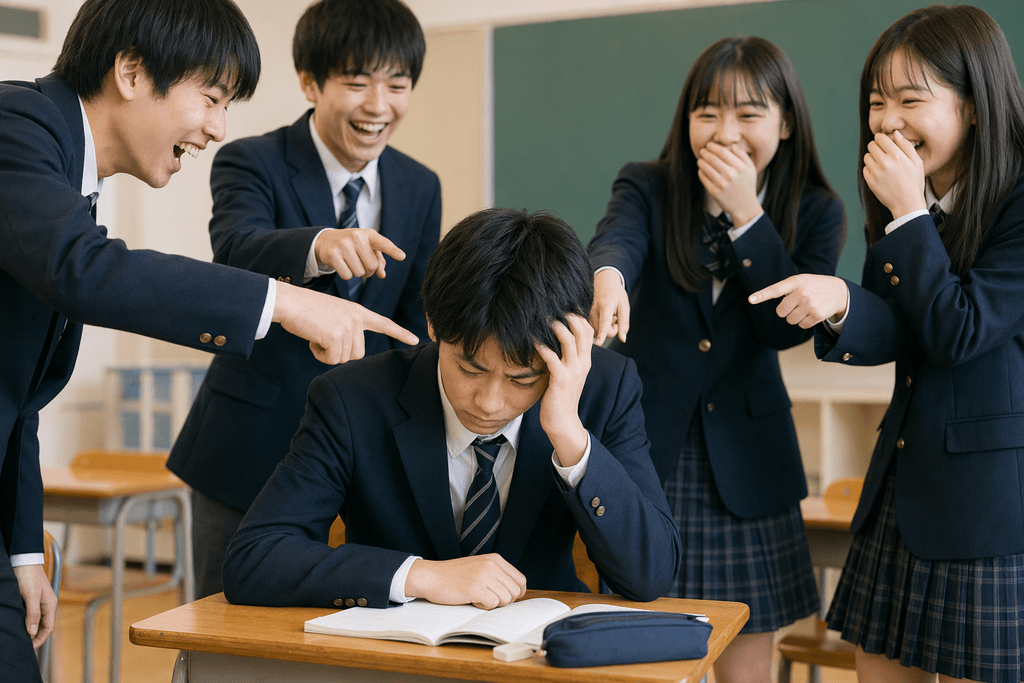
からかう
जिस्क्याउनु
からかう
जिस्क्याउनु
Explanation
जिस्क्याउनु
からかう
जिस्क्याउनु / मजाक गर्नु / रिझ्याउनु
Word Forms
The basic and commonly used forms of this verb.
Basic forms
| Form | Word form | Usage |
|---|---|---|
| Imperfective form (mizenkei) | Connects to endings such as nai, reru, and seru. | |
| Continuative form (renyokei) | Connects to endings such as masu, tai, and ta. | |
| Conclusive form (shushikei) | Ends a sentence and serves as the dictionary form. | |
| Attributive form (rentaikei) | Modifies a noun. | |
| Conditional form (kateikei) | Combines with ba to express a condition. | |
| Imperative form (meireikei) | Expresses a command or instruction. |
Common forms
捻る
बटार्नु / दिमाग खियाउनु
捻る
बटार्नु / दिमाग खियाउनु
Explanation
捻る
बटार्नु / दिमाग खियाउनु
捻る
मरोड्नु / पैचो पार्नु / घुमाउनु

Word Forms
The basic and commonly used forms of this verb.
Basic forms
| Form | Word form | Usage |
|---|---|---|
| Imperfective form (mizenkei) | Connects to endings such as nai, reru, and seru. | |
| Continuative form (renyokei) | Connects to endings such as masu, tai, and ta. | |
| Conclusive form (shushikei) | Ends a sentence and serves as the dictionary form. | |
| Attributive form (rentaikei) | Modifies a noun. | |
| Conditional form (kateikei) | Combines with ba to express a condition. | |
| Imperative form (meireikei) | Expresses a command or instruction. |
Common forms
中指
माझी औँला
中指
माझी औँला
Explanation
中指
माझी औँला
中指
मध्य औंला / बीचको औंला / मध्यम औंला

( Base form )
( romanization )
( hiragana )
梯子
भर्याङ
梯子
भर्याङ
Explanation
梯子
भर्याङ
梯子
चढ्न-ओर्लिन प्रयोग हुने पोर्टेबल सिँढी / दुई किनारामा डण्डी र बीचमा पाइला भएको चढ्ने यन्त्र / अस्थायी काममा टेकाइने चलायमान भर्याङ

( Base form )
( romanization )
( hiragana )
溶かす
पगाल्नु / घोल्नु
溶かす
पगाल्नु / घोल्नु
Explanation
溶かす
पगाल्नु / घोल्नु
溶かす
पगाल्नु / घोल्नु / गलाउनु

Word Forms
The basic and commonly used forms of this verb.
Basic forms
| Form | Word form | Usage |
|---|---|---|
| Imperfective form (mizenkei) |
Alternative:
溶かそ
|
Connects to endings such as nai, reru, and seru. |
| Continuative form (renyokei) | Connects to endings such as masu, tai, and ta. | |
| Conclusive form (shushikei) | Ends a sentence and serves as the dictionary form. | |
| Attributive form (rentaikei) | Modifies a noun. | |
| Conditional form (kateikei) | Combines with ba to express a condition. | |
| Imperative form (meireikei) | Expresses a command or instruction. |
Common forms
Loading...

JLPT N2 多言語単語帳・1790語 / JLPT N2 Multilingual Vocabulary: 1790 Words

Jonathan Waller 氏の JLPT Resources の語彙リスト・レベル分類を出典とし、CC BY の条件に従って DiQt が学習者向けに意味を作り直した1790語の単語帳です。JLPT公式の語彙リストではありません。
This collection of 1790 words is based on the vocabulary list and level classifications in Jonathan Waller’s JLPT Resources under CC BY, with meanings rewritten by DiQt for learners. It is not an official JLPT vocabulary list.
Key Operations
Select the first quiz:
Ctrl + Enter
View Explanation:Ctrl + G
Close a feedback:Esc
When selecting a quiz
Answer:Enter
Select a choice:↓ or ↑
Reading out the question:Ctrl + K
View Hint: Ctrl + M
I don't know: Ctrl + Y



