
JLPT N2 शब्दार्थ अभ्यास - Unsolved

चार विकल्प भएका प्रश्नबाट JLPT N2 का 1790 शब्दका अर्थ नेपालीमा सिक्नुहोस्।
-
चाल / सञ्चालन
-
ठीकअघि
-
वैज्ञानिक नियम / नियम
-
सिलाइ
-
लेखन शैली
-
रद्दी कागज
-
त्यसपछि
-
कतैकतै
-
अन्त्यसम्म / मात्र
-
जैविक वृद्धि
-
प्रक्रिया
-
शून्य अङ्क
-
भित्र्याउनु / अपनाउनु
-
प्रतिक्रिया दिनु / मान्नु
-
सिउनु
-
एकातिर ढल्किनु / पक्षपाती हुनु
-
हराउनु / सिध्याउनु
-
मिलाएर राख्नु / एकरूप बनाउनु
-
थप खाना
-
प्रसिद्ध स्थल
-
मोनोरेल
-
अर्केस्ट्रा
-
समारोह
-
गो खेल
-
भित्र्याउनु / अपनाउनु
-
पुछ्नु
-
उल्ट्याउनु
-
रूप / ढाँचा
-
निर्वात
-
छलफल
作者
लेखक / सर्जक
作者
लेखक / सर्जक
Explanation
作者
लेखक / सर्जक
作者
रचनाकार / सर्जक / लेखक

( Base form )
( romanization )
( hiragana )
執筆
लेखन
執筆
लेखन
Explanation
執筆
लेखन
執筆
लेखनकार्य / रचना / मस्यौदा लेखन

( Base form )
( romanization )
( stem )
( Past )
( table-tags )
( inflection-template )
( imperfective stem )
( imperfective stem )
( imperfective )
( continuative stem )
( continuative stem )
( continuative )
( stem terminative )
( stem terminative )
( terminative )
( attributive stem )
( attributive stem )
( attributive )
( hypothetical stem )
( hypothetical stem )
( hypothetical )
( Imperative literary stem )
( colloquial Imperative stem )
( Imperative literary stem )
( colloquial Imperative stem )
( Imperative literary )
( colloquial Imperative )
( Passive voice )
( Passive voice )
( Passive voice )
( causative )
( causative )
( causative )
( causative )
( causative )
( causative )
( potential )
( potential )
( potential )
( volitional )
( volitional )
( volitional )
( negative )
( negative )
( negative )
( continuative negative )
( continuative negative )
( continuative negative )
( formal )
( formal )
( formal )
( perfective )
( perfective )
( perfective )
( conjunctive )
( conjunctive )
( conjunctive )
( Conditional hypothetical )
( Conditional hypothetical )
( Conditional hypothetical )
せめて
कम्तीमा
せめて
कम्तीमा
Explanation
कम्तीमा
せめて
कम्तीमा / कमसेकम / जति भए पनि

( romanization )
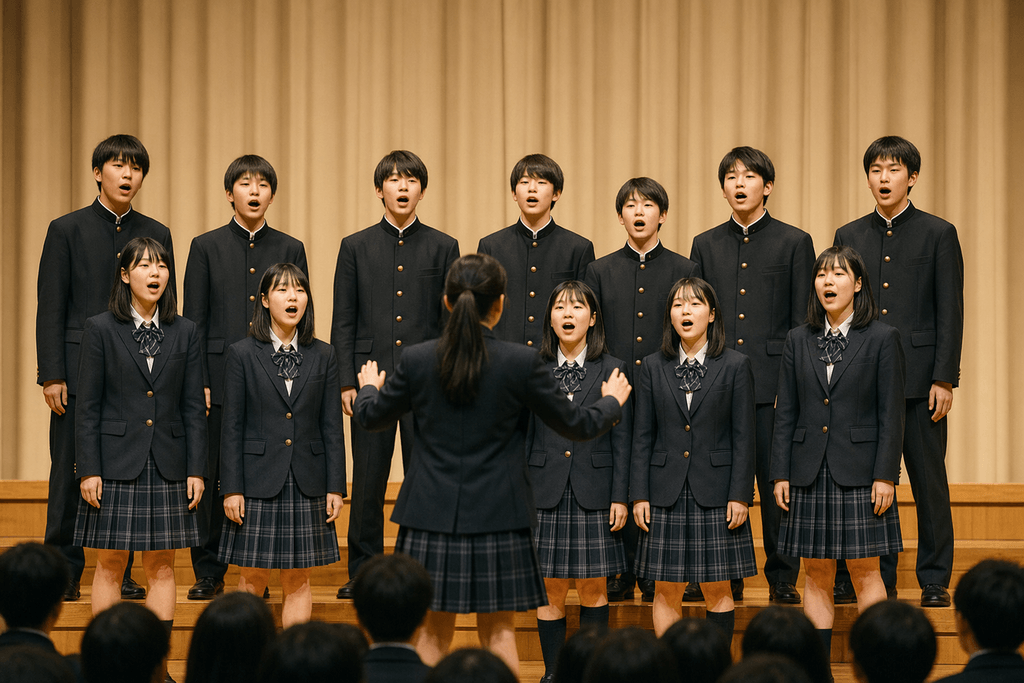
コーラス
समूहगान
コーラス
समूहगान
Explanation
समूहगान
コーラス
समूहगान / गायक समूह / गीतको दोहोरिने भाग
( romanization )
這う
घस्रिनु
這う
घस्रिनु
Explanation
這う
घस्रिनु
這う
रेंगिनु / घिस्रिनु / पेट टेक्दै हिँड्नु

Word Forms
The basic and commonly used forms of this verb.
Basic forms
| Form | Word form | Usage |
|---|---|---|
| Imperfective form (mizenkei) |
Alternative:
這お
|
Connects to endings such as nai, reru, and seru. |
| Continuative form (renyokei) | Connects to endings such as masu, tai, and ta. | |
| Conclusive form (shushikei) | Ends a sentence and serves as the dictionary form. | |
| Attributive form (rentaikei) | Modifies a noun. | |
| Conditional form (kateikei) | Combines with ba to express a condition. | |
| Imperative form (meireikei) | Expresses a command or instruction. |
Common forms
悔やむ
पछुताउनु / शोक गर्नु
悔やむ
पछुताउनु / शोक गर्नु
Explanation
悔やむ
पछुताउनु / शोक गर्नु
悔やむ
पछुताउनु / पश्चाताप गर्नु / शोक मनाउनु

Word Forms
The basic and commonly used forms of this verb.
Basic forms
| Form | Word form | Usage |
|---|---|---|
| Imperfective form (mizenkei) | Connects to endings such as nai, reru, and seru. | |
| Continuative form (renyokei) | Connects to endings such as masu, tai, and ta. | |
| Conclusive form (shushikei) | Ends a sentence and serves as the dictionary form. | |
| Attributive form (rentaikei) | Modifies a noun. | |
| Conditional form (kateikei) | Combines with ba to express a condition. | |
| Imperative form (meireikei) | Expresses a command or instruction. |
Common forms
学級
विद्यालयको कक्षा
学級
विद्यालयको कक्षा
Explanation
学級
विद्यालयको कक्षा
学級
कक्षा (विद्यालयमा) / विद्यार्थी समूह

( Base form )
( romanization )
( kyūjitai )
( hiragana )
貯蔵
भण्डारण
貯蔵
भण्डारण
Explanation
貯蔵
भण्डारण
貯蔵
भण्डारण / सञ्चय / संरक्षण

( Base form )
( romanization )
( stem )
( Past )
( table-tags )
( inflection-template )
( imperfective stem )
( imperfective stem )
( imperfective )
( continuative stem )
( continuative stem )
( continuative )
( stem terminative )
( stem terminative )
( terminative )
( attributive stem )
( attributive stem )
( attributive )
( hypothetical stem )
( hypothetical stem )
( hypothetical )
( Imperative literary stem )
( colloquial Imperative stem )
( Imperative literary stem )
( colloquial Imperative stem )
( Imperative literary )
( colloquial Imperative )
( Passive voice )
( Passive voice )
( Passive voice )
( causative )
( causative )
( causative )
( causative )
( causative )
( causative )
( potential )
( potential )
( potential )
( volitional )
( volitional )
( volitional )
( negative )
( negative )
( negative )
( continuative negative )
( continuative negative )
( continuative negative )
( formal )
( formal )
( formal )
( perfective )
( perfective )
( perfective )
( conjunctive )
( conjunctive )
( conjunctive )
( Conditional hypothetical )
( Conditional hypothetical )
( Conditional hypothetical )
仕上がる
पूरा हुनु
仕上がる
पूरा हुनु
Explanation
仕上がる
पूरा हुनु
仕上がる
पूरा हुनु / समाप्त हुनु / तयार हुनु

Word Forms
The basic and commonly used forms of this verb.
Basic forms
| Form | Word form | Usage |
|---|---|---|
| Imperfective form (mizenkei) |
Alternative:
仕上がろ
|
Connects to endings such as nai, reru, and seru. |
| Continuative form (renyokei) | Connects to endings such as masu, tai, and ta. | |
| Conclusive form (shushikei) | Ends a sentence and serves as the dictionary form. | |
| Attributive form (rentaikei) | Modifies a noun. | |
| Conditional form (kateikei) | Combines with ba to express a condition. | |
| Imperative form (meireikei) | Expresses a command or instruction. |
Common forms
出勤
काममा हाजिर हुने काम
出勤
काममा हाजिर हुने काम
Explanation
出勤
काममा हाजिर हुने काम
出勤
काममा जानु / ड्युटीमा हाजिर हुनु / कार्यस्थलमा उपस्थिति

( Base form )
( romanization )
( hiragana )
Loading...

JLPT N2 多言語単語帳・1790語 / JLPT N2 Multilingual Vocabulary: 1790 Words

Jonathan Waller 氏の JLPT Resources の語彙リスト・レベル分類を出典とし、CC BY の条件に従って DiQt が学習者向けに意味を作り直した1790語の単語帳です。JLPT公式の語彙リストではありません。
This collection of 1790 words is based on the vocabulary list and level classifications in Jonathan Waller’s JLPT Resources under CC BY, with meanings rewritten by DiQt for learners. It is not an official JLPT vocabulary list.
Key Operations
Select the first quiz:
Ctrl + Enter
View Explanation:Ctrl + G
Close a feedback:Esc
When selecting a quiz
Answer:Enter
Select a choice:↓ or ↑
Reading out the question:Ctrl + K
View Hint: Ctrl + M
I don't know: Ctrl + Y



